Age of Revolutions
Modern World16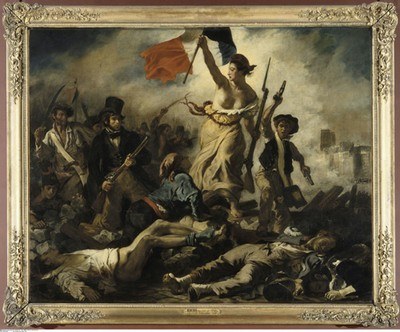
As the Market Revolution continued to accelerate in the first half of the 19th century, the size and wealth of the middle class surged. Members of this class embraced the ideas of Nationalism and Liberalism, which had circulated across Europe due to the French Revolution and the Napoleonic Wars. The power of the entrenched aristocracy in Conservative regimes were under siege as the middle class demanded a voice in government. Between the end of the Napoleonic Wars in 1815 and 1848, the ideas of Liberalism and Nationalism inspired waves of revolution that radiated across Europe in 1820, 1830, and in 1848. The success of these revolutions in implementing Liberal reforms of government varied from country to country in Europe, but in general Liberal reformers achieved the most success in countries, whose middle class was strongest. The revolutions of 1848 were by far the most violent and chaotic, as a severe economic crisis resulted in uprisings by the European working classes. These disruptive uprisings severely frightened the middle class since they were anxious to protect their businesses and property. Consequently, the middle class after 1848 in the mid-19th century largely rejected revolution as a means to achieve political power and preferred instead that a strong, centralized state implement Liberal reforms in an organized and methodical manner.
The first wave of revolution swept across Europe in 1820 and primarily impacted southern Europe. In Spain, Ferdinand VII and the Bourbon dynasty returned to power with the collapse of Napoleon's empire. Ferdinand VII was a Conservative king, who desired to rule Spain as an Absolute Monarch. In Spain, however, many of the officers in the Spanish army were of middle class origin. They had fought against the French occupying army during the Peninsular War out of patriotism and love of country (Nationalism), but they also were attracted to ideas of individual liberties and constitutional government (Liberalism), which arose from the French Revolution. In 1820 these military officers led an army mutiny against the king and forced him to convene a Cortes to adopt a constitution, so that Spain would become a constitutional monarchy. This revolution in Spain along with revolutions in Italy (see below) deeply troubled the Conservative European powers. In 1821 rulers and ministers from Austria, Russia, Prussia, and France convened at Troppau, Poland, and with the advice and counsel of Metternich, formed the Holy Alliance. This alliance viewed Liberalism and revolution as evil and an offense against Christianity itself. In 1823, the Holy Alliance authorized Louis XVIII of France to send troops to Spain to restore Ferdinand VII to full power. 100,000 French soldiers arrived in Spain and were even welcomed in the rural areas of northern Spain, where support for king Ferdinand among the peasantry was strong. Ferdinand with this French assistance dissolved the Cortes and the new constitution, thereby ending the revolution in Spain.
In Italy, as in Spain, many of the officers in Italian armies were of middle class origin. They too fought against French occupying forces during the Napoleonic Wars, but they also embraced the Liberal ideas of the French Revolution. However, the rulers of Italian states such as Ferdinand I of the Kingdom of the Two Sicilies and Victor Emmanuel I of Sardinia were very Conservative and strongly opposed to these ideas. In both states army officers organized secret fraternal "societies", which were committed to implementing Liberal reforms, the Federati in the Kingdom of Sardinia, and the Carbonari in the Kingdom of the Two Sicilies. In 1820 these societies led army mutinies against these two kings and demanded that these kings become constitutional monarchs under written constitutions. Victor Emmanuel I refused these demands and abdicated the throne. His elderly brother, Charles Felix assumed the throne with their young cousin, Charles Albert serving as regent. Charles Albert was sympathetic to the Liberal ideals of the revolutionaries and supported a constitutional monarchy. The Hapsburg Austrian Empire, however, was the dominant power in Italy, and Metternich in 1821 sent Austrian troops to these two kingdoms to overthrow these newly established constitutional governments and to restore these kings to their former power. Even though Austrian troops successfully crushed these revolutions, these events nonetheless inspired a young Italian college student from Genoa, Guiseppe Mazzini (1805-1872). Over his lifetime Mazzini through his published works would become known as the "prophet of nationalism". Mazzini maintained that every people who share a common language and culture possess the right to form a government of their very own. Mazzini's writings and ideas especially inspired young people across Europe, and a "Young Italy" movement arose in Italy among nationalists who envisioned a united Italy under a republican form of government.
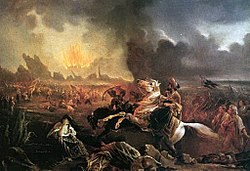
In 1821 the Greeks rebelled against the Ottoman Empire. This rebellion had the support of many Greek merchants in the Ottoman Empire, who were inspired by the ideas of the French Revolution and dreamed of creating an independent Greek nation. In Greece itself many of these rebels were brigands or highway robbers - the Kleftis. The Kleftis were often Greek peasants, who had fled to the local mountains to avoid paying taxes or to flee from corrupt Ottoman officials. The Ottoman Sultan Mahmud II was unable to crush this uprising immediately since the corrupt and bloodthirsty Ottoman governor of Albania, Ali Pasha, was also in rebellion against the Sultan. Moreover, the now ineffective Ottoman Janissaries proved incapable of suppressing the Greek uprising and Ali Pasha's revolt. Mahmud II, consequently, in 1822 called upon the Ottoman viceroy (Khedive) of Egypt, Mohammed Ali, to send his forces to Greece to suppress the rebellion there. An ethnic Albanian, born in Greece, this Mohammed Ali had risen up the ranks of the Ottoman army in Egypt to become governor (Pasha). As governor of Egypt, Mohammed Ali had radically reformed the army and government in Egypt based on the organization of western European armies and states. Mohammed's well organized army brutally and effectively attacked the Greek rebels, but Liberals across Europe, such as the famed English poet, George (Lord) Byron, were inspired by the Greek Revolution to come to Greece and fight alongside the Greek rebels since ancient Greece had been the "birthplace of democracy". In addition, the Russian government desired to intervene in the war on behalf of the Greek rebels. The Conservative Russian government opposed democracy and the ideas of the French Revolution, but the Russians were outraged upon hearing reports of massacres of fellow Orthodox Christians by Muslim armies. The British government feared that possible Russian intervention in Greece directed against the Ottoman Empire could destabilize the eastern Mediterranean and threaten British control of strategic routes through Egypt to the Indian Ocean and the British Empire in India. In 1827, the British government invited the great European powers to London to discuss the crisis in Greece. In London, the representatives of these European powers, including Russia and the United Kingdom, signed the Treaty of London and agreed to work together in concert to secure the independence of Greece. In 1827 at the Battle of Navarino, the allied fleet defeated the Ottoman navy off the coast of western Greece. Under pressure from this alliance, the Ottoman Empire formally recognized the independence of Greece in 1832, and the allied European powers installed a German prince from Bavaria, Otto I, as the first constitutional monarch of Greece. The failure of the Ottoman Janissaries to suppress the rebellion in Greece finally convinced Mahmud II in 1826 to abolish the ineffective and corrupt Janissaries corps, whose leaders after all had assassinated his cousin and predecessor, Selim III in 1808. Mahmud II ordered the execution of 6000 Janissaries. Mahmud II afterwards created a new armed forces for the Ottoman Empire that was organized according to European military standards. Later in 1839, just before his death, Mahmud II issued the first of the Tanzimat reforms, which re-organized the Ottoman government to resemble more Liberal, western European states.
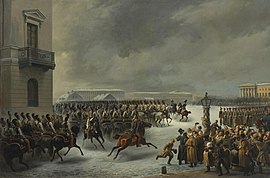
The wave of revolutions that swept across southern Europe in the 1820's even impacted Conservative Russia. In 1825 the Russian Czar, Alexander I died and was succeeded by his even more Conservative brother, Nicholas I. Some Liberal-minded Russians serving in the military and government hoped to replace Nicholas with his brother, Constantine, whom, they hoped, would become a constitutional monarch. In December, 1825, these conspirators, the so-called Decembrists, attempted to lead a mutiny of the Russian army, so that they could place Constantine on the Russian throne. Nicholas I, however, forcefully suppressed this attempted mutiny.
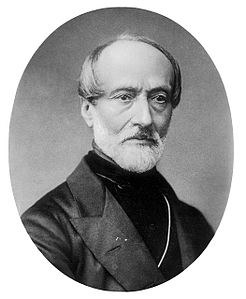
Guiseppe Mazzini
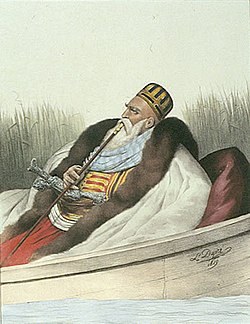
Ali Pasha
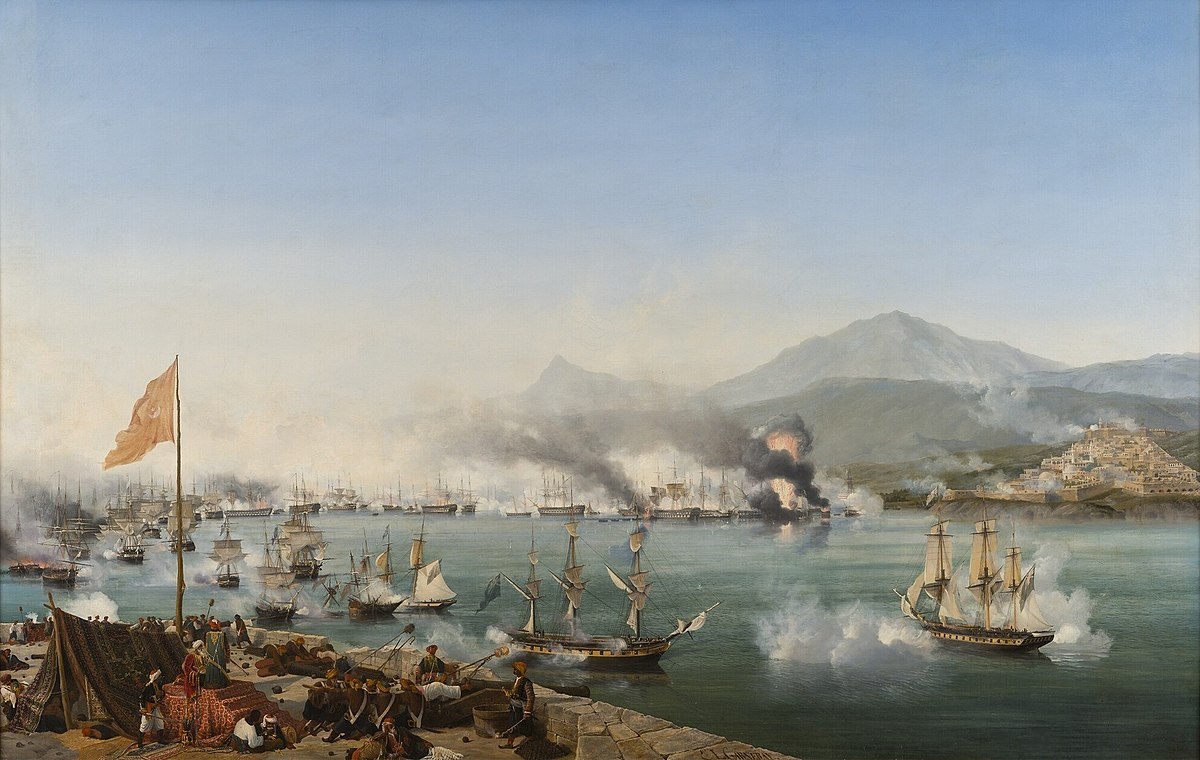
Battle of Navarino
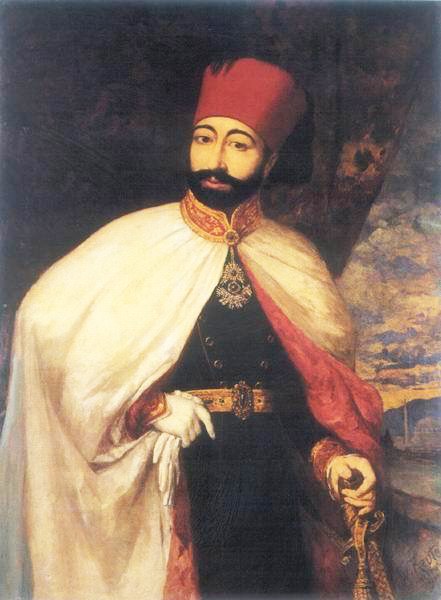
Mahmud II
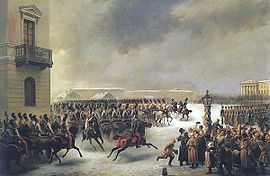
The Decembrists Uprising
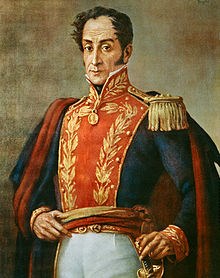
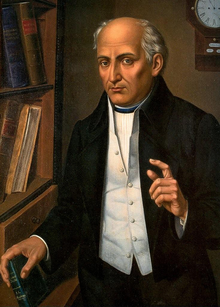
The revolution in Spain in 1820 and its aftermath impacted the struggling Spanish Empire in Latin America across the Atlantic in the Western Hemisphere. In the 18th century, the Bourbon Dynasty of Spain reformed the government of its colonies in the New World, so as to strengthen the Spanish government's control over the administration of its colonies. Instead of allowing local Creoles (colonists of European ancestry) to govern its colonies with little oversight by the Spanish government, as in the days of the Spanish Hapsburg Dynasty in the 17th century, the Bourbon Dynasty reserved the highest positions in colonial government to officials appointed from Spain. The local Creoles in the colonies resented these officials and referred to them disparagingly as Peninsulares, as they came from the Iberian Peninsula (Spain). After Napoleon deposed Ferdinand VII and imposed his brother, Joseph, as king of Spain, local colonial officials in 1807-1808 in the Spanish Empire rejected Joseph's authority, and often formed independent military commissions (Juntas) to govern the Spanish colonies in the name of the deposed Bourbon king. Many Creoles welcomed this development since they desired their colonies to be self-governing and autonomous anyway. In these colonies, some Creoles were inspired by the ideas of the French and American Revolutions and wished to see their colonies become independent republics. In New Spain (Mexico), for example, in 1810 a Creole and Roman Catholic priest, Miquel Hidalgo led a rebellion of thousands of Mexican peasants against colonial authorities who were still loyal to Ferdinand VII. Colonial authorities successfully crushed this uprising and executed Hidalgo in 1811. Also in 1810, the Spanish colony of Rio de la Plata (Argentina) declared its independence from Spain. In 1811 provinces from the Spanish colony of New Granada declared themselves to be the independent republic of Venezuela. After Ferdinand VII recovered the Spanish throne in 1814, Spain sent armies to Latin America in an effort to regain control of their empire, but the former colonists had organized armies of their own to resist these efforts under the leadership of Jose de San Martin (Argentina), Bernardo O'Higgins (Chile), and Simon Bolivar (Venezuela). When revolution in Spain forced Ferdinand to call the Cortes in 1820, Conservative colonial authorities in New Spain (Mexico), who had remained loyal to the Bourbon Dynasty, finally broke with Spain in 1821 with a former royalist general, Agustin de Iturbide as president and later emperor of Mexico in 1822. After the Holy Alliance intervened in Spain in 1823 and restored Ferdinand to full power, the Spanish king redoubled his efforts to regain Spain's American empire, using the city of Lima and the region of Peru as the base of operations. In 1824 armies under the command of San Martin and Bolivar converged on Peru to meet these Spanish forces. San Martin's army heroically crossed the Andes Mountains to advance from Argentina to Peru. In Peru, San Martin resigned his command, so that these armies were now under the united command of Bolivar. At the Battle of Junin in 1824, Bolivar's army decisively defeated Spanish forces. Afterwards, Spanish forces withdrew from Peru, leaving the Caribbean islands of Cuba and Puerto Rico as the remaining remnants of the once mighty Spanish Empire of the New World.
In the 19th century after winning independence, the new republics of Latin American often fell under the control of military dictators known as Caudillos ( "strong men"). The Creole landowning elites in these states often quarreled with one another regarding such issues as the degree of political participation among its citizens and whether the Roman Catholic Church ought to remain the established church. Caudillos arose to end political instability resulting from these political quarrels. One such dictator was Antonio Lopez de Santa Anna in Mexico, who seized control in Mexico in 1833. Santa Anna even fancied himself to be the Napoleon of Mexico. In 1835 the inhabitants of the Mexican state of Texas declared their independence from Mexico, as they opposed Santa Anna's dictatorship. Many of these rebels in Texas were immigrants from the United States who had been settling in Texas in large numbers in the 1820's. In 1845, the United States annexed the Republic of Texas at the request of these Texans. Since Mexico had never officially recognized the independence of Texas, war quickly broke out between the United States and Mexico in 1846. In the Mexican War (1846 -1848), Santa Anna proved to be no Napoleon, as American forces invaded Mexico and defeated the armies of Santa Anna on multiple occasions, even when Santa Anna's armies were numerically superior. In 1848 Mexico City fell to American forces, and Santa Anna's government in Mexico collapsed. In the Treaty of Guadalupe Hidalgo that ended the Mexican War, Mexico ceded to the United States its northernmost territories, a vast, sparsely settled region stretching from the Rocky Mountains to the Pacific Ocean.
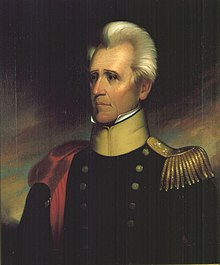
The United States in the 1820's and 1830's was also experiencing dramatic political change with the advance of democracy. In the early days of the American republic following independence, political leaders such as John Adams and Thomas Jefferson supposed that men of superior talent, ability, and means would emerge to serve as a "natural aristocracy" and lead the people of the republic. The early state constitutions for the original 13 states often required citizens to own property to vote and to hold public office. In the 1820's and 1830's, however, these states eliminated these property requirements. All adult males with the notable exception of the African slaves could now vote and hold office. In this period Americans embraced the concept of democracy and popular government. Elected officials were not expected to lead the people, but instead follow the will of the people. The leading statesman in this era was a former general, war hero, and wealthy planter, Andrew Jackson, who served as President for two terms (1828 - 1836). As President, Jackson claimed to execute the will of the American people as their champion. Jackson was the first American president to be born into poverty and without any formal education. Many Americans could therefore identify with this "American Hero". To win the presidency, Jackson fashioned together a coalition of different interest groups in American society from farmers out west to artisans in large cities, that included wealthy southern planters and bankers in New York City. He thereby founded a mass political movement to advance a common agenda, which became known as the Democratic Republican Party or simply the Democratic Party. In response to Jackson's political success, his political opponents organized a mass political movement of their own, which became known as the Whig Party. In this period, just as in Europe, young people in the United States often most eagerly embraced democracy and took immense pride in America's "Anglo-Saxon" (English) national culture. This "Young America" movement came to see that America's "Manifest Destiny" was to expand its territory due to the country's superior democratic government and culture. These popular ideas increased public support for war against Mexico in 1846 and the annexation of territory from Mexico following this war. Historians have attributed this advance of democracy to America's westward expansion. As Americans settled west and new states out west were added the the federal union such as Tennessee (1796), Ohio (1803), and Alabama (1818), practically all adult males in these new states were farmers and owned land due to availability of land in these undeveloped regions. Consequently, over time, it became customary for all citizens in these new states to be eligible to vote or run for public office, and citizens in the older states soon demanded the same right. Historians have also attributed this advance to the ongoing market revolution. Before the market revolution, commercial transactions were relatively rare and reinforced the social hierarchy. For example, in colonial New England, the periodic purchase of commodities by colonial merchants from New England farmers reinforced the dependence of these farmers on these merchants to market their crops and the elite status of these merchants in New England society. With the rapid growth of the market economy, commercial exchanges became increasingly commonplace. Over time, the social element of these transactions disappeared. Consequently, citizens engaging in these activities in their everyday lives gradually viewed each other as equals.
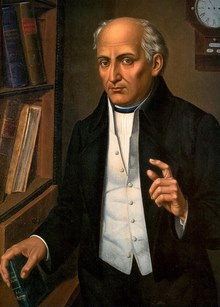
Miquel Hidalgo
Simon Bolivar
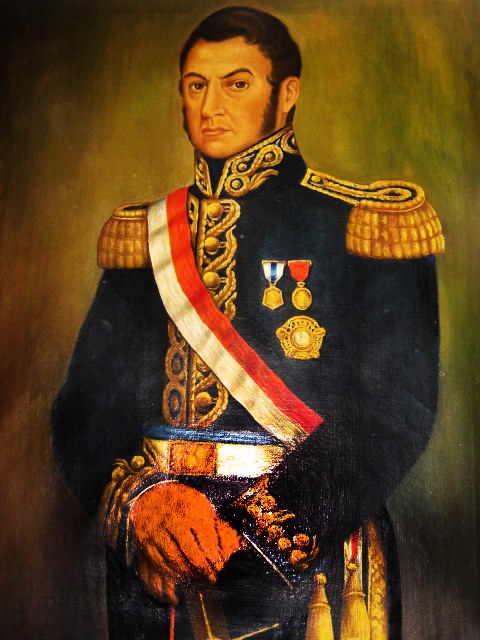
Jose de San
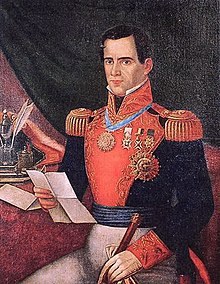
Antonio Lopez de Santa Anna
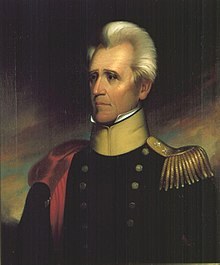
Andrew Jackson
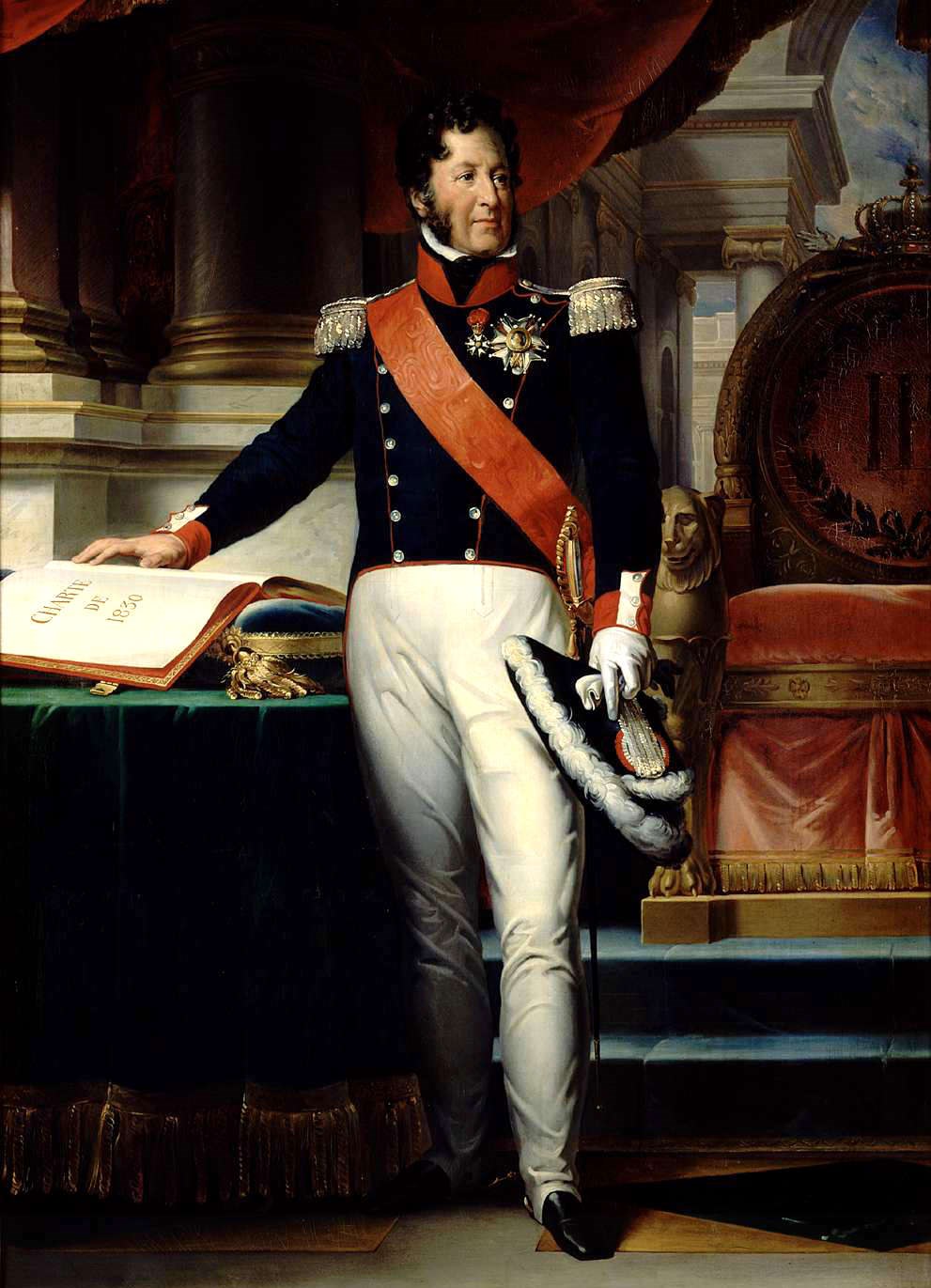
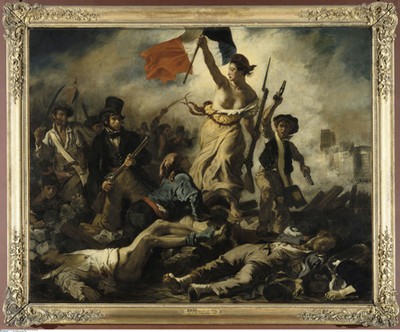
In 1830, as in 1820, a wave of revolution swept across Europe from west to east. These revolutions did result in the Liberal reform of governments in western Europe where the ranks of the middle class was the most numerous and wealthy. These revolutions began in the summer of 1830 in Paris, France. When Louis XVIII and the Bourbon Dynasty recovered the throne of France in 1814, an Absolute Monarchy was not reinstated. In a concession to middle class Liberals, Louis XVIII issued a new constitution for France, which Louis XVIII referred to as a "charter", which was traditionally the term used for documents granting certain privileges to the king's subjects. Under this Charter of 1814, wealthy property owners in France elected members of the Chamber of Deputies, the lower house of the legislature, whereas the king, as head of state, appointed the members of the upper house of the legislature, the Chamber of Peers. All new taxes required approval by this legislature. In 1824 upon the death of Louis XVIII, the throne passed to his even more Conservative and unpopular younger brother, Charles X. In 1830 elections to the Chamber of Deputies, a number of Liberal critics of the king won seats. Consequently, Charles X in July 1830 dissolved the Chamber of Deputies. News of this development stirred up violent protests in the streets of Paris. Charles X desired to send in his army to restore order in the city, but he had already earlier in 1830 dispatched the bulk of his loyal army to Algiers in North Africa to wage war against the Dey, the Ottoman governor of Algiers, whose fleet had been attacking French vessels who refused to pay tribute to the Dey (In 1801, the United States had sent its navy against the Bey or Ottoman governor of Tripoli to stop attacks on American ships by these "Barbary Pirates"). Since Charles X couldn't rely on a loyal army to restore order and to maintain power, the king abdicated the throne in favor of his young grandson, Henri. The formally dissolved Chamber of Deputies, however, convened and voted to appoint Louis-Philippe, the Duke of Orleans, Charles X's cousin, as the new king of France. Louis-Philippe, unlike other members of the Bourbon Dynasty, had in the past expressed his sympathy and agreement with Liberal ideas. After this king's election to the throne, the protests in Paris ceased, as Louis Philippe had always been a popular public figure. The new government of king Louis-Philippe became known as the July Monarchy since the king had assumed the throne in that month in 1830.
The summer of 1830 also witnessed a violent uprising just north of France in the city of Brussels against the government of William I, the king of the United Netherlands. The southern half of this kingdom, the former Austrian Netherlands prior to the Congress of Vienna, was inhabited by people who spoke Flemish and Walloon and were primarily Roman Catholic. The people there greatly resented that William I appeared to favor the northern half of the kingdom, which was Dutch and predominantly Calvinist. In response to the revolution in Brussels, the great Conservative powers sent delegates to an emergency conference in London to resolve this crisis. This London Conference agreed to separate the southern portion of this kingdom from the northern half and create a new, independent Kingdom of Belgium. A German prince, Leopold of Saxe-Coburg-Gothe, became the first constitutional monarch of Belgium. The new nation adopted a constitution that was modeled on the French Charter of 1814. Over just to the east of Belgium, in the German kingdom of Saxony, the king, Anton, in 1831 agreed to become a constitutional monarch after protests erupted in his kingdom demanding reform. The new constitution here was also similar to the Charter of 1814.
Due to these revolutions and the threat of spreading violent protests, the Parliament of the United Kingdom passed the Reform Act of 1832. The middle class in the United Kingdom had been upset with their lack of representation in Parliament due to "rotten boroughs". The number of representatives in Parliament from each borough had remained fixed for generations even though the population centers in Great Britain had shifted dramatically due to the Market Revolution. For example, the population of central England had expanded due to the growth of factory towns in this region. However, due to this situation, "rotten boroughs" had developed which had more or as many representatives in Parliament than areas with much larger populations. Middle class Liberals desired to see the number of representatives from each borough to be based on the population of each. The Reform Act in 1832 redistributed the number of representatives from each borough based on population and thereby eliminated the "rotten boroughs". This act also extended suffrage (the right to vote) to all tax paying, property owners. Due to the passage of this act, the number of eligible voters in the United Kingdom nearly doubled from 478,000 to 814,000. In the spirit of Liberal reform, Parliament in 1833 also abolished slavery throughout the British Empire. For decades prior to this act, anti-slavery activists in the United Kingdom such as William Wilberforce (1759-1833), a member of Parliament, had petitioned Parliament to end the African slave trade and to abolish slavery on the grounds that slavery was immoral and in violation of Christian teachings. The decision to abolish slavery in 1833 was also an effort to ward off slave rebellions. In 1831-1832 the African slaves on the Caribbean island of Jamaica under British rule had risen up against the island's planters in the so-called Baptist War. On this island the rebellion occurred after the slaves had organized Baptist congregations, whose pastors preached that slavery was an offense against God.
A wave of revolution in 1830 also swept across southern and eastern Europe in 1830, but did not result in any victories for Liberalism. In central Italy in the city of Bologne, many students at the university there rebelled against the government of the Papal States in 1831. The revolutionaries founded the short-lived republic of the United Italian Provinces. The Pope in Rome had no sizable armed forces, so the Hapsburg Austrian Empire sent troops to the region on behalf of the Papacy and crushed this uprising and the new republic in 1831. In Poland many Polish military officers and members of the Polish Sejm seized control of Warsaw, the Polish capital in November of 1830, hoping to secure Poland's independence from Russia. Russia dispatched over 100,000 troops to Poland in 1831, and Russian forces quickly re-established control. Afterwards, the Russian Czar, Nicholas I, abolished the Congressional Kingdom of Poland and imposed direct Russian rule over the country.
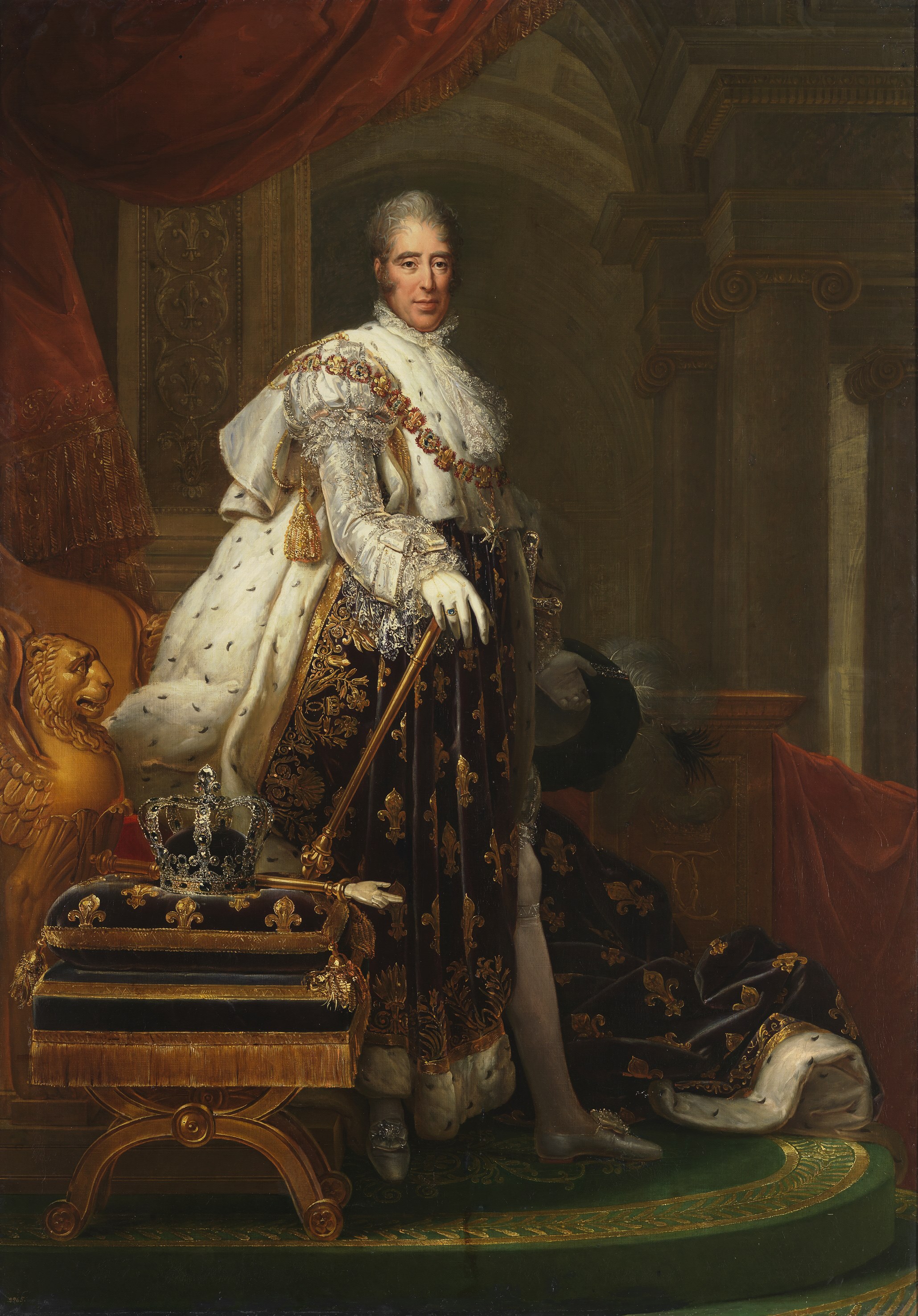
Charles X of France
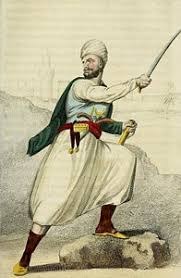
A "Barbary Pirate"
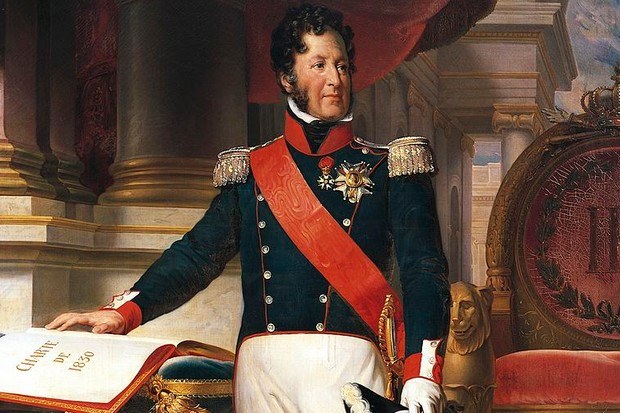
Louise-Philippe
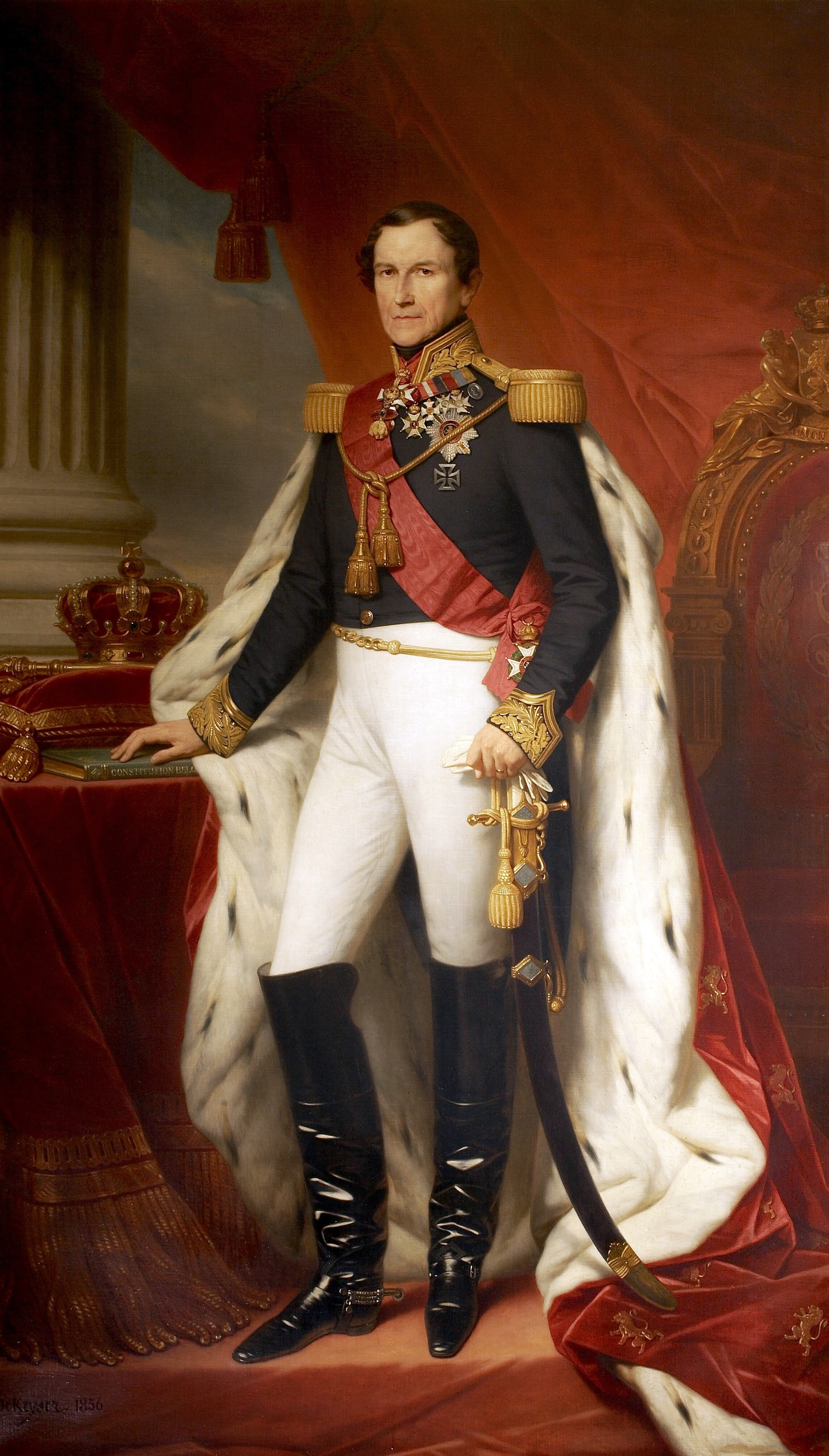
Leopold I of Belgium
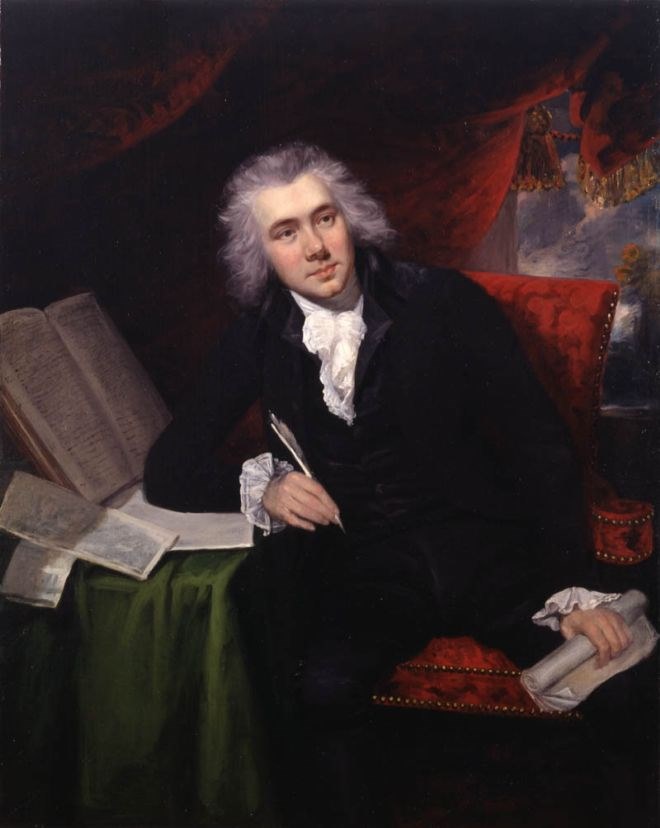
William Wilberforce
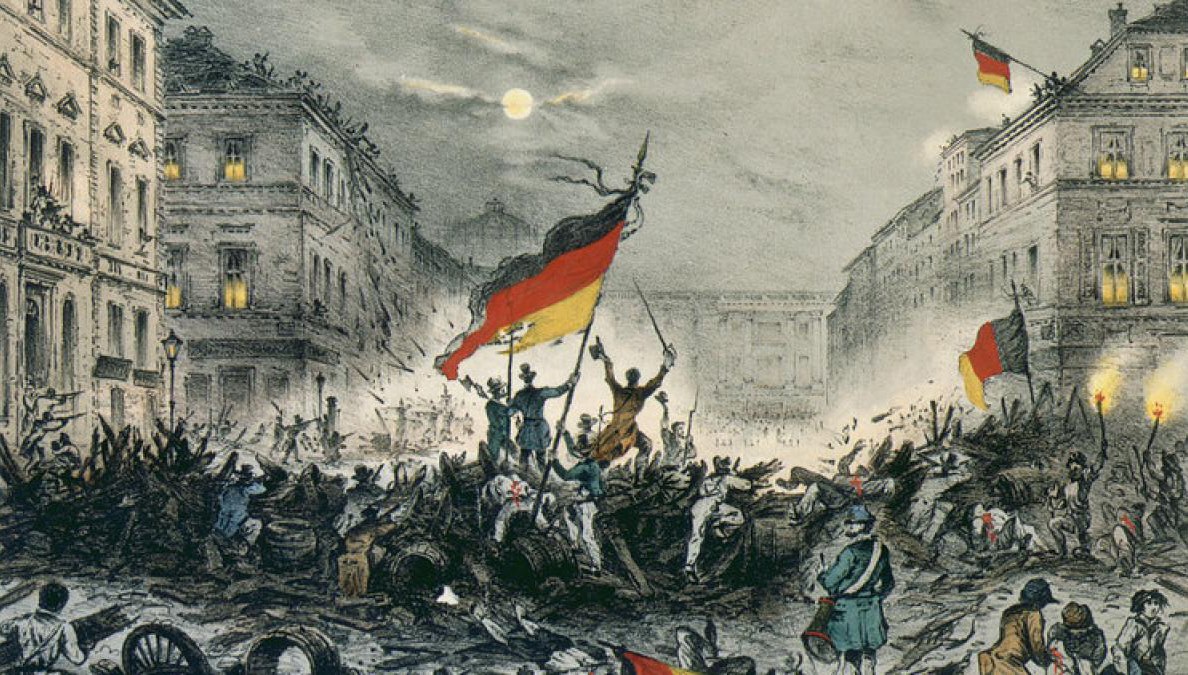
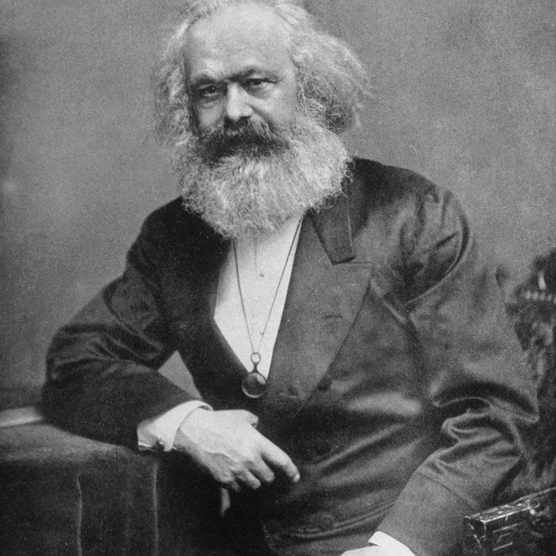
In 1848-1849 violent uprisings and revolutionary wars broke out across much of Europe. The destruction and bloodshed of these conflicts shocked the European middle classes, which up to this point had supported revolution as a mean to achieve Liberal reforms. This chaos and disorder also inspired a young, German economist and philosopher, Karl Marx, to publish in 1848 a brief pamphlet entitled The Communist Manifesto, which would become one of the most influential works in world history in the following century. According to Marx, human history featured a constant class struggle between an oppressor class, which controlled the means of production, and an oppressed class, which did not. The last manifestation of this struggle pitted the middle class (Bourgeoisie), as the oppressors who controlled capital (means of production), against the urban working class (Proletariat). Marx envisioned a day when this Proletariat would rise up against their oppressors and permanently end class struggle by creating an egalitarian society in which all members together would own collectively the means of production in a state of Communism. Marx viewed the uprisings in 1848 as the beginning of the process that would lead ultimately to the formation of a Communist state.
The revolutions of 1848-1849 were precipitated by poor agricultural harvests across much of Europe that resulted in food shortages. In the 1840's a potato blight resulted in poor potato harvests. European peasants had become reliant on potatoes for their diet, so this blight resulted in widespread famine in the European countryside. In rural Ireland thousands of peasants emigrated to the United States, Canada, and Australia to escape famine in the 1840's. The potato blight and poor agricultural harvests in 1848 resulted in famine in the countryside and high food prices in the cities. This economic crisis fueled uprisings in European cities by hungry and unemployed mobs.
The first revolution began in Paris, France against the July Monarchy of Louis-Philippe. Middle class Liberals in France were unhappy with the present constitution since only the very wealthy could vote. In 1847 these Liberals held meetings to discuss constitutional reform. In early 1848, when the government banned all such meetings, violent protests erupted in Paris. Louis-Philippe ordered the police and army to restore order, which resulted in the deaths of protesters at the hands of the police. Louise-Philippe was mortified upon hearing reports of these deaths, and he abdicated the throne. When the French Chamber of Deputies convened to discuss the situation, many members of the Parisian working class under the leadership of Francois Raspail, a middle class chemist, protested in the streets and demanded that the Chamber of Deputies declare France to be republic. The new provisional government then called for the election of a Constituent Assembly to draft a new constitution for this Second Republic. The provisional government extended the right to vote to all adult males ("universal suffrage") for this election.
Over the summer of 1848 while the Constituent Assembly convened, thousands of hungry, French peasants flowed into Paris demanding food and jobs from the French government. Many members of the French middle class were anxious regarding their private property and businesses due to these unruly mobs of peasants and workers in the city. Many members of the middle class consequently swung their support behind Louis-Napoleon Bonaparte, the nephew of Napoleon Bonaparte. Louis-Napoleon had the support of the French army due to his famous uncle's legacy. The French middle class believed that only a strong executive with the backing of the army could restore order and prosperity to France. Over the summer the Constituent Assembly completed its work and drafted a constitution that created a powerful presidency with strong executive powers along with an assembly elected through universal suffrage. French voters elected Louis-Napoleon as the first president of the Second Republic under the new constitution in the fall of 1848. In 1851, however, elections to the Assembly resulted in many aristocrats winning seats in the Assembly. Due to universal suffrage, French peasants could vote and often did vote for local aristocrats running for office, as these peasants still held them in high regard. Louis- Napoleon feared that the newly elected Assembly favored the restoration of the monarchy and might challenge his position. Consequently, with the backing of the army, Louis- Napoleon overthrew the government of the Second Republic in 1851 and became a military dictator. In 1852, Louis -Napoleon assumed the position of emperor of France as Napoleon III. To legitimize his new position, Louis Napoleon in 1852 issued a new constitution that resembled the constitution of France under his uncle, Napoleon I and was approved by popular referendum.
In 1848 uprisings spread east from France to the capital cities of German Confederation, including Berlin, the capital of Prussia. German rulers out of fear of these protests initially agreed to become constitutional monarchs, even Frederick William IV of Prussia. Over the summer of 1848 however, as famine conditions persisted, peasants from the countryside flooded German cities, like Berlin, demanding food and jobs. This disorder and chaos frightened the German middle class, who now desired the army to restore order. In late 1848, Frederick William IV called out the Prussian army to occupy Berlin as well as other German cities to suppress these mobs of poor workers and peasants. Frederick William IV was grateful for the support of the the German middle class during this crisis, and he agreed to accept some Liberal reforms. In 1849, Frederick William IV abolished serfdom and issued a new constitution in 1850. Under this constitution, wealthy property owners elected an assembly (Landtag), which was authorized to approve new taxes. The conservative reaction by the German middle class to the revolution of 1848 doomed the effort by German Liberals and nationalists to unify Germany as the united states of Germany. In early 1848 at the beginning of the revolution, Liberal delegates from the different states of the German Confederation convened in Frankfurt to create a unified Germany. However, the delegates could not agree on whether Germany should become a federal republic, like the United States of America, or a constitutional monarchy. They also debated whether to include Austria in the German union since the Austrian Empire included a large non- German population. After a year of debates, this Frankfurt Assembly, decided to create a constitutional monarchy and offered the throne to the Hapsburg emperor, Ferdinand I. By 1849. however, the German middle class no longer supported revolution and public support for the work of the Frankfurt Assembly had collapsed. Ferdinand I rejected this offer, as did Frederick William IV when the assembly subsequently offered him the throne. The Frankfurt Assembly then dissolved without achieving its objective.
In 1848-1849 revolutions also threatened to tear apart the multi-ethnic, Hapsburg Austrian Empire. Due to his fear of violent protests in Vienna, the Austrian capital, Ferdinand I in 1848 initially called a for constituent assembly to draft a constitution for the Austrian empire. Metternich , after over three decades of service, resigned as foreign minister. However, this assembly was torn apart by internal disagreements between the German and non-German delegates. Slavic Czech delegates, for example desired more autonomy for their homeland, whereas German delegates didn't want to include non-Germans in the government. Meanwhile, the German middle class became increasingly alarmed by the mobs of poor peasants and workers in Vienna. late in 1848, therefore, Ferdinand I with the support of the middle class, summoned the Croatian and Serbs of the Grenzers stationed along the frontier with the Ottoman Empire, to march on Vienna and restore order. The constituent assembly then dissolved, and talk about a constitutional monarchy ceased. The emotionally fragile, Ferdinand I, subsequently in 1849 abdicated in favor of his very Conservative cousin, Francis Joseph I, who would reign as the Hapsburg emperor until his death in 1916.
While revolution shook Vienna in 1848-1849, Liberal nationalists in Hungary and Italy sought unsuccessfully to win their countries' independence from the Austrian Empire. In 1848, Hungary declared its independence, and Louis Kossuth became the president of the Hungarian republic. Kossuth previously had been a leader in the "Young Hungary Movement" which drew inspiration from the ideas of Mazzini. Austria in 1849 called upon its longtime Russian ally to assist in the suppression of this Hungarian national uprising. 400,000 Russian troops invaded Hungary in 1849 and quickly restored Hapsburg rule. In Italy in 1848 revolutions swept across the Italian peninsula. In 1849, the king of Sardinia, Charles Albert, who had previously expressed his support for Liberal ideas, came forward and proposed that all of northern Italy unite under his leadership as a constitutional monarch. Austrian forces therefore entered Italy to defend the Hapsburg duchies there as well as Milan and Venice, which were under Austrian control. Since the Russians were aiding Austria in the war against Hungary, Austria could devote its efforts to defeating Charles Albert's plans to unite Italy. The armies of Sardinia suffered defeat, and Charles Albert abdicated the throne in 1849 in favor of his son, Victor Emmanuel II. In 1849, French forces occupied the Papal States to restore the Pope to power in central Italy since President Louis-Napoleon needed to win the political support of Roman Catholic French peasants. The revolutions of 1848-49 therefore failed to unite both Italy and Germany.
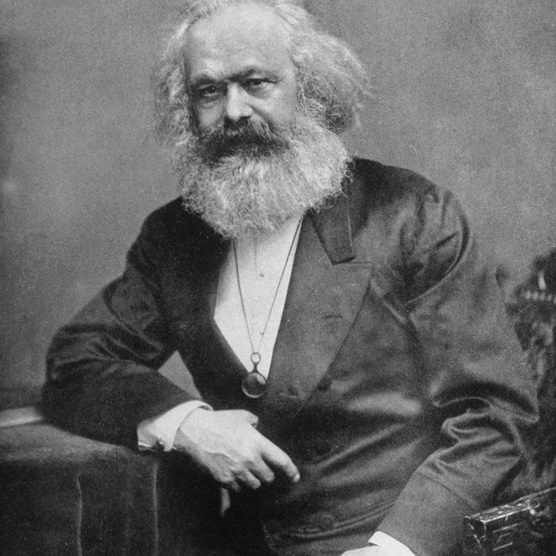
Karl Marx
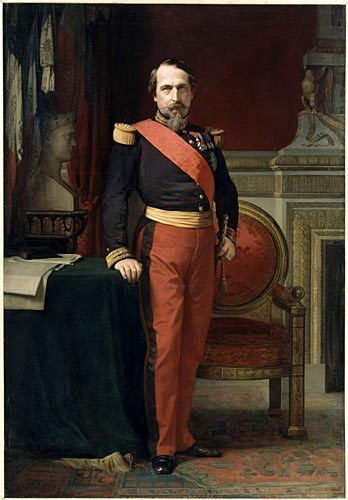
Louis-Napoleon
Frankfurt Assembly
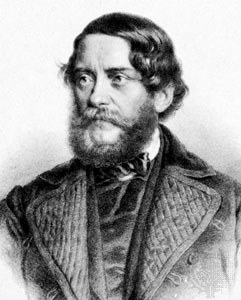
Louis Kossuth
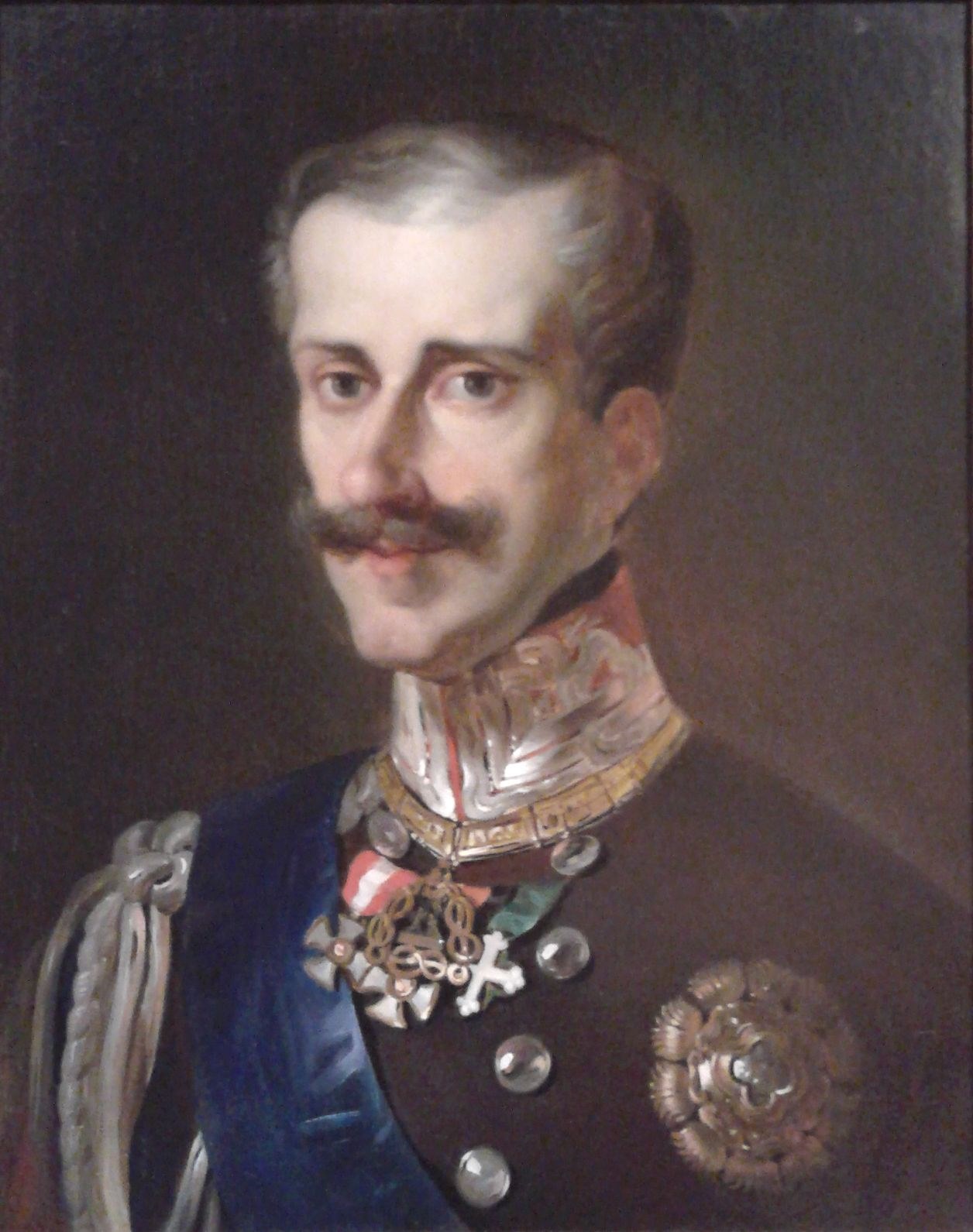
Charles Albert of Sardinia