The Cold War
Modern World25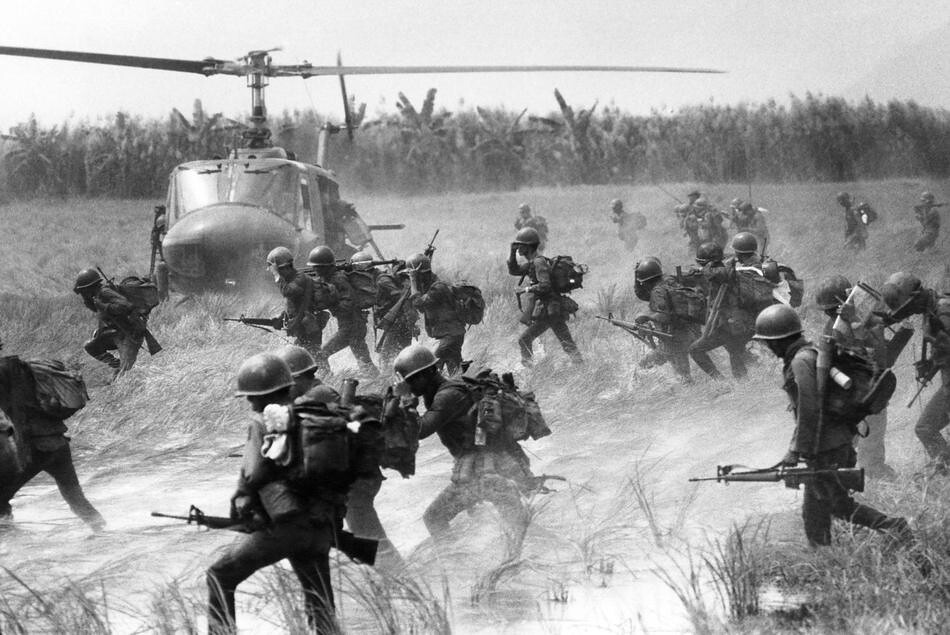
After World War II, a new conflict quickly emerged which pitted the United States and its allies, the so called "Free World" against the Soviet Union and its Communist allies. Since both sides in this conflict were developing increasingly more powerful nuclear weapons, which had the potential to wipe out the human race, relations between the United States and the Soviet Union never heated up to the point that they declared war directly against each other. Instead this Cold War was fought between the the allies of each side across the world in places such as Korea, Vietnam, Angola, Guatemala, and Afghanistan. The Cold War finally ended after nearly 50 years of conflict with the collapse of the Soviet Union in 1991.
During World War II, the United States and the Soviet Union were only allies due to their shared opposition to Nazi Germany. From the perspective of Joseph Stalin and the Soviet Union, the United States was an untrustworthy, corrupt Capitalist state, which was destined to be overthrown by the oppressed masses. Americans, however, viewed the Soviet Union as a tyrannical, atheist, Communist dictatorship that suppressed individual liberty and freedom of religion. At the conclusion of World War II after the defeat of Nazi Germany, the economy of Europe was in shambles. Its major cities lay in ruins, and the Soviet Red Army was occupying half of the continent. Americans feared that Europeans in desperation could embrace Communist regimes, which would receive support from the Soviet military.
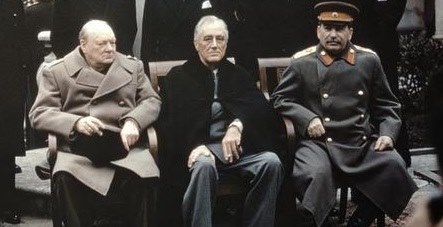
Tension between the United States and the Soviet Union emerged near the end of World War II, when the leaders of the United States, the United Kingdom, and the Soviet Union convened at Yalta in 1944. At this meeting, the British Prime Minister, Winston Churchill was alarmed that Soviet forces had set up a Communist government in Poland following the recent liberation of Poland from German occupation. Churchill urged his close ally, the United States President, Franklin Roosevelt, to join him in pressuring Joseph Stalin to allow free elections in Poland for a new government. Roosevelt, however, was hoping to recruit Stalin to work with the United States in its plans for the postwar world. Back in 1941, Churchill and Roosevelt had agreed to the Atlantic Charter, which outlined their shared vision for the postwar world, which was based largely on the same principles as Wilson's 14 Points during World War I. Roosevelt planned to establish a new United Nations, which was an updated version of Wilson's now defunct League of Nations. In 1944 the United States and its allies convened in Bretton Woods in New Hampshire to discuss ways to rebuild the world economy after the war. This conference created the International Monetary Fund (IMF) to stabilize the currencies in different countries and the International Bank for Reconstruction and Development (the later World Bank), whose original purpose was to provide funds for rebuilding the economies of countries impacted by the war. The United States provided most of the funds to create these organizations. Roosevelt hoped that the Soviet Union would join the United Nations and accept funds from these new international agencies in the interest of world peace and stability. Roosevelt was also trying to convince Stalin to declare war on Japan, as the Manhattan Project, working on developing the atom bomb, had not yet at this point successfully tested this weapon, and the United States still needed Soviet military support to invade and occupy Japan. Roosevelt therefore didn't press Stalin to remove the Communist government in Poland, and Stalin did agree to join the United Nations and to go to war against Japan. Stalin also promised to hold free elections in Poland and other countries occupied by Soviet forces at an unspecified future date.
In 1945, the Soviet Union did join the United Nations at its inaugural meeting in San Francisco. The Soviet Union also declared war on Japan after the war in Europe ended in May, 1945. Stalin, however, reneged on his vague promise to hold free elections in countries in Eastern Europe that Soviet forces had occupied as German forces retreated. Stalin distrusted the United States and the United Kingdom, as Capitalist countries, so he planned on setting up Communist "satellite states" in Eastern Europe to serve as a buffer zone between the Soviet Union and Western Europe. He also took vengeance on the German people. Soviet forces forcibly evicted millions of ethnic Germans from Eastern Europe and settled them in Germany. Within Germany, Soviet troops brutally raped tens of thousands of German women at the end of the war. Stalin also ordered German factories to be dismantled and transported back to the Soviet Union. When the leaders of the United States, the United Kingdom, and the Soviet Union convened for another meeting at Potsdam in Germany in 1945 at the conclusion of the war in Europe, it was clear to the new American President, Harry Truman, that Stalin and the Soviet Union had no intention of ever holding free elections in Eastern Europe. In 1946, former British Prime Minister, Winston Churchill, in an influential speech addressed to the American public, warned Americans that the United States and the free world again faced the threat of Totalitarianism, with Soviet forces falling on Eastern Europe like an "Iron Curtain". The tension filled Potsdam Conference and this "Iron Curtain" speech marked the beginning of the Cold War.
President Harry Truman and his advisers maintained that the best way to "contain" an aggressive Soviet Union was to rebuild the economy of Europe and provide military aid to countries waging war against Communist forces. In 1947, Greece was facing a civil war as the Greek government was in conflict with Greek Communists. Truman therefore asked the United States Congress to set aside $400 million to provide military and economic assistance to Greece and Turkey to help them defend themselves against Communist aggression (Ironically, Stalin had already pulled back military support from the Greek Communists when they didn't obey his orders.) This policy of Containment became known as the Truman Doctrine. The following year in 1948, the United States put forward the Marshall Plan (named after the United States Secretary of State, George Marshall), which allocated nearly $13 billion (over $200 billion in 2020 dollars) to rebuild the European economy. The United States feared that, otherwise, Europeans were more likely to support Communists if they remained poor and miserable. Besides, a strong, prosperous, Capitalist Europe would also purchase American exports and support the United States'economy as well. The United States did offer these funds to the Soviet Union and Eastern European states, but these countries refused this aid.
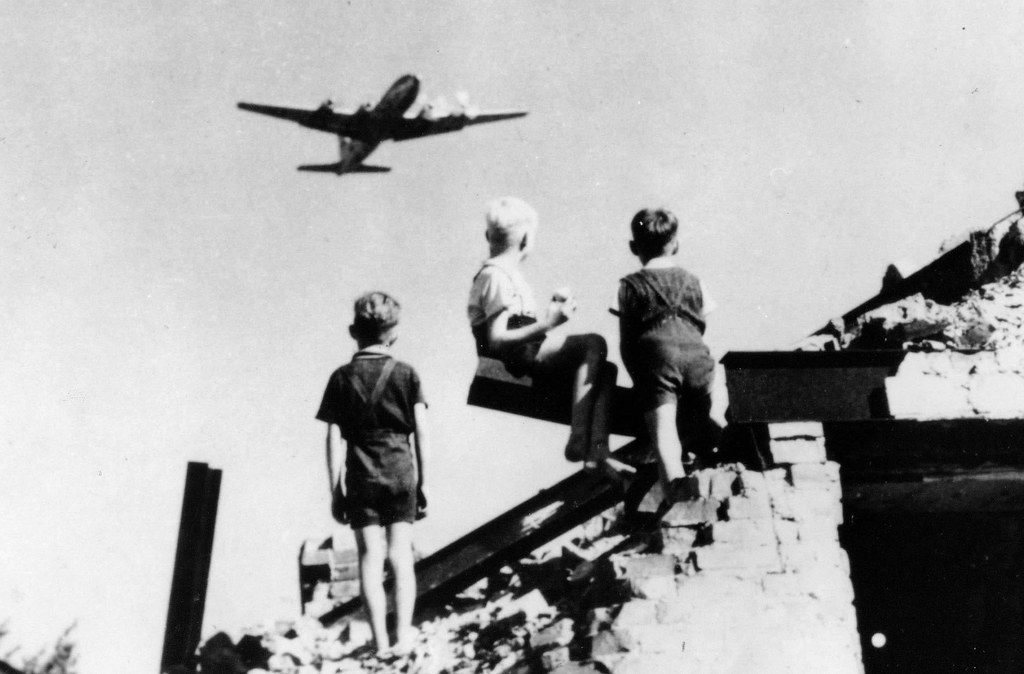
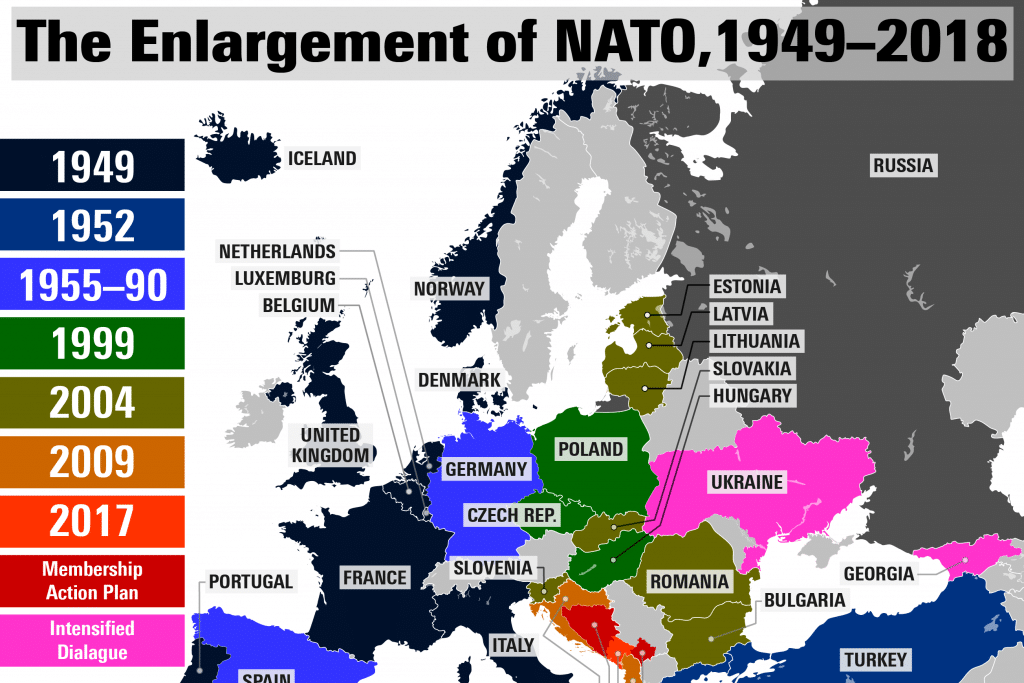
The United States also decided that a unified, democratic, and economically strong Germany was key to reconstructing the European economy after the devastation of World War II. After this war, Germany was divided into four zones, which were occupied by British, French, American, and Soviet forces. Moreover, the German capital, Berlin was likewise divided into four occupation zones even though this city was located within the Soviet occupation zone.The Soviet Union was strongly opposed to unifying Germany. In 1948, Stalin put pressure on the United States to prevent the United States from carrying out its plans for Germany; Soviet forces imposed a blockade on Berlin so that those zones occupied by the Americans, British, and French were cut off from the outside world. Stalin supposed that this act of intimidation would frighten the United States, especially since the Soviet army occupying East Germany was so immense. United States President, Harry Truman, however, ordered the United States air force to deliver food and supplies by air to the people of Berlin inhabiting these zones. When it was clear to Stalin that the United States was not going to buckle under this pressure, Stalin ordered that the blockade be lifted in 1949. In that year, the zones occupied by the French, British, and Americans in West Germany joined together and formed the Federal Republic of Germany with its capital at Bonn. The Soviet Union in response, founded a Communist state, the German Democratic Republic in the Soviet occupied zone in East Germany in 1949 with its capital at East Berlin. The Berlin Blockade demonstrated that Soviet forces occupying East Germany posed a threat to Western Europe. In 1949, therefore, the United States, Canada, and Western European states founded the North Atlantic Treaty Organization (NATO). Under this treaty, these nations agreed that an attack on one member was an attack on all members. The United States provided most of the armed forces for this alliance, and the United States stationed a large force in West Germany to counter the Soviet army in East Germany. In 1955, the Soviet Union organized the satellite states of Eastern Europe, including East Germany, into the Warsaw Pact, as a military alliance to oppose NATO.
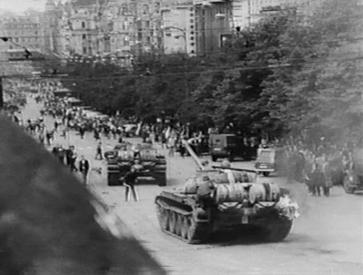
The Marshall Plan forced western European countries such as the traditional rivals, France and Germany, to put aside their cultural differences and work together cooperatively to rebuild their shattered economies. The United States through NATO, provided these states with military security, so that these countries could devote more resources to their economic development rather than maintaining a large military. This economic cooperation resulted in the foundation of the European Economic Community (EEC) in 1957 through the Treaty of Rome. Under this treaty, these countries eliminated custom duties and tariffs among members. The EEC fostered a period of increased trade and economic growth across western Europe through the 1980's, as the number of European member states continued to expand. In Eastern Europe, the Communist regimes installed by the Soviet Union, set up command economies that were modeled after the Soviet Union's economy. This economic system focused on rapid industrialization. The Soviet Union continued to exercise tight control over these countries. In 1956 Soviet forces crushed an uprising in Hungary against Communist rule. In 1968, Soviet forces entered Czechoslovakia when the Communist government with broad public support asserted its independence from the Soviet Union during the "Prague Spring". Through this military intervention, the Soviet Union replaced this government with one that was more obedient to the wishes of the Soviet Union.
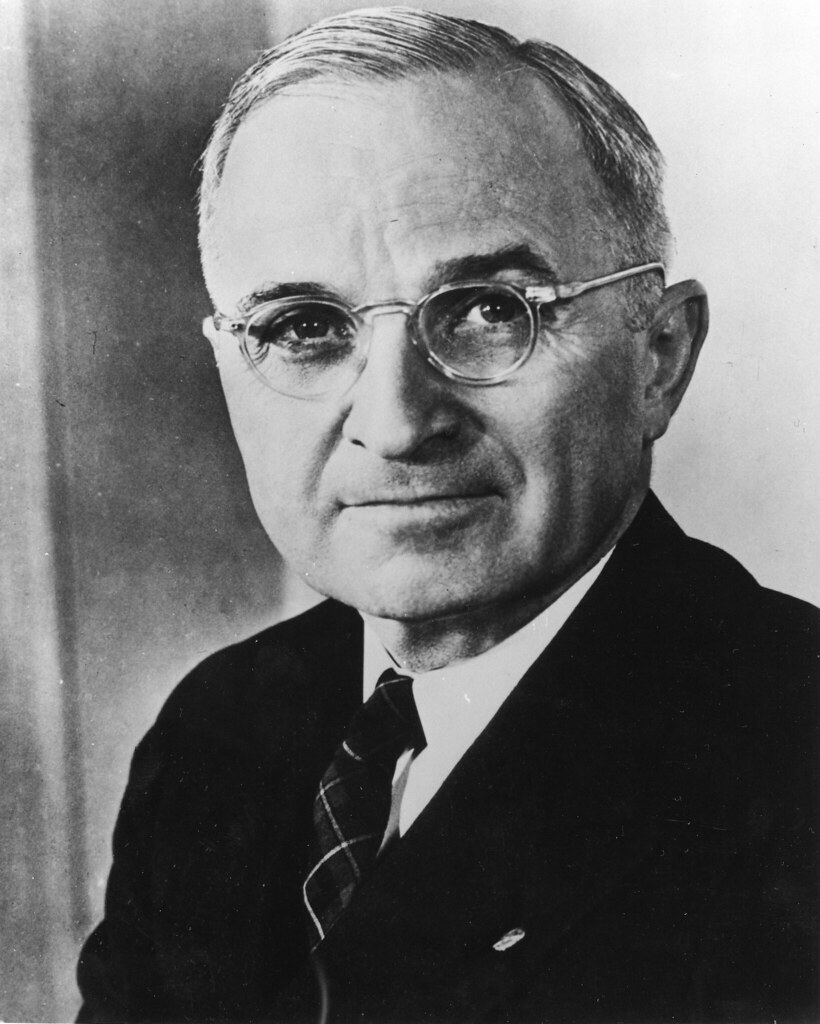
Harry Truman
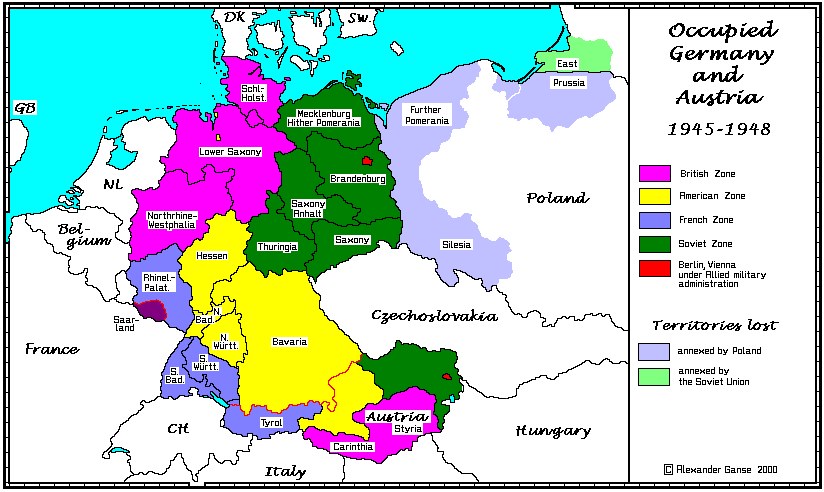
German Occupation Zones
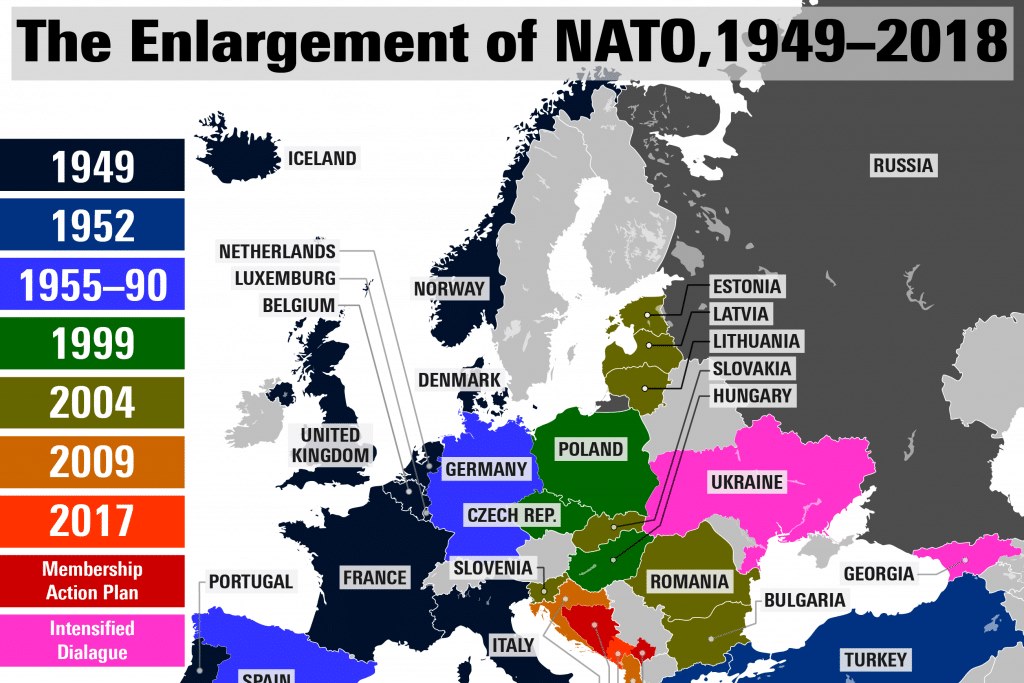
NATO Members
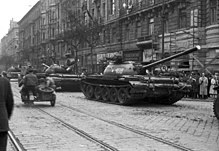
Soviet Forces in Hungary, 1956
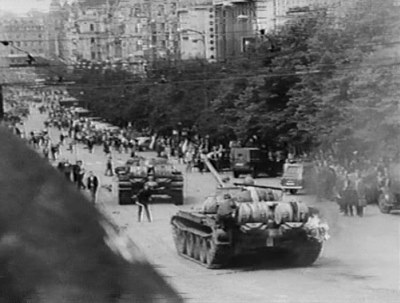
Soviet Forces in Czechoslovakia, 1968
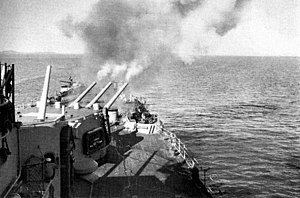
The Cold War quickly expanded to Asia with the victory of the Communists in China in 1949 and the outbreak of the Korean War in 1950. Immediately following the end of World War II in 1945, the Chinese Communists and the Kuomintang (Nationalist) Party resumed their civil war against one another. The Soviet Union provided large amounts of weapons and supplies to the Chinese Communists, whereas the United States delivered only a limited amount of such aid to the Nationalists, as American policymakers had little confidence in the leadership of Chiang Kai-Shek, whose government had a reputation for corruption and incompetence. In 1949, the Communist People's Liberation Army routed the forces of the Kuomintang, which retreated to the island of Taiwan, which had just been liberated from Japanese occupation after World War II. On Taiwan, the Kuomintang established a Chinese Republic in exile. On the Chinese mainland (also henceforth known as "Red China"), Mao Zedong and the Chinese Communist Party founded the People's Republic of China.
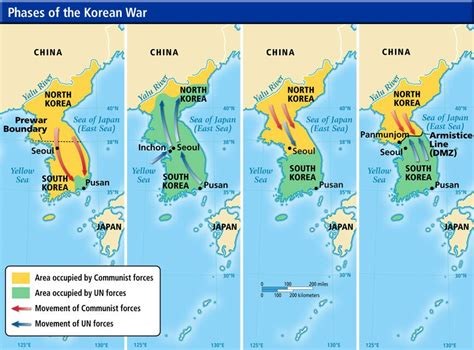
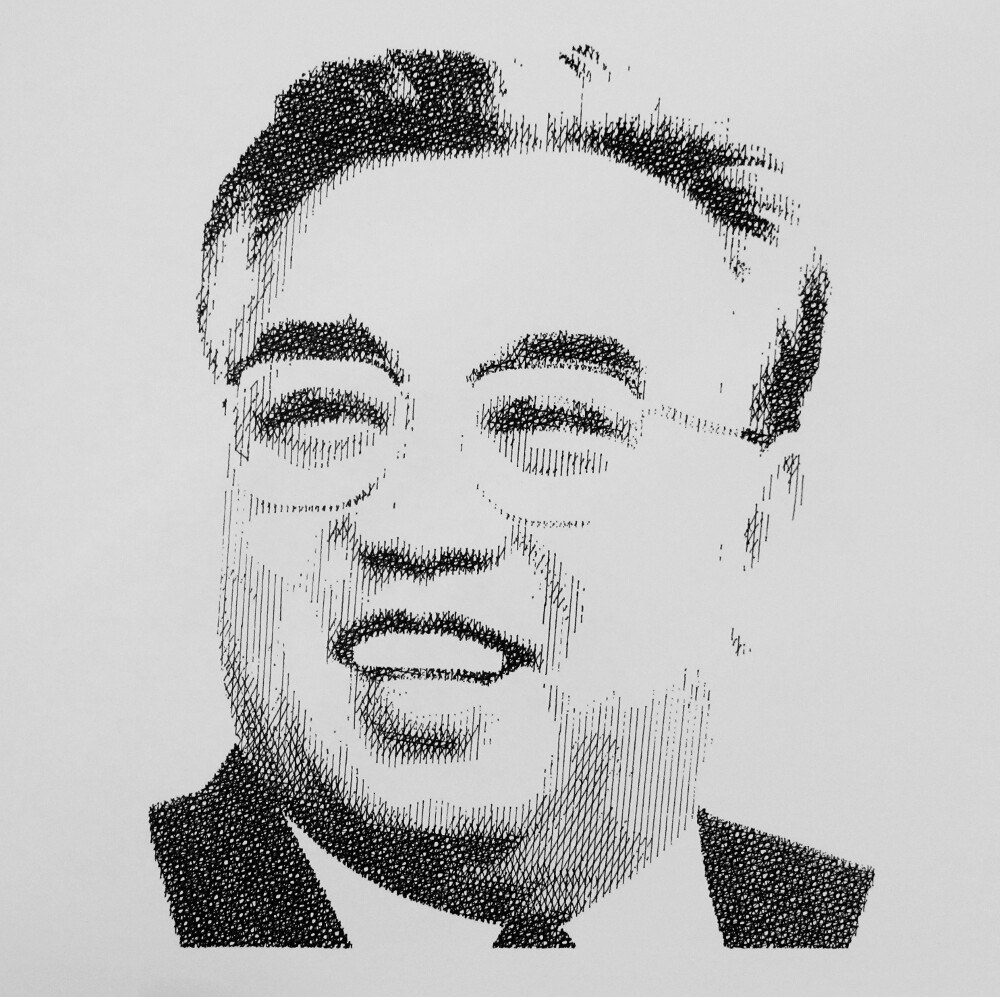
The next year in 1950, Korean Communists attempted to unite Korea under a Communist regime as well. After World War II, Japanese forces withdrew from Korea, which they had occupied since 1905. United States and Soviet forces subsequently occupied Korea and divided it into North and South Korea. In South Korea, the United States in 1948 supported the foundation of the independent Republic of Korea under the leadership of its first president Syngman Rhee (1875-1965), who was a staunch anti-communist and an authoritarian leader. In North Korea, the Soviet Union in 1948 established a Communist state, the Democratic People's Republic of Korea with Kim Il-Sung (1912 - 1994) as its military dictator (the grandfather of the current dictator of North Korea, Kim Jong-Un). In 1950, following the victory of the Chinese Communists, the Soviet leader, Stalin ordered North Korean forces to invade the south and unite the country under a Communist regime. North Korean forces at first easily occupied most of South Korea.
The American President, Harry Truman, however, decided that the United States must contain Communism in both Europe and Asia. Truman successfully urged the Security Council of the United Nations to pass a resolution demanding that North Korea withdraw its forces from South Korea. Afterwards with the support of the United Nations, Truman dispatched US forces to South Korea. The United States was thus engaged technically not in a war, but in a "police action" to enforce this UN resolution. By the fall of 1950, American forces had not only expelled North Korean forces out of South Korea, but had also occupied most of North Korea as well. Stalin therefore ordered Mao Zedong to commit the Chinese People's Liberation Army to this conflict. The influx of Chinese forces into the war caught the US army off guard, resulting in the retreat of American forces back behind the 38th Parallel, which was the border dividing North and South Korea.
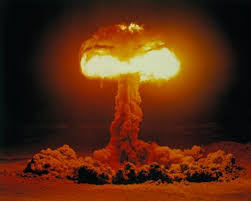
In 1951, the American commanding general Douglas MacArthur urged Truman to order attacks on bases in China which were supplying North Korea with military support, but Truman rejected this advice and committed the United States to a "Limited War" in Korea alone, as he feared that a direct attack on China could lead to war with the Soviet Union, China's powerful ally. In 1949, the Soviet Union first successfully tested an atom bomb. Truman therefore knew that a war between the United States and the Soviet Union, with both sides armed with nuclear weapons, would be far more destructive than even World War II. Between 1951 and 1953, this Korean War degenerated into a military stalemate which was fought along the 38th parallel. The American army possessed superior firepower, and the American air force controlled the skies, but the North Korean and Chinese forces together were much larger in numbers than their opponents. In 1953, the United States agreed to an armistice with North Korea, and recognized a demilitarized zone along the 38th Parallel. In this "limited" war, over 32,000 American soldiers and around 750,000 Korean and Chinese soldiers lost their lives. An estimated three million civilians died as well. North and South Korea still remain separate countries.
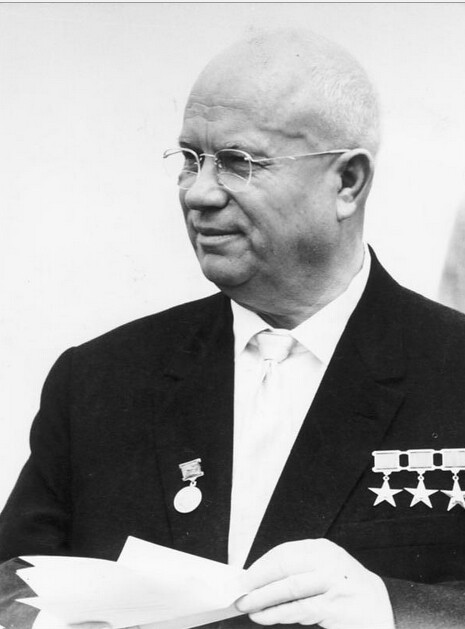
The alliance between the Soviet Union and Communist China did not survive that long after the end of the Korean War. In 1953, Joseph Stalin died, just as he was apparently planning another "purge" of the Communist Party. The new leader of the Soviet Union, Nikita Khrushchev (1894-1971), a native of the Ukraine, in 1956 denounced Stalin' memory, even though Khrushchev had been one of Stalin's close advisers. The denunciation of Stalin did not please Mao Zedong, who now saw China rather than the Soviet Union as the leading Communist state. Previously, the Soviet Union had provided military and economic aid to China along with thousands of Soviet military and economic advisers, since China planned to organize its own economy on the Soviet model. In the late 1950's following Mao Zedong's break with the Soviet Union, China dismissed and sent home these Soviet advisers. In 1958 China initiated its own plan for rapid industrialization, The Great Leap Forward. Under this program, Chinese peasants in their villages were required to establish collective, industrial enterprises under state supervision. Unfortunately, this program disrupted agricultural production and resulted in a massive famine that killed an estimated 45 million people. In the wake of this catastrophe, Mao Zedong conducted his own "purge" of the Communist Party with his "Cultural Revolution" (1966-1968) in an effort to secure his control of the Communist Party. Mao Zedong charged that certain "elitist" and "bourgeois" members of the Communist party were "revisionists" and a threat to the Communist Revolution. He therefore organized millions of Chinese young people into a militia, the Red Guard, who were fanatically loyal to him. The purpose of the Red Guard was to arrest, imprison, and execute these perceived enemies. By 1968, however, the Red Guard had split into rival factions, which were fighting each other. Mao then ordered the People's Liberation Army to suppress and disband the Red Guard. The estimated death toll from the Cultural Revolution ranges from the thousands to as many as 20 million. During the Cultural Revolution, Mao Zedong repeatedly denounced the Soviet Union as "revisionist" and threat to the worldwide Communist Revolution. In 1969 Chinese forces even launched attacks on the Soviet army along the border between the two countries.
Korean War
Kim Il-Sung
Nikita Khrushchev
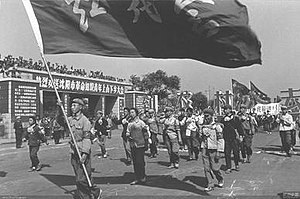
The Red Guard
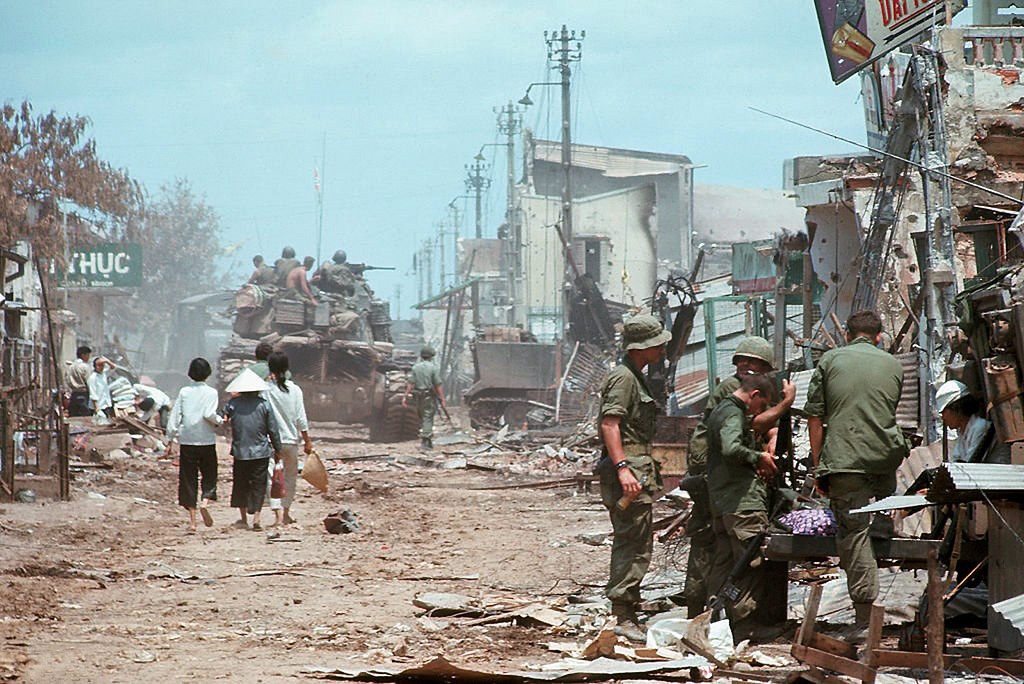
In the 1950's through the 1970's the United States and the Soviet Union competed for influence among the so-called "Third World", countries in Latin America, Asia, and Africa, many of whom had just recently won their independence from European countries. Many leaders of these countries were attracted to the Soviet Union's Marxist-Leninist ideology since they agreed with Lenin's criticism of European imperialism, and they wished to imitate the Soviet Union's rapid industrialization.
In the 1950's one area of Cold War rivalry was the Middle East. In 1925 Reza Shah, a high ranking officer in the Persian army, deposed the last Qajar Shah of Persia and assumed the position of Shah of Iran. Reza Shah hoped to create a westernized and secular state in Iran, following the model of Ataturk over in Turkey. In 1941, British and Soviet forces deposed Reza Shah since he was too pro-German, and installed his son, Mohammed Reza Pahlavi as the constitutional monarch of Iran. In 1951, Mohammed Mosseddegh became prime minister of Iran with the support of the Iranian Communist Party in the Iranian Parliament. The United States feared that the Iranian Communists with Soviet aid could seize control of Iran. Consequently, Mohammed Reza Pahlavi in 1953 overthrew Iran's democratically elected government with the support of the United States and outlawed the Iranian Communist Party. He remained military dictator of Iran until the 1979 Iranian Revolution toppled his regime.
In Egypt, Arab nationalists were outraged by the 1948 foundation of the nation of Israel and the resulting expulsion of thousands of Arab Palestinians from this region. Arab nationalists were often anti-American due to the support that Israel received from the United States (Many Jews had immigrated to Israel from the United States.). In 1952, a officer in the Egyptian army, Gamal Abdel Nasser (1918-1970), led a military coup that overthrew the pro-American king Farouk (r. 1936-1952) and established Egypt as a republic. Nasser soon became president and military dictator in Egypt. In 1956, Egypt "nationalized" the strategic Suez Canal and seized the assets of the Anglo-French company that had operated the canal. This action led to the Suez Crisis. British, French, and Israeli forces then invaded Egypt and reclaimed the Suez Canal. The United States government was surprised by this action and demanded that these forces withdraw since the United States didn't want to alienate Arab nations any further. The Soviet Union, however, was more vocal in denouncing America's allies, France, the United Kingdom, and Israel. Consequently, Nasser's government soon welcomed Soviet military and economic aid. Other Arab nations followed Egypt's example. In 1956 the Republic of Syria, which had gained independence from France in 1946, also began accepting Soviet military aid. Between 1958 and 1961, Egypt and Syria even briefly united to form the United Arab Republic under Nasser's leadership. Iraq in 1958 also became an Arab republic when the Iraqi military overthrew the pro-American and Hashemite king Faisal II (r. 1939-1958), who was executed during this military coup. In 1967, Egypt, Syria, and Jordan joined forces and invaded Israel in the Six Day War. Israeli forces quickly repulsed these attacks and occupied territory formally claimed by Jordan along the West Bank of the Jordan River. In 1973, Egypt, now under the leadership of Anwar Sadat following the death of Nasser in 1970, launched yet another invasion of Israel along with Syria in the Yom Kippur War. Israeli forces again quickly drove back this invasion and occupied Egypt's Sinai Peninsula. With the collapse of the Egyptian army under Israeli assaults, the Soviet Union threatened to launch a nuclear attack on the Unites States if the United States didn't demand that Israel cease hostilities against Egypt, an ally of the Soviet Union. Even though the Soviet Union had stood by Egypt and brought about an end to this disastrous war, Anwar Sadat and Egypt in 1978 decided to switch sides and become allies with the United States. Under the 1978 Camp David Accords, mediated by the American president, Jimmy Carter, Egypt formally recognized the existence of the state of Israel in return for Israel's withdrawal from the Sinai Peninsula. Through this agreement, Egypt began receiving military and economic assistance from the United States instead of the Soviet Union.
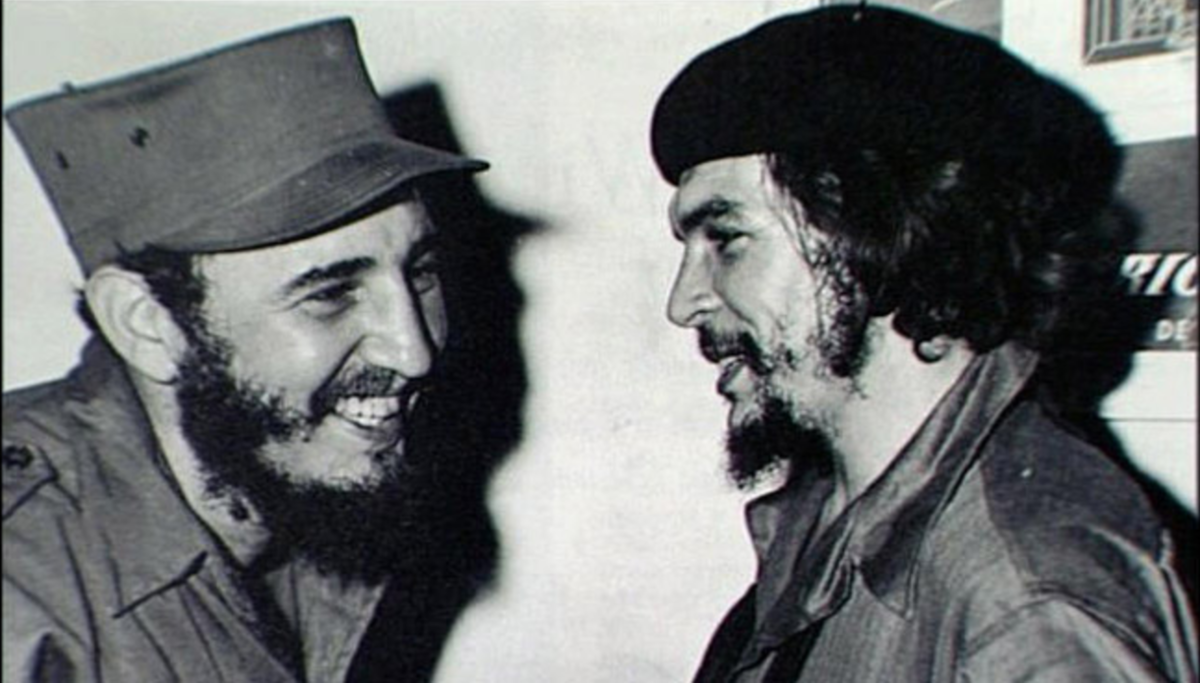
Another area of Cold War tension was Latin America. In 1951 in Guatemala in Central America, Jacobo Arbenz Guzman was elected the country's president and began a program to break up large estates and distribute these lands to landless agricultural laborers. Guzman's administration included a number of Communists, so in 1954, the United States government supported a military coup that overthrew Guzman's government. In 1960, Communists rebels in Guatemala began a war against this US backed military dictatorship that lasted 36 years and killed over 200,000 people. In 1959 on the Caribbean island of Cuba, Fidel Castro, led a successful armed rebellion against the Cuban dictator Fulgencio Batista. Afterwards, Castro, the new dictator, announced that he was a Marxist-Leninist, and Cuba and the Soviet Union became military allies. In 1962, the United States determined that the Soviet Union was constructing missile silos on Cuba. In the 1950's both the Soviet Union and the United States had developed the technology necessary to mount nuclear warheads onto missiles. The United States feared that the placement of missiles on Cuba would allow the Soviet Union to mount nuclear strikes on American cities along the East Coast before the United States could fire its own missiles against the Soviet Union. The American President, John F. Kennedy, therefore placed a naval blockade around Cuba to prevent the delivery of missiles from the Soviet Union .(We now know that the missiles were already there.). Many feared this Cuban Missile Crisis might lead to a nuclear war between the two Superpowers if the United States navy intercepted a Soviet ship. However, the Soviet leader, Khrushchev ended the crisis when he agreed not to place missiles in Cuba on the condition that the United States not invade Cuba. Castro later expressed regret that the Soviet Union had not destroyed the United States in a nuclear war. The Communist Party in the Soviet Union was also not happy with Khrushchev's handling of this affair, and the party forced him to retire from politics in 1964. Castro with Soviet military aid subsequently trained Cuban soldiers to fight for Communist revolutions in Latin America and Africa. In 1967 Castro's own right hand man, Che Guevara, was captured and executed while leading a Communist insurgency in the South American country of Bolivia.
In the decades following World War II, the former European colonies in Africa won their independence, and the Soviet Union and the United States competed with one another to win support among these new nations. In 1960 the Republic of Congo won its independence from Belgium. However, when its newly elected prime minister, Patrice Lumumba, sought military aid from the Soviet Union, the United States supported a military coup in Congo in 1961 to overthrow his government, and Lumumba was assassinated. The leader of this coup, Joseph-Desire Mobutu, afterwards in 1965 became military dictator over the country. In 1965, Che Guevara arrived with Cuban troops to wage a Marxist rebellion against Mobutu's government. In 1974, the Estado Novo, which had ruled Portugal since 1933, fell victim to a military coup.Consequently, the new government in Portugal in 1975 recognized the independence of the Portuguese colony of Angola in Africa and withdrew its forces from the country. In Angola, the Popular Front for the Liberation of Angola (MPLA) quickly seized power in the country with military support from the Soviet Union and Cuban troops and declared the foundation of the Angolan People's Democratic Republic. A rival Angolan party, the National Union for the Total Independence of Angola (UNITA), however, received military assistance from the United States, and the MPLA and the UNITA forces waged a civil war in Angola through the 1980's.
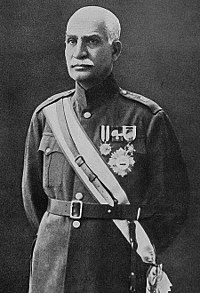
Reza Shah
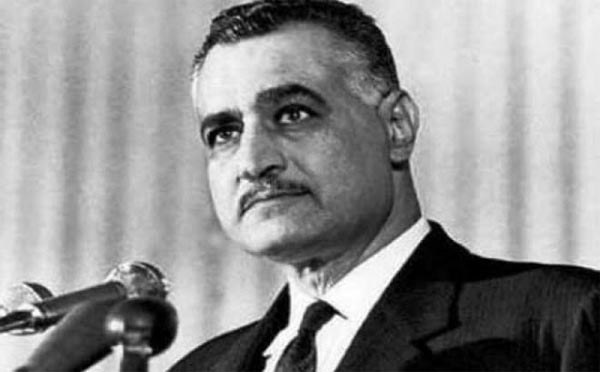
Gamal Abdel Nasser
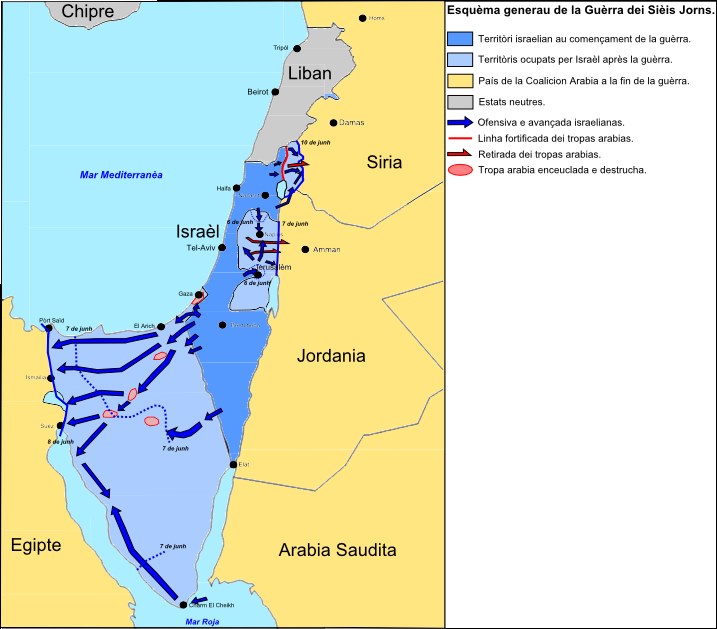
1967 Six Day War
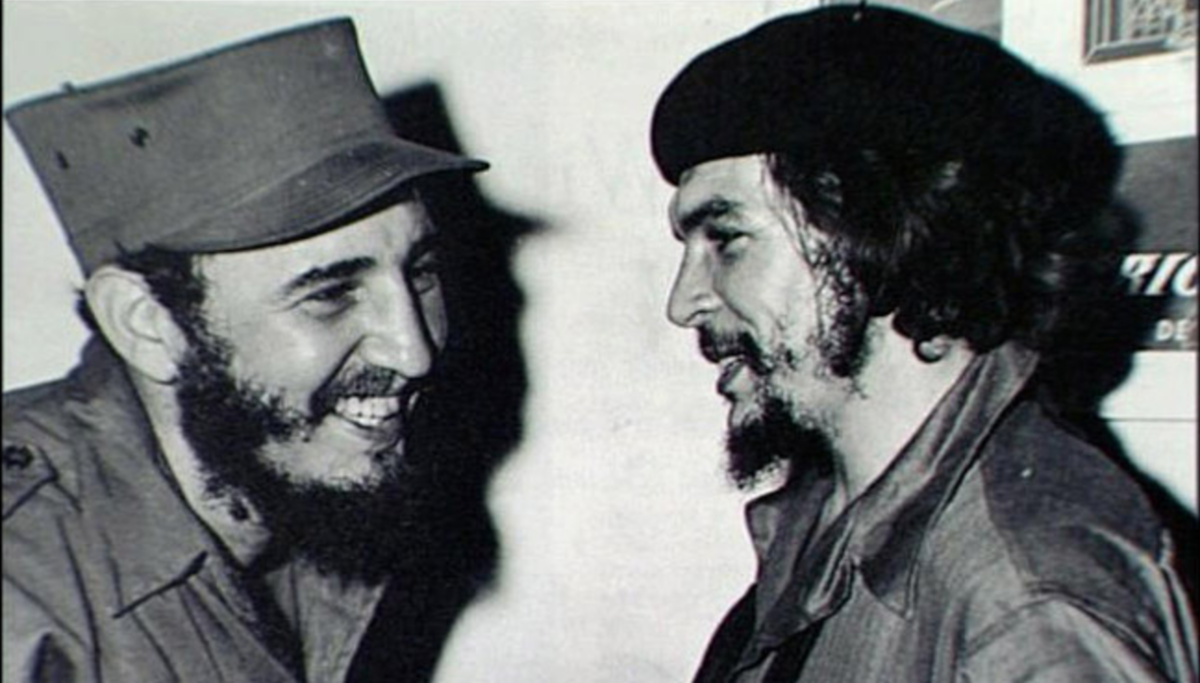
Fidel Castro and Che Guevera
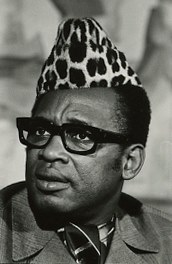
Joseph-Desire Mobutu
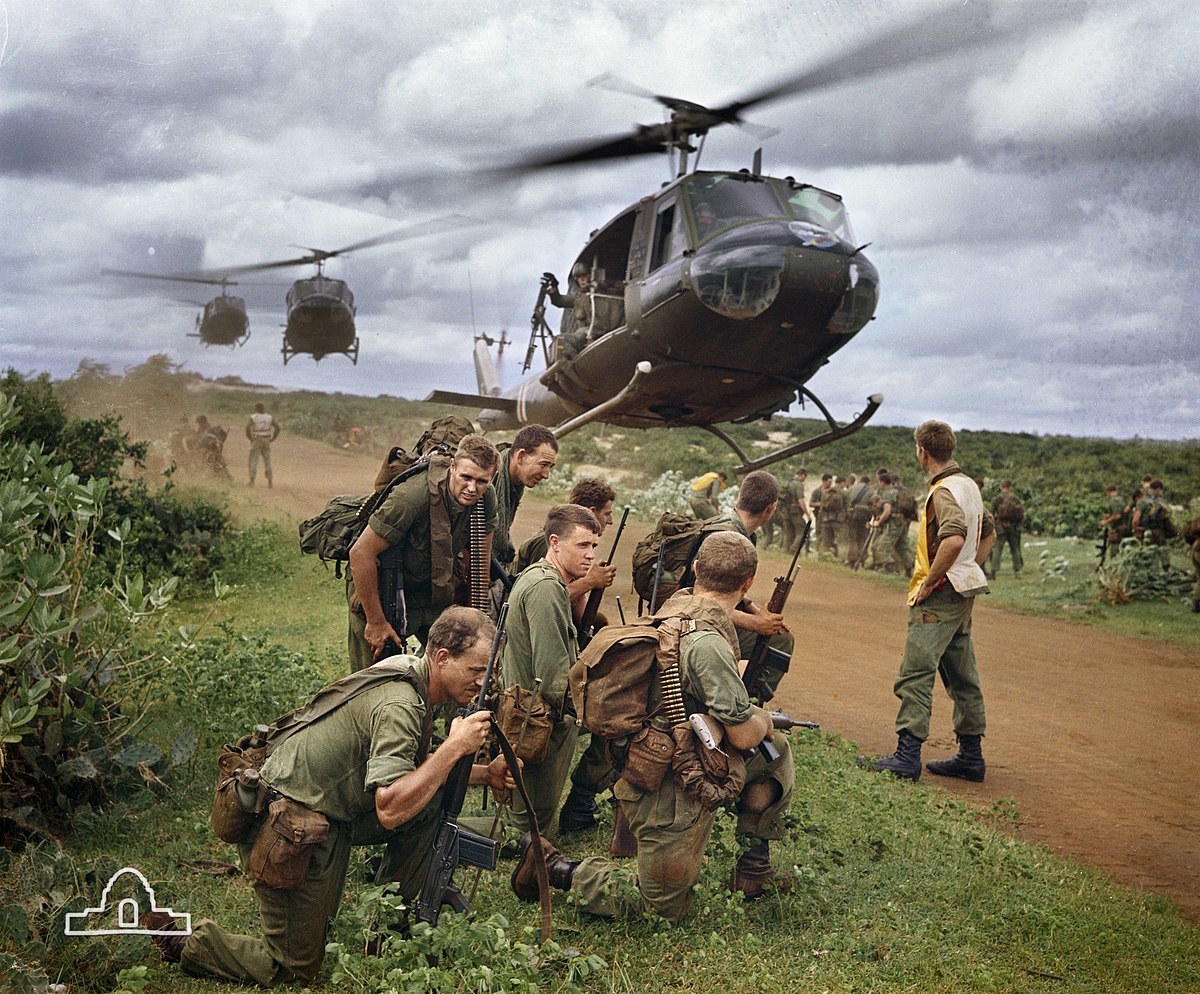
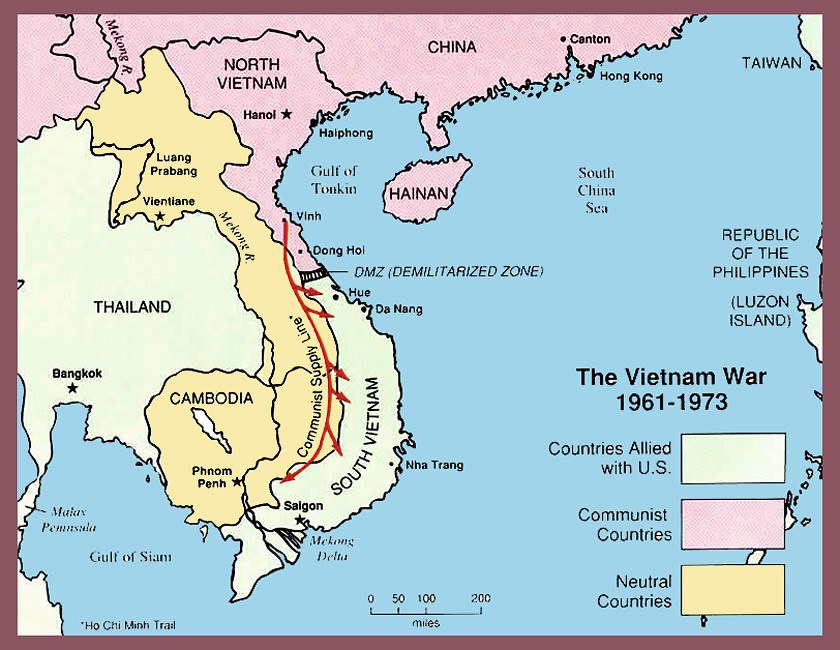
Cold War rivalry in the Third World was the most intense in Southeast Asia in the former French colony of Indo-China. At the end of World War II, the Vietnamese Communist leader, Ho Chi Minh, declared Vietnam to be independent from France after his Communist insurgents had waged a guerrilla war against Japanese occupation forces. The French government, however, was not willing to let go of its colony, and French forces fought against the Vietnamese Communists until 1954 when the French army suffered a devastating defeat at the Battle of Dien Bien Phu. In 1954, at a peace conference in Geneva, France recognized the independence of Laos and Cambodia. Under these Geneva Accords, South Vietnam became a non-Communist state under the government of the Vietnamese emperor, Bao Dai, while the Communist regime of Ho Chi Minh controlled North Vietnam. In 1955, the United States, in its efforts to contain Communism under the Truman Doctrine, provided military and economic assistance to South Vietnam, which became a republic after Ngo Dinh Diem and the South Vietnamese army overthrew the emperor in a military coup.
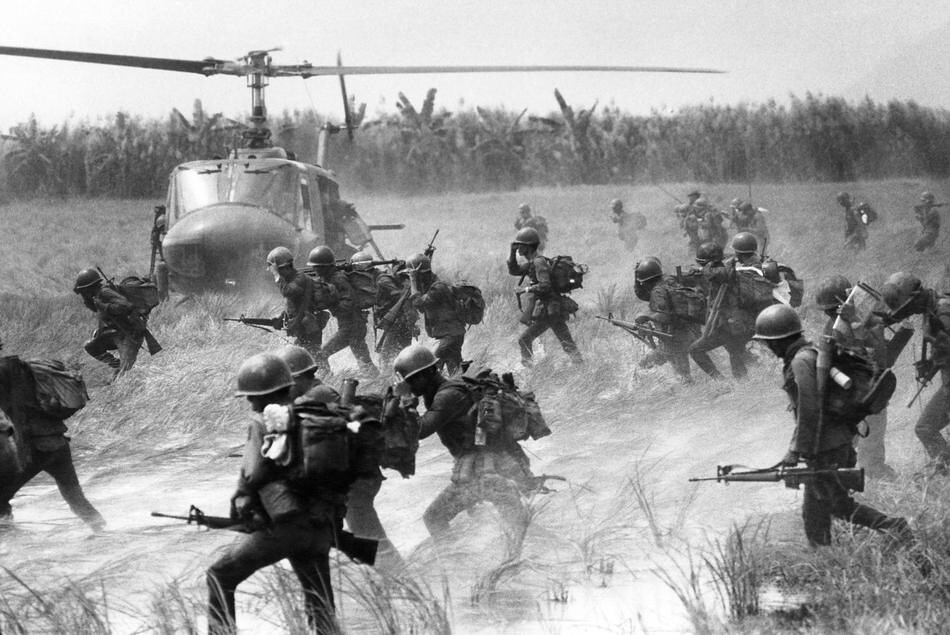
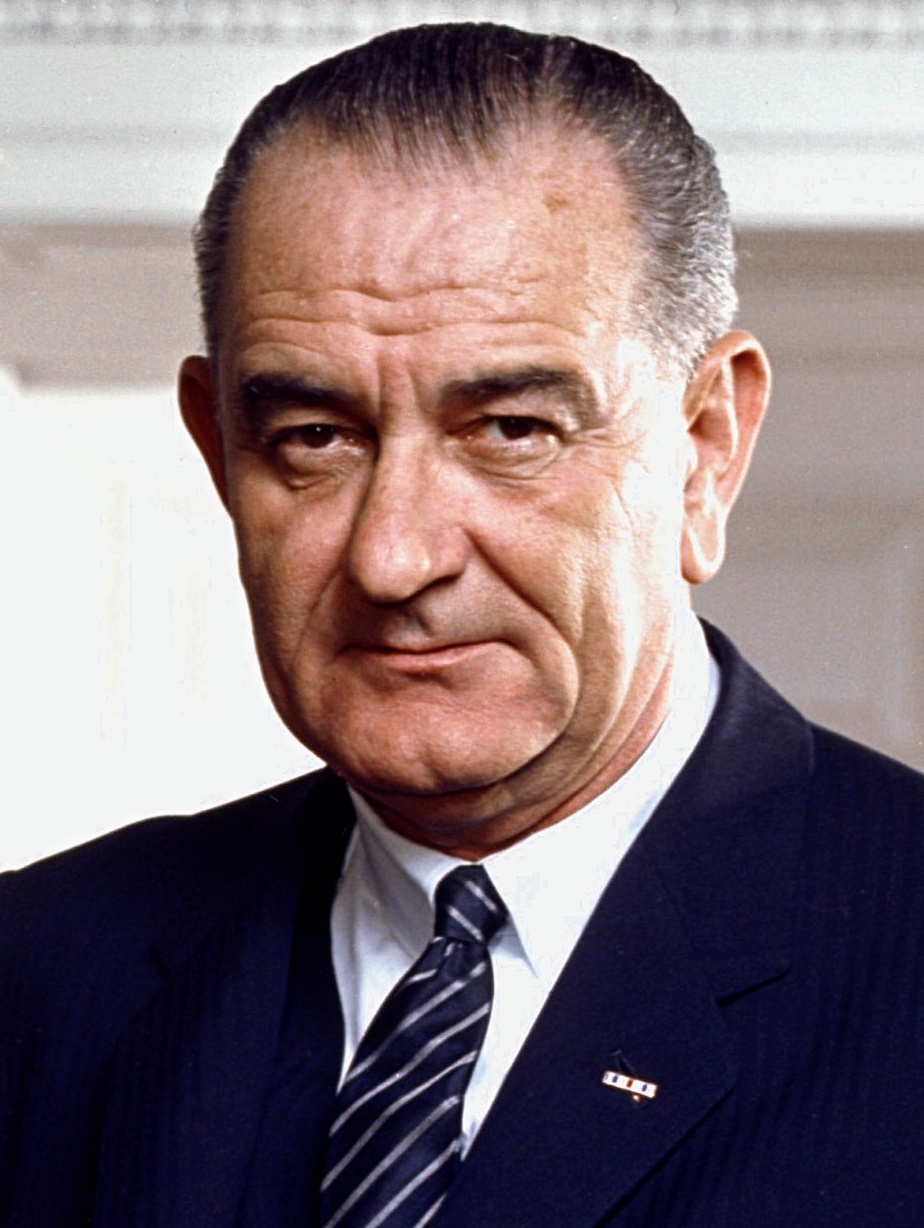
Within South Vietnam in the late 1950's, the North Vietnamese government with military assistance from both the Soviet Union and China, sponsored the Viet Cong, a military organization which waged a brutal guerrilla campaign against the South Vietnamese government. The American president, John F. Kennedy, in the early 1960's vastly increased military aid to South Vietnam and dispatched thousands of American military personnel to Vietnam to advise the South Vietnamese army. In 1964, North Vietnamese naval forces reportedly clashed with the United States navy in the Tonkin Gulf. Consequently, the US Congress authorized president Lyndon Johnson, to send troops to Vietnam to protect American military personnel stationed within South Vietnam. Between 1965 and 1968, US involvement in this conflict escalated, as Johnson increased the number of US troops in South Vietnam to 500,000, who were now fighting along side the South Vietnamese army against the Viet Cong guerrillas. Like the earlier Korean War, this conflict was a "limited war" since the United States didn't launch a direct invasion of North Korea, as it was a Soviet ally. US forces did heavily bomb North Vietnam and dropped more bombs on this country than had been dropped on Germany during World War II. In 1968, however, the resilient Viet Cong launched the Tet Offensive, and Viet Cong forces even briefly occupied the United States embassy in Saigon, the South Vietnamese capital. Even though US forces eventually crushed the Tet Offensive and the Viet Cong suffered heavy casualties, the American public became dissatisfied with Johnson's handling of the war in Vietnam.
After 1968, the new American president Richard Nixon promised the American people that the US would withdraw from Vietnam "with honor". To achieve this goal, Nixon increased efforts to train and arm the South Vietnam military, so that US forces could be withdrawn gradually as the South Vietnamese army grew stronger, a process the Nixon referred to as the "Vietnamization" of this war. Nixon also employed diplomacy to convince the Soviet Union and China to urge their ally, North Vietnam, to end the war. Nixon's efforts to ease tensions with the Communists through diplomacy became known as Detente. In 1972, Nixon became the first American president to visit Communist China. Due to these talks, the United States began the process of recognizing Communist China as the official government of China instead of the Republic of China on Taiwan (In 1979 the United States completed this process, but still promised to defend the independence of Taiwan, even though Communist China viewed Taiwan as a break away Chinese province.). Nixon's talks with China worried the Soviet Union, which had fought a brief border war with China in 1969. In 1972, the Soviet Union thus agreed to hold negotiations with the United States. The Soviet leader, Leonid Brezhnev, was also anxious to end an expensive nuclear arms race with the United States, as the two Superpowers had been stockpiling these weapons. The two sides agreed to hold Strategic Arms Limitation Talks (SALT), and the Soviet Union also agreed to pressure the North Vietnamese into accepting an armistice. In 1973, the North Vietnamese government in peace talks in Paris agreed to an armistice, and the US pulled its remaining troops out of South Vietnam. The peace agreement, however, didn't require the Viet Cong in South Vietnam to disarm or disband, but Nixon assured the South Vietnamese government that the United States would defend South Vietnam if North Vietnam renewed its attacks. In 1975, North Vietnam did invade South Vietnam, but the United States Congress refused to approve President Gerald Ford's urgent request to send American forces to assist South Vietnam. Consequently, North Vietnamese forces, who were receiving Soviet military aid, quickly occupied South Vietnam, resulting in the collapse of the South Vietnamese republic. Over 58,000 American soldiers had lost their lives to defend this republic from Communist aggression. This war also cost the lives of an estimated two million Vietnamese civilians and nearly 1.5 million Vietnamese soldiers.
Following the victory of North Vietnam in 1975, Communist forces also won control in Laos and Cambodia. In Cambodia the victorious Communist Khmer Rouge guerrillas, in imitation of Mao Zedong's Great Leap Forward, forced the inhabitants of Cambodia's cities into the countryside to create peasant collectives and began a campaign of mass murder to eliminate political opponents. Between 1975 and 1979 an estimated two million Cambodians perished due to famine and these mass executions. In 1979, Communist Vietnam with Soviet aid invaded and overthrew the Khmer Rouge regime, which had been receiving military support from China.
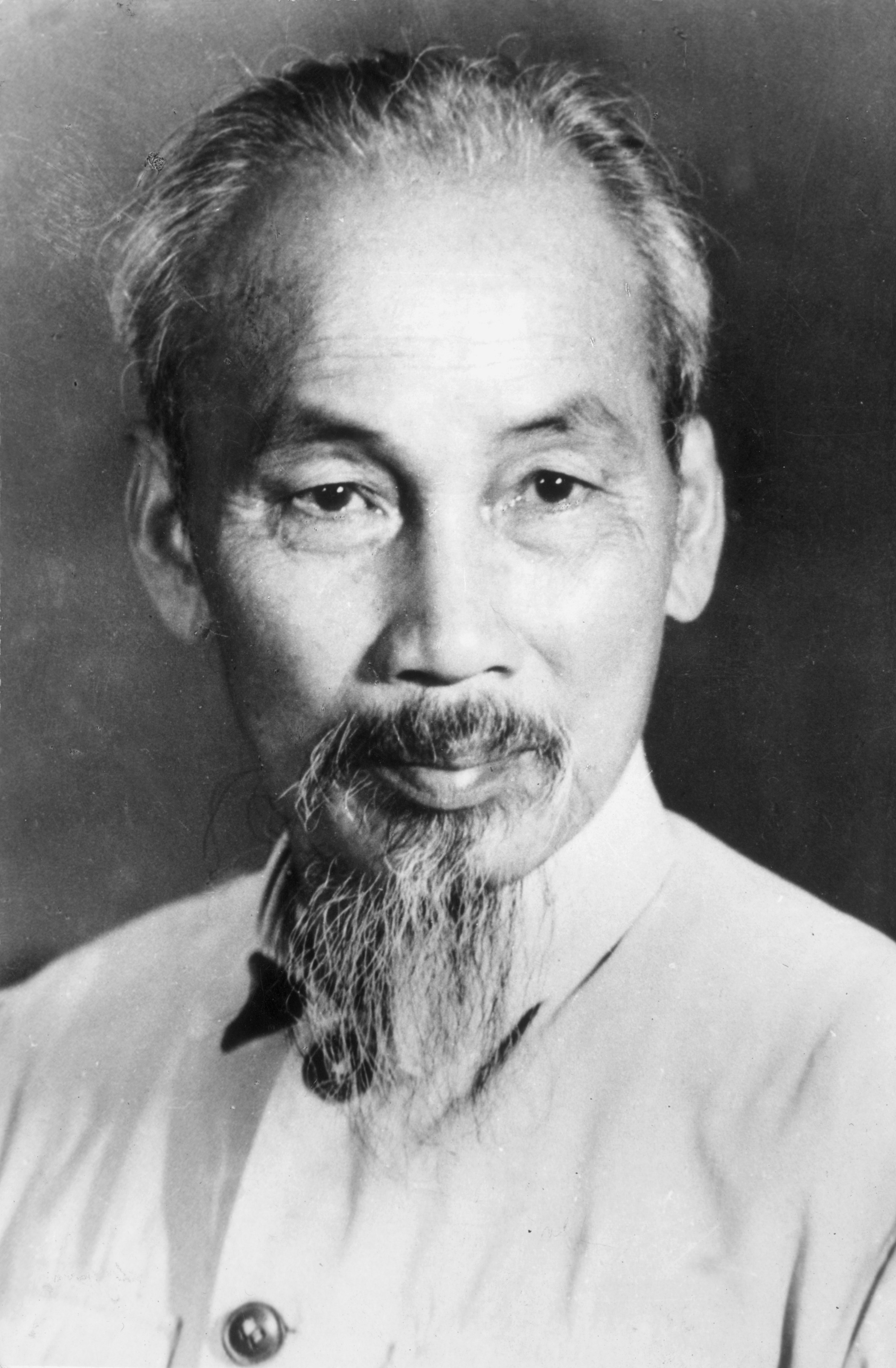
Ho Chi Minh
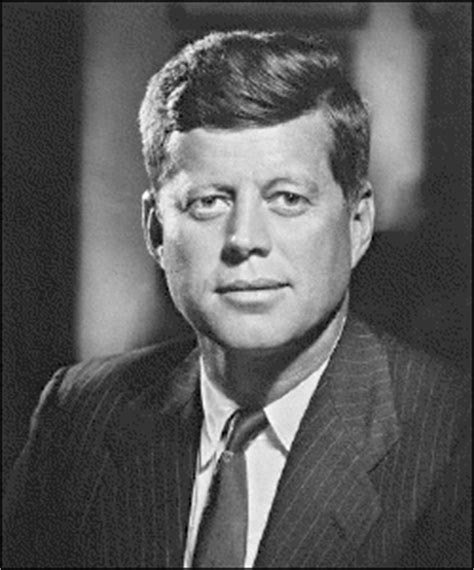
John F. Kennedy
Richard Nixon
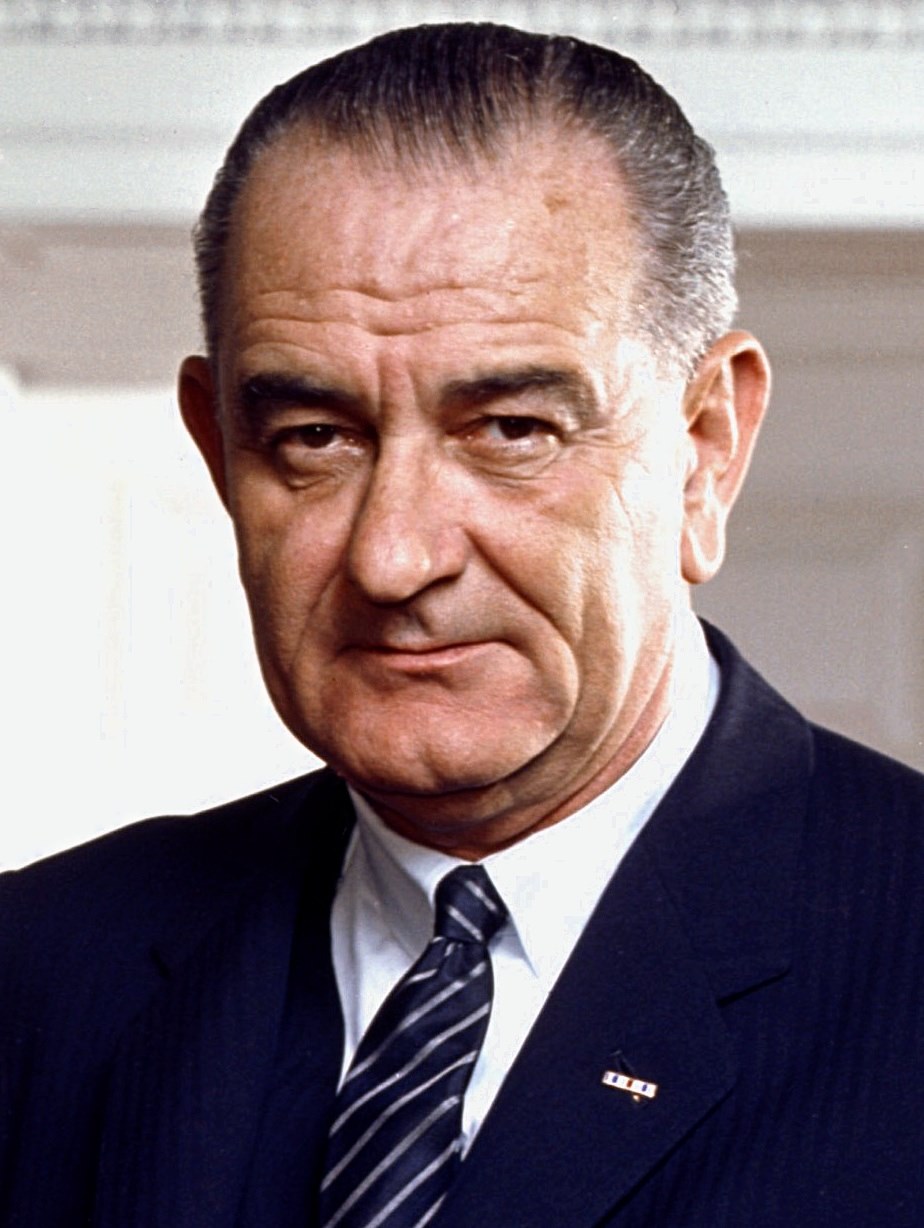
Lyndon Johnson
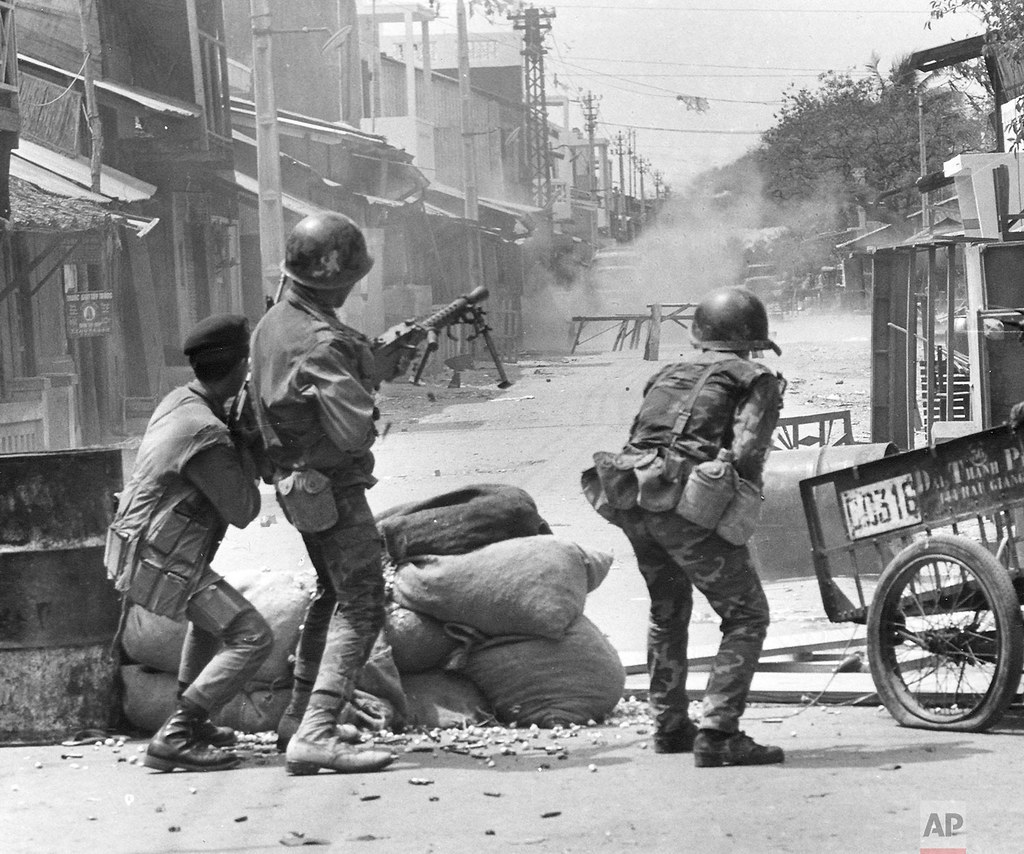
US Forces during the Tet Offensive
By the 1970's and 1980's, the command economies in place in the Soviet Union and Eastern Europe were stagnant with little or no economic growth. Standards of living in this Communist "Eastern Bloc" were significantly lower than in Capitalist Western Europe and the United States. Moreover, the Soviet Union' military was very overextended. In Africa, the nations of Ethiopia, Somalia, and Angola were Marxist-Leninist dictatorships that were dependent on Soviet military and economic aid. In Latin America the Soviet Union provided Cuba with military and economic assistance. In 1979, Communist rebels, the Sandanistas overthrew the US backed dictator, Anastasio Somoza, in Nicaragua with Cuban aid. This Communist Sandanista regime in turn supported Communist rebels in neighboring El Salvador, the Farabundo Marti National Liberation Front (FMLN). In Afghanistan in 1978, Communists seized power and founded the Democratic Republic of Afghanistan. When devout Muslims began a rebellion against this atheist regime, the Soviet Union in 1979 sent troops to Afghanistan to support this Communist government. Through the 1980's the Soviet Union committed over 100,000 troops in Afghanistan to fight against Muslim guerrillas.
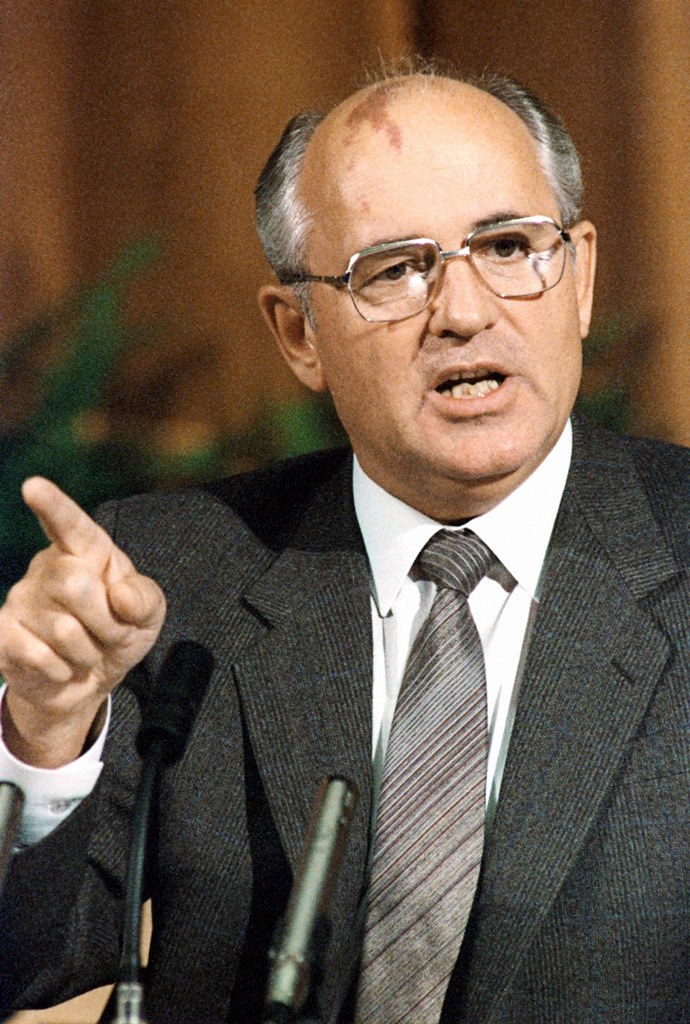
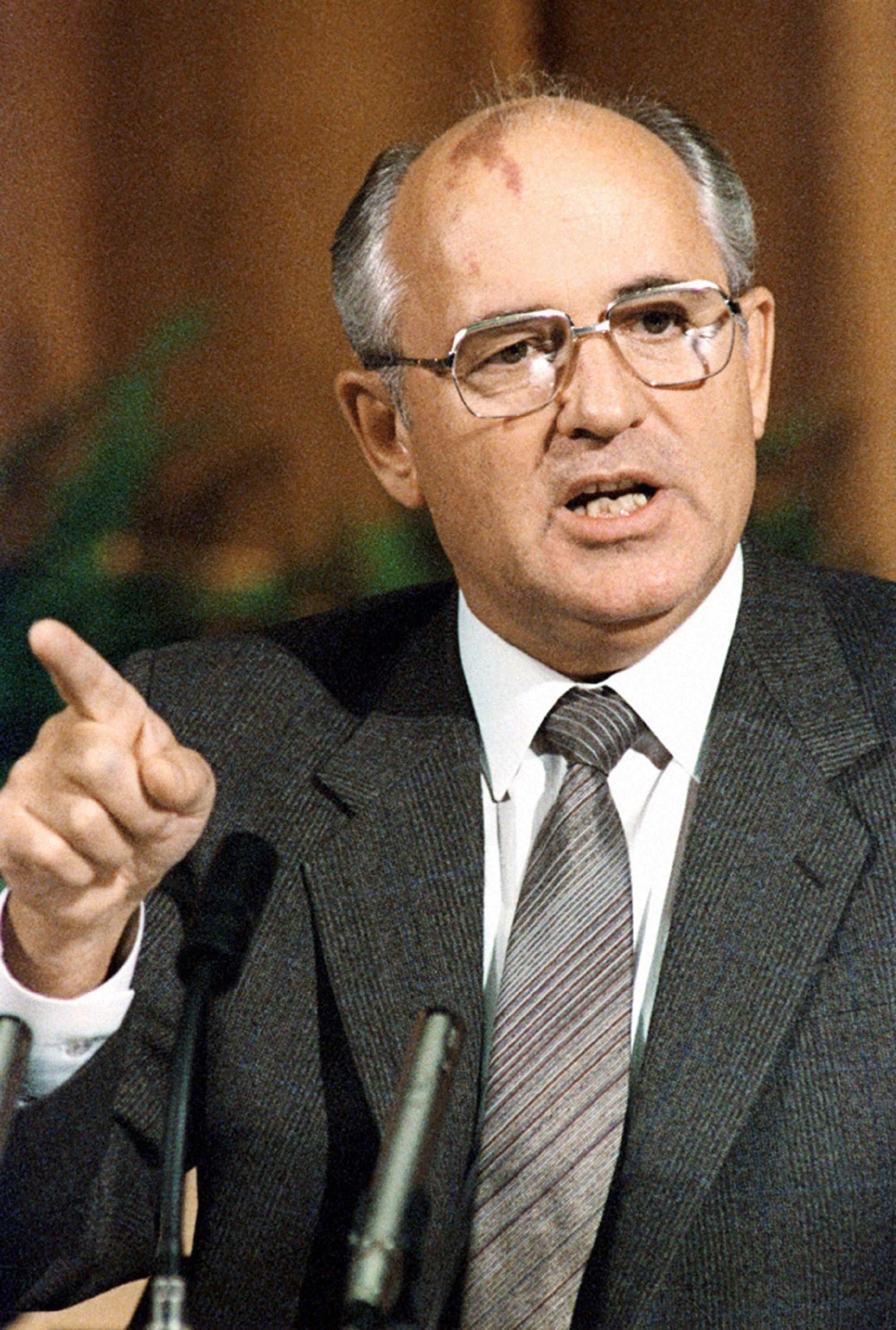
Following the death of Leonid Brezhnev in 1982, Mikhail Gorbachev emerged as the new Soviet leader in 1985. Gorbachev hoped to stimulate the Soviet economy by introducing elements of a Capitalist market economy into the Soviet economic system. Gorbachev referred to this reform program as Perestroika ("restructuring"). Gorbachev initiated a program very similar to one recently began in Communist China. After the death of Mao Zedong in 1976, the new leader of the Communist Party in China, Deng Xiaoping, in 1979 introduced market reforms to the Chinese economy and allowed American and European companies to operate in China and to build factories. In the Soviet Union, Gorbachev also initiated the policy of Glasnost ("Openness"), which loosened government censorship and allowed Soviet citizens to exchange views more openly without fear of punishment. Gorbachev hoped that this policy would promote more efficiency and innovation in the stagnant Soviet economy. Gorbachev's primary motivation for these sweeping reforms apparently was his desire to improve standards of living within the Soviet Union. However, he also hoped that a strong economy would enable the Soviet Union to maintain military parity with the United States. In the 1980's the American president, Ronald Reagan, was committed to improving and enlarging the US nuclear arsenal as well as its conventional armed forces. The United States at this time was also supporting Muslim guerrillas in Afghanistan as well as right-wing Contras in Nicaragua waging war against pro-Soviet Communist regime. To pay for this expansion of the military, the United States government went heavily into debt. Gorbachev was especially concerned with Reagan's military plan - the Strategic Defense Initiative (SDI) - to construct a complex missile defense system using orbiting satellites in space (Reagan's American critics referred to the plan as "Star Wars", a reference to the popular science fiction movie.).Gorbachev feared that the Soviet Union without economic reforms would not be able to match the United States militarily.
Gorbachev's reforms didn't succeed in reinvigorating the economy of Soviet Union, but they did result in the collapse of unpopular Communist regimes in Eastern Europe and the fall of the Soviet Union. The policy of Glasnost enabled the citizens of these countries to voice their complaints about the corruption and incompetence of the Communist Parties. In 1989 mass protests in Poland, Czechoslovakia, Hungary, Romania, Bulgaria, and East Germany resulted in the overthrow of the these countries' Communist governments. Gorbachev rejected requests from these governments to send Soviet troops to crush these uprisings. In 1990, East and West Germany reunited under a democratic, Liberal government. By 1991, the Soviet Union was falling to pieces, as the different Soviet republics were demanding independence. Senior Communist Party leaders, hoping to hold the country together, arrested Gorbachev in a military coup in 1991. The recently elected president of Russia, Boris Yeltsin, however, organized massive street protests in Moscow against this military coup. Without any apparent public support, the unpopular leaders of this coup resigned from government. In December, 1991 the leaders of the Soviet Union convened and agreed to dissolve the Soviet Union, whose territory now consisted of a collection of independent republics. Russia, the largest of these republics, retained control of the vast nuclear arsenal of the former Soviet Union.
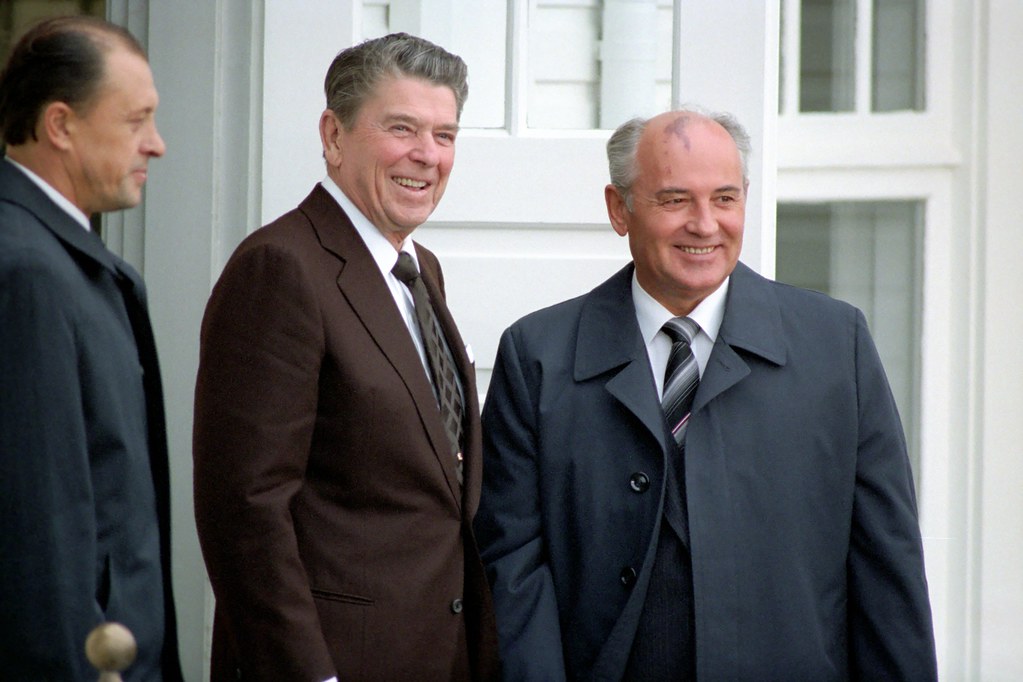
Ronald Reagan and Mikhail Gorbachev
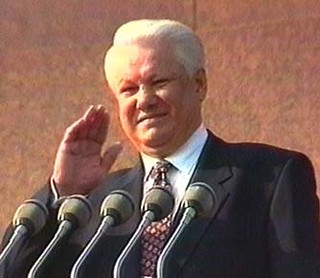
Boris Yeltsin
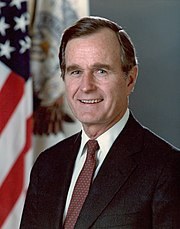
Following the collapse of the Soviet Union and the end of the Cold War in 1991, Marxist- Leninist dictatorships fell around the world, except in Cuba and North Korea. Communist states such as China and Vietnam in practice rejected this ideology and embraced a market economy and Capitalism, while remaining one-party military dictatorships.The American President, George H. W. Bush, proclaimed the birth of a "new world order" which promoted world peace and prosperity under the leadership of the remaining lone Superpower, the United States. Since the end of the Cold War, the United States has sent its forces overseas to maintain peace and economic stability across the world. In 1990-1991 in the Gulf War, the United States organized a large military coalition to drive Iraqi forces out of the nation of Kuwait after the Iraqi dictator, Saddam Hussein, had sent his troops to annex this country. The United States and its allies viewed this Iraqi occupation as an economic threat to the steady flow of oil from Persian Gulf countries, such as Kuwait. The United States and its allies also intervened militarily to bring peace to the former country of Yugoslavia. After World War II, the popular Communist dictator, Josip Tito, held together this fragile country, a patch quilt of ethnic groups, until his death in 1980. Tito had led the resistance to Nazi occupation during World War II, which expelled the German armies from Yugoslavia without Soviet military aid. As dictator, Tito therefore never took orders from the Soviet Union. After his death, the various ethnic groups of Yugoslavia each desired to be independent. In 1991-1992 Croatia, Slovenia, and Bosnia-Herzegovina, all declared their independence from Serb dominated Yugoslavia. In Bosnia -Herzegovina, Croats, Serbs, and Bosnian Muslims waged war against each other. In 1994 Serbian soldiers massacred thousands of Bosnian Muslims at Sarajevo. This massacre prompted the United States and NATO to intervene. After Serb forces in Bosnia were subjected to US airstrikes, the warring sides agreed to come together under US mediation and negotiated a power sharing arrangement in Bosnia-Herzegovina with the Dayton Peace Accords in 1995. In 1999, US and NATO forces launched air strikes on Serbia after the Serbs were accused of massacring ethnic Albanians in the Serbian province of Kosovo. Consequently, the Serbs pulled out their troops from this region, which became another independent country. Shortly thereafter Yugoslavia ceased to exist when the only two regions left, Serbia and Montenegro in 2002 agreed to dissolve the country and form a loose confederation (Montenegro voted to leave this confederation in 2006.).
The United States suffered a loss in its credibility as a world leader and sole Superpower due to military operations in Afghanistan and Iraq. After terrorist attacks by Muslim extremists on New York City and Washington DC in 2001, the United States launched an invasion of Afghanistan, whose Islamic government, the Taliban, had harbored the Al Qaeda terrorists responsible for these attacks. The Taliban had seized control of Afghanistan following the 1987 withdrawal of Soviet troops from that country. In 2003, the United States launched an invasion of Iraq to overthrow the dictator Saddam Hussein, who was accused of harboring terrorists and stockpiling chemical and biological weapons. Both of these two invasions succeeded initially in overthrowing opposing governments, but the occupation of these countries by US forces proved difficult to maintain, since many of the inhabitants of these countries dislike and distrust the US government. The United States withdrew its remaining troops out of Afghanistan in 2022 and the Taliban returned to power. The United States withdrew its forces from Iraq in 2009, but dispatched forces again to Iraq in 2014 in response to Muslim extremists' gains in northern Iraq and neighboring Syria.
The former Soviet Union and Communist East European countries have had diverse experiences following the end of the Cold War. In 1993 the European Common Market countries signed the Treaty of Maastricht and formed the European Union (EU). These countries all agreed to integrate their economies closely and share a common currency (the Euro). In the 1990's many former Communist countries in Eastern Europe, including some former Soviet Republics such as the Baltic states (Lithuania, Latvia, Estonia) implemented market and Liberal reforms and joined the EU. These same countries also joined NATO. In many of the Soviet Republics of the former Soviet Union, however, many of the state run enterprises were rapidly privatized with the introduction of a market economy, and they were purchased by a relative handful of powerful men with political connections, the so-called "Oligarchs". These Oligarchs have supported the creation of one party military dictatorships in most of the former Soviet Republics. In Russia, for example, Vladimir Putin has built a one party state and ran Russia since 1999. In these former Soviet Republics, Marxist-Leninism has been replaced with Nationalism as the ideology that unites the people. The former Soviet Union, like Yugoslavia has also experienced ethnic strife in its former republics, including Armenia, Georgia, Chechnya, Azerbaijan, the Ukraine, and Kazakhstan.
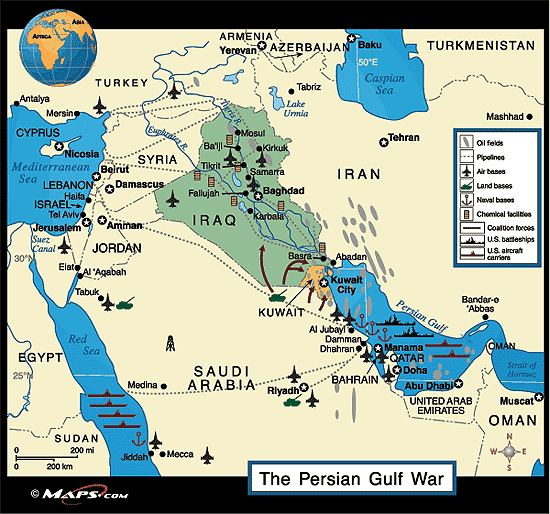
The Gulf War
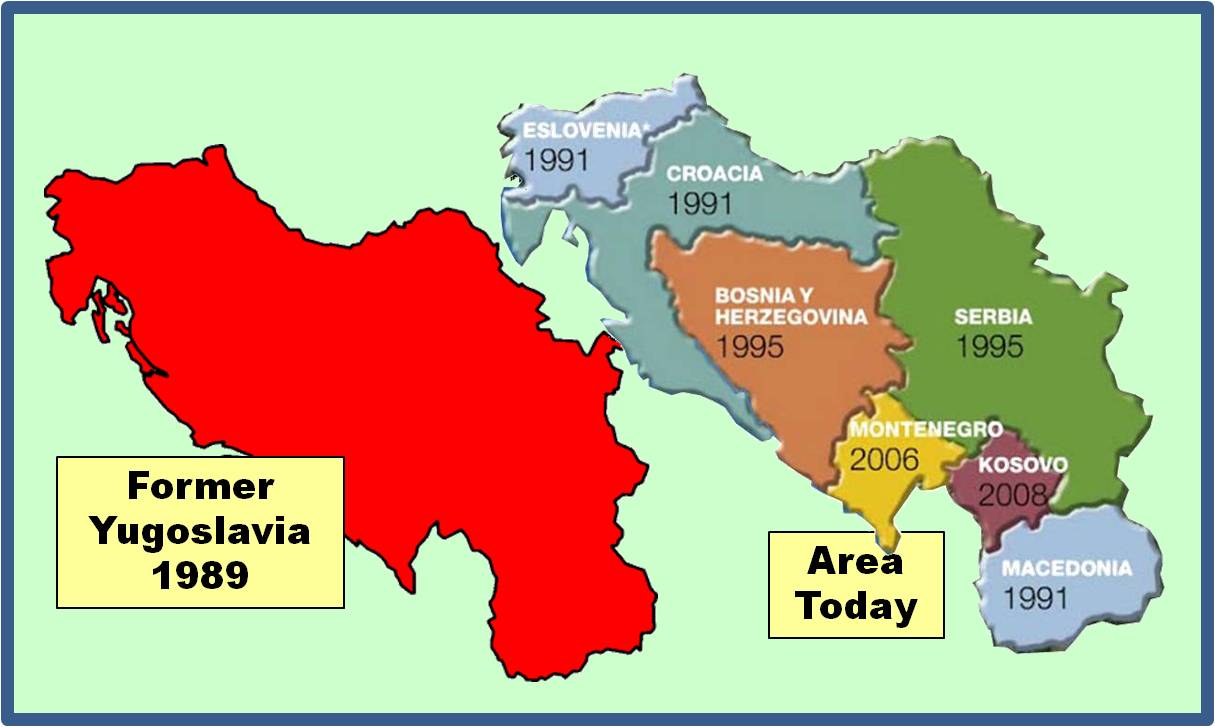
The Breakup of Yugoslavia
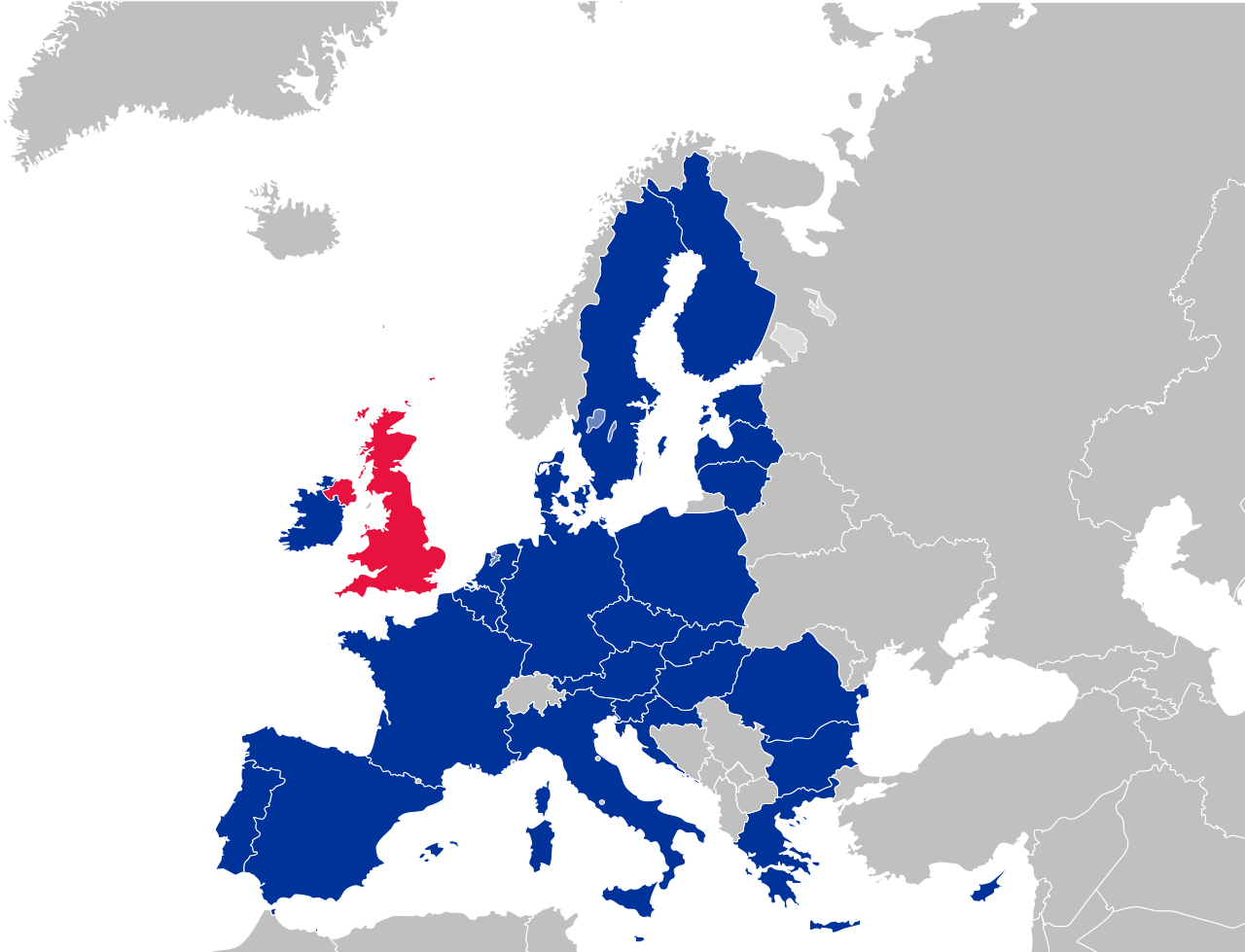
European Union










-European_Union_map.svg)