Archaic Greece
Early World6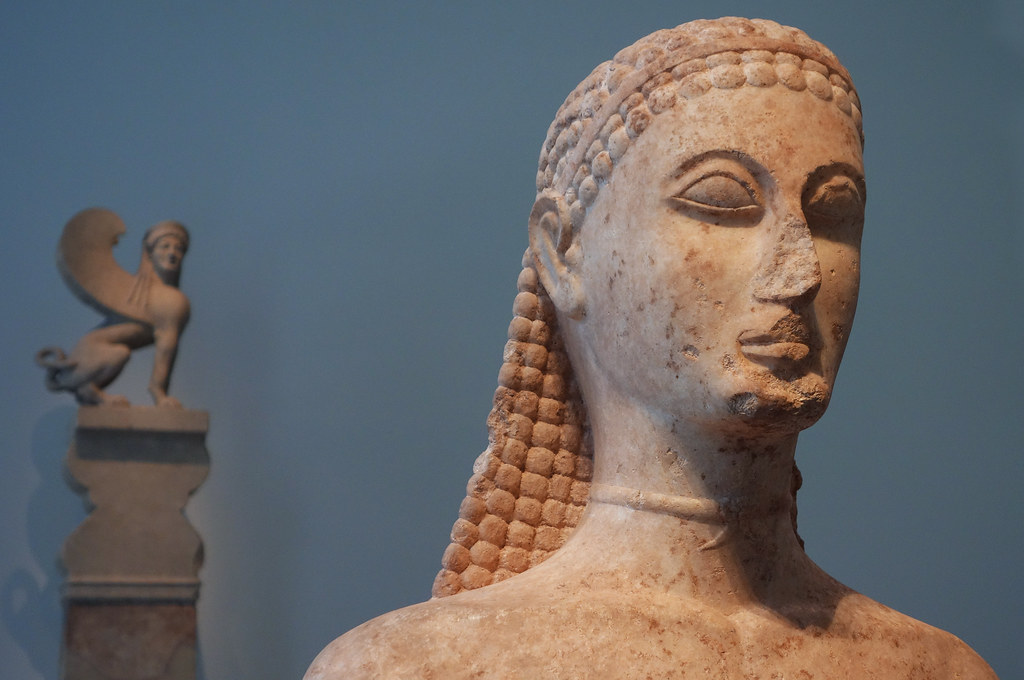
After the collapse of the Mycenaean Bronze Age kingdoms, complex culture in Greece disappeared for centuries during the Greek Dark Ages (1100 - 800 BCE). Beginning around 800 BCE and continuing for the next century, Greece experienced the "Renaissance of the Eighth Century" in which a new complex culture developed in Greece. The period of 800 - 500 BCE witnessed the emergence of a unique and vibrant culture in Greece, which would evolve by the end of this period into Classical Greek Civilization. Historians refer to this era of evolution and development as the Archaic Period, which is term derived from the Greek word for "beginning".
The "Renaissance of the Eighth Century" was marked by rapid population growth and the organization of new states in Greece. Greece is divided into numerous mountain valleys and islands, which served historically to discourage a unified state in Greece. Instead each valley and island often became a separate, independent city-state known as a polis. Each polis had its own government and distinct religious cults. In the eighth century these city- states began to build monumental temples for their gods, such as the temple of the goddess Hera at the city-state of Argos.
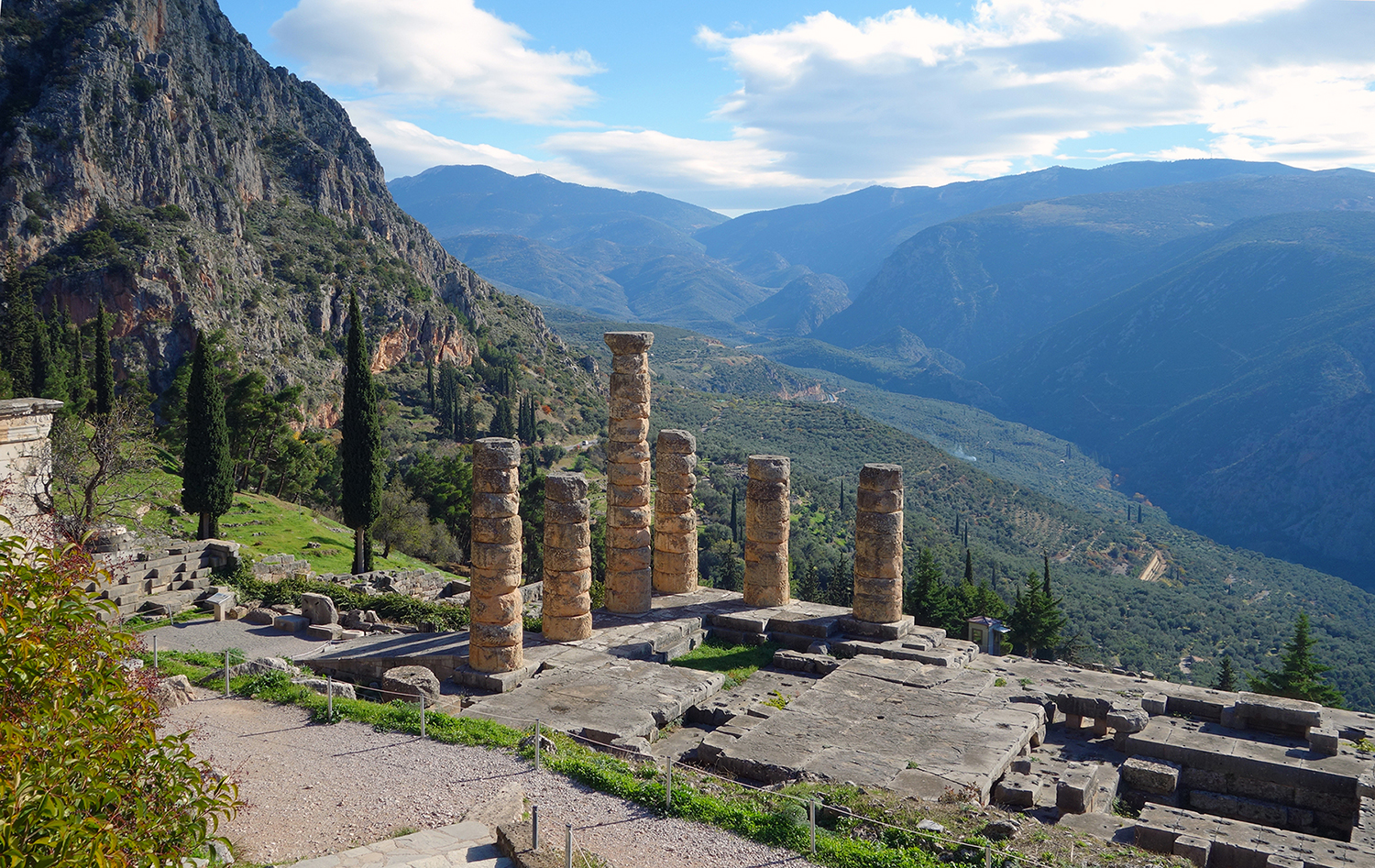
Even though the Greeks were politically disunited, they did share a common language and religion. In the eighth century BCE during this Renaissance, certain religious sites became recognized as sacred to all Greeks, who began to refer to themselves as "Hellenes". The site of Delphi, for example was sacred to the god Apollo, and Greeks from all over Greece came to Delphi to consult the famous oracle of the god there. The site of Olympia was sacred to the storm god Zeus. Beginning in the eighth century BC, Hellenes traveled to Olympia to compete in athletic contests in honor of this god. These contests were the origin of the Olympic Games. The first Olympic Games were held according to Greek tradition in 776 BCE.
The eighth century BCE also experienced the reemergence of specialization in Greek society. Greek artists in their pottery and statues became more sophisticated and skilled in their work, Artisans often copied artistic styles from Egypt and Phoenicia since this same period saw Greek merchants engaging in long distance trade operations. At the site of Al-Mina, along the Mediterranean coast in Syria, Greek and Phoenician merchants exchanged goods. Far to west, on the island of Ischia off the west coast of Italy, Greeks were competing with Phoenician merchants for trade with local peoples, whose iron ore was in strong demand. As a result of trade and contact with the Phoenicians, Greeks adapted the Phoenician alphabet to their own language. One important innovation in the new Greek alphabet was the addition of vowels (a,e,i,o,u), which the Greeks invented. Vowels improved the efficiency of written communication since, with the addition of vowels, one could read and understand written communication without having to hear the written words spoken out load first.
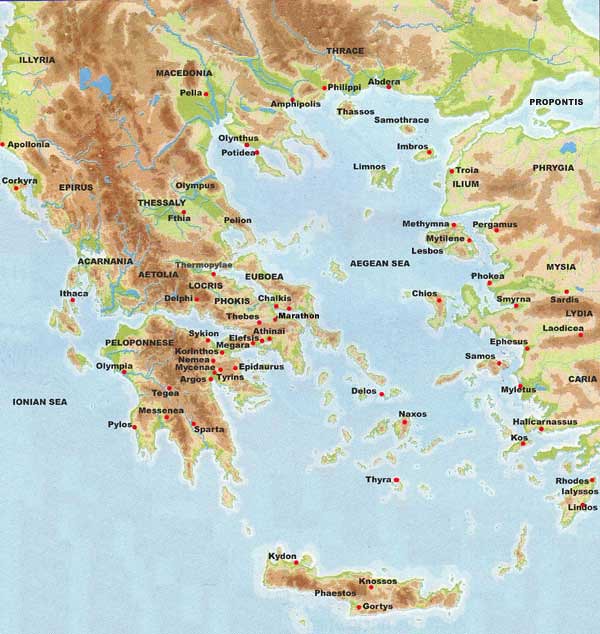
Map of Greece showing its mountains
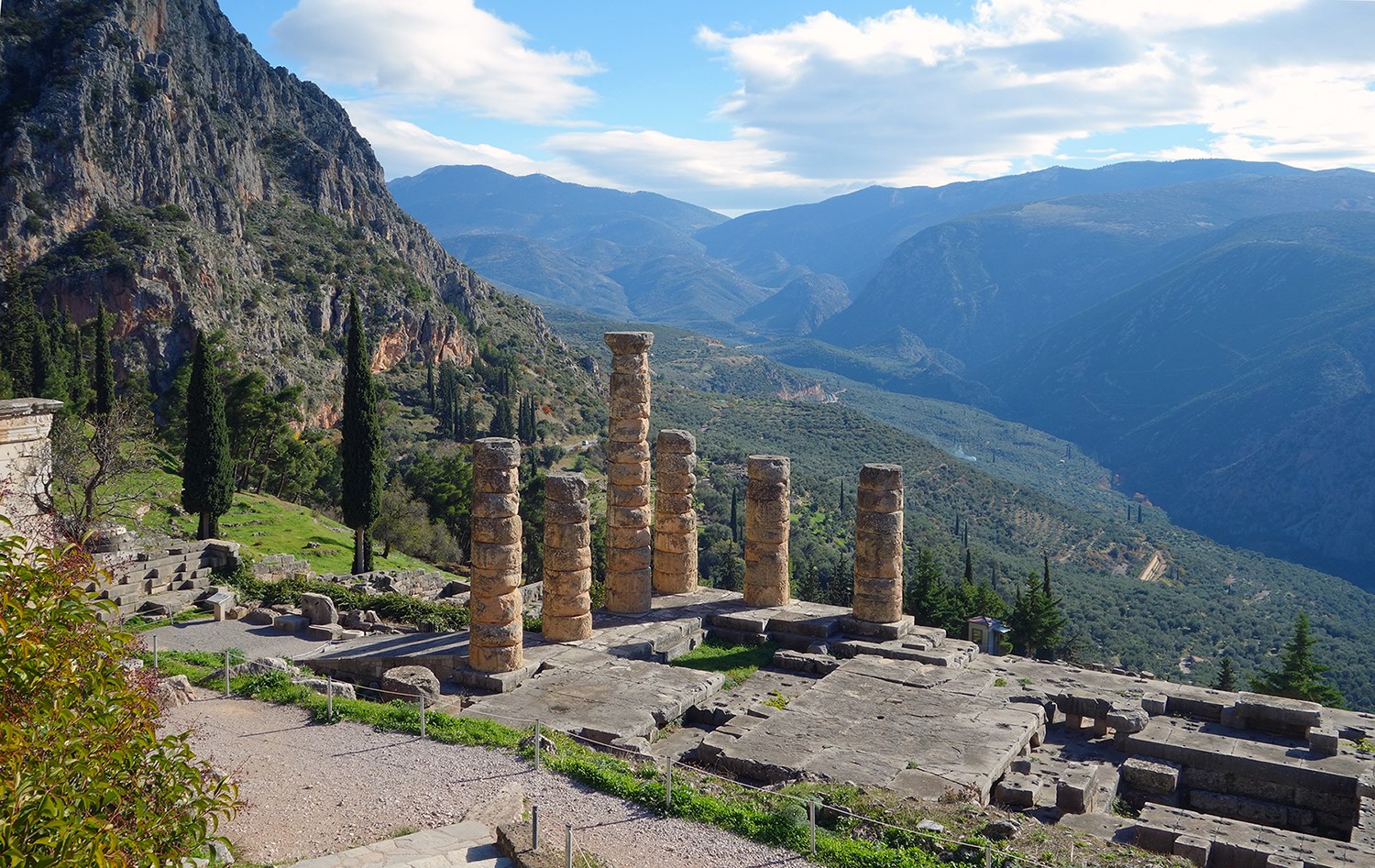
Ruins of Delphi
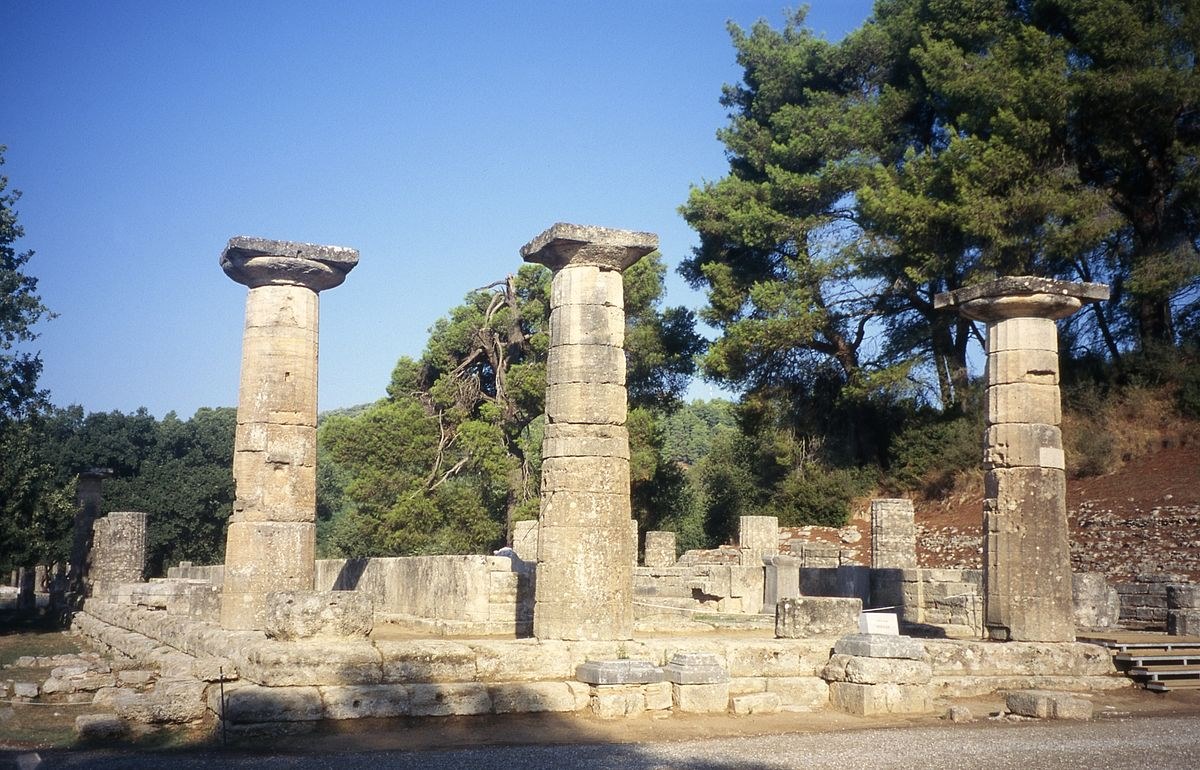
Ruins of Olympia
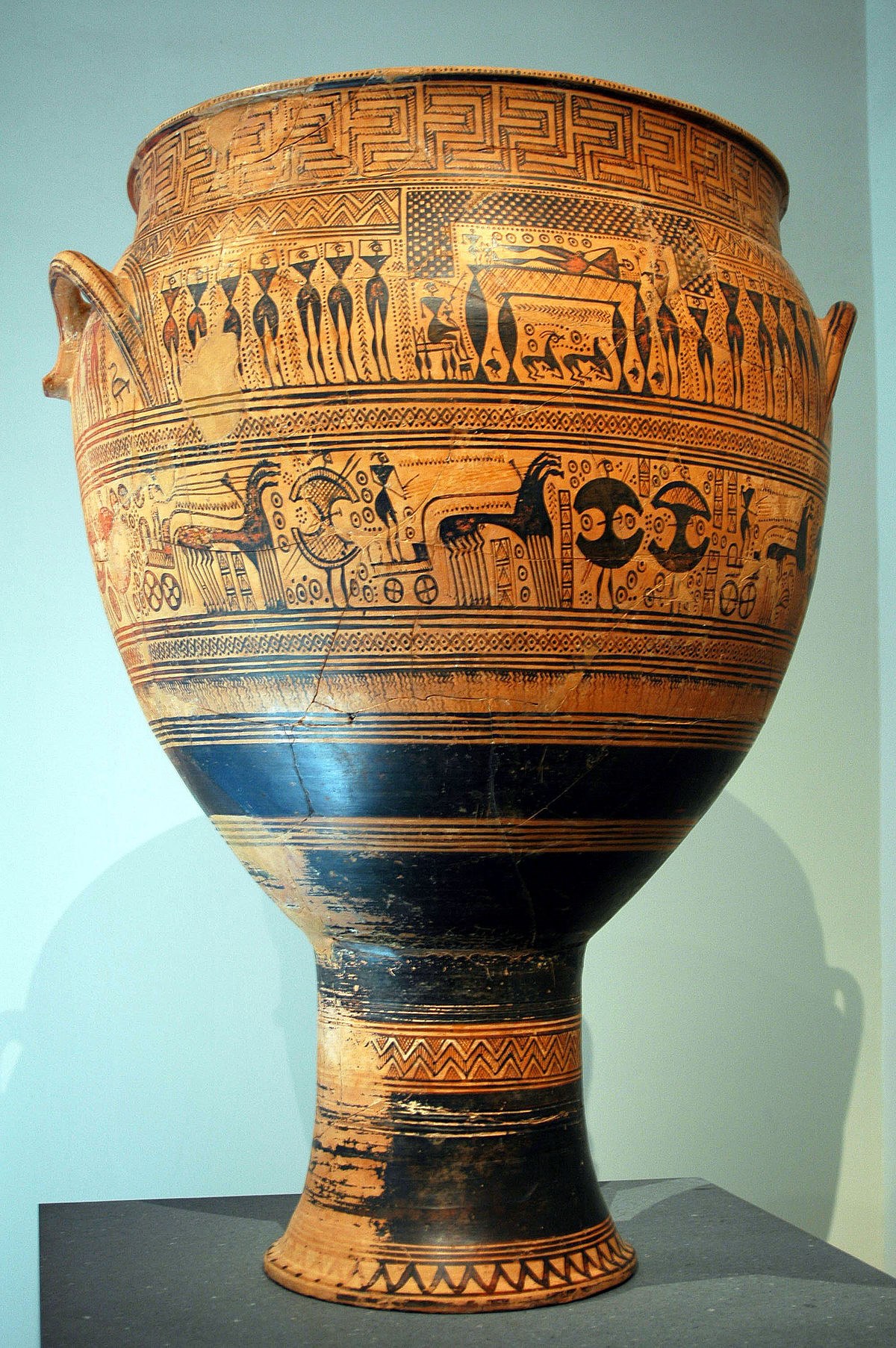
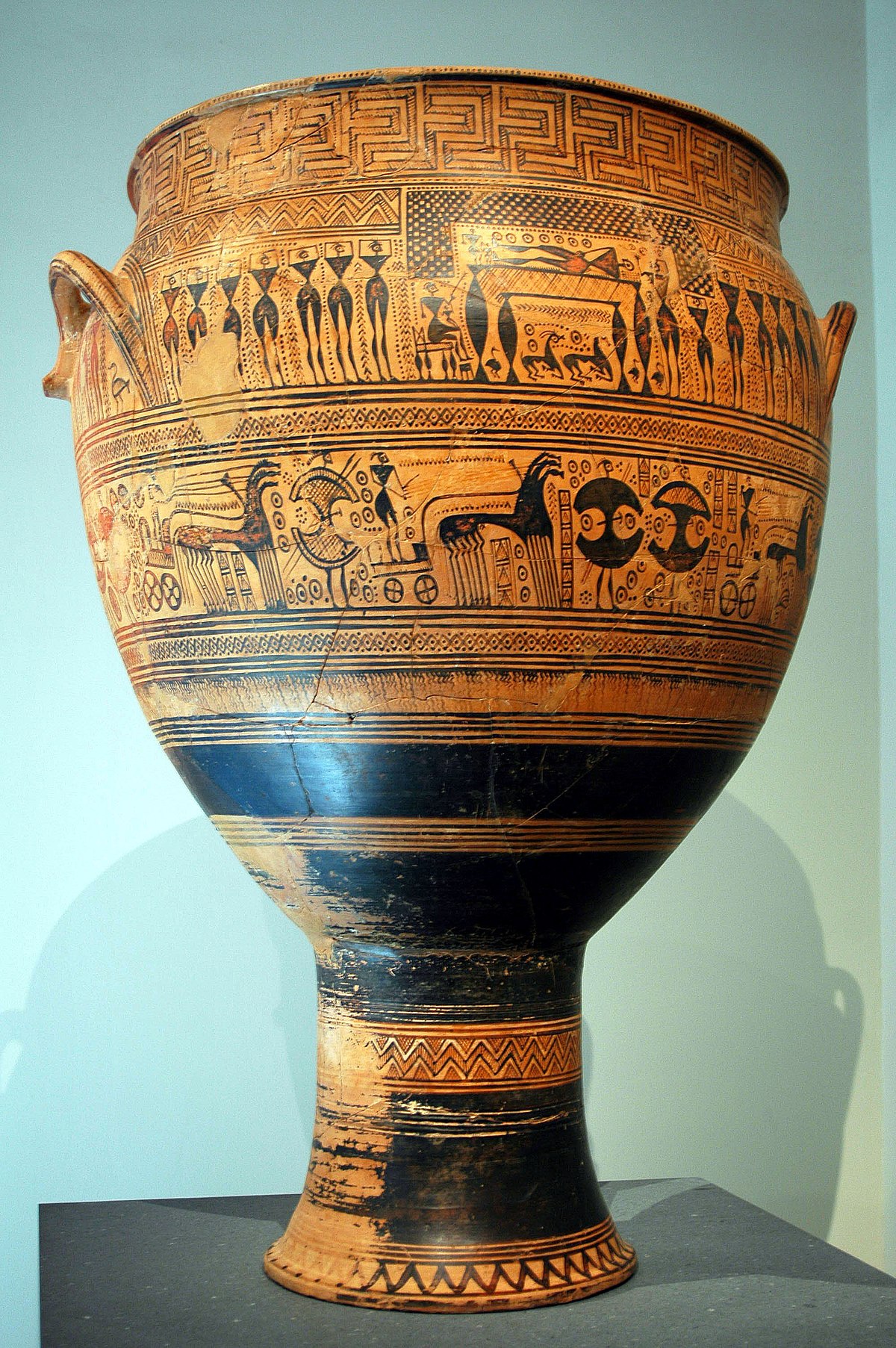
Vase from the eighth century BCE
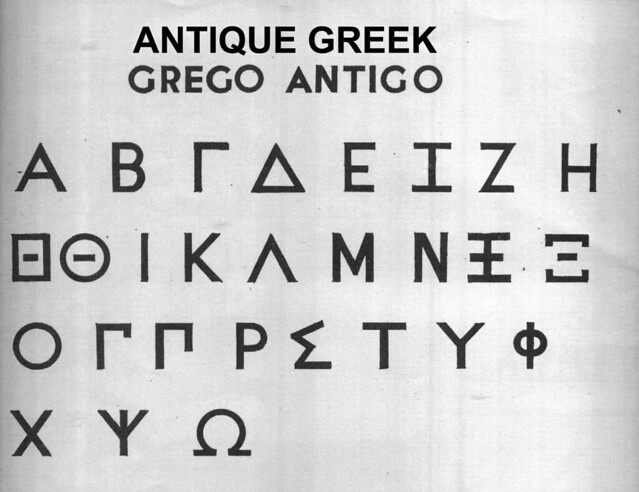
Greek alphabet
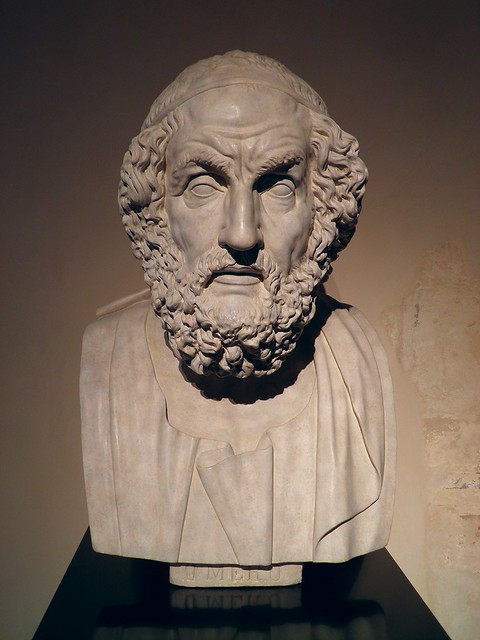
The eighth century BCE also was the period when the great Greek epic poems, the Iliad and the Odyssey were composed. Ancient Greeks attributed these poems to the poet Homer. Historians debate whether Homer was a historical or a legendary figure, but they agree that these two epics originated in the songs sung by oral poets in Dark Ages, which were based on oral traditions passed down from generation to generation. Many of these stories may have thus originated back in the earlier Bronze Age, such as the story of the Trojan War. Beginning In the eighth century BCE with the invention of the Greek alphabet, these stories were written down for the first time.
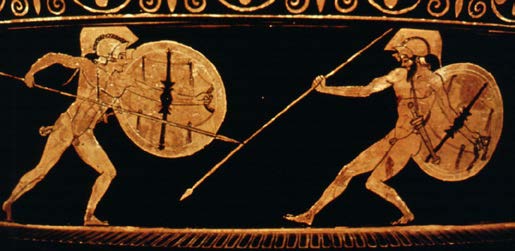
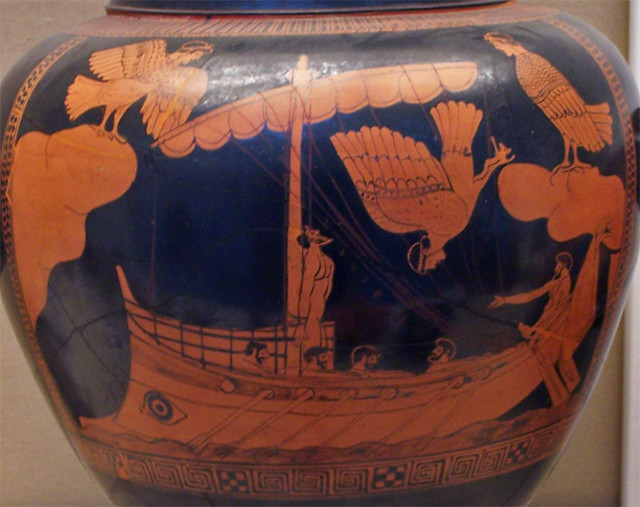
Ancient Greeks greatly revered these two epics, and children memorized their contents as part of their education. The heroes of these two epics were regarded as role models for Greeks. In the Iliad, the hero, Achilles. for example is the strongest, handsomest, and bravest of the Greeks. He lives his life to maintain his reputation for excellence as the best (arete). The story of this epic revolves around Achilles' sense of honor or time. Achilles at first withdraws from the war against Troy since Agamemnon,the Greek leader, had insulted his honor. Later, after the death of his best friend at the hands of the Trojans, he rejoins the battle to avenge his friend's death for the sake of honor, even though he knows prophetically that his involvement in the war will bring about death. For the Greeks one's social position or status was all important, more important than life itself. The Odyssey is the story of the incredible adventures of Odysseus, as he strives to return home to his beloved wife and family after the Trojan War. Odysseus is a different type of hero than Achilles. He is handsome, brave, and strong, but he is more renowned for his intelligence and wits. He uses his wits to escape from one danger to another in the epic. The goddess of wisdom, Athena, helps Odysseus in his labors. For the Greeks intelligence and inventiveness were highly prized.
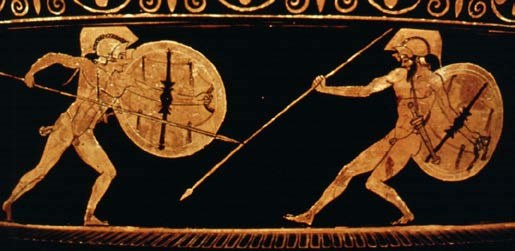
Achilles (left)
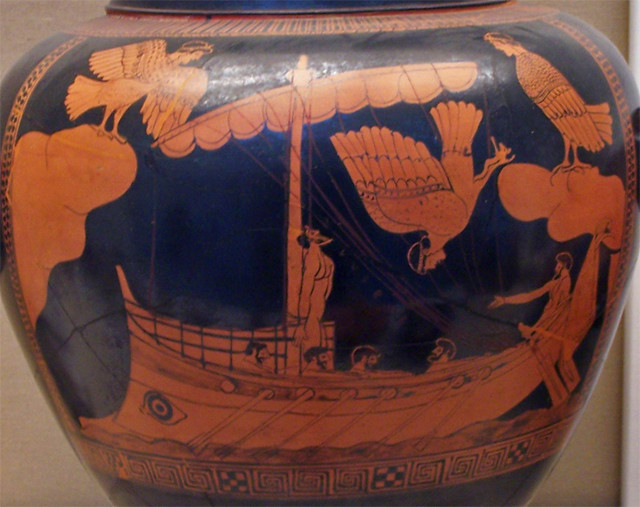
Odysseus and the Sirens
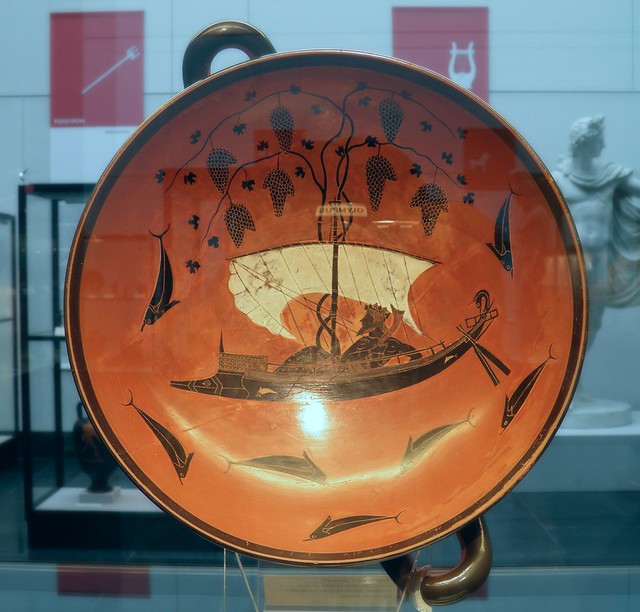
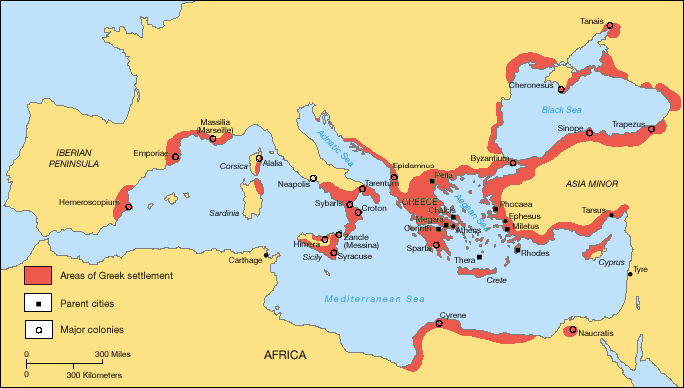
During the Archaic period as the population expanded, there was a shortage of farmland to support the growing population. This land shortage resulted in dramatic changes in Greek society at this time. Many Greeks decided to leave their homes and found colonies across the islands and coasts of the Mediterranean Sea. When Greeks founded a new colony, the new city became an independent polis. The Greeks at this time established new colonies along the shores of the Black Sea and the northern Aegean, in North Africa at Cyrene in Libya, and southern France at Massalia (Marseilles). Greeks established the most colonies on the island of Sicily and in southern Italy. When Greeks established a colony, the land was divided up into equal lots among the colonists. Colonists also needed to draw up in writing new laws (nomoi) for the new city-state. In the new colonies, there thus developed a new idea that citizenship in a community was associated with equality and participation in the governing of the state.
These new ideas impacted society back in Greece itself. In Archaic Greek society the elite landowners (the Aristoi) traditionally controlled the government and the priesthoods in the city-state. But the common people (the Kakoi) due to these new ideas were demanding land and a voice in the governing of the polis. The commoners also were able to gain leverage in these negotiations with the nobility due to wars at this time between city-states for control of farmland. Due to contact with the Near East, Greeks had adopted the Assyrian tactic of massing heavily armed troops in a tight formation. The Greeks referred to this formation as the phalanx, and the heavily armed warrior was known as a hoplite. The nobility realized that they needed the wealthier commoners, who could afford to equip themselves with iron weapons and armor, to organize and man a phalanx. These commoners were thus in a position to demand a voice in the government in return for their military services. In some city-states, the Aristoi and the Kakoi were not able to resolve their differences peaceably. In such cases a man who had strong popular support in the city would seize power and rule over the city. The Greeks referred to such popular dictators as tyrants. For example, in the city of Corinth, a powerful noble clan controlled the city until a popular war leader named Cypselus around 650 BCE with the support of the army and common people in the city seized power and became tyrant of the city.
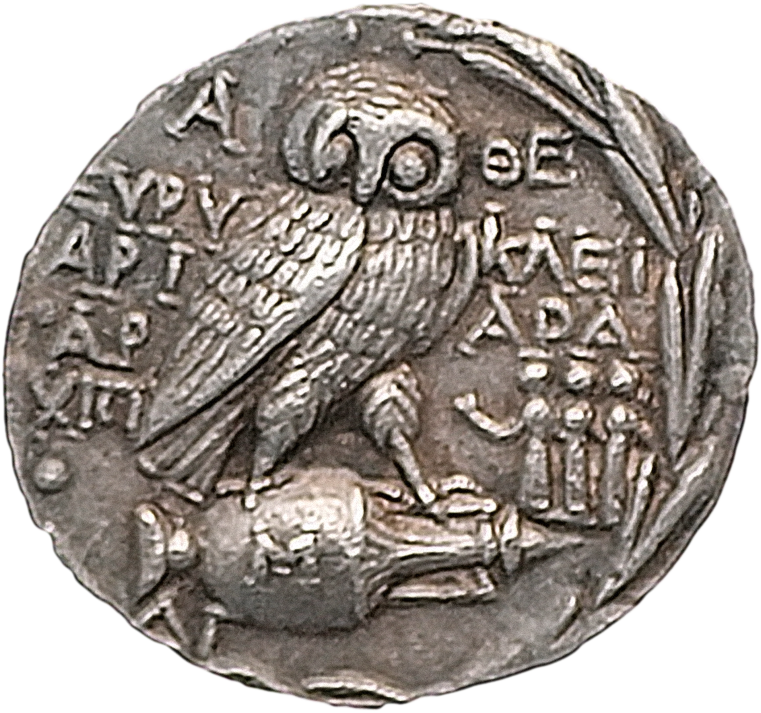
In the sixth century BCE, the land shortage was relieved by the invention of coinage. In the seventh century BC, the kings of Lydia in western Asia Minor (Turkey) began to stamp pieces of gold with the image of a lion, a common symbol of kingship. Shortly thereafter Greek city-states adopted this practice. For example, Athens began to stamp silver pieces with the image of an owl, the symbol of the goddess Athena, who was especially revered in that city. Coinage served to facilitate the exchange of goods because those engaged in commerce didn't have to waste time weighing precious metals or arguing over the value of bartered goods. Coins could just be used as a simple means of exchange. With the introduction of coinage, the place of assembly (agora) in each city-state became a marketplace where farmers, artisans, and merchants bought and sold goods. In the sixth century this rise of a market economy stimulated economic growth as farmers, artisans, and merchants had stronger incentives to produce and procure more goods for the sake of profit. Farmers learned how to produce more food with what land they already possessed rather than always seeking more land to meet their needs. The economic growth of this period is reflected in all the new temples that Greek city states constructed by the late sixth century BCE.
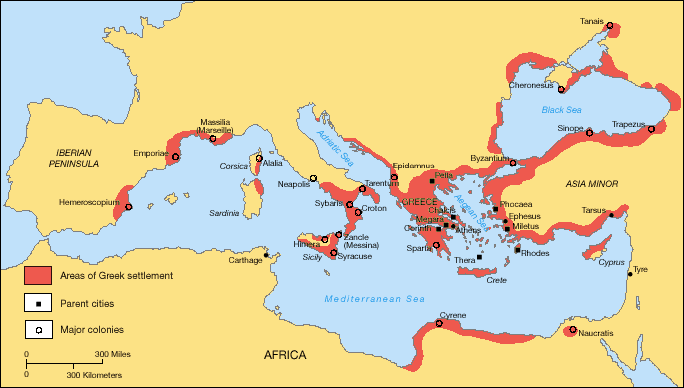
map of Greek colonies
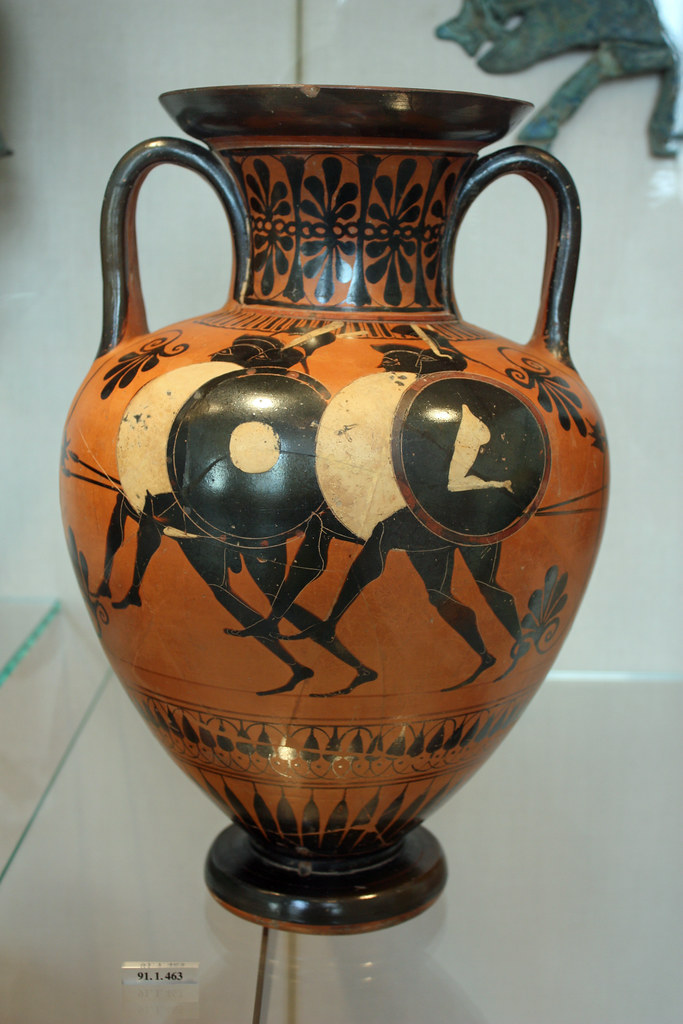
Hoplite warriors in a Phalanx
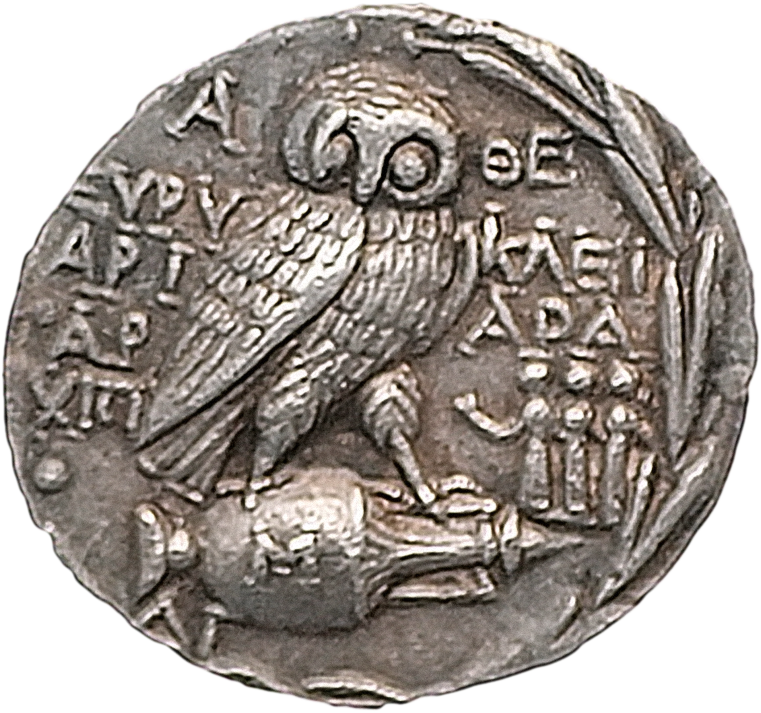
Athenian coinage
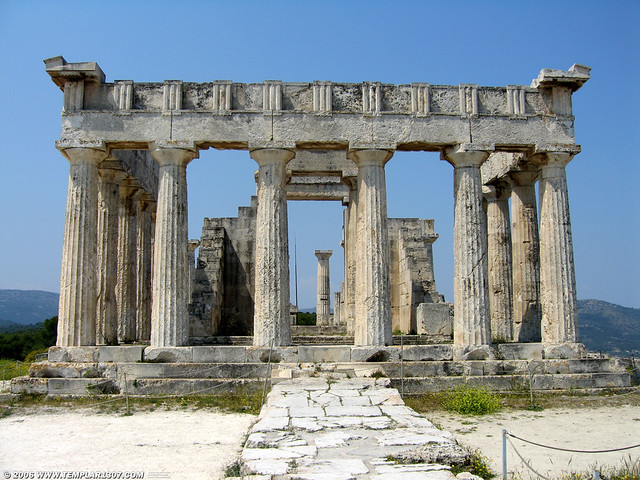
Greek temple of the late sixth century BCE