Athens and Sparta
Early World7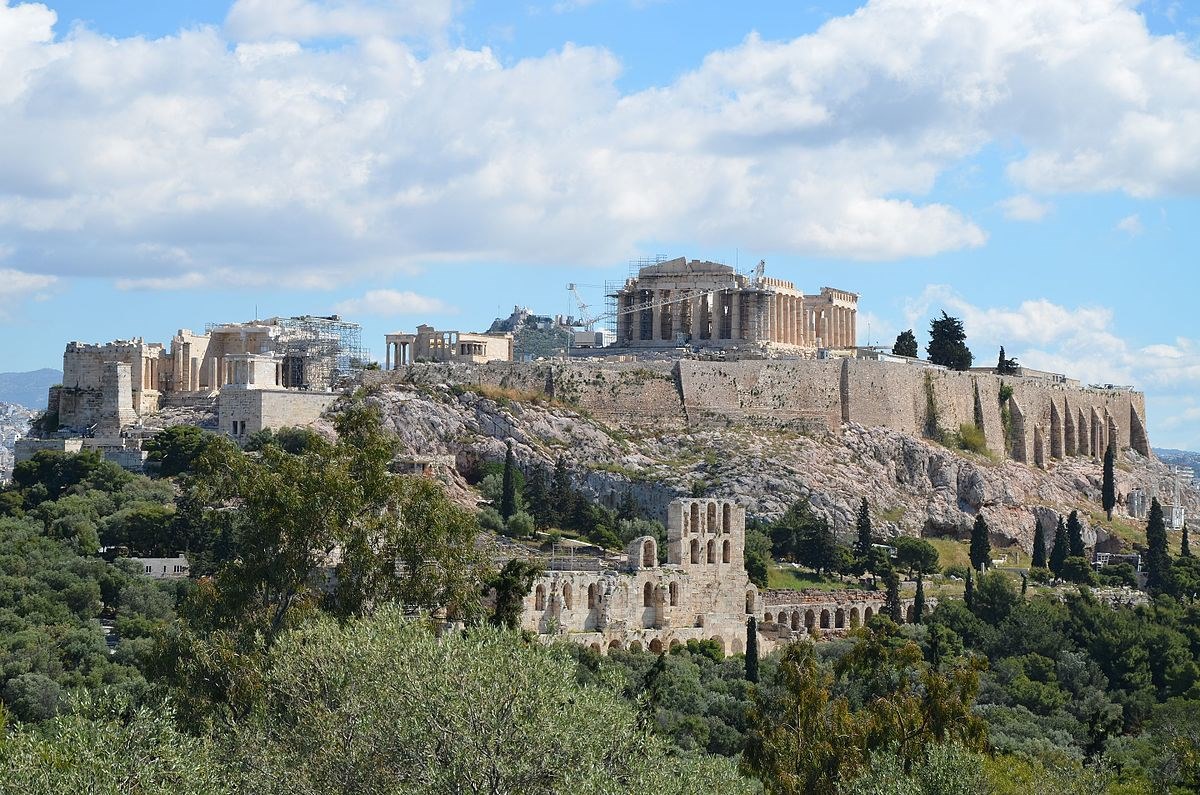
In the Archaic period (800 - 500 BCE) two city-states in particular, Athens and Sparta , emerged as the most powerful and influential of all the Greek city-states. The governments and cultures of these two states would not only dominate the Greek world in the subsequent Classical Period (500 - 323 BCE), but would fire the imagination and win both praise and blame for centuries throughout the history of Western (European) Civilization, which has its origins in Ancient Greece. Athens was the birthplace of democracy ("rule of the people"), whereas Sparta was an authoritarian state which has inspired totalitarian regimes through the 20th century CE.
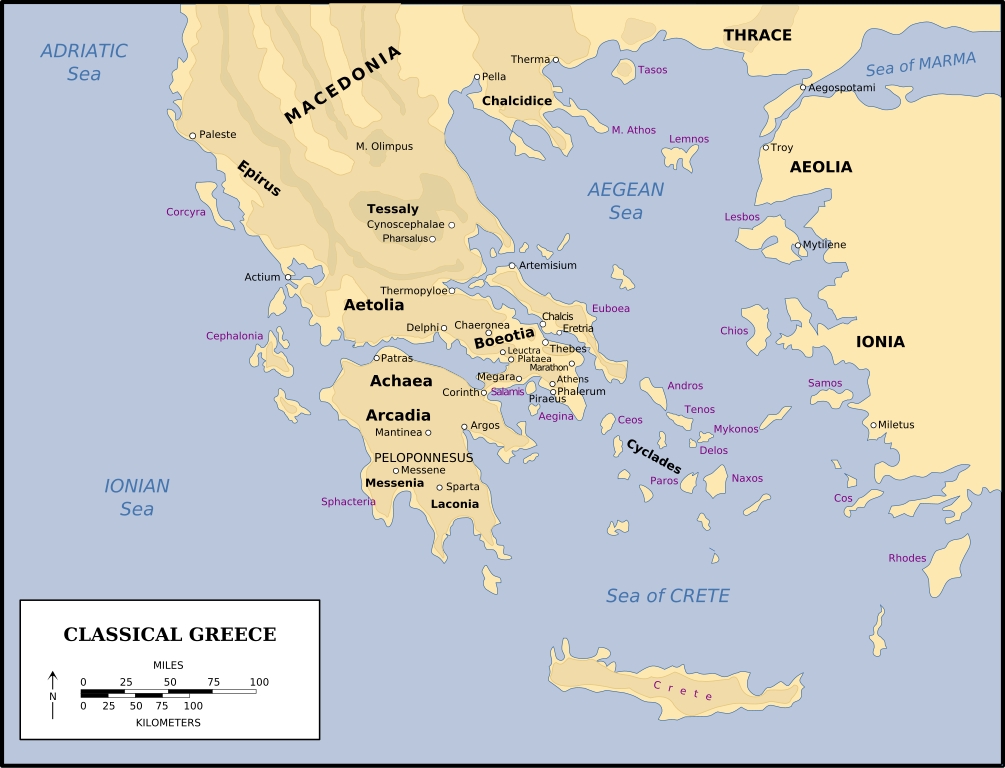
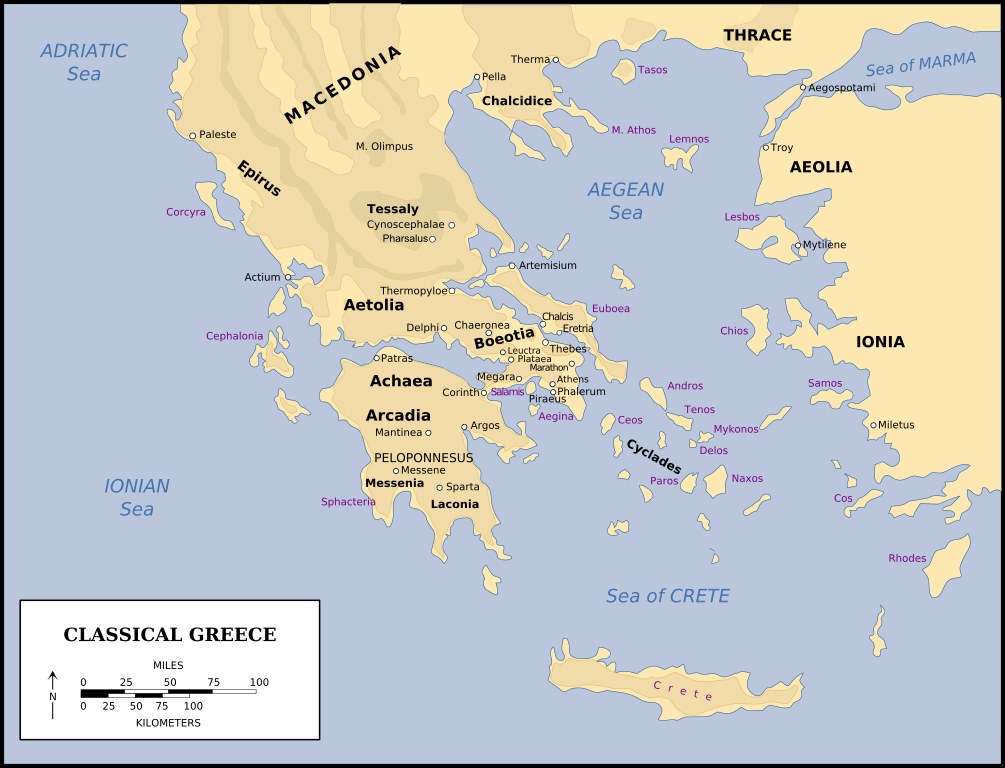
Sparta in the eighth century BCE was a collection of five villages in Laconia, a mountain valley in the Peloponnese, in southern Greece. The citizens (adult males) of these villages, the Spartiates, due to the shortage of farmland, waged war on neighboring towns and forced these towns (the Perioikoi or "those who live nearby") to pay them tribute. The Spartiates also appropriated farmland for themselves and enslaved the inhabitants of these lands, who became known as Helots. Just as Greek colonists at this time divided up land among themselves into equal lots, the Spartiates likewise divided up this conquered land equally among themselves and assigned to each Spartiate landowner a certain number of Helot families to work the land as slaves. Helots , unlike slaves in other parts of Greece, could not be bought or sold, but remained on the land as forced labor from generation to generation. In the seventh century BCE the Spartans conquered the land of Messene located to their west in the next mountain valley. Some of the inhabitants of Messene living in towns became Perioikoi, while most became Helots, when the farmland of Messene was divided up into equal lots for each Spartiate. The wealth from the rich, agricultural land of Messene and Laconia enabled Sparta to become the most powerful state in the Peloponnese by the late sixth century BC. At this time Sparta organized the city-states of this region into the Peloponnesian League. The members of this league still possessed self-government and paid no tribute to Sparta, but all states were expected to have the same friends and enemies as Sparta, which maintained its hegemony in the league. Sparta also used its army to overthrow tyrants in the Peloponnesian city-states and to restore political power to aristocratic, elite families (Aristoi) in these city-states.
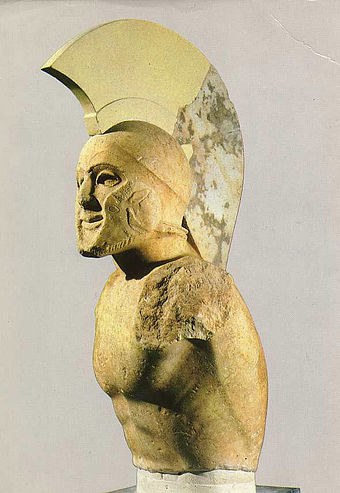
The Spartans were very proud of their unique system of government or constitution (politeia). Spartans reportedly boasted that they feared and revered their ancestral laws (nomoi) more than they feared death itself. According to the Spartans, the Spartans were the best and bravest of all Greeks due to this system of government, which reportedly was created by a great lawgiver named Lycurgus, who had lived around 800 BCE. Modern historians, however, maintain that Lycurgus may be a legendary figure, as they view the development of the Spartan constitution as an evolutionary process over the Archaic Period, rather than the work of a single lawgiver.
In the Spartan Constitution, the adult male citizens or Spartiates altogether constituted the Apella or assembly. Historians estimate that through the Archaic and Classical periods, the Spartiate population numbered on average around 5,000 men. All new laws had to be approved by the vote of the Apella. Also only the Apella could declare war or approve peace treaties. The Apella also served as a court of appeal. Any Spartiate found guilty of a crime could appeal his case to his fellow Spartiates in the Apella. Voting in the Apella was always through acclamation. The members of the Apella would shout out whether they approved or disapproved a measure before the assembly. The Apella also each year elected five Spartiates to serve as Ephors, who served as judges in courts and also functioned as the the chief executives of the state, performing the day to day tasks of government.
Spartans were famous in Greece for the respect that they showed their elders, and the Apella would usually approve or disapprove measures before it based on the recommendations of the council of elders or Gerousia, which was made of 28 Spartiates who were over 60 years of age. Membership in the Gerousia was for life. When a member of the Gerousia died, the Apella would elect one of their own who was over 60 to the Gerousia to fill that position.
Sparta also possessed two hereditary kings drawn from two rival royal families. The powers of each king (basileus) were very limited. The two kings both sat as permanent members of the Gerousia. In addition, the kings served as priests in the state religion. On occasion, the Spartan kings also led Spartan armies into battle.
The most unique element in the Spartan constitution was its educational system (agoge) which each Spartiate experienced. The Spartan state expected each citizen to do his duty and become a well trained hoplite soldier in the phalanx, so that the Spartans could maintain control over their Perioikoi and Helot subjects. From birth all Spartan citizens were subjected to state control. A special group of elders inspected each Spartiate infant born, and infants that appeared to be physically weak were murdered. The Spartan state only wanted healthy, strong babies who could grow up to be great warriors or mothers of great warriors. At the age of seven, boys were separated from their families and raised by the state. The boys were fed very little, so that they they had to learn how to steal food to survive. Anyone of the boys however that were caught stealing, faced severe punishment. The Spartans maintained that this custom taught these boys how to live by their wits and courage. Also elders would encourage these boys to fight one another, so that the boys would learn how to be tough and aggressive. At the age of 12, the boys began an even more severe regimen. The boys were not allowed to wear any clothes except for a cloak in the wintertime. Also they were forbidden to bathe. They were allowed to bathe just once a year in the local Eurotas River in the dead of winter. In addition, these Spartan boys underwent ritual beatings in which they were whipped. The Spartans maintained that through this upbringing Spartan boys would become physically strong and hardened warriors. At the age of 18, these young men began a two year period of intense military training. These young men were now members of the Krupteia or "hidden ones". They received this name because under the cover of night, the members of the Krupteia would creep into the villages of the Helots and murder any Helots whom they happened to meet. The purpose of this custom was to strike fear and terror into the hearts of the Helots and thereby prevent a Helot rebellion. When a young man reached the age of 20, his education was now complete. All Spartiates between the ages of 20 and 30 joined a "mess hall" (Phiditia) where each soldier in the barracks was expected to contribute food from his land to the other soldiers in this unit. When a Spartiate reached the age of 30, he could marry and live in his own home. The Spartiate also at the age of 30, could now vote in the Apella and serve as an Ephor. Each Spartiate remained in the army reserve until the age of 60 when he could finally retire from military service and became eligible to be elected to the Gerousia. Spartan citizens were very proud that they as an elite could devote their time to service to the state in the military and government; throughout their lives they did not have to work the land or learn a trade since this work was done for them by commoners, their Perioikoi and Helot subjects.
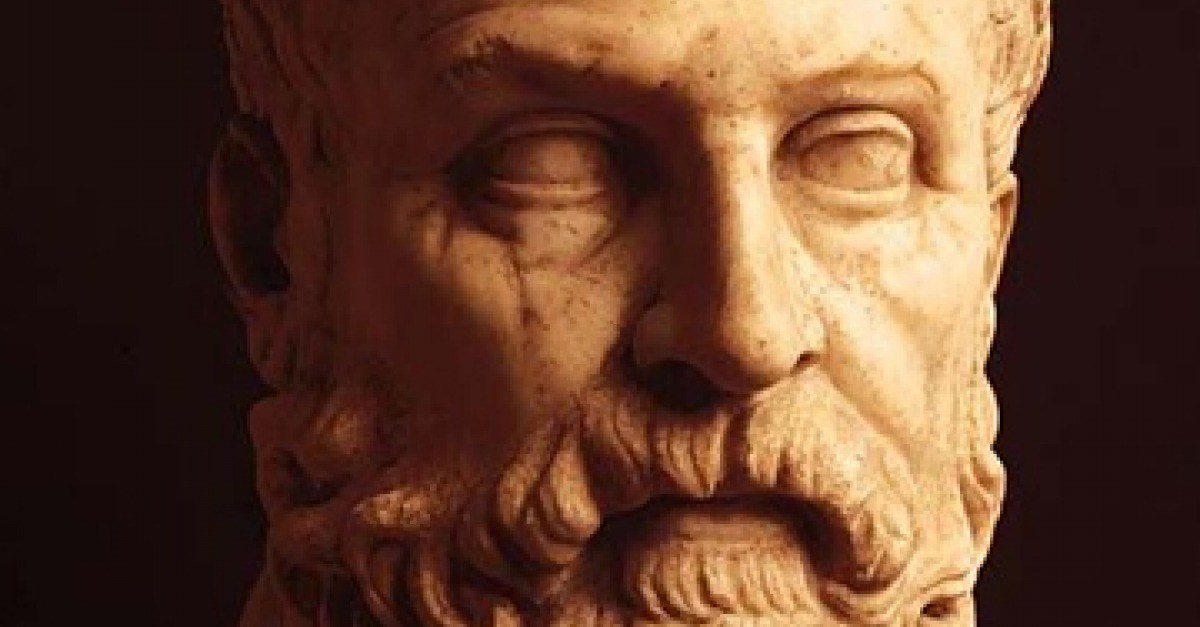
Athens, like Sparta, developed its own unique system of government in the Archaic period. Athens was unique among Greek city-states due to its relatively large size. The city-state of Athens from early in its history included all of the land of Attica, which included several mountain valleys. Usually in most Greek city-states, mountains often divided one city-state from another. The ancient Athenians maintained that the land of Attica had been united from time immemorial since its inhabitants were "autochthonous" or sprung from the land itself since no foreign people had ever conquered their land. Modern historians maintain that the history behind this myth was the preservation in Attica of the political unity of the territory of the former, regional Bronze Age Mycenaean kingdom during the Greek Dark Ages.
By the early Archaic Period, the landowning elite dominated in Attica. The assembly of Athenians citizens (adult males) known as the Ekklesia elected each year nine magistrates or Archons, but only an elite group of wealthy landowners were eligible to be elected as Archons. The common farmers in Athens were struggling in this period and lost their land and freedom if they were unable to pay their debts. In 630 BCE a popular military leader named Cylon attempted by force to become tyrant in Athens with the support of the common people. His attempt failed, and civil war broke out in Attica between Cylon's supporters and opponents.
In 594 BCE the Ekklesia elected Solon as Archon with the power to draft new laws to restore peace and end civil unrest in Athens. Solon came from a very wealthy, elite family, but he made it known that he would draft laws that would benefit all Athenians, rich and poor. Solon was a poet, and he used his songs to convey to the Athenians his ideas for these new laws. Later Athenians would see Solon as the "Father of Athenian Democracy". One of Solon's first measures was the Seisachtheia or "shaking of burdens" in which all debts owed by Athenians to one another were forgiven. Solon also made it law that no Athenian could be sold into slavery for failure to pay a debt. These measures did much to provide relief to Athenian farmers who were struggling to pay off their debts. Solon also wanted to include commoners in the government, so he created a new Boule (Council) of 400. Athenians had been traditionally divided into four tribes. Under Solon's new laws, each of the four tribes chose 100 of its members by lot to sit in the new council and run the government. Under Solon's new laws, there were still Archons, but now Solon created the Heliaea or jury courts. Under Solon's laws, all Athenians could appeal the ruling of an Archon in court, and have their cases heard by a jury of fellow citizens to determine guilt or innocence. Solon also set up a system where citizens were eligible for positions in government based on wealth alone instead of hereditary privilege. Wealth was measured by the amount of grain and olive oil that a citizen's land could produce. In this system wealthy landowners known as Hippeis or horsemen could only serve as Archons (only the very wealthy could raise horses); prosperous farmers known as Zeugetai or plowmen were eligible to serve in the Boule of 400 (prosperous farmers owned their own teams of oxen ); Even the landless day laborers or Thetes could serve in the Heliaea.
Solon's reforms were not enough to end civil unrest, however. By 545 BCE a kinsman of Solon named Pisistratus had seized and consolidated power in Athens as tyrant. Pisistratus was reportedly a benevolent despot and very popular among the Athenians. Under Pisistratus rule, Solon's reforms largely remained in place, and Athenians became accustomed to serve in Solon's council and in jury courts.
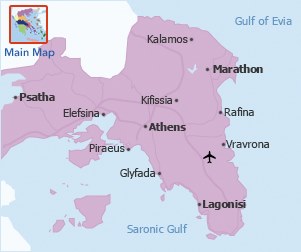
Map of modern Attica
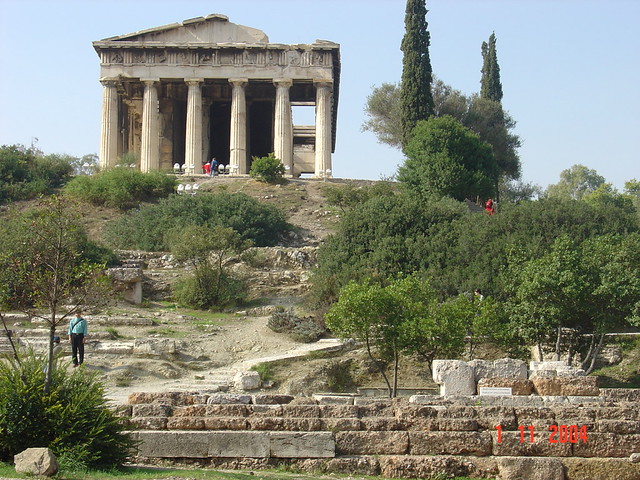
After the death of Pisistratus, his sons tried to carry on as tyrants, but they lacked their father's popularity. Around 509 BCE, an Athenian aristocrat named Cleisthenes persuaded the Spartans to intervene in Athens and overthrow these tyrants. The Spartans however, set up a government in Athens of elite aristocrats (Aristoi) that didn't include Cleisthenes. Consequently, Cleisthenes appealed to the common people living in the villages (demes) to overthrow this government and establish a "democracy". His appeal was successful and Cleisthenes implemented reforms to Solon's system of government. Cleisthenes replaced the Boule of 400 with a Boule of 500 . Cleisthenes reorganized the Athenians into ten new tribes. Each tribe included villages from different parts of Attica. Every year each of the ten tribes chose 50 of its members by lot to sit in the Boule of 500. This reform served to unite the Athenians since each tribe was made up of people from different parts of Attica, who now had to work together politically. Also the new tribal system was used to organize the Athenian army. Under Cleisthenes new system, the year was divided up into 10 periods of 36 days, and for each of these periods in succession each delegation of 50 citizens in the Boule of 500 from each of the ten tribes served as the Prytaneis or presidents and ran the day to day operation of the government.
By the end of the Archaic period Athens had developed a functioning direct democracy. All Athenian citizens could serve in the Ekklesia, which now was required to meet at least once every 36 days. All laws had to be approved by the Ekklesia. Only the Ekklesia could declare war and approve treaties. Athens had a citizen body of between 30,000 to 40,000 adult males in the Classical period, but only 6000 people were needed to convene at a meeting of the Ekklesia to conduct its business. Also citizens could be chosen by lot to sit in the Boule of 500. Since Athenians were only permitted to sit in this council for just two one year terms, many Athenians had the opportunity to join this council and serve in the executive branch of government. Also as members of Heliaea, Athenian juries not only determined guilt or innocence of the accused, but they also interpreted how the law was applied. Therefore in Athenian direct democracy in comparison to the United States' system of representative democracy, every Athenian citizen had the opportunity to serve as a Congressman (Ekklesia), President ( Boule of 500) and member of the Supreme Court (Heliaea).