Caesar and Christ
Early World12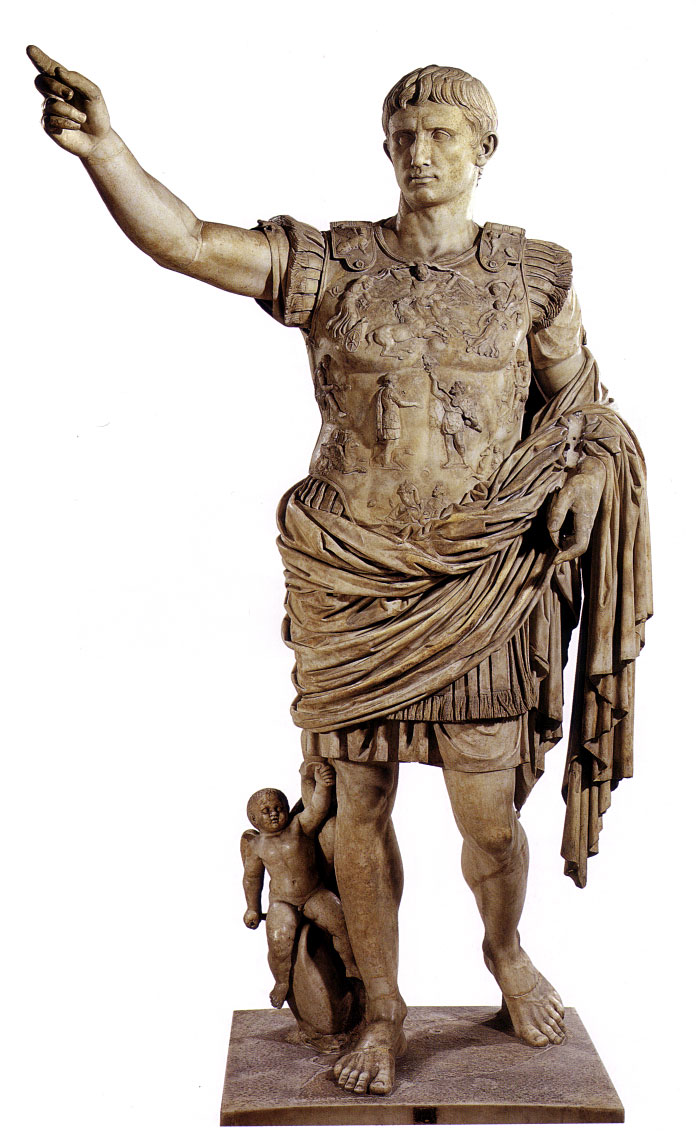
After the assassination of Julius Caesar in 44 BC, his grand-nephew and adopted son, Octavian avenged his adopted father's death and ended the civil wars in Rome by 31 BCE. Octavian would construct a new political order in Rome, which historians refer to as the Principate. Octavian eventually assumed the title Augustus and his successors as Roman Emperors would also hold this title along with the name of Caesar. Octavian's reform of the Roman state would provide peace and security for the Roman empire for the next two centuries. During this period of the Pax Romana or "Roman Peace" , a new religion, Christianity expanded rapidly across this empire.
Octavian was only 18 years old when his adopted father was killed, but Octavian, as Caesar's son and heir, enjoyed the loyalty and political support of Caesar's military veterans. In 43 BCE Octavian joined forces with two seasoned generals and politicians, Marc Antony and Lepidus, who both had been loyal supporters of Julius Caesar. These three men together shared the position of dictator in Rome in a political arrangement that is known as the Second Triumvirate. In 42 BCE the army of the Second Triumvirate under the command of Antony defeated the forces of Julius Caesar's assassins, Brutus and Cassius, at the Battle of Philippi in northern Greece. The Second Triumvirate also ordered the execution of thousands of their political opponents.
After crushing the remnants of the Optimates, however, these three men soon quarreled with one another, and civil war once again erupted. In this struggle Octavian, as the son of Caesar, enjoyed greater support from Caesar's troops than his two opponents. In 36 BCE Octavian forced Lepidus into retirement. Antony countered Octavian's greater support among Rome's soldiers by forming an alliance with Cleopatra, the Queen of Egypt, whom he married. Cleopatra VII was descended from Ptolemy, whose family had ruled Egypt since the death of Alexander the Great in 323 BCE. With Cleopatra's financial support, Antony raised an army and fleet. At the naval Battle of Actium in 31 BCE off the coast of northern Greece, Octavian's fleet defeated the forces of Antony and Cleopatra. When Octavian's army afterwards invaded Egypt, Antony and Cleopatra committed suicide, and Octavian installed himself as the new Egyptian Pharaoh. Octavian used the wealth of his kingdom in Egypt to finance his restructuring of the Roman state.
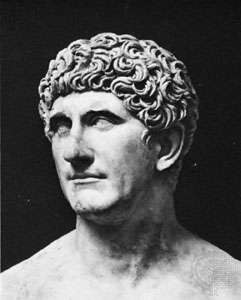
Marc Antony
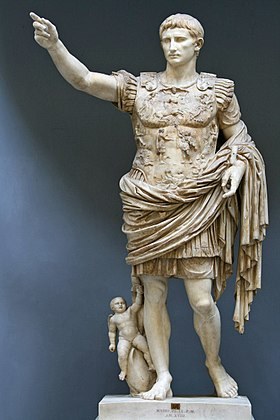
Octavian
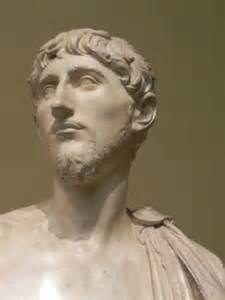
Lepidus
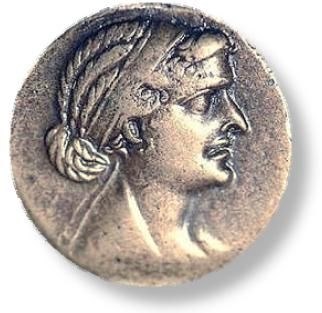
Coinage of Cleopatra
One of Octavian's primary tasks in restructuring the Roman state after 31 BCE was to consolidate his position as military dictator. To avoid the same fate as his adopted father, he successfully created the facade that the Roman Republic was alive and well, so that he would not be accused of being a king and tyrant, by assuming titles and powers traditionally associated with the Roman Republic. After stacking the Senate with his supporters, in 27 BCE, Octavian officially stepped down as dictator and "restored" the Republic. The Senate immediately appointed Octavian Proconsul or governor of all Roman frontier provinces, which made Octavian effectively the commander of the entire Roman army. From this point onward, Octavian alone held the title of Imperator or "victorious general" from which the term "emperor' is derived. The Senate also recognized Octavian as the Princeps Senatus or "leader of the Senate" which in the Republic had been held by the Senator who enjoyed the most prestige and authority in the Senate due to his service to the Republic. Historians have derived the term "Principate" from this title. In addition, the Senate voted to honor Octavian with the title of Augustus or "revered one", a title, which had been used to describe gods and great heroes of the past. Soon afterwards cities across the Roman Empire built temples to worship Augustus to show their loyalty to the empire. After 27 BCE Octavian served as one of the two Consuls, so that he could sit in the Senate, oversee the law courts, and introduce legislation to the Centuriate Assembly, but this arrangement was unpopular among the Senators since as one of the Consuls each year, he denied a Senator the opportunity to hold this prestigious office. To resolve this issue, in 23 BCE the Senate voted to assign Octavian the powers of a Tribune. With this power he could veto any action taken by government officials, the Senate, and the assemblies, and he could introduce laws to the Plebian Assembly. Armed with the power of a Tribune and a Proconsul, Octavian could wield political and military power based on the traditions of the constitution of the Republic.
As emperor Octavian, now known officially as Caesar Augustus, successfully tackled problems that had disrupted the Roman State during the Roman Revolution. First he provided land for Rome's soldiers and greatly reduced the number of poor, landless Romans. Augustus reduced the standing army from 600,000 to 200,000, and he provided land for thousands of discharged veterans. He established new colonies for these veterans in areas that had been only recently conquered such as in Gaul (France) and Spain. He also created a new sales tax to raise revenues to pay for land and cash bonuses for future, retiring veterans. In those areas where Augustus established these colonies, he created new policies that encouraged native peoples to adopt Roman culture. Natives, who joined the Roman army, received Roman citizenship after 25 years of service. Also indigenous tribes in these areas that built cities in the Roman style and adopted the same political system as towns in Italy, received designation as a municipia, which enabled all elected officials in these towns to receive Roman citizenship. Through these "Romanization" policies and the foundation of Roman colonies, Augustus advanced Roman culture in these areas, where after centuries of Roman rule, Latin came to be spoken instead of indigenous languages. Both French and Spanish that are spoken in France and Spain today are derived from ancient Latin.
Augustus also finally brought order and prosperity to the city of Rome. He began a vast building program in the city that provided jobs for poor Romans in the city. To win over the masses, he also provided the people of Rome with free grain (courtesy of his control of fertile Egypt) and free entertainment (gladiator combats, chariot races) . The city of Rome became famous for its "bread and circuses". He also established a permanent police force in the city, the Praetorian Guard and a fire department.
Augustus also provided wealthy Equestrians with opportunities for political and social advancement, which they had not enjoyed previously. He reserved certain key positions in his government for these Equestrians such as the Prefect (Commander/governor) of the Praetorian Guard and Prefect of Egypt. Since Augustus was Proconsul of multiple provinces, he also appointed Equestrians to serve as legates in these different provinces as his personal representatives. Equestrians, who had served with distinction and honor in these positions, also could join the Senate and become members of the Senatorial elite. Because of these initiatives, Augustus created a new effective bureaucracy to govern the empire. Emperors who followed Augustus continued to follow these practices.
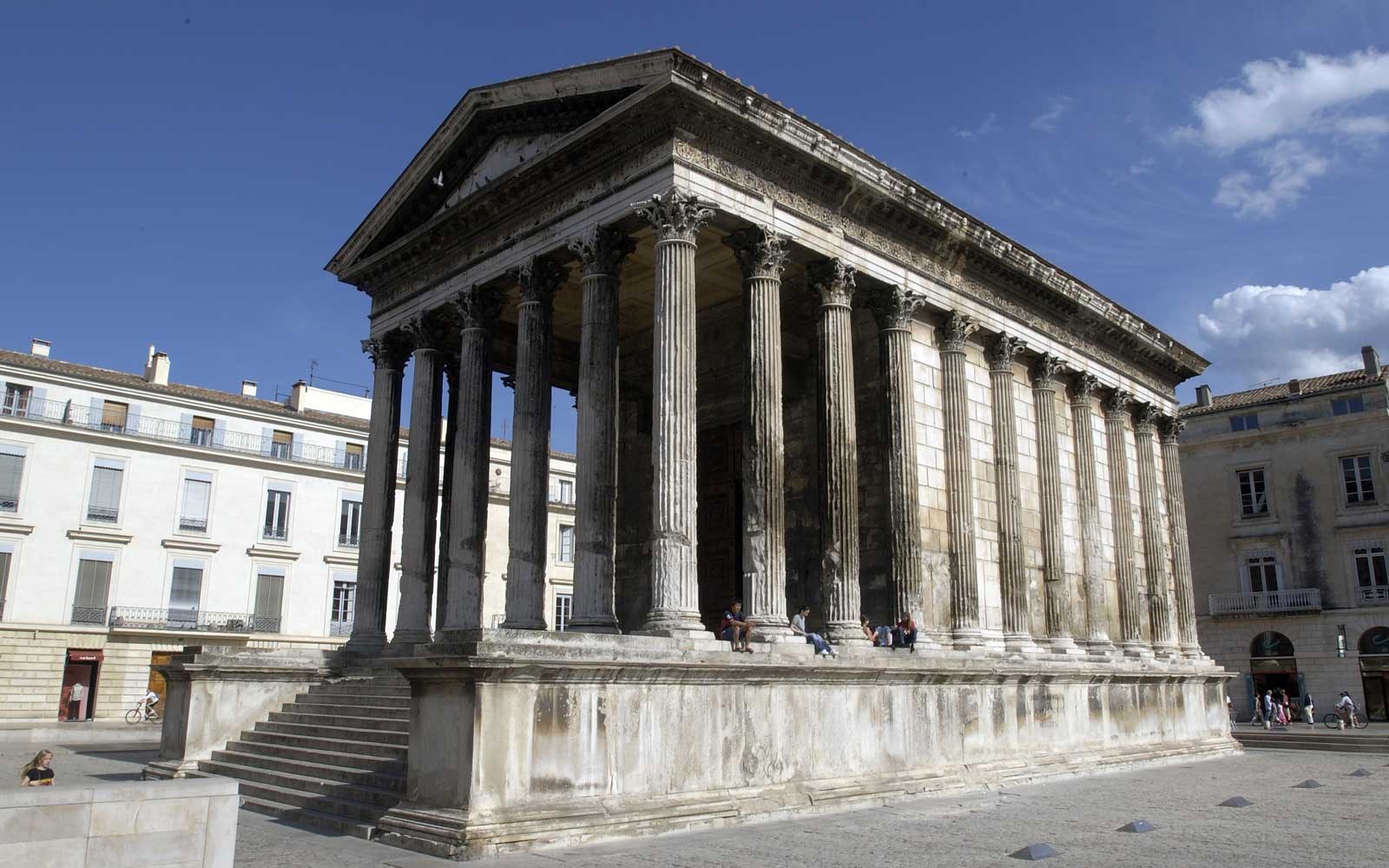
Roman remains in Nimes, France (Gaul)
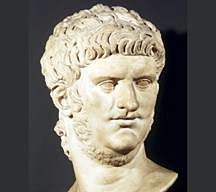
The Principate was far from a flawless political system. Its main flaw was the issue of succession. Since there was no official position of "emperor", there was no republican tradition regarding how this position could be passed from one person to another. To solve this problem, Augustus before his death in 14 CE, arranged for his step-son, Tiberius to receive from the Senate the power of a Proconsul and a Tribune. Consequently, upon his death there was a smooth transition, and Tiberius (14 - 36 CE) reigned as emperor. The problem with Augustus' solution to the issue of succession were twofold. First there was always the risk in hereditary monarchies that the hereditary ruler would not be competent. Second, in cases where no provision had been made for succession, the facade of the Republic collapsed, and the naked military dictatorship was exposed. Tiberius was succeeded as emperor by his grandnephew and adopted son Caligula, who after a severe illness, went insane (He made his favorite race horse Consul of Rome). Consequently, the Prefect of the Praetorian Guard assassinated Caligula in 40 CE and the Praetorian Guard replaced him with his uncle, Claudius (40 -54 CE). The Roman Senate only voted to grant Claudius his official powers as emperor out of fear of the army. Fortunately for the Roman Empire, Claudius was an effective emperor and under his reign the province of Britain was added to the empire (modern England and Wales). The government of Claudius' successor, his grandnephew, Nero (54 - 68 CE) was excellent as long as Nero's mother, Agrippina, was the power behind the throne. After ordering the murder of his mother, Nero, however proved to be a cruel and vicious despot. He used the Praetorian Guard to intimidate and execute his critics in the Senate. By the end of his reign Roman armies in Gaul and Spain were mutinying. After the Senate declared Nero to be an enemy of state, he committed suicide. The year after his death, 68 -69 CE, became known as the "Year of the Four Emperors" since four different Roman generals with the backing of their troops assumed the position of emperor. This year further exposed the Principate for what it was - a military dictatorship.
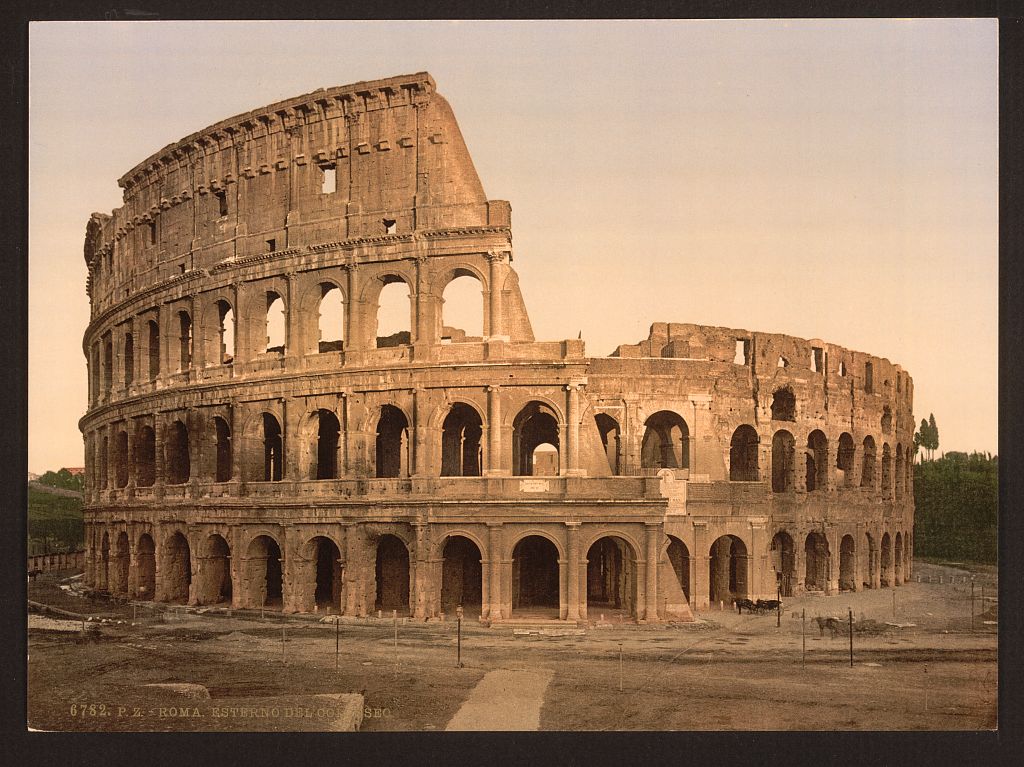
One of these four generals, Vespasian (69 -79 CE) was able to hold on to power. He adopted the name Caesar and the title of Augustus even though he was not at all related to the previous Julio-Claudian Dynasty. He was a man of Equestrian rank who had risen up the ranks of the Roman army. When Nero died in 68 CE, Vespasian was in command of Roman armies that were suppressing the revolt of Judea (Roman armies eventually crushed this revolt and sacked Jerusalem in 70 CE). Vespasian in his administration followed the precedents established by Augustus. For example he ordered the construction of the Coliseum as a venue for his gladiator shows which he provided as entertainment for the Roman masses. He also followed Augustus' example for arranging for family members, his two sons, Titus (79-81 CE) and Domitian (81-96 CE), to succeed him as emperors. Domitian, like Nero, was an insecure ruler and highly suspicious of the Senate; he employed the Praetorian Guard to arrest and execute his critics in that body. In 96 AD his wife worked with members of the Senate to arrange for his assassination.
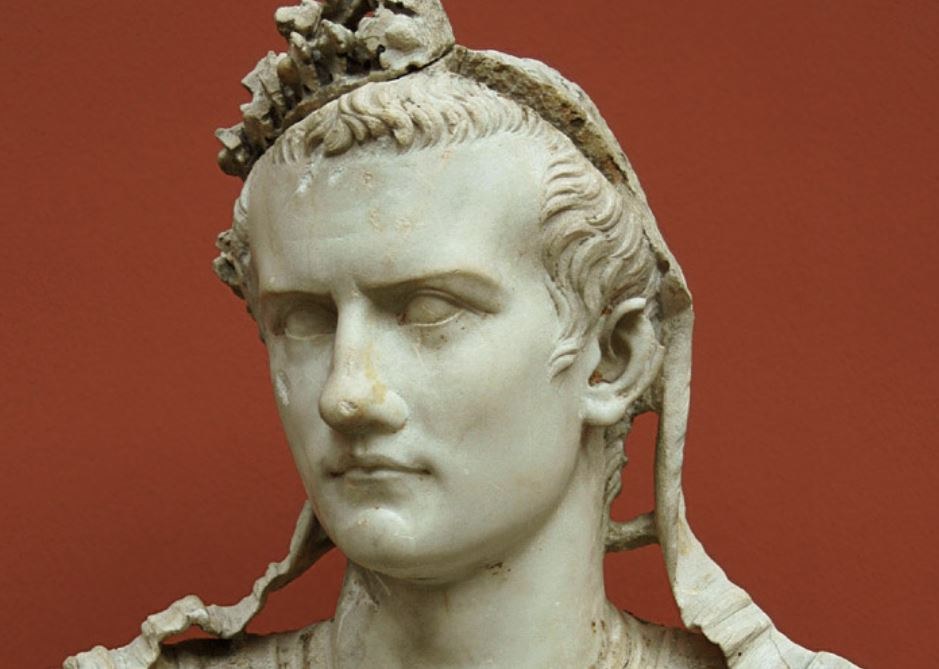
Caligula
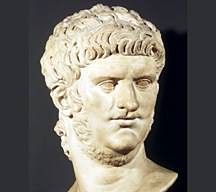
Nero
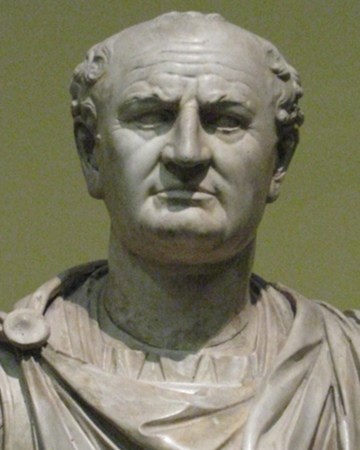
Vespasian
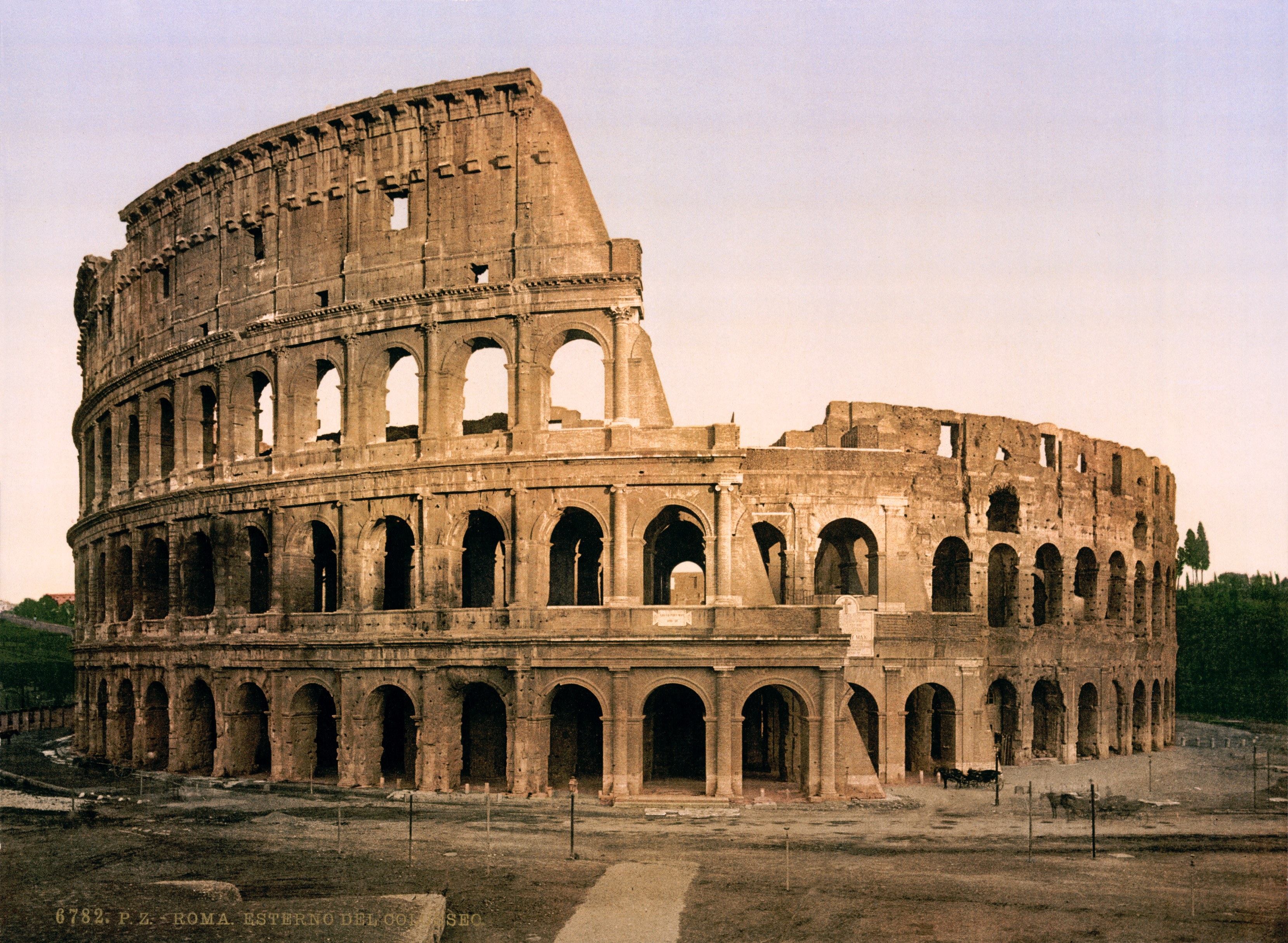
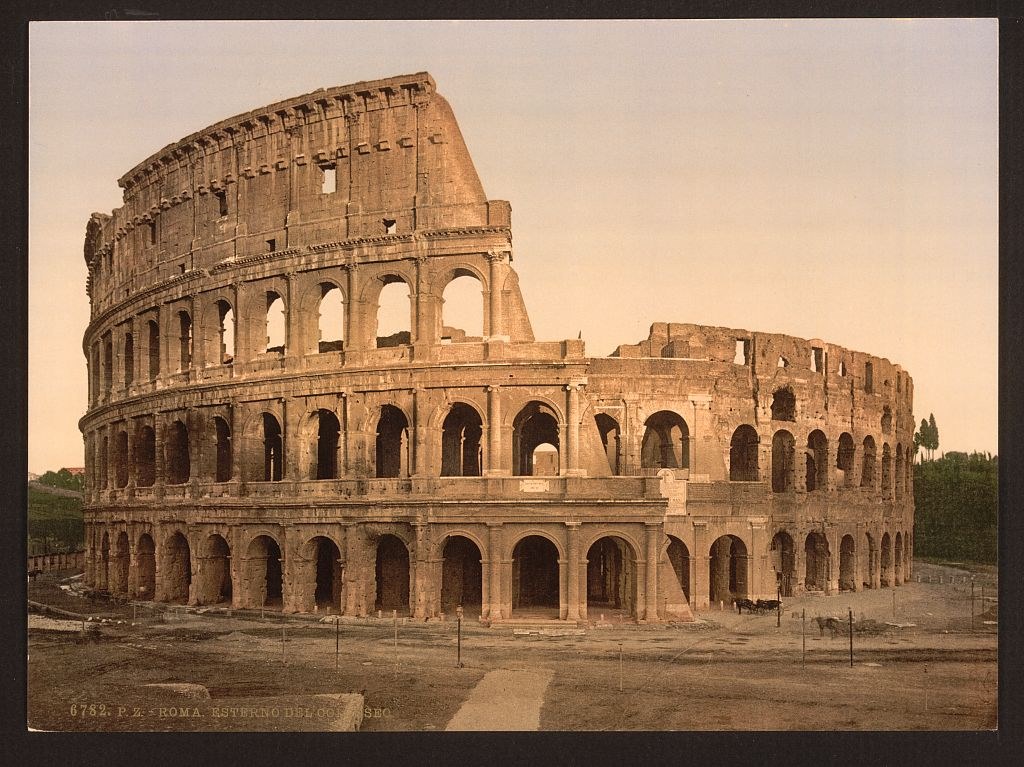
Coliseum
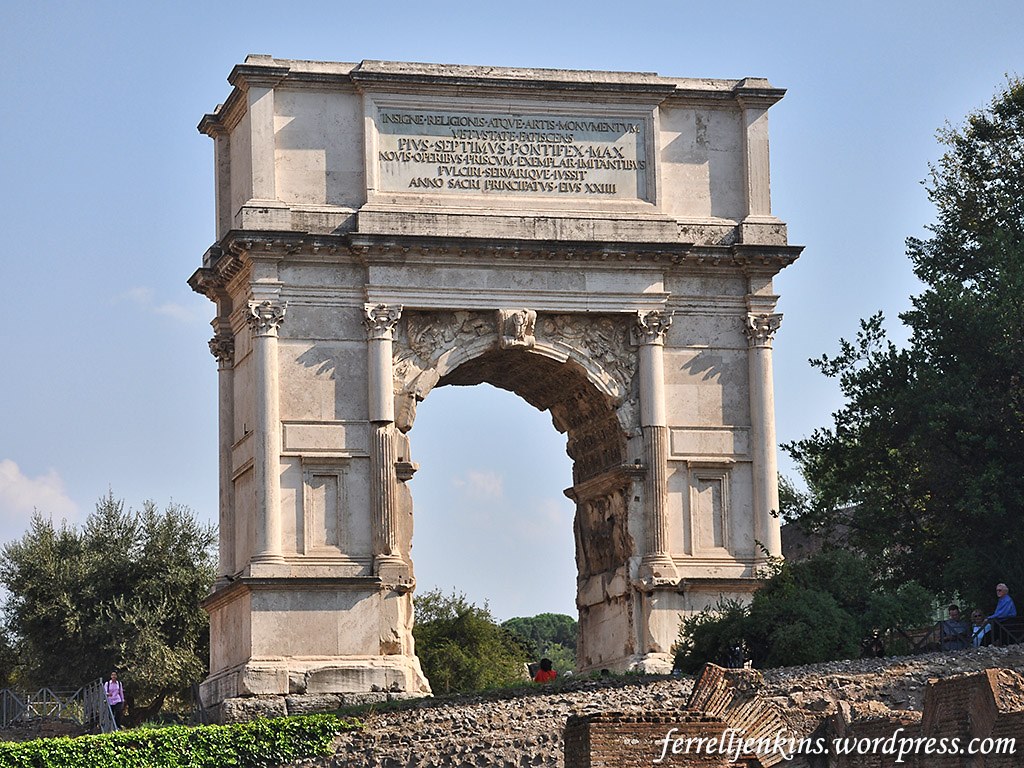
Triumphal arch of Titus after fall of Jerusalem
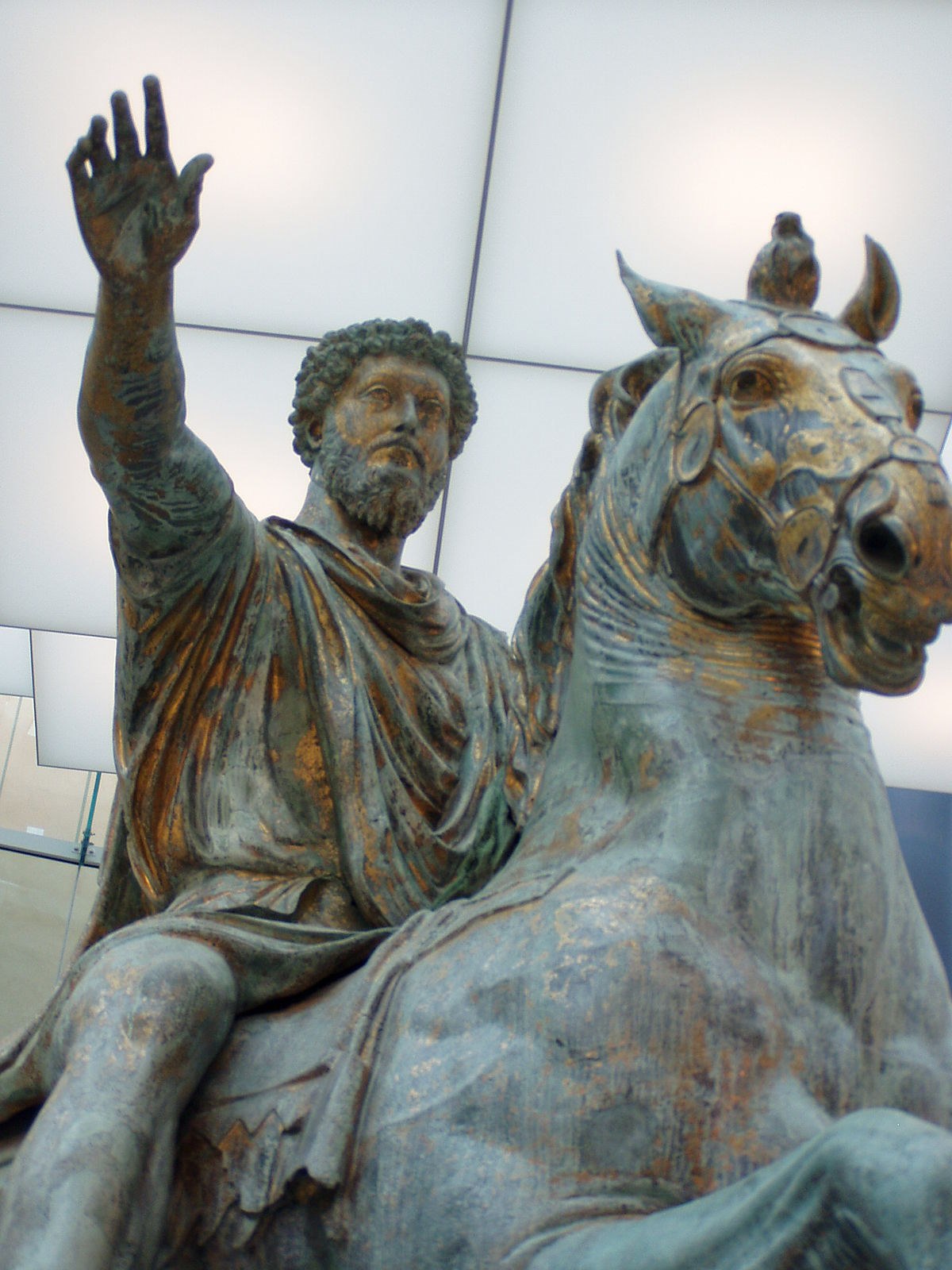
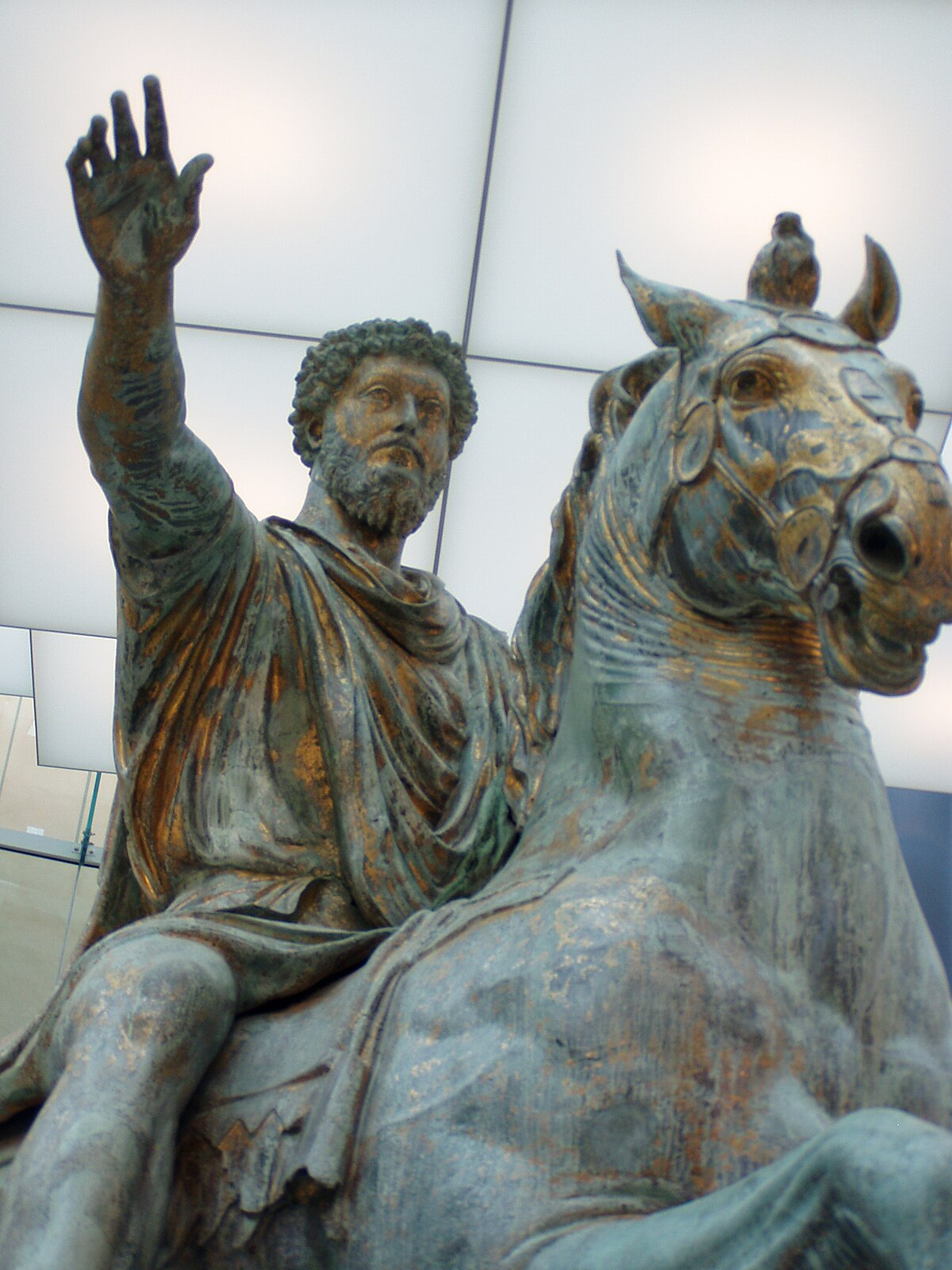
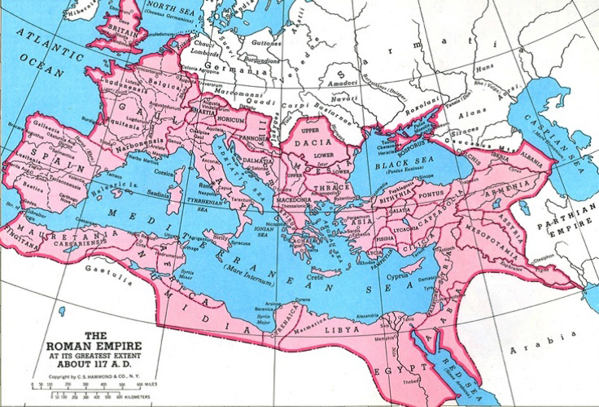
After the Assassination of Domitian in 96 CE, the Senate voted to give the powers of an emperor to one of their own, an elderly Senator named Nerva (96-98 CE). Nerva had no sons of his own, so he adopted as his son and successor as emperor, Trajan (98 - 117 CE), a seasoned general and commander of a large army guarding the Empire along the Rhine River. During Trajan's reign, Roman armies advanced across the Danube River and conquered Dacia (modern Romania). Nerva was the first of the "Five Good Emperors". All five of these emperors worked closely with the Senate as partners in governing the empire. None of these emperors inherited this position. Instead, four of these five emperors had no sons of their own and adopted as their sons and their successors men who had the training, experience, and ability to serve as successful heads of state. The last of these Five Good Emperors was Marcus Aurelius (161-180 CE). Due to the outbreak of plague, the manpower of the Roman armies during his reign was depleted, and Germanic and Iranian tribes from eastern Europe invaded and devastated the empire. Marcus Aurelius, however crushed these invaders and saved the empire from further ruin. Even though he was busy governing and protecting the empire, he still found the time to study philosophy, and he wrote down his ideas in Greek in his Meditations. a classic work of Stoic philosophy. Unfortunately, Marcus Aurelius, did have a son, Commodus (180-192 CE), who did succeed his father as emperor. Commodus proved to be an incompetent and despotic emperor, who like Nero and Domitian, used the Praetorian Guard to eliminate his critics. When his Praetorian Prefect feared that Commodus was planning to eliminate him, the Prefect arranged for Commodus' wrestling coach to strangle Commodus while he was taking a bath.
The Roman empire experienced great prosperity in the second century CE during the period of the Five Good Emperors. Greek and Roman civilization united the empire. Cities in the empire in this period constructed theaters, amphitheaters, public baths, aqueducts, public libraries, and temples using styles of architecture and engineering techniques developed in Greece and Rome. While Latin was the language spoken in cities in the western halve of the empire, Greek was spoken in the cities in the east. In rural areas, various indigenous languages continued to be spoken. The widespread use of Latin and Greek in the empire as well as internal peace and well constructed Roman roads stimulated trade across the empire.
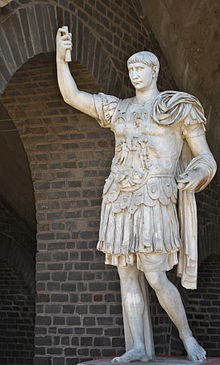
Trajan
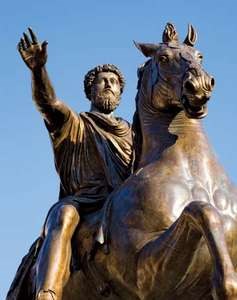
Marcus Aurelius
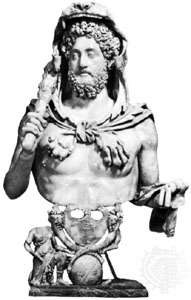
Commodus
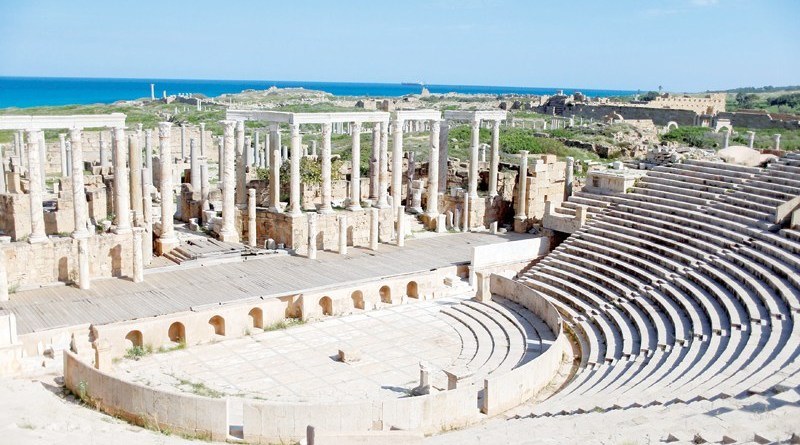
Ruins in Libya in North Africa of Roman theater
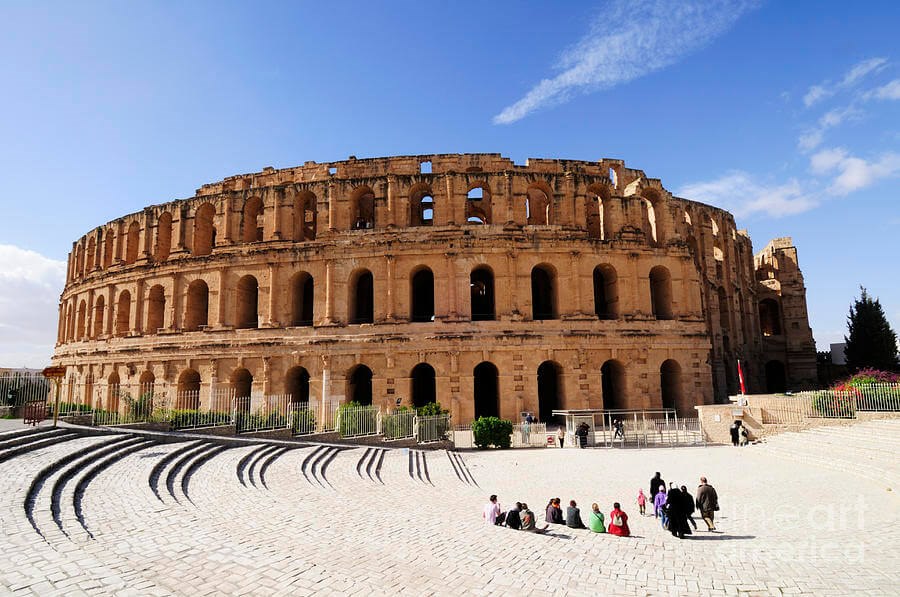
Roman amphitheater in Tunisia in North Africa
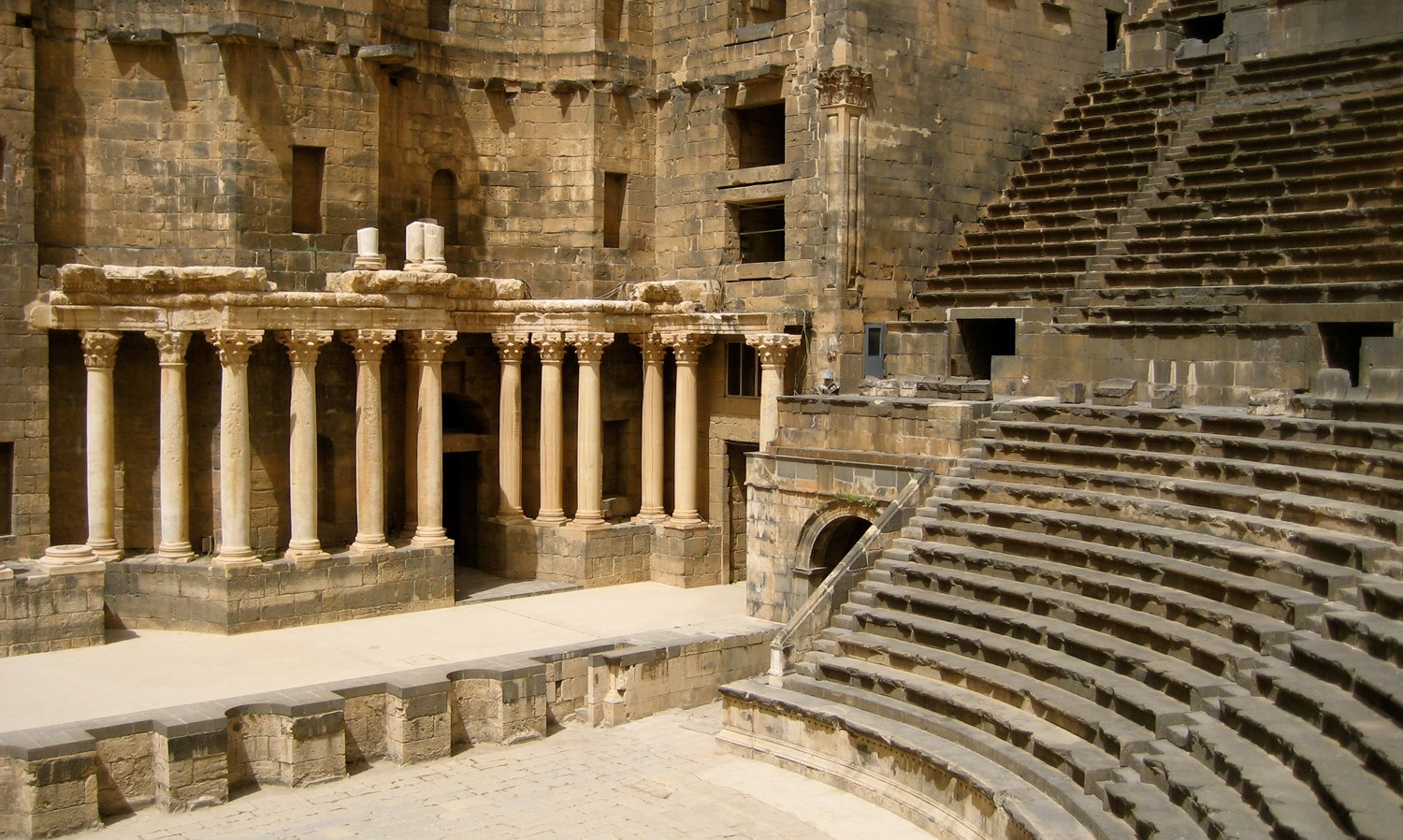
Ruins of Roman theater in Syria
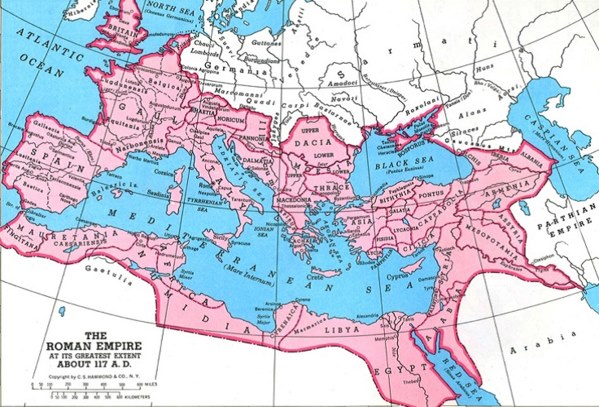
Roman Empire under Trajan
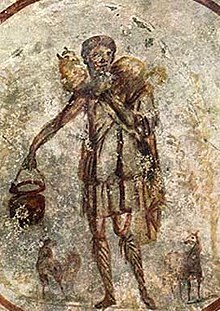
In the period of the Pax Romana a new religion expanded across the Roman empire. This religion originated in Judea during the reign of the emperor Tiberius (14 - 36 CE) based on the life and teaching of Jesus of Nazareth, the Jewish son of a carpenter. During his lifetime many Jews in Judea were expecting the arrival of the Messiah or "anointed one"of the House of King David, as foretold by their prophets, who would restore the kingdom of Israel after centuries of foreign oppression. Jesus claimed to be this Messiah or Christ (in Greek). The Roman authorities who ruled over Judea suspected that this Jesus was a rebel against Rome, and he was executed by crucifixion, a common way to put criminals to death at that time. Decades after Jesus' death, his followers compiled different accounts of Jesus' life and teachings. The four most authoritative accounts became known as the Four Gospels ("Good News"), which were attributed to four apostles (teachers), Matthew, Mark, Luke, and John. Together these accounts form the basis for the New Testament. Christians regard the Hebrew Old Testament and this New Testament as their holy scriptures. According to the Gospels, Jesus is the Christ and King, but his kingdom is not of this world. Moreover, the real oppressor was not Rome or any earthly kingdom, but wrongdoing or sin committed by people, which resulted in their punishment through death and damnation to hell, a place of eternal suffering. Jesus, according to these Gospels, the Son of the Hebrew God, took away this sin and delivered mankind from death and suffering by willingly offering himself as a sacrifice for all sin. Whoever accepted Jesus through faith as the Christ and Son of God would escape death and suffering in hell and enjoy eternal life in the Kingdom of Jesus. As a sign of this victory over death, Jesus himself reportedly rose from the dead after his crucifixion and revealed himself to his followers.
One of the most influential apostles of this new faith was Paul of Tarsus (a city in southeastern Turkey). Between around 44 and 64 CE he traveled across much of the eastern half of the Roman Empire and preached the Gospel to both Jews and Gentiles (non- Jews) in the Greek speaking cities of the empire. The internal peace in the empire enabled Paul to travel easily and found new congregations of Christians in these cities. Paul also wrote letters in Greek to these congregations to address various religious issues that had arisen within these congregations. Paul's letters also became part of the New Testament, along with the Four Gospels, that were also written in Greek.Through these letters such as Paul's Letter to the Romans, Paul formulated a rational, theological system for the new faith.
The early Christian congregations or churches were subjected to persecution. Since Christians refused to take part in public, pagan worship or attend the the theater or gladiator contests, which Christians considered immoral, many people concluded that Christians were atheists and strange. Since Christians refused to worship Roman emperors, people also assumed that Christians were disloyal traitors. Many people in the Roman empire feared that the gods would punish atheists and communities that tolerated such atheists with calamities and disasters. Consequently whenever communities in the Roman Empire experienced a disaster such as a plague or a terrible accident, the people would demand that Christians be put to death to appease the gods. In times of persecution, Christians were thrown to the lions in city arenas to entertain and please the mobs. In 64 CE, for example, a terrible fire devastated the city of Rome, and people blamed the Christians. The persecution ordered by the emperor Nero resulted reportedly in the execution in Rome of two leading Christian apostles, Simon Peter and Paul of Tarsus.
Despite this persecution, the new religion continued to gain new converts. Some historians attribute this growth to the popularity of mystery religions in these cities such as the cults of Isis and Mithras. Like these cults, Christianity offered the faithful eternal life through a personal relationship with a deity. Also Christianity, like these other mystery cults featured certain rituals (mysteries) such as baptism and a communal meal (communion) whose significance was only known to the followers of the cult. Another factor in the growth of the new religion was the work of Christian Apologists such as Justin Martyr (around 160 CE). These Apologists wrote and published works that attempted to prove that the teachings of Christianity were in harmony with the ideas of great Greek and Roman lawgivers and philosophers, such as Socrates. These Apologists stressed that Christians were not atheists nor strange and immoral traitors. Christians in this period believed that the growth of their faith was the result of the martyrs (witnesses). Martyrs witnessed for Christ by refusing to deny their faith, when Christians were facing persecution. Justin the Apologist earned the name of Martyr when he was executed after refusing to deny Christ. Christians believed that people who witnessed the faith and commitment of these martyrs were moved to convert to Christianity.