Course Lecture 6: The Hapsburg Dominions in the 17th Century
Modern World6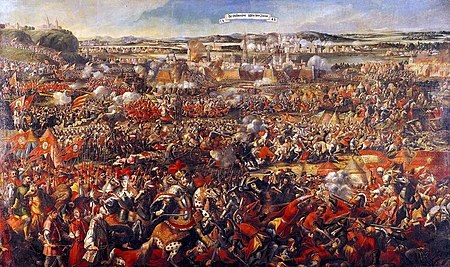
Whereas in the 16th century the Hapsburg Dynasty had dominated Europe, in the 17th century the Hapsburg Dynasty was eclipsed by the Bourbon dynasty as the leading ruling family in Europe. Under Hapsburg rule, Spain experienced a slow decline as a world power in this century despite its massive overseas empire. The War of Spanish Succession saw the replacement of the Hapsburg Dynasty with the Bourbon Dynasty as the ruling family in Spain. The Austrian Hapsburg dynasty failed to unite the German states of the Holy Roman Empire under its leadership in the Thirty Years War (1618-1648), but as result of wars against the Ottoman Empire and the War of Spanish Succession, the Austrian Hapsburg dynasty by 1714 had fastened together a multi-ethnic empire that was largely based in Central Europe.
Spain at the beginning of the 17th century still commanded an immense empire both in Europe and in the Western Hemisphere. Over the course of this century, the output of the silver and gold mines of Peru and Mexico actually increased. Yet over this same period Spain's standing as a world power steadily deteriorated. This situation resulted from Spain's corrupt and inefficient royal government and the high cost of maintaining its overseas empire.
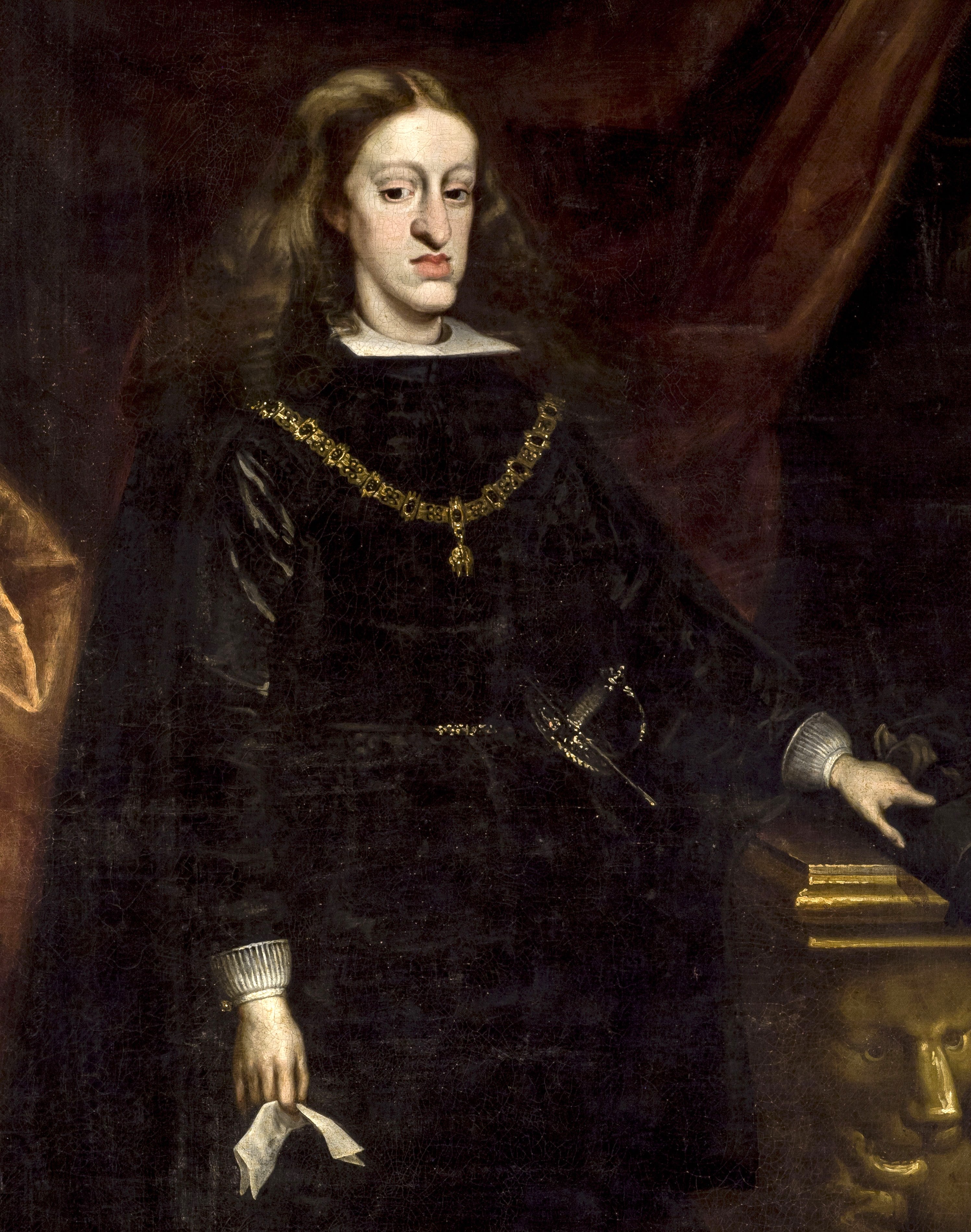
Philip II had created a highly centralized bureaucracy to govern his empire. His heirs and successors, Philip III (1598-1621), Philip IV (1621 - 1665), and Charles II (1665-1700), lacked his intelligence, stamina, and energy to maintain an efficient government. Charles II, in fact, suffered from mental illness. These kings all left the task of governing to their inept ministers, who often devoted their time to advancing their own interests. For example, Gaspar de Guzmán y Pimentel, Count-Duke of Olivares was the favorite and chief minister to Philip IV for over 20 years (1621 -1643). Over this period, Olivares, who also suffered from mental illness, packed an already bloated bureaucracy with his cronies so that he could personally monopolize the royal government. Spanish aristocrats often paid bribes to receive appointments to positions in the royal bureaucracy since such appointments enabled them to collect a salary, accept bribes, and become exempt from taxes. As a result of this inefficient and corrupt government, the Spanish government fell heavily into debt to foreign bankers from Italy, the Netherlands, and Germany. Consequently, the gold and silver of the New World went to these bankers to cover these debts. Even with this gold and silver, the royal government to pay its debts, had to raise taxes in Spain, which fell largely on the peasants and middle class since the Roman Catholic Church with its large land holdings was exempt from taxation, as were largely the landed nobility, who held positions in the Spanish government.
Over the course of the 17th century the economy of Spain stagnated due in part to the burden of this heavy taxation and other policies of the Spanish government. In 1609 the Spanish government expelled an estimated 250,000 Moriscoes, who were the descendants of those Muslims, who had converted to Christianity in 1492 to avoid expulsion, but had retained their Moorish language and customs. Many Roman Catholic Spaniards suspected that these Moricoes still practiced their Muslim faith in secret. The expulsion of the Moriscoes damaged the Spanish economy since many Moriscoes were skilled artisans and merchants. Unfortunately the Moriscoes were unwelcome in Muslim North Africa since they had converted to Christianity; many of them perished from hunger and disease or were enslaved. The economy of Spain in this period also suffered from the emigration of its middle class to the Spanish Empire in the Western Hemisphere. Every year an estimated 4000 Spaniards on average left Spain for a new life in the New World. Many of these settlers in the New World were descended from Jews and Moors and faced discrimination in Spain. In Mexico and Peru, however, they became members of the ruling elite.
Philip III
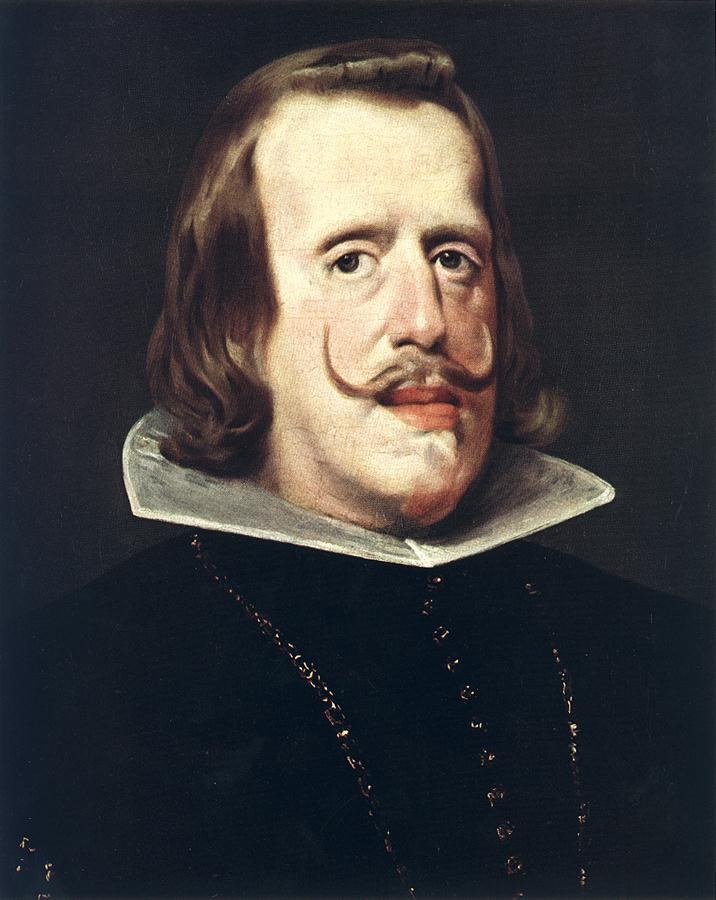
Philip IV
Charles II
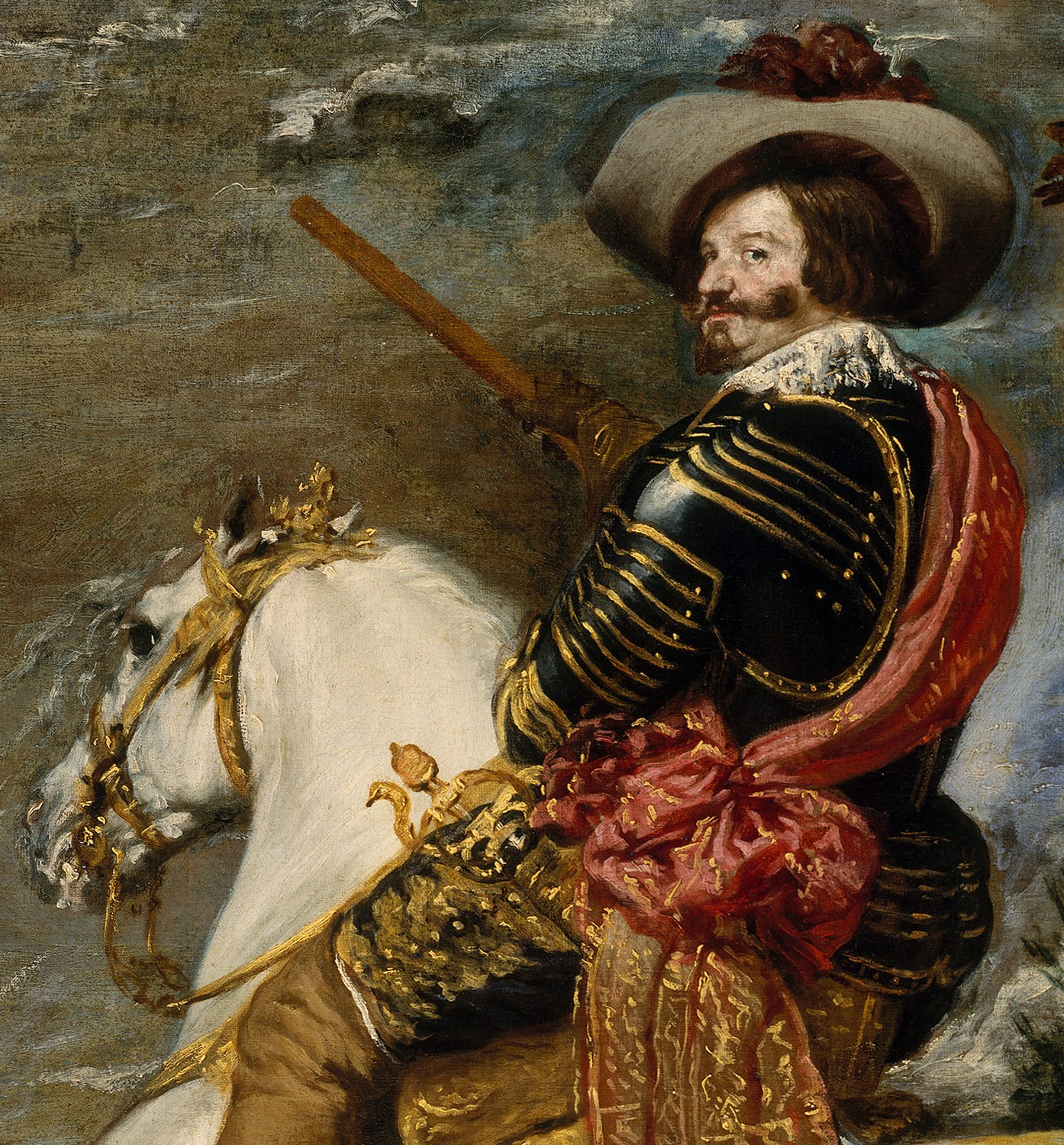
Gaspar de Guzmán y Pimentel, Count-Duke of Olivares
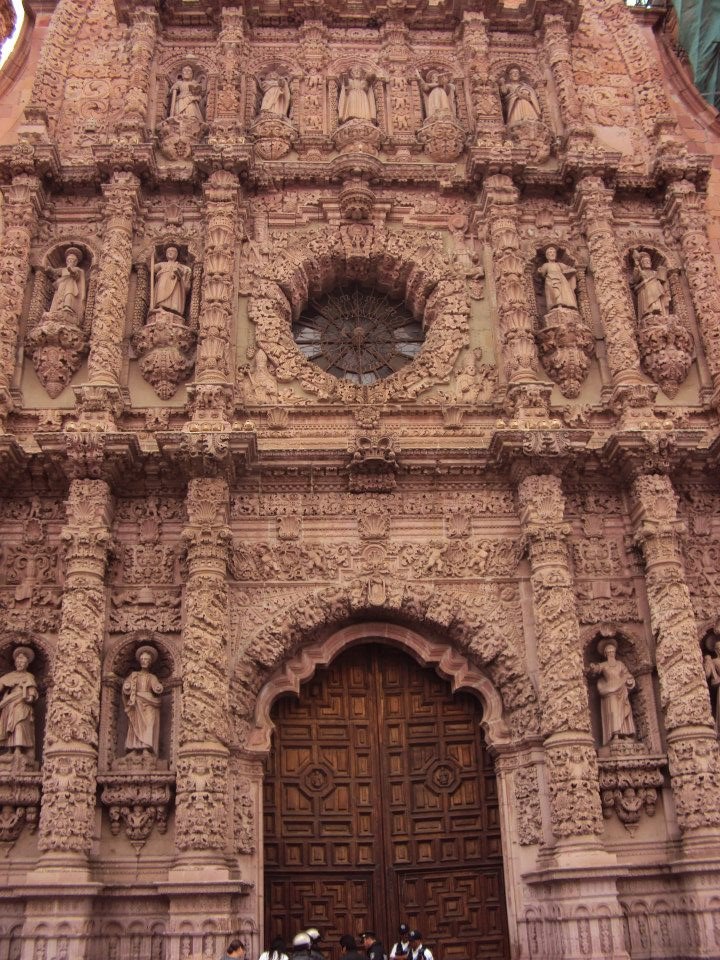
While Spain was languishing economically in the 17th century, the colonies of New Spain (Mexico) and Peru in North and South America were experiencing rapid economic growth and expansion. Because the Spanish royal government was weak and inefficient in this period, local officials in the New World by default ran the colonial governments. These government officials were often Creoles, who were born in these colonies and descended from European settlers. In Mexico and Peru, the indigenous non-European population, who were the majority of the population, constituted the lower class and worked along with African slaves as laborers. The prosperous, Creole landowning elite desired European manufactured goods and exchanged agricultural products (sugar, tobacco, hides) for these goods with mostly Dutch and English merchants. The prosperity of Mexico in this period was reflected in the construction of immense Baroque cathedrals.
In the 17th century, Spain expanded its colonies in South America into the regions of modern Chile and Argentina. The Spanish had established settlements at Santiago (Chile) in 1541 and Buenos Aires (Argentina) in 1580. In the 17th century, however, European settlers arrived in larger numbers. In these regions the indigenous population was not as large nor organized into complex states, as had been the populations of Mexico and Peru. Nonetheless, the Mapuche people of Chile fiercely resisted European settlers in the Araucanian Wars in the 17th century. Over time, the European population in these regions came to outnumber of the indigenous population. In Chile and Argentina, the European settlers were not only from Spain, but from the Netherlands, Germany, and Ireland.
Spain's constant wars in the 17th century to maintain control over its overseas empire were main cause of the kingdom's financial woes. Spain never recognized the independence of the Dutch Netherlands. Consequently Spain waged war against the Dutch Netherlands and its Protestant allies in the Thirty Years War. Under the terms of the Peace of Westphalia, that ended this conflict in 1648, Spain formally recognized Dutch independence. However, France had its eye on the Spanish Netherlands (modern Belgium) and the two kingdoms waged war until 1660 and the Peace of Pyrenees, in which Spain ceded some of this territory to France. Since Louis XIV desired to annex all the Spanish Netherlands, Spain fought wars against France in the War of Devolution (1667 - 1669) and the War of the League of Augsburg (1688-1697).
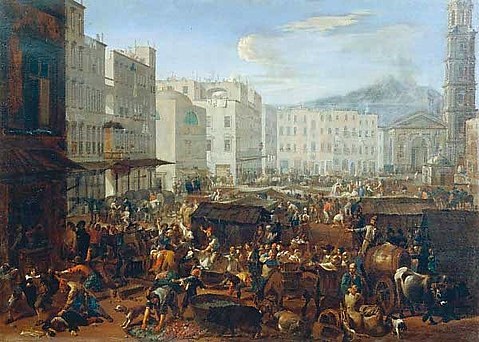
In these wars Spain was most often allied with Hapsburg Austria, but Spain alone faced a number of rebellions within its empire. In 1640, Portugal revolted and declared its independence from Spain. The Portuguese resented heavy taxes and the Spanish officials from Castile, whom the Spanish government appointed to govern Portugal. In 1640 the Portuguese Cortes (the Portuguese estates-general) chose Juan IV of Braganza as king of Portugal. Spain waged war unsuccessfully against Portugal until 1668, when Spain formally recognized Portuguese independence. In 1640 Catalonia also revolted against Spain and declared itself an independent republic, like England under the Commonwealth. Catalonia was a region in eastern Spain based around the city of Barcelona, whose inhabitants spoke Catalan, which was a dialect of Spanish quite distinct from the Spanish spoken in Castile in central Spain. Initially the revolt had the support of the landed nobility in Catalonia, who resented the royal officials from Castile, who were appointed to govern the region, and high taxes. Over time this rebellion transformed into a social revolution as the Catalan peasants rose up against their aristocratic landlords. Consequently, the frightened landed nobility in Catalonia made peace with the Spanish government, and the rebellion and the republic ended in 1659. Over in Italy the Spanish government faced rebellions in the kingdom of Sicily in 1646 and Naples in southern Italy in 1647. In both places, the local landed nobility initially supported the rebellions for the same reasons as did the nobility in the revolts in Portugal and Catalonia, unpopular Spanish officials and high taxes, but in Italy as well as in Catalonia, these aristocrats surrendered to Spain when these rebellions resulted in widespread peasant uprisings. In Naples the poor rallied around a local fisherman, Masaniello, who urged his followers to slaughter the nobles until agents of the nobility assassinated him.
Spain's century of war concluded with the War of Spanish Succession. After the death of Charles II in 1700 without any children, Philip of Anjou assumed the throne, as Charles' closest male relative. In this war, the region of Castile supported Philip's claim to the Spanish throne, whereas Catalonia favored Charles, the Austrian Hapsburg as king. Under the terms of the Peace of Utrecht, which ended this war, Philip of Anjou became recognized as the first Spanish king of the Bourbon Dynasty, but Spain lost its overseas territories in Europe, the Spanish Netherlands, the Duchy of Milan, and the kingdoms of Sicily and Naples in Italy, while retaining its empire in the Western Hemisphere.
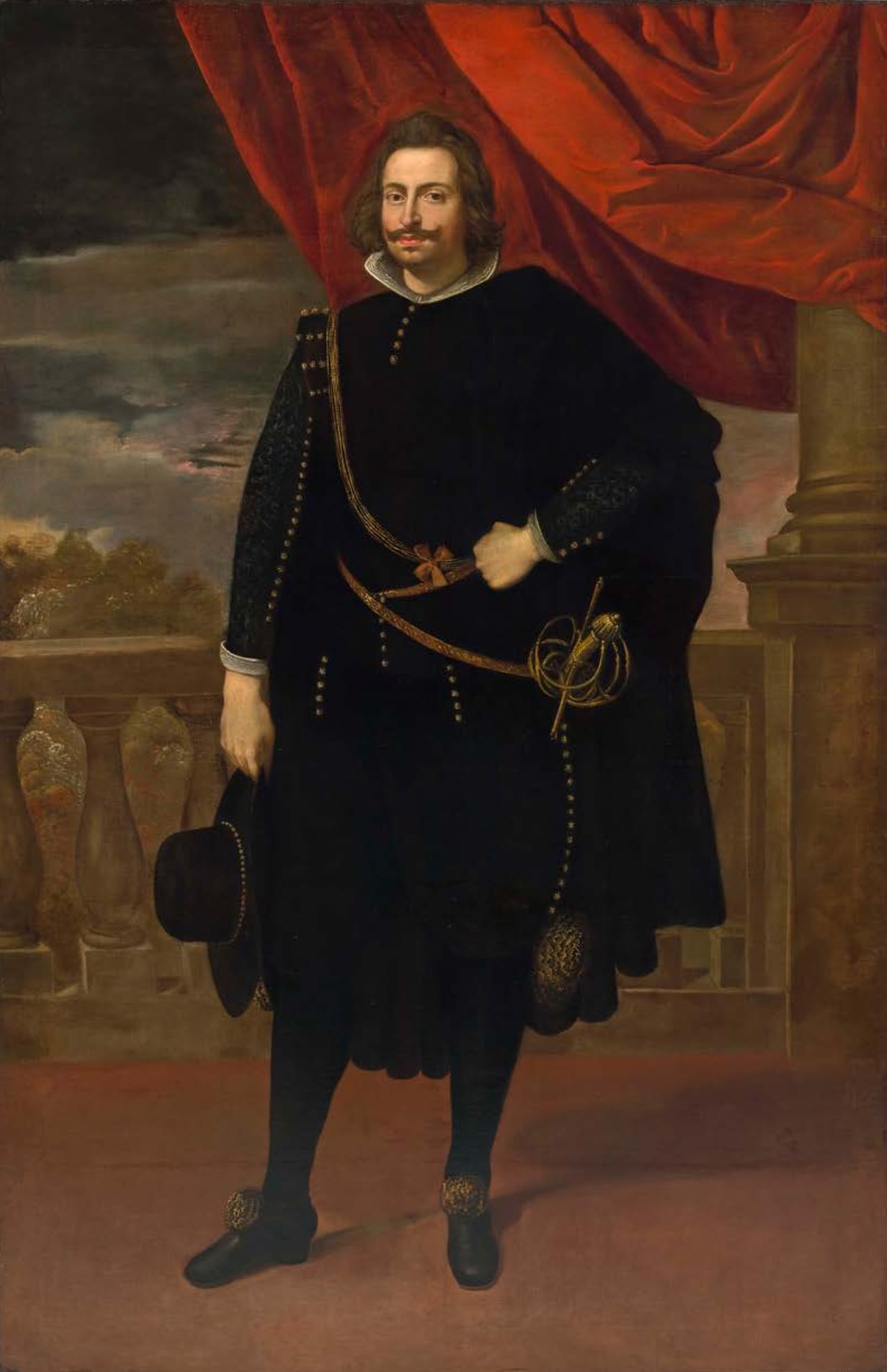
Juan IV of Portugal
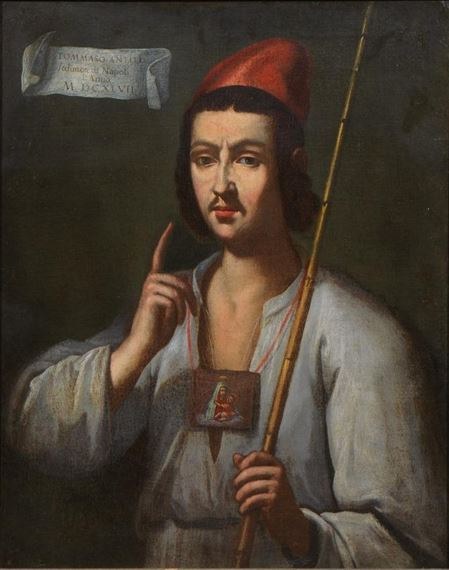
Masaniello
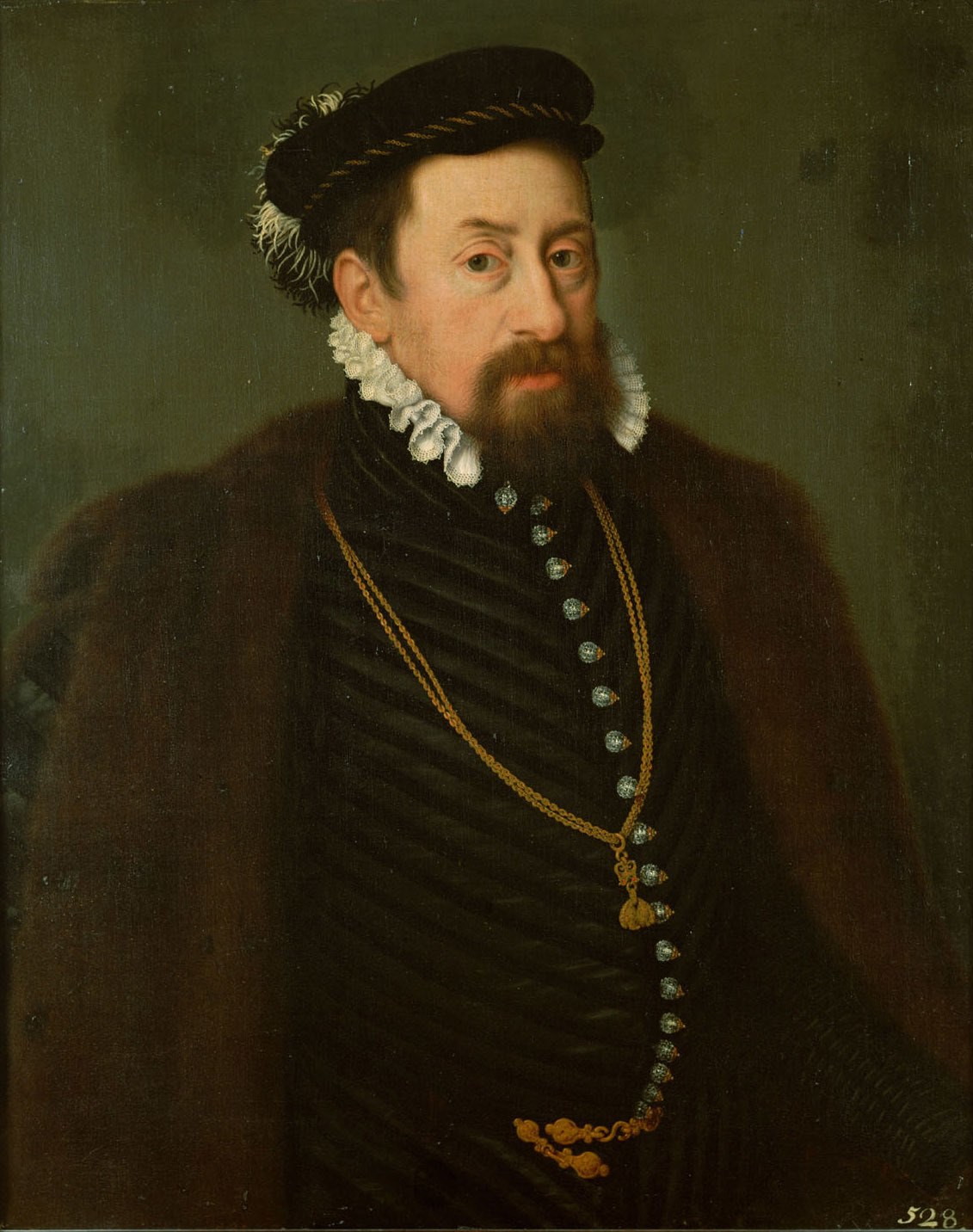
After the abdication of Charles V in 1555, the Austrian branch of the Hapsburg family ruled as Archdukes of Austria, kings of Bohemia ( modern Czech Republic) and Hungary, and as the elected Holy Roman Emperors. During the reigns of the Hapsburg rulers, Ferdinand I ( r. 1555-1564), Maximilian II (r. 1564- 1576), and Rudolf II (1576 - 1612), an uneasy peace existed between the Protestant and Roman Catholic states of the Holy Roman Empire as a result of the Peace of Augsburg in 1555. The focus of these emperors was the defense of their realm from the Ottoman Empire. In 1566 the Ottoman Turks launched a massive offensive to conquer the remaining portions of Hungary not already under their control. The death of the Ottoman Sultan, Suleiman, in 1566 halted this offensive, and two sides agreed to a truce in the Peace of Adrianople in 1568. In 1590, the Ottoman governor of Bosnia, Pasha Hassan, invaded the Hapsburg kingdom of Hungary to punish bandits from there who were often Christian Serbs and Croats. Pasha Hassan was also seeking to plunder the territory and capture Christians to sell as slaves. When the Ottoman Sultan refused to punish this governor, the Hapsburg ruler, Rudolf II, declared war and the Fifteen Year War began (1593 - 1608). Over the course of this conflict neither side won any advantage, and the war ended in a draw; but the war did increase religious tensions. During this war, the overzealous, Roman Catholic armies of the Hapsburg ruler often targeted Protestant communities in that part of Hungary under Ottoman control. The Ottoman Empire allowed these Protestants to practice their faith as long as they paid the poll tax (Jizya), which was required from all non-Muslims in the Ottoman Empire. In Hungary, Hapsburg troops attacked the Hajduks, who were nomadic herdsmen who had converted to the Calvinist faith and the Reformed Church. News of these attacks alarmed Protestants across the Holy Roman Empire and set the state for the outbreak of the Thirty Years War, just ten years after the end of the Fifteen Years War. Not all of the Hapsburg troops who fought in that war against the Turks were Roman Catholics. Among their ranks was an English mercenary, Captain John Smith, who would later be among the founders of the English colony at Jamestown in 1607. He reportedly was knighted for slaying and beheading three Turks in single combat, and later his own head was spared due to the intervention of an Algonquin princess, Pocahontas.
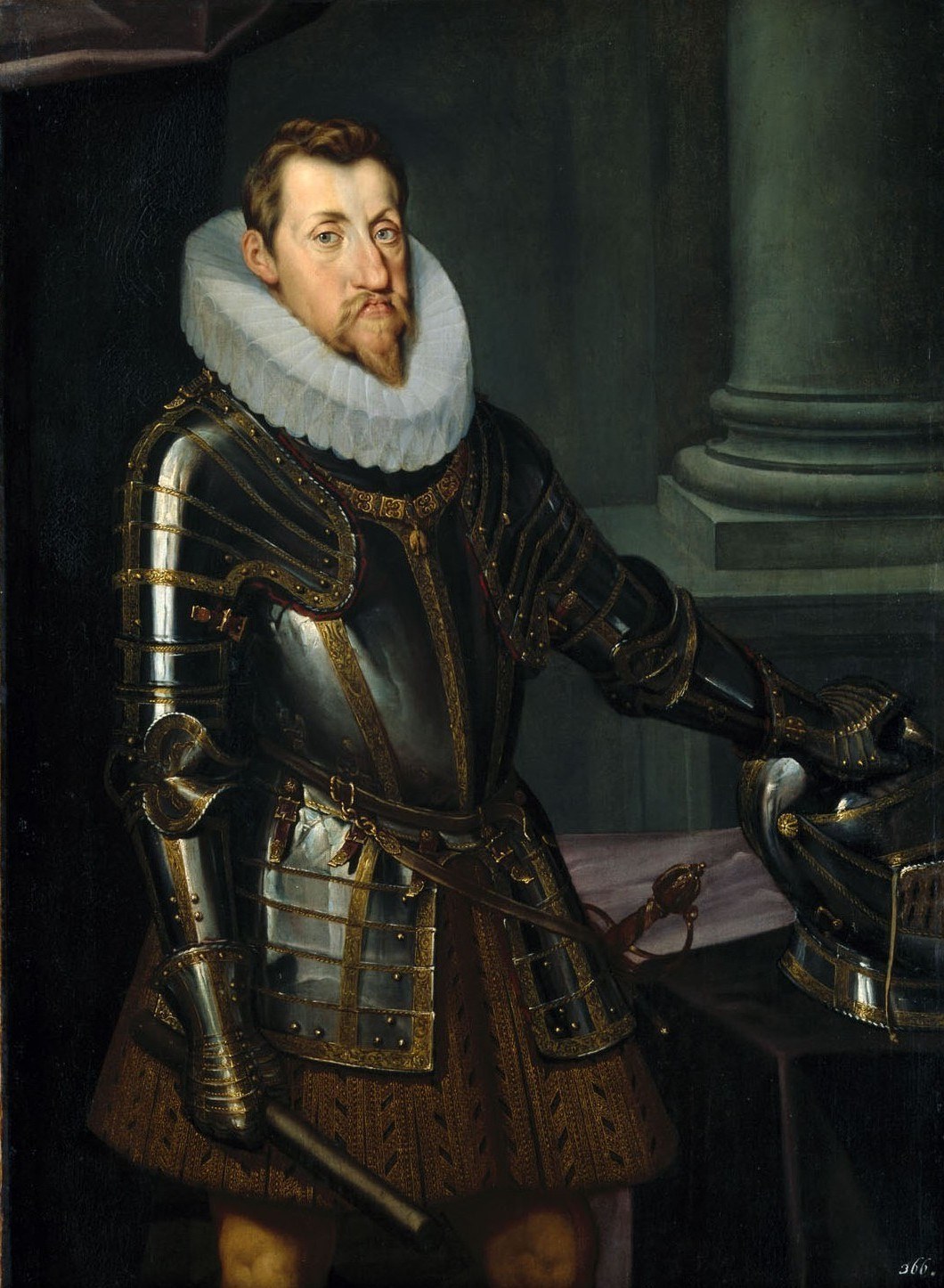
The Thirty Years War was precipitated by the succession of Ferdinand of Styria as the heir of the Hapsburg dominions. Rudolf II as Holy Roman Emperor was rather indifferent to religion and a enthusiastic practitioner of the occult arts. The emperor was nominally Roman Catholic, and he did not impose this faith on his subjects in Bohemia, where he resided at his capital at Prague. In Bohemia much of the population converted to the Protestant faith, to both the Lutheran and Reformed (Calvinist) churches. Rudolf II had no children, and upon his death in 1612 , his cousin Matthias (r. 1612 -1619) inherited the Hapsburg territories. But Matthias also had no children, and his heir was his cousin, Ferdinand of Styria. The Protestants in Bohemia were horrified at the prospect of Ferdinand becoming the king of Bohemia since Ferdinand was a devout Roman Catholic and educated by Jesuits. Many Protestants across Europe viewed Jesuits as evil agents of Satan himself. In 1618 Mathias nominated his cousin, Ferdinand, as his heir and next king of Bohemia to the Bohemian Diet (assembly), representing the landed nobility. Instead of approving this nomination, the Protestants in the Diet rejected Ferdinand's nomination and threw Matthias' representatives out of the window in the building where the Diet was meeting in Prague. This event became known as the Defenestration of Prague. The Bohemian Diet then offered the throne to Frederick, the Prince Elector of the Rhine Palatinate, who was Protestant and married to Elizabeth, the daughter of James I of England (George I of England was Frederick's descendant). When Frederick received and accepted this offer to become king of Bohemia, Ferdinand contested this claim, and the Thirty Years War began.
At the beginning of this war, Ferdinand of Styria became Holy Roman Emperor Ferdinand II in 1619 following Matthias' death. To secure funds and troops for this war, Ferdinand became allies with Maximilian, the Roman Catholic Prince Elector of Bavaria in southern Germany. In return for Maximilian's support, Ferdinand promised Maximilian the territory of the Rhine Palatinate, after the defeat of Frederick. Frederick in turn made an alliance with the Gabriel Bethlen, Ottoman governor of Transylvania (modern western Romania), who was Hungarian and a Protestant, as the Ottoman Empire was the enemy of the Hapsburg emperor. In 1620, the combined armies of Ferdinand and Maximilian defeated their enemies at the Battle of White Mountain near Prague. Frederick afterwards abandoned Bohemia and the Rhine Palatinate and spent the rest of his life in exile in the Dutch Netherlands until his death in 1630. Meanwhile, in Bohemia Ferdinand assumed the throne and ordered that the Protestant nobles in Bohemia either convert to the Roman Catholic faith or lose their lands. Ferdinand's revenge on the Protestant nobles in Bohemia stirred up fear among the Protestant princes in the Holy Roman Empire that they might be Ferdinand's next victims.
In 1621 Maximilian of Bavaria was in control of the Rhine Palatinate, as he had been promised by Ferdinand. Maximilian and Ferdinand allowed the forces of the Spanish Hapsburg king, Philip IV to use the Rhine Palatinate to launch an invasion of the neighboring Dutch Netherlands. The Dutch then in desperation promised funds to the Protestant princes of the Holy Roman Empire if they would go to war with the Roman Catholic rulers, Ferdinand and Maximilian. One of these Protestant princes took up the Dutch offer. Christian IV was the Lutheran king of Denmark, but he was also duke of the German duchies of Holstein and Schleswig in northern Germany. Between 1625 and 1629, Christian IV led an alliance of the Protestant states in the Holy Roman Empire against the Ferdinand II and his Roman Catholic allies. Ferdinand II had one of the great military minds serving under him, Albrecht von Wallenstein (1583- 1634). Wallenstein was a Czech nobleman in Bohemia, who made a great fortune acquiring the confiscated estates of Protestant nobles in Bohemia after 1620. As supreme commander of the Hapsburg armies, he won victories over his opponents simply by making sure that his mercenary soldiers were well fed and rested before battles. Wallenstein was a logistical genius, who always secured food, supplies, and pay for the soldiers under his command. In 1629 Christian IV and the Protestant princes sued for peace and agreed to the Peace of Lubeck to end the war. Ferdinand II in triumph issued the Edict of Restitution in 1629. Under the terms of this edict, the Protestant princes in the Holy Roman Empire were required to return all the lands of the Roman Catholic Church that they had confiscated since the Protestant Reformation of the previous century. If this edict would have been enforced, the Protestant princes in northern Germany would have lost a great deal of wealth and property, and the power of the Hapsburg emperor would have greatly increased since these returned lands would be administered by pro-Hapsburg Roman Catholic clergy. The Protestant princes, however, refused to submit to this edict, and the war continued.
In 1630, the Dutch Netherlands and Protestant princes rallied together under the leadership Gustav Adolph, the Lutheran king of Sweden. Gustav Adolph, like Christian IV before him, was motivated to fight more by the opportunity to win territory for his dynasty, the Vasas, in the Holy Roman Empire than by his religious faith. Under his leadership the Protestant armies won victory after victory between 1630 and 1632. Protestant armies ravaged Roman Catholic southern Germany. In 1632 however, Gustav Adolph died in battle, leading his army to victory at the Battle of Lutzen. His heir and successor in Sweden, Christina, was only a child, so the Protestant states were left without a leader following his death (Ironically, Christina abdicated the Swedish throne in 1654, converted to Roman Catholicism, and moved to Rome, where she became a great patron of the arts and sciences.)
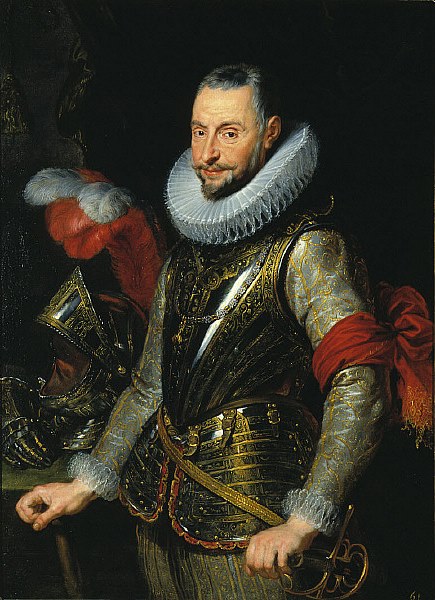
After 1632 and the death of Gustav Adolph, the Ferdinand II and his Roman Catholic allies went on the offensive and invaded Protestant northern Germany. The new commander of the Roman Catholic armies in 1634 was Ferdinand of Spain, the brother of the Philip IV of Spain, nephew of the Holy Roman Emperor Ferdinand II, and a Cardinal of the Roman Catholic Church. Ferdinand II had suspected the former commander, Wallenstein, of treason and ordered Wallensteins' assassination in 1634. In 1635 the defeated Protestant states sued for peace and agreed to the Peace of Prague. under the terms of this treaty, the Protestant princes agreed to convert to the Roman Catholic faith, but they were not required to forfeit any lands of the Roman Catholic Church that had been previously confiscated. Under the terms of this treaty, the Protestant faith would have been tolerated in only a handful of German cities of the Holy Roman Empire. This treaty marked a great victory for the Hapsburg Dynasty and the Roman Catholic Church.
Cardinal Richelieu of France, however, saw a Hapsburg victory in this war as a threat to his plans to elevate the Bourbon Dynasty of France as the dominant dynasty in Europe. Consequently in 1635, Roman Catholic France entered this war as an ally of the Dutch Netherlands, Sweden, Denmark, and the Protestant princes of the Holy Roman Empire to prevent the Peace of Prague from being enforced. Troops and funds from France reinvigorated the Protestant allied forces against Ferdinand II and his Roman Catholic allies. Between 1635 and 1648 these rival armies plundered and ravaged Germany. The German people witnessed their farms and towns being raided by mercenary armies composed of soldiers from all across Europe. Moreover famine and epidemic diseases decimated the population of Germany. Historians estimate that the German population didn't return to levels prior to this war for over a century. The German people never forgot their weakness and helplessness in this period, as foreign armies pillaged their land. This hostility and distrust of foreigners would circulate within Germany through the 19th and 20th centuries.
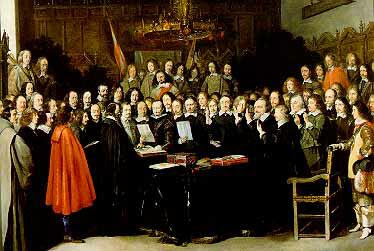
In 1648, the warring sides reached a peace agreement with the Peace of Westphalia. Under the terms of this treaty, Spain formally recognized the independence of the Dutch Netherlands (the United Provinces), thereby ending the 80 Year War between Spain and the United Provinces. Also Sweden and France secured territories from the Holy Roman Empire; Pomerania (modern northwest Poland) went to Sweden, and France annexed most of Alsace along the upper Rhine River. Under the terms of this peace, the Reformed Church (Calvinists) joined the Lutheran and Roman Catholic Churches as a recognized church of the Holy Roman Empire. The victory of France and its Protestant allies in this war ended any hope for a more unified Holy Roman Empire under the leadership of the Hapsburg emperor. The Peace of Westphalia recognized the Holy Roman Empire as a weak confederacy of over 300 independent, sovereign states
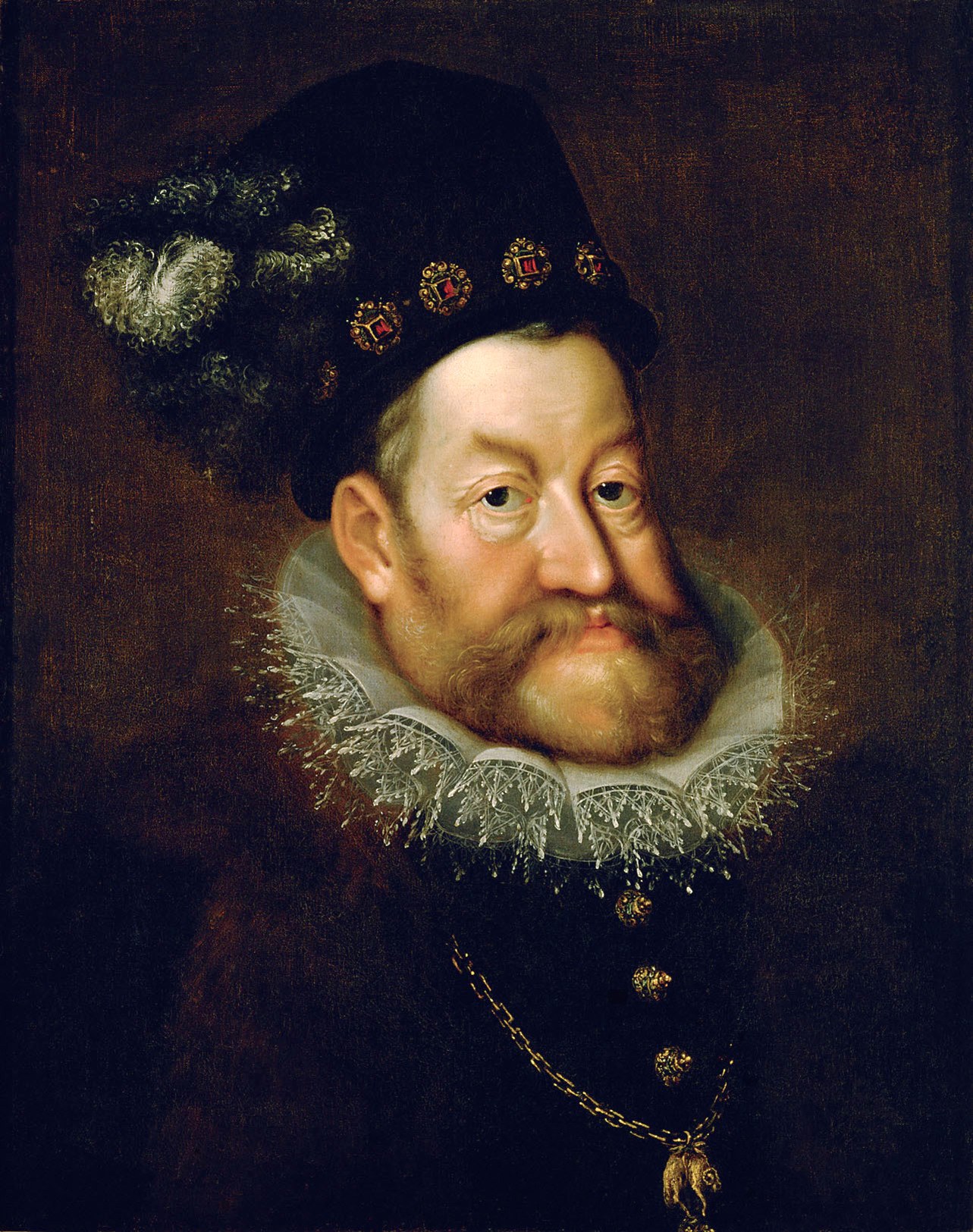
Rudolf II
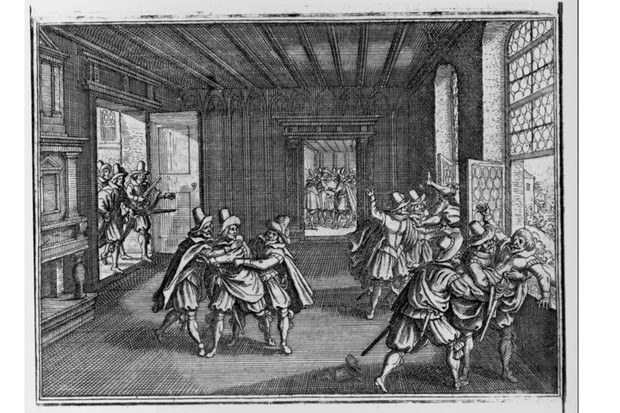
The Defenestration of Prague
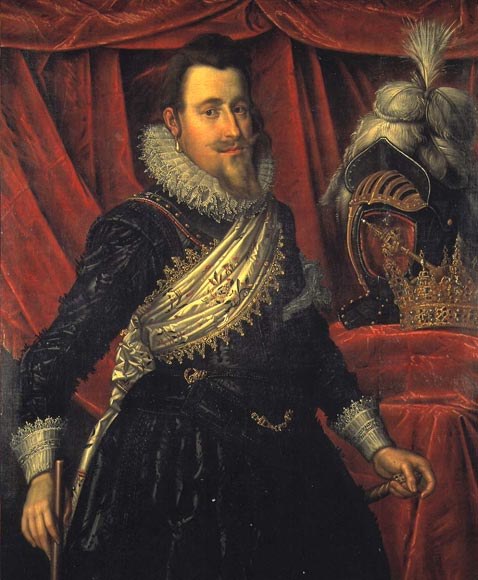
Christian IV of Denmark
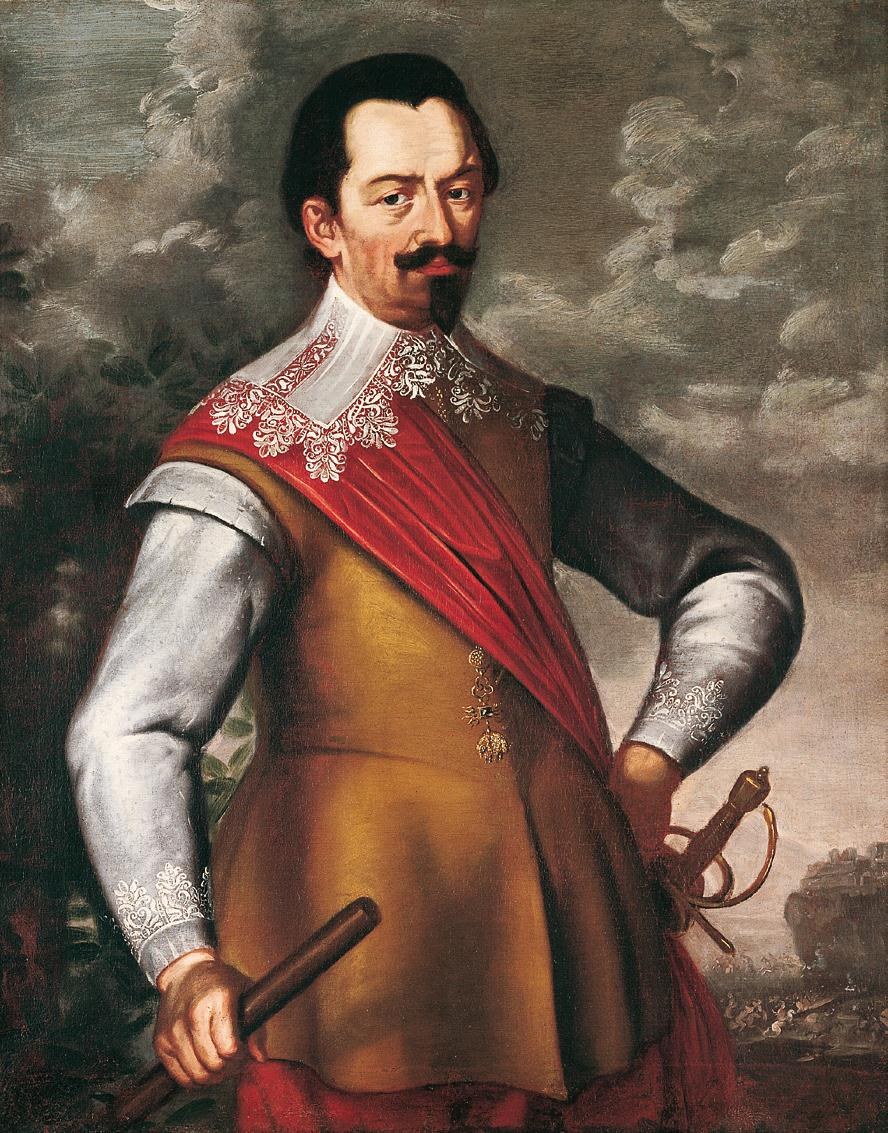
Albrecht von Wallenstein
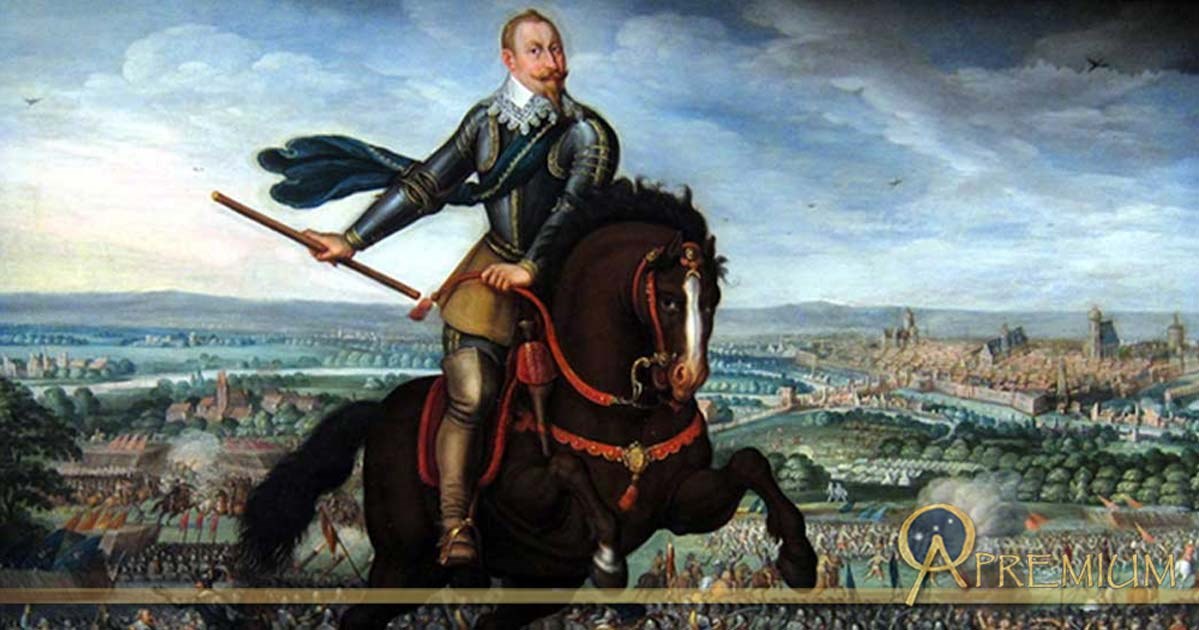
Gustav Adolph of Sweden
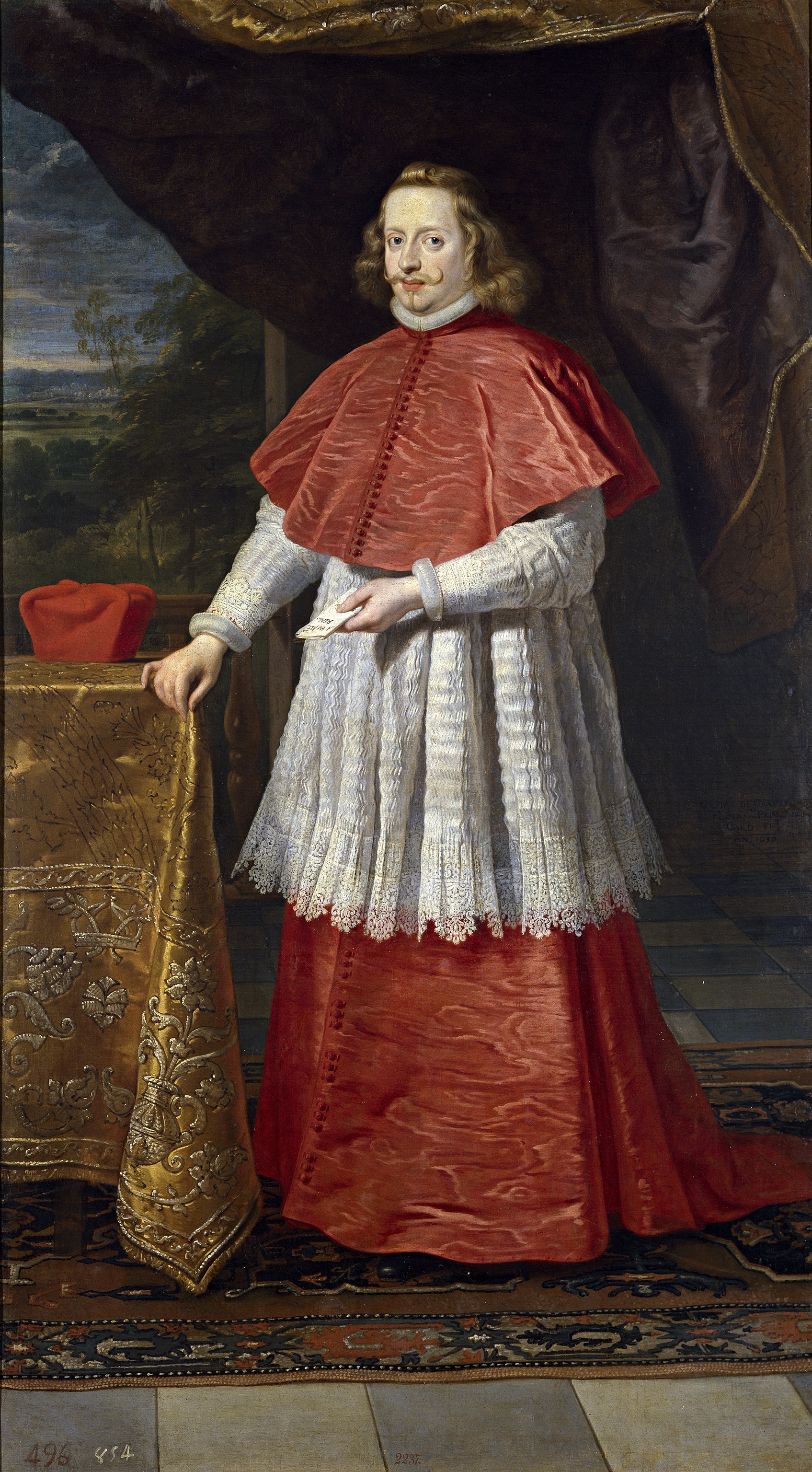
Cardinal Ferdinand
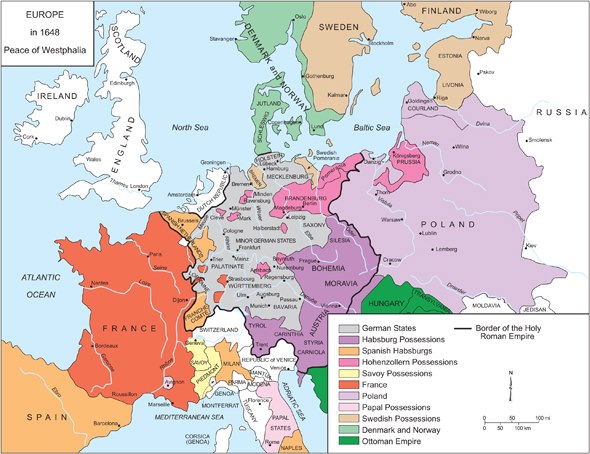
Europe in 1648
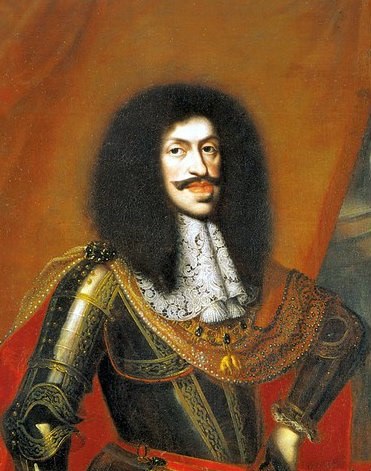
After the Thirty Years War, the Austrian Hapsburg dynasty focused on consolidating its territories in central Europe. As the kings of Hungary, this dynasty hoped to liberate the entire kingdom of Hungary from Ottoman rule. The Early Modern kingdom of Hungary was much larger than the current boundaries of the modern nation of Hungary and included lands currently in western Romania (Transylvania), the Slovak Republic, and Croatia. Within this kingdom, the Hungarians or Magyars ruled over other ethnic groups including Croats, Slovaks, and Vlachs (Romanians). The Ottoman Empire, however, still had hopes to conquer all Hungary and advance against Vienna, the capital of the Hapsburg Empire. In 1683, the Grand Vizier of the Ottoman Empire, Kara Mustafa, led an army numbering 300,000 troops, according to some accounts, against Vienna and besieged the city. The Hapsburg emperor, Leopold I (r. 1658 - 1705) fled Vienna in fear, but John Sobiesky, the king of Poland, led his Polish army to Vienna and lifted the siege, forcing the Ottoman army to retreat. Afterwards Leopold I returned to Vienna and led efforts to wage war against the Ottoman Empire. Hapsburg armies under the command of the brilliant general, Eugene of Savoy enjoyed success against the Ottoman forces. In 1699, the Ottoman Empire agreed to the Treaty of Karlowitz and withdrew entirely from the Kingdom of Hungary, ending over 170 years of Ottoman occupation.
Leopold I also joined coalitions to stop the aggression of Louis XIV. After French forces occupied the Rhine Palatinate, Leopold joined the grand alliance against France organized by William of Orange in the War of the League of Augsburg (1688 -1697). After the death of Charles II of Spain in 1700, Leopold was opposed to the Bourbon succession to the Spanish throne. Leopold nominated his younger son, Charles, as the next king of Spain to maintain the Hapsburg Dynasty in Spain during the War of Spanish Succession. In 1711 during this war, Charles' older brother, the Holy Roman Emperor, Joseph I (r. 1705-1711) passed away unexpectedly, leaving no heirs. Consequently, Charles inherited the Hapsburg dominions and was elected as the Holy Roman Emperor Charles VI to replace his older brother. Consequently, the grand alliance fighting against Louis XIV collapsed since other European powers were now opposed to the notion of Charles VI becoming king of Spain along with all of his other territories. Under the terms of the Peace of Utrecht in 1714, which ended this war, Charles surrendered his claim to the Spanish throne in exchange for the Spanish Netherlands (now the Austrian Netherlands) as well as the Duchy of Milan and the Kingdom of Naples in Italy. The Kingdom of Sicily was bestowed on the dukes of the Alpine Duchy of Savoy due to their alliance with the Hapsburg Dynasty. Thus by 1714 the Hapsburg Dynasty of Austria ruled over a multitude of ethnic groups including Germans, Hungarians, Slovacs, Slovenes, Czechs, Croats, Poles, Vlachs, Serbs, Walloons, Flemings, and Italians.
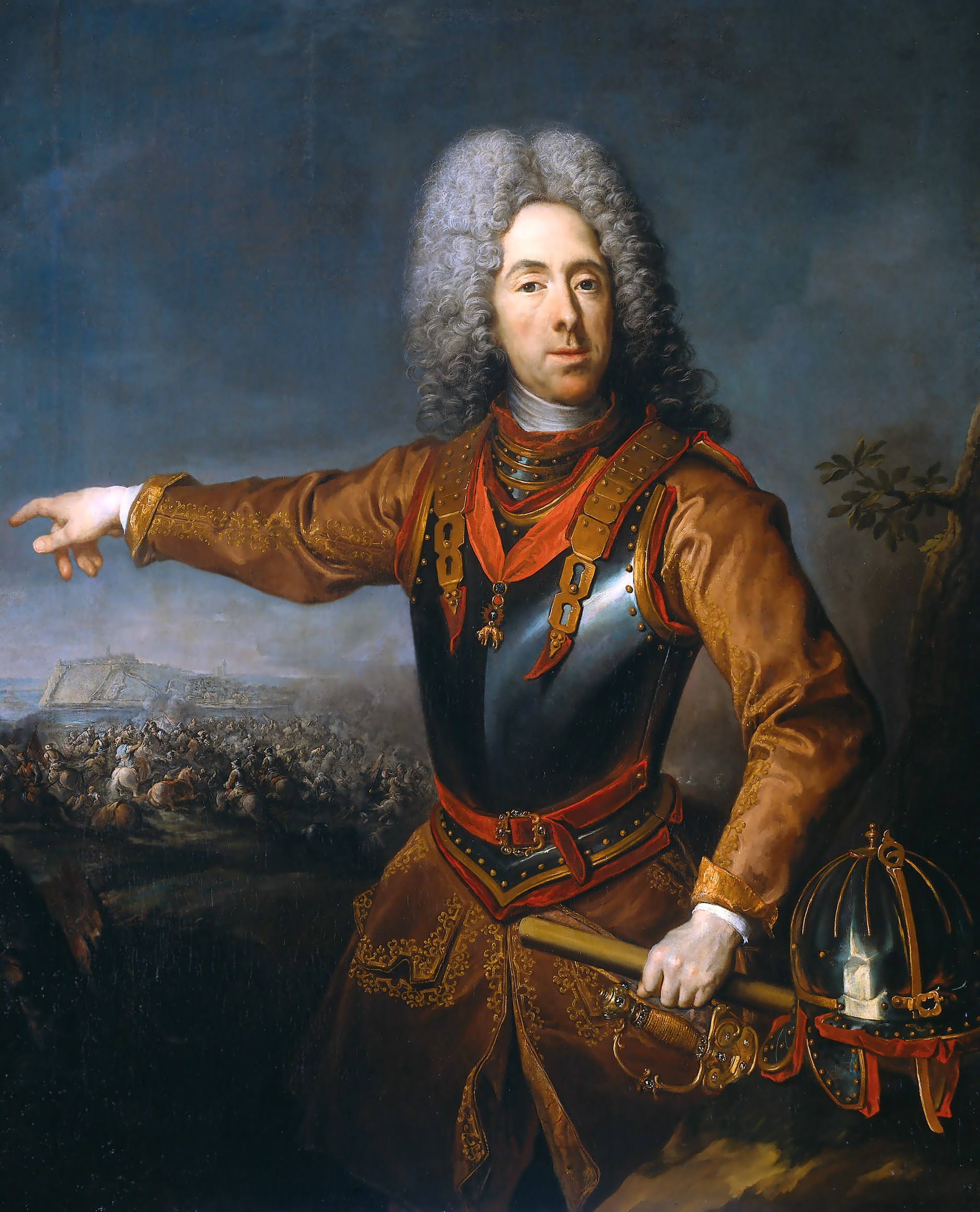
Eugene of Savoy
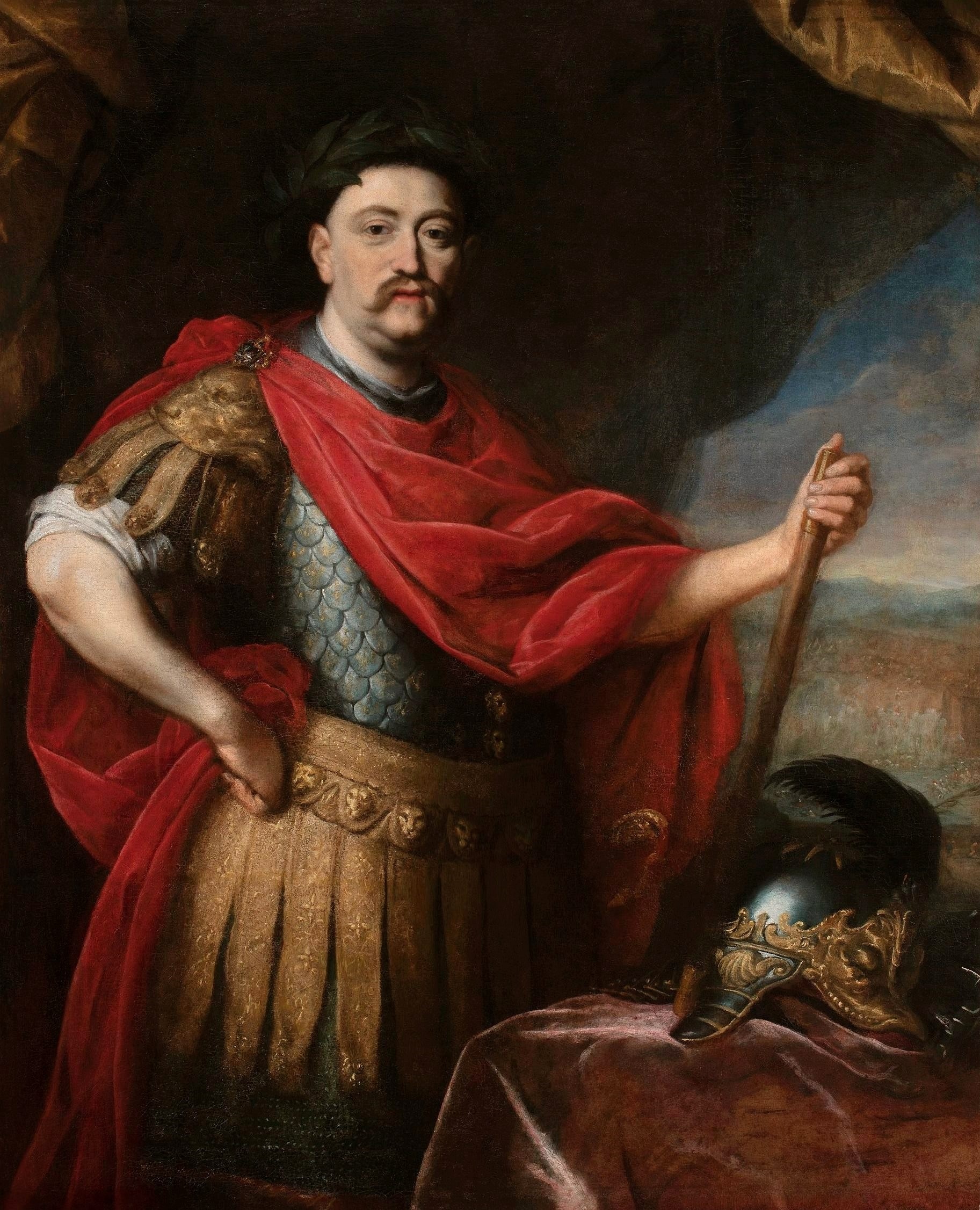
John Sobiesky
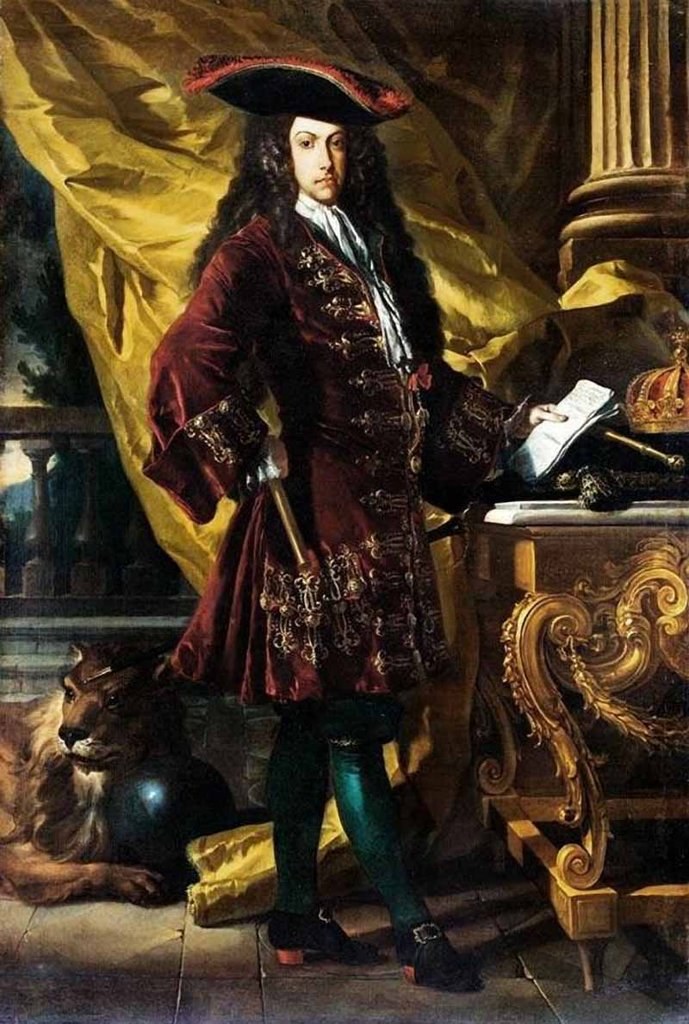
Charles VI
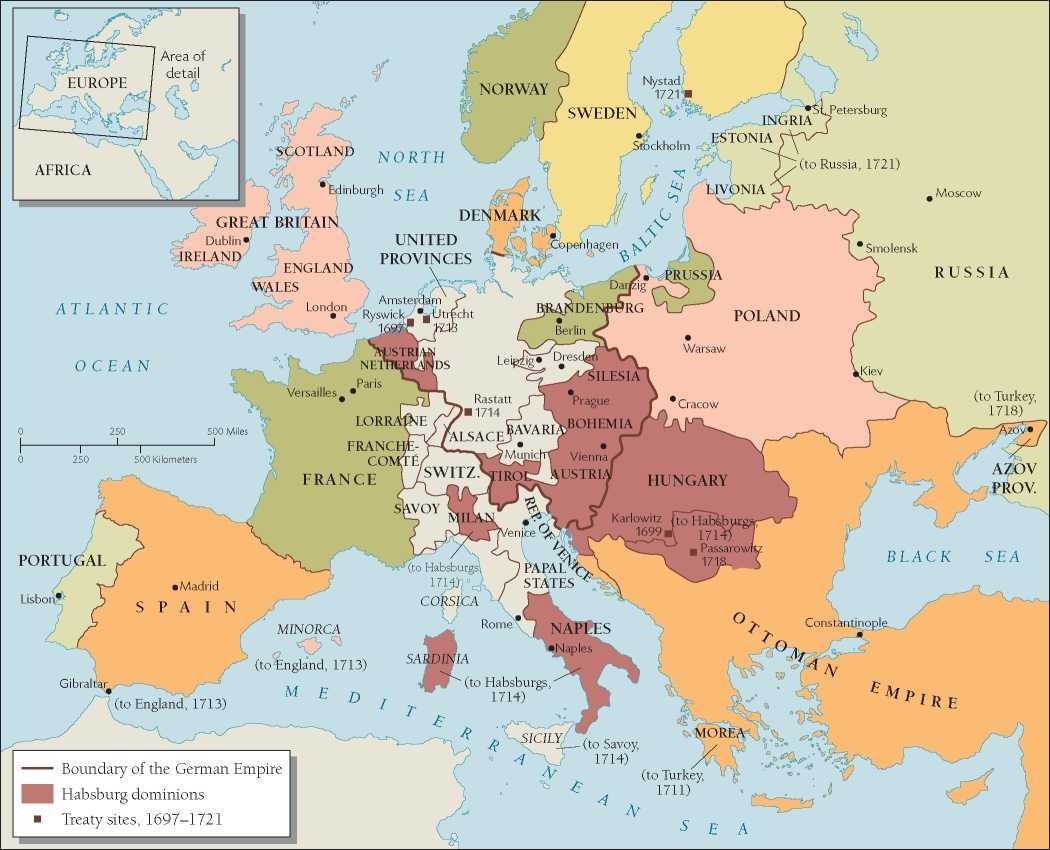
Europe in 1714