The Scientific Revolution
Modern World12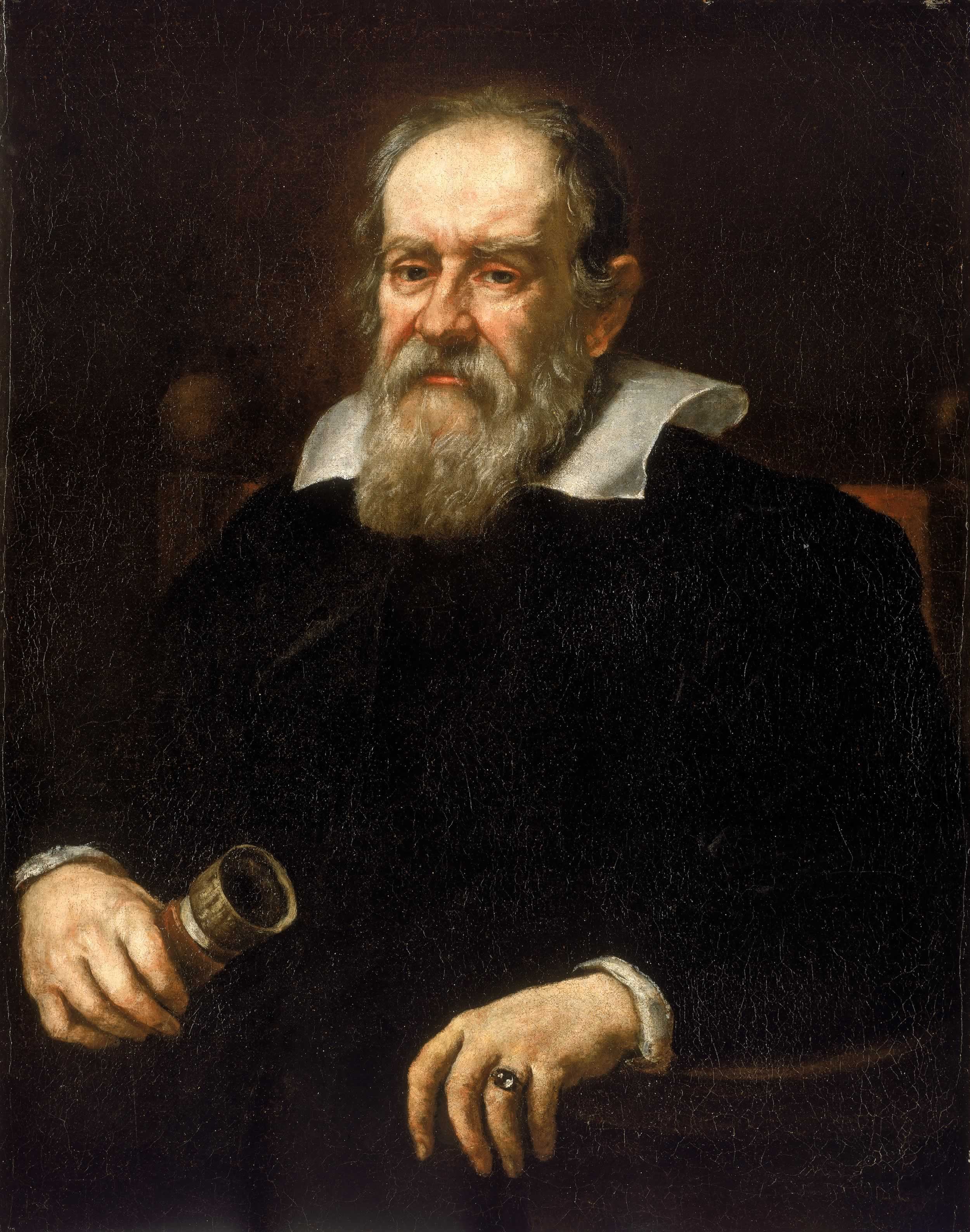
In Western Europe beginning in the 17th century a series of revolutions began that over the next four hundred years have engulfed the entire globe. The first of these revolutions chronologically, the Scientific Revolution, fundamentally changed how human beings viewed and understood the natural world and paved the way for the development of new technology that has transformed how people live their lives. Following this revolution, Western Europe in the 18th century first experienced a Market Revolution with the dramatic increase in a capitalist economy. Capitalist entrepreneurs applied new technology to the manufacture and transport of goods to meet ever rising demand for these goods. Advances in technology also allowed for increases in food production and permitted a smaller percentage of the population to work as agricultural laborers. Consequently as the population surged along with food production, farmers migrated from the countryside to the cities to engage in trade and industry. The Market Revolution vastly expanded the wealth and numbers of the Middle Class or Bourgeoisie which was fully engaged in this expanding capitalist economy. Consequently this rising class demanded a voice in government and end to the aristocratic elite's control of the state, resulting in the American and French Revolutions at the close of the 18th century and the eventual advance of democracy and political equality. Even in this century these revolutions continue to operate and shape the world. Today astrophysicists explore distant galaxies to investigate the origins of the Universe, using telescopes mounted on satellites in outer space, while computer scientists are working to develop quantum computers to revolutionize the storage and analysis of computer data. In the 21st century millions of poor farmers from China to West Africa have left the countryside every year to find work in trade and industry in the bustling cities of these regions. Beginning in 2011 during the Arab Spring millions of people across the Middle East demanded a voice in the government and democracy and an end to the oppressive regimes. In 2019 in Hong Kong, a mass movement has called for democratic reforms in China.
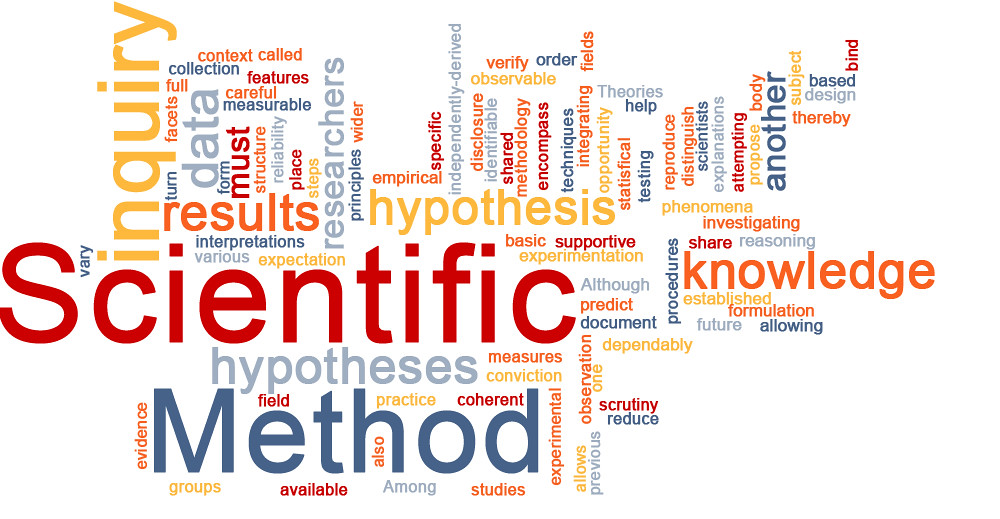
One of the greatest achievements of the Scientific Revolution was the development of the Scientific Method, which provides a systematic process to acquire knowledge and test new inventions. The Scientific Method begins with curiosity about natural phenomena. The scientist first must ask questions about why and how such phenomena occur. Afterwards, the scientist observes closely this phenomena and collects information or data regarding this phenomena, which must then be analyzed. Based on this rational analysis of the data, the scientist develops answers to the questions that scientist initially posed. These answers constitute the hypothesis. The scientist must then create an experiment to test whether or not the hypothesis is correct. If the experiment proves that the hypothesis is incorrect, the scientist must go back and begin this process all over again.
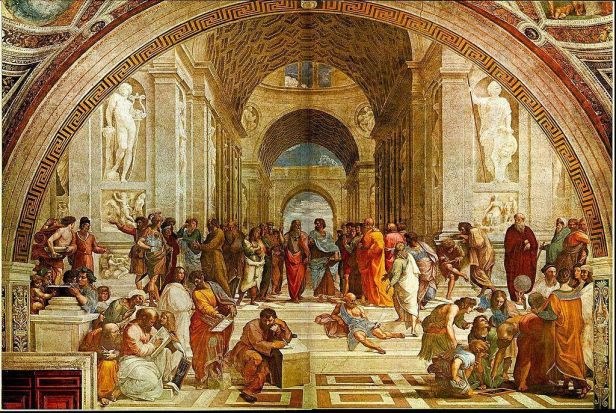
The Scientific Revolution is rooted in the historical developments of the Early Modern period, the Reformation, the Renaissance, and the Age of Discovery. One of the results of the Reformation was the decline of Medieval Scholasticism as an intellectual movement. Medieval Scholastic philosophers such as Thomas Aquinas (13th century) maintained that the teachings of the ancient Greek philosopher Aristotle (4th century BCE) were in harmony with the doctrines of the Roman Catholic Church. Consequently, Thomas Aquinas and the Scholastic philosophers attempted to demonstrate through reason that Aristotle's notions regarding the natural world were in accordance with divine revelation in the Holy Bible. However, during the Reformation, reformers such as Martin Luther cared little for the authority of the pagan philosopher, Aristotle, and focused instead on the living an authentic Christian life based on the Word of God as revealed in the Bible. In the wake of the Reformation in the 17th and 18th centuries, religious movements, both Protestant (Quakers - England, Pietists - Germany, Methodists - England) and Roman Catholic (Quietists - Spain, Italy, Jansenists - France), all emphasized a strong commitment to Christ through living life in accordance with Christ's teachings. This emphasis on Christian morality and theology in the churches in these centuries enabled scientists to examine the natural world more freely without the preconceptions imposed by Scholastic philosophy. The French mathematician and philosopher, Rene Descartes (1596 - 1650) even proposed a sharp distinction between the spiritual and material worlds. According to Descartes, a Roman Catholic, one followed the doctrines of the Church by faith as they pertained to spiritual matters, whereas one applied reason to understand the material world, which God had created. The French mathematician and scientist, Blaise Pascal (1623- 1662) followed this formula in his own career, as he was a devout Roman Catholic and Jansenist as well as a noted scientist, who formulated Pascal's principle of pressure regarding fluid mechanics.
The Reformation not only freed scientists from the tenets of Scholastic philosophy, but it also was a factor in the Scientific Revolution due to its emphasis on education and literacy. Protestant reformers such as Martin Luther and John Calvin as well as the Roman Catholic Jesuits saw education as a way to instill the love of Christ among the youth. As a result of the Reformation new schools and colleges sprung up across Europe. Protestant regions such as Scotland and Prussia especially encouraged literacy even among the peasantry since the study of Holy Scripture was required for all Christians. When the English Puritans established the Massachusetts Bay Colony in North America in 1630, they quickly founded a public primary school in Boston, the Boston Latin School, in 1635 and a college and seminary at Harvard in 1636. The expansion of schools and literacy in this period did promote the reading of the Bible, but it also facilitated the spread of new ideas that advanced scientific knowledge.
The Renaissance was also a spark for the Scientific Revolution. Due to the efforts of the Renaissance Humanists, the works of ancient Greek and Roman Classical authors were assembled, published, and circulated. Moreover, Humanists developed the curriculum for the new schools, which were popping up, which placed a heavy emphasis on the study of the works of these Classical authors in their original Greek and Latin. Students receiving this education observed that ancient Greek and Roman mathematicians, scientists,and philosophers such as Aristotle and Plato ( 4th century BCE) as well as the Stoics and Epicureans all had conflicting theories regarding the natural world, while sharing the conviction that human reason was fully capable of unlocking the mysteries of the Universe. This spirit of inquiry and intellectual debate among these Classical authors thereby encouraged these students to seek to find their own answers to their own questions about the natural world.
The Age of Discovery also stimulated intellectual curiosity and inquiry. From the time of Columbus' first voyage to the New World in 1492 through the period of exploration by Englishman, James Cook among the islands of the Pacific in the mid-18th century, Europeans learned about exotic lands with strange plants, animals, and peoples. These discoveries stimulated much discussion among the educated in Europe. For example, the French philosopher Michel de Montaigne (1533 - 1592) was fascinated by tales concerning the strange customs among the natives of the New World. This diversity of customs and morals in the world helped cause Montaigne to embrace skepticism and to questions whether human being were capable of fully grasping the truth.
The Scientific Revolution initially resulted in a series of scientific discoveries that set the stage for future advances in a diverse number of scientific fields. One of the first discoveries of this revolution was the development of the Scientific Method. One pioneer in this method was the Englishman, Francis Bacon (1561 - 1626). In his 1605 work, The Advancement of Learning (Novum Organum Scientiarum in the original Latin), Bacon was critical of scholars who accepted without question Aristotle's theories regarding the natural world. Instead Bacon urged scientists to embrace empiricism, which emphasized inductive reasoning. Instead of approaching a subject with certain preconceived notions, the scientist should examine a subject with an open mind and confirm as true only what the scientist can directly observe by the senses. Bacon therefore established that the acquisition of scientific knowledge requires the collection and analysis of data that has been accumulated through direct observation. Another pioneer in the development of the Scientific Method was Rene Descartes. This French philosopher was curious to know how human beings learned about the world around them. In his Discourse on the Method, published in French in 1637, Descartes maintained that such knowledge is derived from direct personal observation. For example, Descartes could be sure that he existed, first of all, as he was thinking about his own existence ("I think, therefore, I am"). Descartes also asserted that scientists should share their observations and findings with one another, to expand collective knowledge about the natural world.
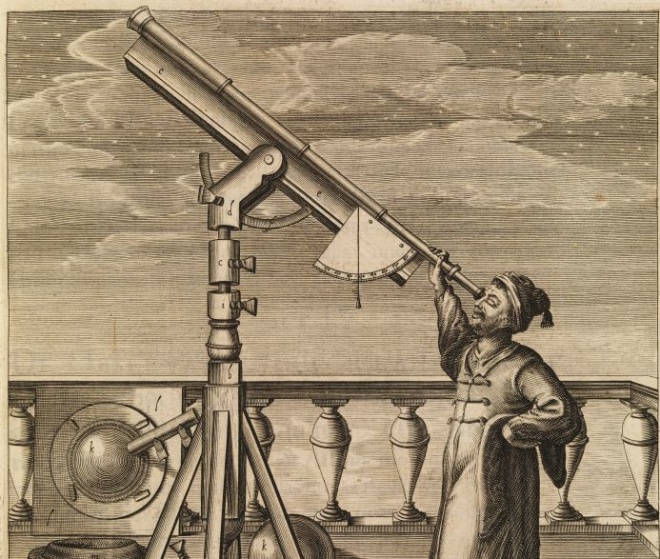
In the 17th century the most well publicized scientific discoveries were in the field of physics and astronomy. Historically human beings had viewed the heavens with wonder as the abode of divinities. But scientists in this era seemingly unlocked the mysteries of the heavens. The first of these scientists was Galileo Galilei (1564 - 1642). Like Bacon, Galileo didn't accept the views of Aristotle regarding the natural world such as this philosopher's views regarding the motion of objects. For example, Aristotle maintained that heavier objects fell to the ground faster than lighter objects. Through direct observation and experimentation (the Scientific Method), Galileo proved that all objects fall at the same rate. Galileo, who had studied mathematics at the University of Pisa in Tuscany, Italy, even developed a mathematical equation to account for objects falling to the ground. With the introduction of Arabic (Hindu) numerals with its 0 to Europe back in the 13th century, Galileo could solve mathematical problems with much greater ease than ancient Greek and Roman mathematicians. Galileo also questioned Aristotle's views regarding the earth, the planets, and the sun. Aristotle maintained that the earth was at the center of the Cosmos. The moon, the sun, and the other planets, according to Aristotle, all revolved around the earth. Aristotle also maintained that beyond the moon, which was the closest heavenly body to the earth, the sun and the planets were composed of aether, a perfect fiery substance that didn't exist on earth. Galileo used a new invention, the telescope, to observe closely the movements of the planets. Based on his observations, Galileo rejected Aristotle's views regarding the existence of aether and Aristotle's geocentric (earth centered) view of the Cosmos. Instead Galileo embraced the heliocentric (sun-centered) views of the Polish scientist, Nicolaus Copernicus (1473 - 1543). Like Galileo, Copernicus had studied mathematics in Renaissance Italy. Drawing on his own observations of the planets (without a telescope) and the movements of the planets noted by the ancient Greek astronomer Ptolemy (2nd century CE), Copernicus completed his own mathematical calculations and proposed that the earth and planets revolved around the sun. In his work Dialogues on the Two Chief World Systems Galileo endorsed Copernicus' views based on his own observations.
Galileo published this work in 1632 and in 1633 the Papal Inquisition charged him with heresy. The Inquisition was an office of the Roman Catholic Church in charge of prosecuting heretics, whose teachings and ideas were in violation of the doctrines of the church. In 1616 the church had declared Copernicus' heliocentric theory a heresy. In the Old Testament book of Joshua 10, God stopped the sun from setting to enable the Israelites to defeat their enemies in battle on that day. The Church interpreted this passage from the Bible as scriptural support for the geocentric view of Aristotle. Galileo quickly recanted his views before a court and was allowed to spend the rest of his life under house arrest. Galileo had good reason to fear for his life and recant. In 1600 the Papal Inquisition had found the Italian philosopher, Giordano Bruno (1548 -1600) guilty of heresy and burned him at the stake. Bruno had also endorsed Copernicus' heliocentric theory based on his study of the works of ancient and medieval Platonists (followers of the ancient Greek philosopher Plato). Bruno's "crime" however had been his rejection of the divinity of Christ rather than his heliocentric views.
Galileo may have officially recanted his views, but other scientists across Europe accepted his support for Copernicus' heliocentric position. A German contemporary of Galileo, Johannes Kepler (1571 - 1630) was also trained as a mathematician and embraced Copernicus' views. In 1600 Kepler begin to work with a Danish astronomer, Tycho Brahe (1546 - 1601) who had been hired by the Holy Roman Emperor, Rudolph II to be the imperial astronomer. This emperor believed in Astrology and had hired Brahe to track the movements of the heavenly bodies since, according to astrology, these movements influenced events on earth. Brahe spent much time carefully recording the movements of the planets without the use of a telescope. Upon the death of Brahe, Kepler replaced him as the imperial astronomer. Based on all the data that he and Brahe had compiled over the years and Kepler's mathematical calculations, Kepler developed laws of planetary motion. Kepler determined that the planets, including the earth, did revolve around the sun in elliptical orbits.
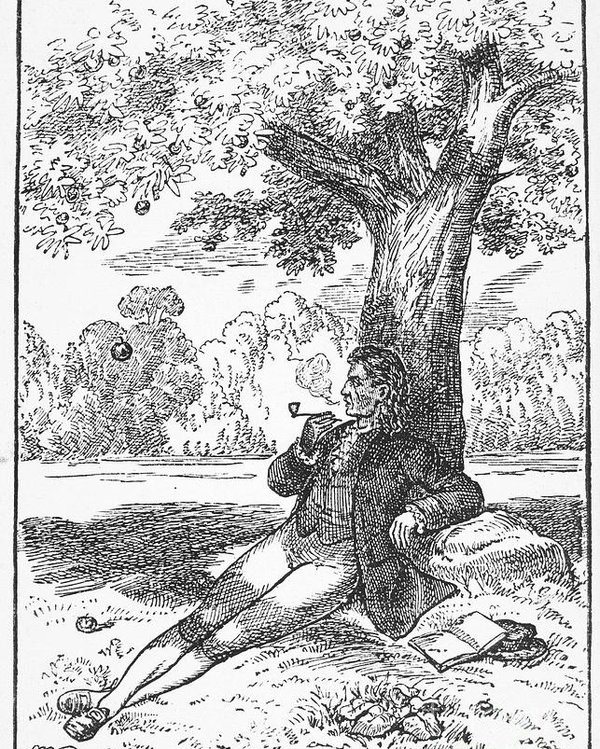
Kepler's research was the basis for the work of the English mathematician and scientist, Isaac Newton (1642 - 1727). Newton was also a mathematician and invented the branch of mathematics known as Calculus, whereas some historians credit this discovery to the contemporary German mathematician and philosopher, Gottfried Leibniz (1646 -1716). Newton demonstrated using Calculus why the earth and planets orbited the sun in an ellipse. Newton also theorized that a force, which he called Gravity, attracted bodies of matter to one another, with the force increasing with the mass of the body. This force of Gravity also accounted for the revolutions of the planets around the sun. In his own day Newton's discoveries astounded his contemporaries as he had shown that human reason could explain rationally the movements of heavenly bodies, whom generations of human beings had worshiped and venerated as gods and angels.
Newton's laws of motion remained the basis for the study of physics in the centuries that followed. Other scientists made important discoveries in other scientific fields in the Scientific Revolution. An English scientist, William Harvey (1571 -1657) based on his own observations through the dissection of human corpses, developed the idea that the heart was a muscle, and not the center of emotion, that circulated blood throughout the body to provide it with nourishment. Harvey's views refuted the views of the ancient Greek medical doctor, Galen (2nd century CE), who had maintained that blood was simply one of four "humors" along with phlegm, and yellow and black bile, which influenced a person's health and temperament. Harvey's views revolutionized the medical field. The French scientist, Antoine Lavoisier (1743 – 1794), was a pioneer in the field of chemistry. He conducted chemical experiments and developed the Law of Conservation of Matter, according to which, the amount of matter remains constant in a chemical reaction. Carl Von Linne or Carl Linnaeus (1707 -1778) was a Swedish scientist and a pioneer in the fields of Botany and Zoology. Linnaeus devoted his life to the collection and study of plants and animals . He developed a system for classifying plants and animals based on genus and species, which scientists in these fields still use today.
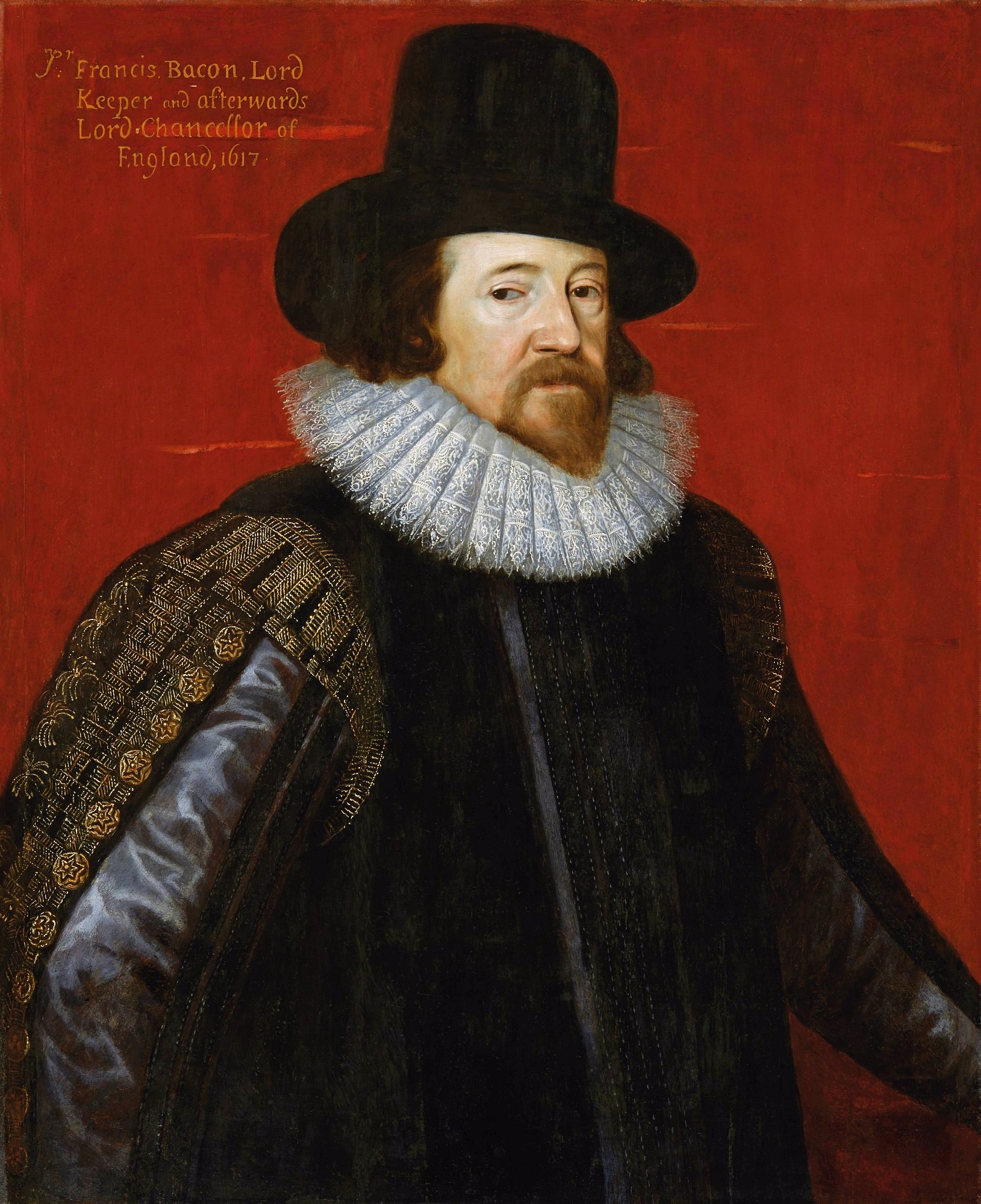
Francis Bacon
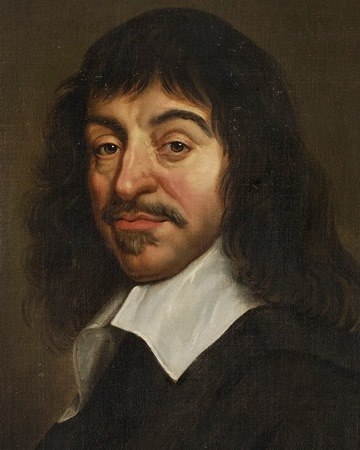
Rene Descartes
Galileo
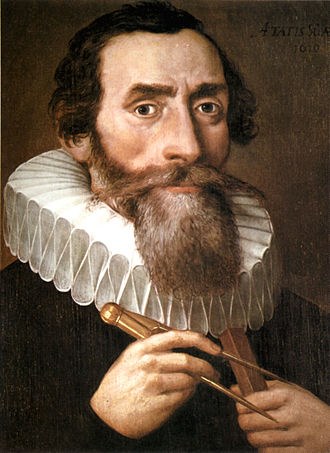
Johannes Kepler
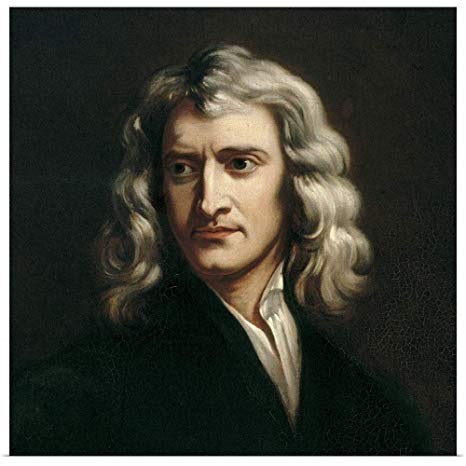
Isaac Newton
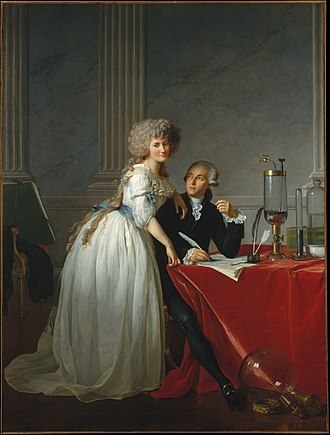
Antoine Lavoisier
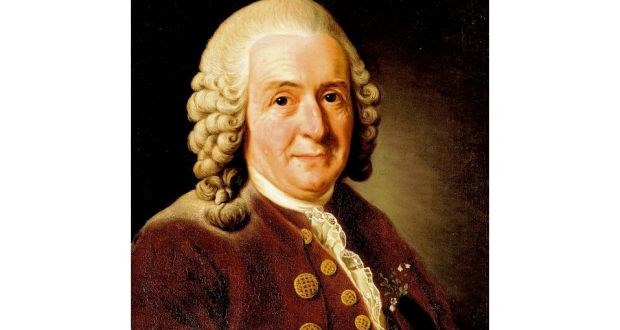
Carl Linnaeus
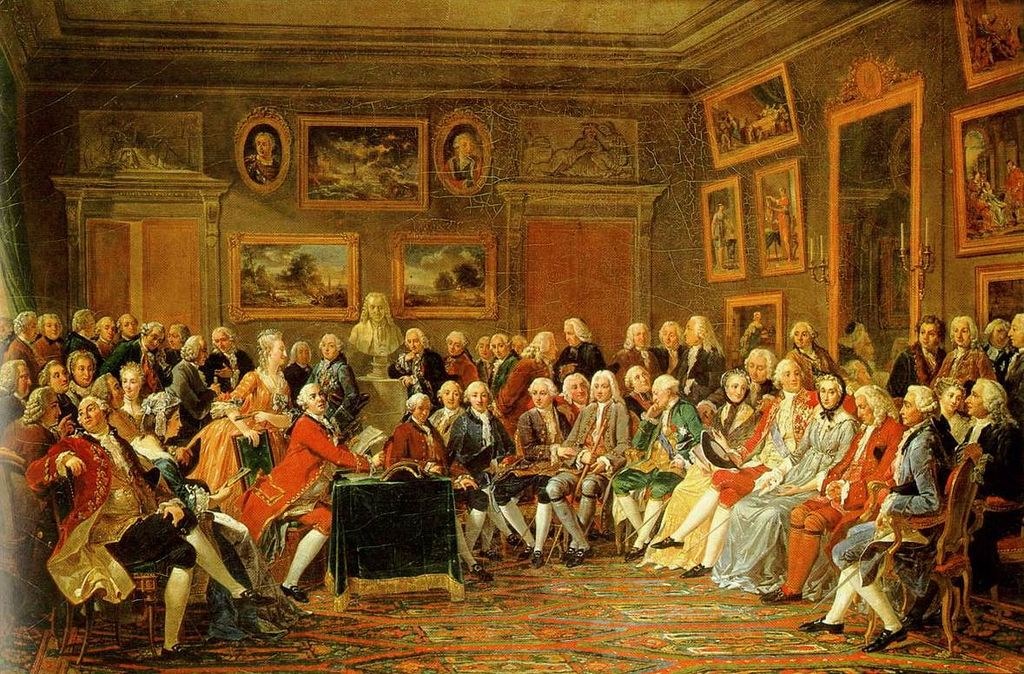
The Scientific Revolution over time transformed human beings' view of the world and their place in it among the educated upper classes. The wave of scientific discoveries in the 17th century created much excitement. In 1662, Charles II of England granted a charter to the Royal Society in London, whose purpose was to promote the study of science. Louis XIV of France chartered the Royal Academy of Sciences in 1666. In the 18th century, such scientific societies arose in cities across Europe. In 1743, Benjamin Franklin helped found such an organization, the American Philosophical Society, in Philadelphia in the American colonies.
By the middle of the 18th century these exciting discoveries also inspired an intellectual movement across Europe known as the Enlightenment. This movement maintained that the human beings through the advancement of science and reason were slowly raising themselves up from barbarism and superstition over the centuries to become in time more perfect physical, rational, and moral beings. This process became known as "Progress". Historians have observed that Enlightenment thinkers simply replaced the Christian idea that the Second Coming of Christ at the end of time will bring about a new and perfect world with the notion that human beings can fashion such a world for themselves through the advancement of science and reason. The scientific and mathematical achievements of Isaac Newton especially inspired the Enlightenment, as he had used his powers of reason to explain the movements of the heavens, which for so long had baffled and mystified people. Another thinker, whose ideas circulated widely during the Enlightenment, was the English philosopher, John Locke (1632 - 1704) In his influential work, An Essay Concerning Human Understanding, Locke maintained that human beings were born without any information, preconceptions, or dispositions in their infant minds, like an empty slate (tabula rasa). According to Locke, the human mind developed over time as it was shaped and molded by its social environment. Enlightenment thinkers due to Locke's influence therefore concluded that the rational improvement of society would over time result in more rational human beings. Locke was also influential in the Enlightenment with his views on government. Locke rejected the traditional view of the divine right of monarchs, which held the God created monarchies due to human beings' wickedness and sin. Instead Locke advocated the social contract theory of government. According to Locke, people in a society agreed to abide by the laws of the government as long as the government protected their "natural rights", which Locke defined as the right to life, liberty, and property.
In the 18th century Enlightenment, prominent intellectuals looked for ways to improve society and government through science and technology. For example in France, Denis Diderot (1713 - 1784) beginning in 1751 edited and published the Encyclopedie, which includes thousands of articles on the arts and sciences. Diderot, the son of an artisan, even included articles on manufacturing in this work since he hoped that the circulation of such information would improve social and economic conditions. France was also renowned across Europe at this time for its salons. Wealthy people hosted social gatherings in the reception room (salon) of their homes, where prominent writers and scientists could match wits and share ideas to advance science and promote social and political reform.
During the Enlightenment, scientific advances inspired some thinkers to apply scientific methods to explaining and understanding society and human behavior. In Scotland Adam Smith (1723 - 1790) observed the working of the market economy in his own prosperous country. In his work Wealth of Nations (1776) Smith proposed that markets were subject to the law of supply and demand in the same way that physical objects were subject to the laws of motion. According to Smith, governments should not interfere with the law of the market by trying to dictate prices or grant monopolies, but instead should simply "let it be" (Lassez- faire). Smith maintained that allowing markets to function freely would result in the creation of more wealth for society as a whole over time. Just as Smith applied scientific methods to investigate society and the economy, the Englishman, Edward Gibbon (1737 - 1794) closely examined the historical record to understand human behavior. In his Decline and Fall of the Roman Empire, Gibbon studied the ancient sources of Roman history and subjected them to critical, rational analysis in an effort to understand why the Roman Empire collapsed. Gibbon, a man of the Enlightenment, concluded that superstition and barbarism bought about the demise of this empire.
Scientific advances and the new spirit of rational inquiry also resulted in the questioning and rejection of the Christian religion by some intellectuals. The Dutch philosopher, Baruch Spinoza (1632 - 1677) rejected the idea of spirit and recognized matter as the only reality. God, according to Spinoza, was the totality of the material universe. The French philosopher, François-Marie Arouet, better known by his pen name, Voltaire (1694 - 1778) was the star of the salons of Paris and friend to "Enlightened monarchs", Frederick the Great of Prussia and Catherine the Great of Russia. He was also a promoter of the idea of Deism. According to Voltaire, God created the universe and the natural laws that govern it, but He did not interfere in the operation of the universe. For Voltaire, there was no need for prayers to such a deity or for the hope of salvation. Voltaire actually viewed Christianity and churches as a barrier to progress since he viewed religion as superstitious and irrational. In Scotland David Hume ( 1711 - 1776) achieved fame as an historian of English history, but he was best known for his public embrace of Atheism. Hume rejected the belief in God or the supernatural. According to Hume human beings ought to live their lives based on their experiences and reason rather than on moral teachings derived from supposed divine revelation. Even though the Reformation was one of the causes of the Scientific Revolution, one of the effects of the Scientific Revolution was the rejection of religion.
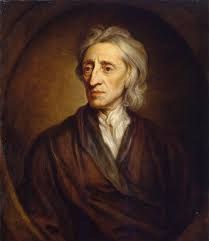
John Locke
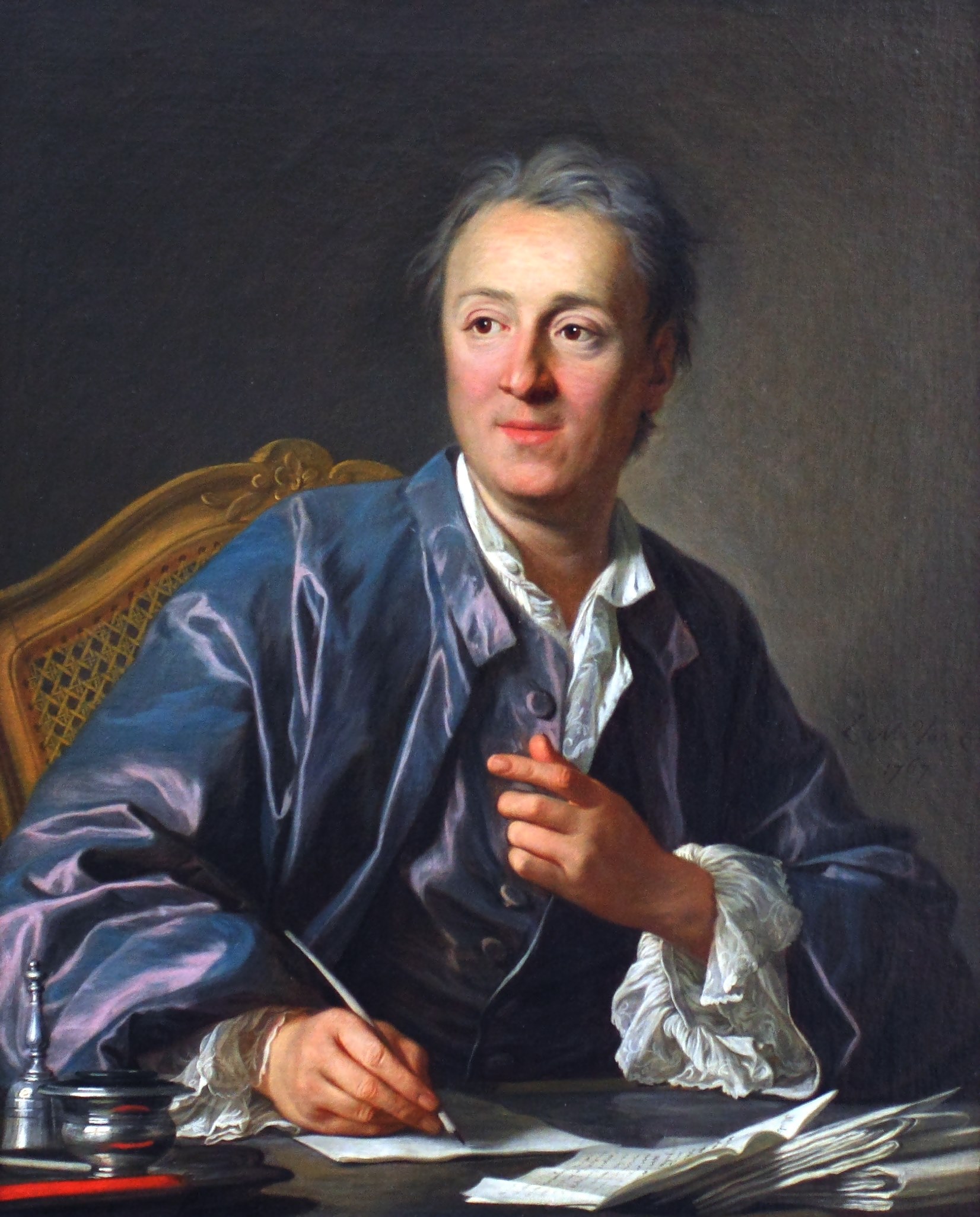
Denis Diderot
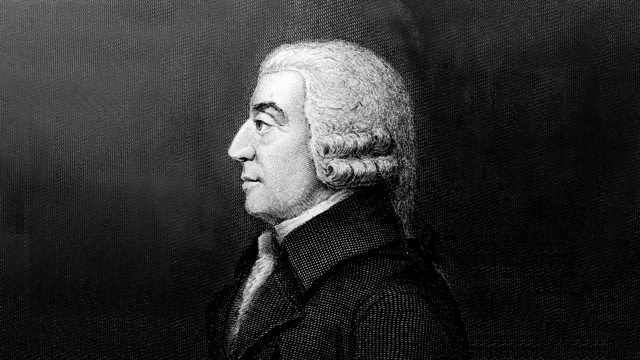
Adam Smith
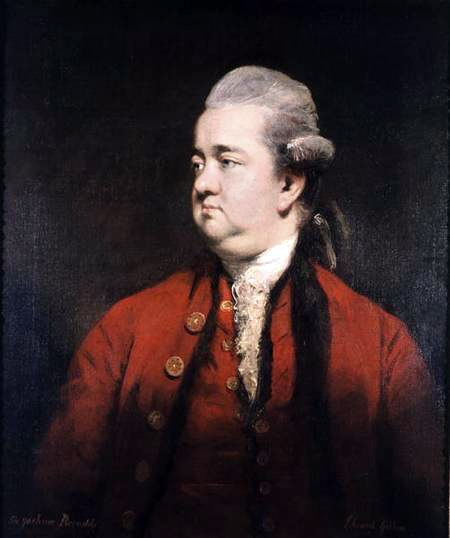
Edward Gibbon
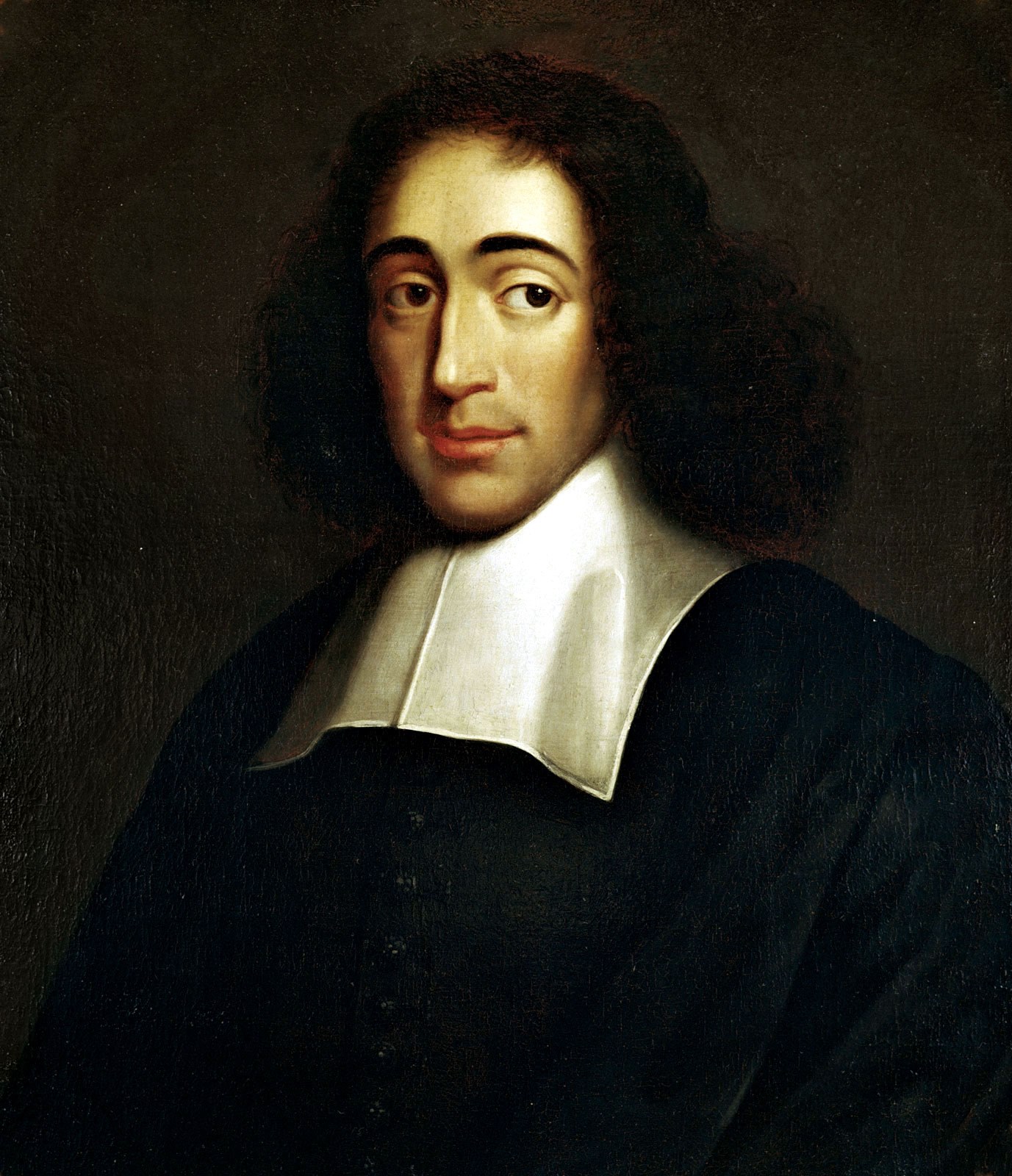
Baruch Spinoza
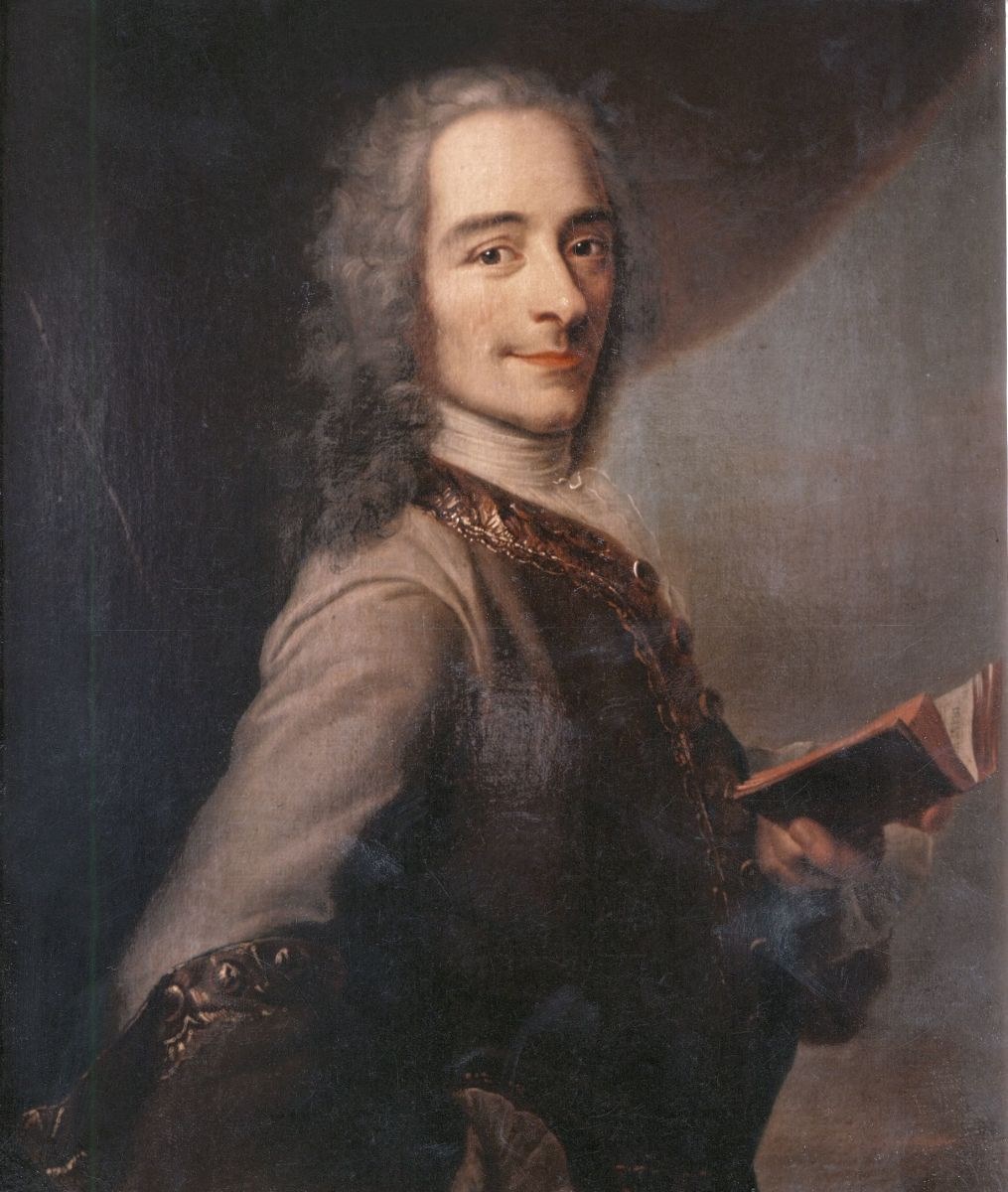
Voltaire
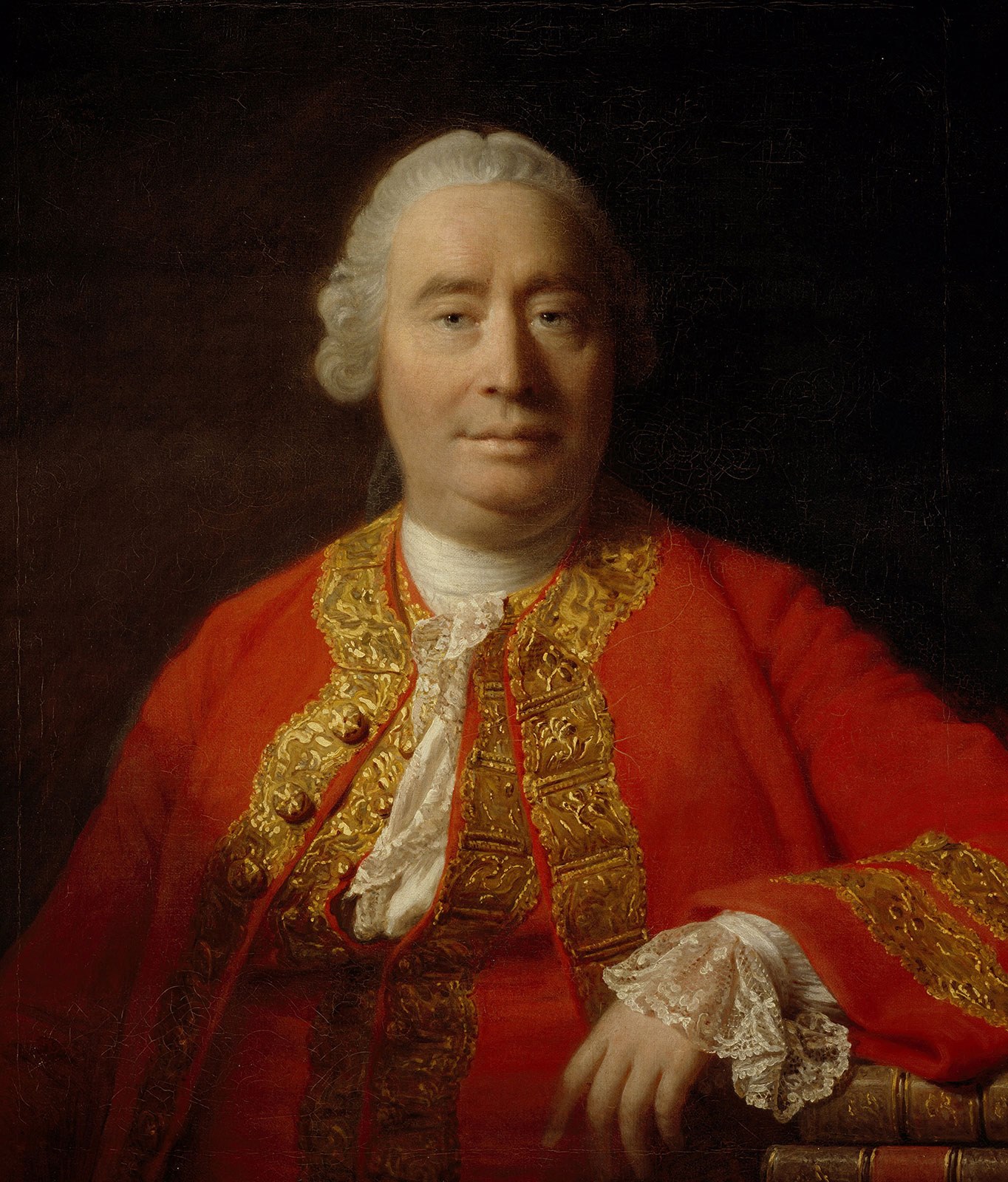
David Hume