The Market Revolution
Modern World13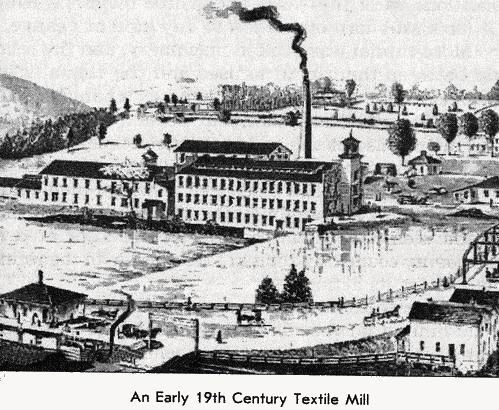
Since the period when the first complex cultures arose in ancient Mesopotamia around 4000 BCE, roughly 90% of the population in complex cultures had worked as farmers and lived in the countryside. The Market Revolution effectively transformed how people earned a living and where they lived. Due to this revolution, in a relatively brief period of time, the percentage of people in such societies engaged in agriculture declined, while the percentage of people in trade and industry and living in towns and cities dramatically increased. This revolution began in Western Europe in the mid-18th century and over the next century spread across the Atlantic to North America. By 1900 in the United States, the largest economy in the world by this point, just over 50% of the population lived in cities and worked in trade and industry. This revolution resulted from the tremendous growth of markets and capitalism in the 18th century, but this forward momentum had initially begun with the development of new trade networks due to the Age of Discovery.
The Market Revolution that began in the mid-18th century had it origins in a surge in population growth in that century, which resulted in huge demand for goods and services. The development of trade networks and an expanding money economy in previous centuries due to the Age of Discovery made it possible for merchant capitalists to supply this ever rising demand for goods. The Scientific Revolution provided a means for these suppliers to create and apply new technology to produce and transport these goods. Finally, beginning in the 18th century, the burning of a "fossil fuel", coal, provided an abundant source of energy to fuel all this new technology.
The population increase in the 18th century coincided with the end of the Little Ice Age. Rising global temperatures in this century led to longer growing seasons and larger food harvests, which in turn resulted in a general population that was better nourished and least likely to fall victim to epidemic diseases. Increases in food production also increased the nutritional levels of children, who were consequently more likely to survive childhood and reach adulthood. Nutritional levels in this century were also higher across Europe due to the introduction of the New World crops, maize and potatoes. Potatoes are rich in nutrients and require less land than wheat to grow the same amount of food. In Europe in the 18th and 19th centuries potatoes quickly became a staple in the diet of the working classes. In rural Western Europe and Ireland in particular, the introduction of potatoes actually lowered the marriage age from the mid to late 20's to the late teens and early 20's. A young couple could marry at a younger age since with the potatoes, they didn't need as much land to raise enough food to support themselves and their children. The lowering of the age of marriage increased the child bearing years for women and thereby further increased the rate of population growth.
The population increases of the 18th century stimulated the demand for goods. By this time a flourishing market economy was already in place to meet this demand. The Age of Discovery resulted in the development of new trade routes since the the upper classes in Europe desired exotic luxury goods. People raised their social status by purchasing and consuming this type of good. To meet this demand, Merchants traveled to distant lands to acquire these goods such as tea, coffee, sugar, tobacco, spices, and cocoa, silk, and porcelain. Since travel to such places as China, India, and the New World was expensive as well as dangerous and risky, merchant capitalists pooled their financial resources (their capital) with other capitalists and decreased their personal liability by forming joint stock companies. Each merchant-capitalist owned a share or stock in these companies. The largest of these companies, the English East India Company and the Dutch East India Company monopolized trade with India and the East Indies (modern Indonesia). Joint stock companies also financed the foundation of new colonies, such as the Virginia Company that founded Jamestown in 1607 in Virginia, the first successful English colony in the New World. Colonies in the New World also produced luxury goods for European markets. Portuguese Brazil and French Haiti produced sugar, while the English colony of Virginia raised tobacco for customers in Europe.
In these New World colonies, imported African slaves labored on sugar and tobacco plantations to raise these cash crops. The high demand for African slaves to work on these plantations was a key factor in the development of trade across the Atlantic Ocean in a commercial system known as the Triangle Trade, that involved the colonies in the New World as well as Europe and Africa. European merchants in the 17th and 18th centuries established trading posts along the African coast such as the French trading post at Saint Louis in Senegal in West Africa. European merchants exchanged manufactured goods such as guns and cloth for slaves. The rulers of the African kingdom of Dahomey in West Africa in the 18th century grew wealthy by kidnapping Africans in the interior of Africa and selling them to Europeans at these ports. The European slave traders transported cargoes of enslaved Africans from Africa to colonies in the New World to sell to the plantations. By the 18th century, American merchants from the northern English colonies such as New York and Massachusetts were also involved in this trade network. These merchants traveled to the sugar plantations on the Caribbean Islands and exchanged corn, wheat, and timber for sugar, which they then transported across the Atlantic, often in the form of rum, and sold in England in exchange for manufactured goods. American merchants sold these manufactured wares to the colonists back home or traveled to Africa to exchange these goods for slaves to sell in the colonies.
The influx of gold and silver into Europe from the Mexico and Peru beginning in the 16th century provided the precious metals for use as currency to facilitate these increases in commercial transactions. By the end of the 17th century, however there were shortages of these precious metals due to enormous demand. In 1690 in the American colony of Massachusetts, the local government resolved this problem by chartering a bank that had the authority to print paper money. In the American colonies the shortage of metallic currency was severe, so the bank backed up its printed currency (a bill of credit) by the monetary value of the land of the bank's investors. Consumers could use these bills of credit issued by the bank as cash (legal tender) in commercial transactions. In 1694 the English government chartered the Bank of England, which had the authority to issue paper currency (banknotes), that were backed by the investors in this bank. In the 18th century, the great success of this bank allowed the British government to borrow huge sums from this bank to cover the cost of the Seven Years War. The expansion of trade and the money supply through the 18th century generated tremendous profits, which were used to invest in new technology for the manufacture and transport of goods, as demand for goods continued to grow. The joint stock companies provided a means for investors to pool their resources for these new investments.
The Scientific Revolution and the Enlightenment not only stirred up enthusiasm for new scientific discoveries, but also interest in new technology and industrial processes that could raise people's standards of living and promote "progress". Benjamin Franklin, for example, not only conducted scientific experiments regarding electricity, but he also was a famous inventor of the wood burning "Franklin" stove and bifocals. The scientific method could also serve as a means to invent and test new technology. Capitalist entrepreneurs and inventors employed the scientific method to find new ways to improve agricultural productivity or improve the efficiency of an industrial operation. For example Josiah Wedgewood (1730 - 1795) in England was constantly looking to improve the designs of his pottery and improve the efficiency of production. For example he had each of his workers specialize in just one aspect of the pottery production process, so that the finished product was the collaborative work of all the workers. Wedgewood was both an innovator and successful businessman. His personal fortune upon his death was just over $264 million in today's currency.
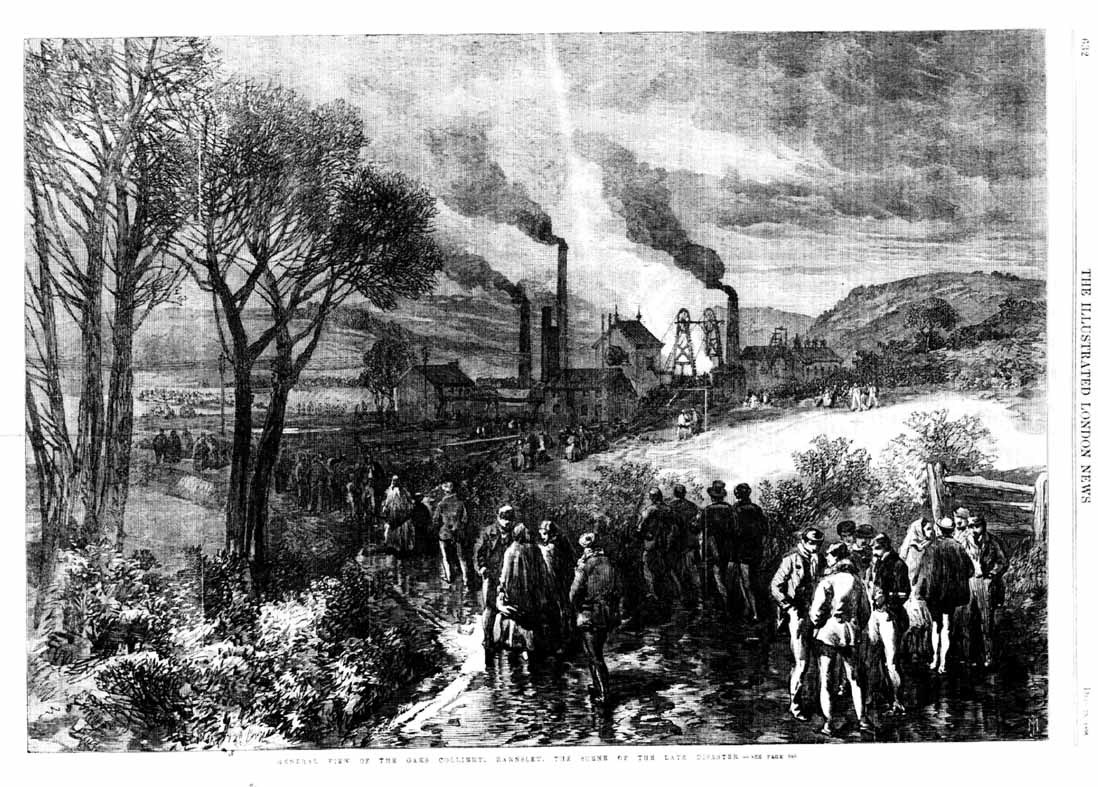
The 18th century also witnessed the growth of the coal industry. The development of the steam engine provided a way to transform the burning of coal into energy that could power new technology. In the 18th century in England population growth created a huge demand for wood to burn for heat and for cooking, but the forests of England could not provide enough wood to meet this demand. Consequently, people turned to burning coal for heat and for cooking. However, miners had to remove coal from the ground in mines, and miners constantly found their way blocked by groundwater. An English hardware salesman, Thomas Newcomen (1664 - 1729) in 1712 set up the first primitive steam engine to pump water out of a mine. A Scottish inventor, James Watt (1736 - 1819) worked to improve upon this steam engine and make it work more efficiently. Watt's labors paid off with his invention of a new and improved steam engine by 1769. Industrialists quickly discovered that they could use Watt's steam engine to power their machines and improve production. Due to this steam engine, industrialists didn't have to depend on unreliable streams or rivers or wind to power watermills and windmills for their factories. Instead they could set up their manufacturing business anywhere they desired and employ the steam engine to power their factory.
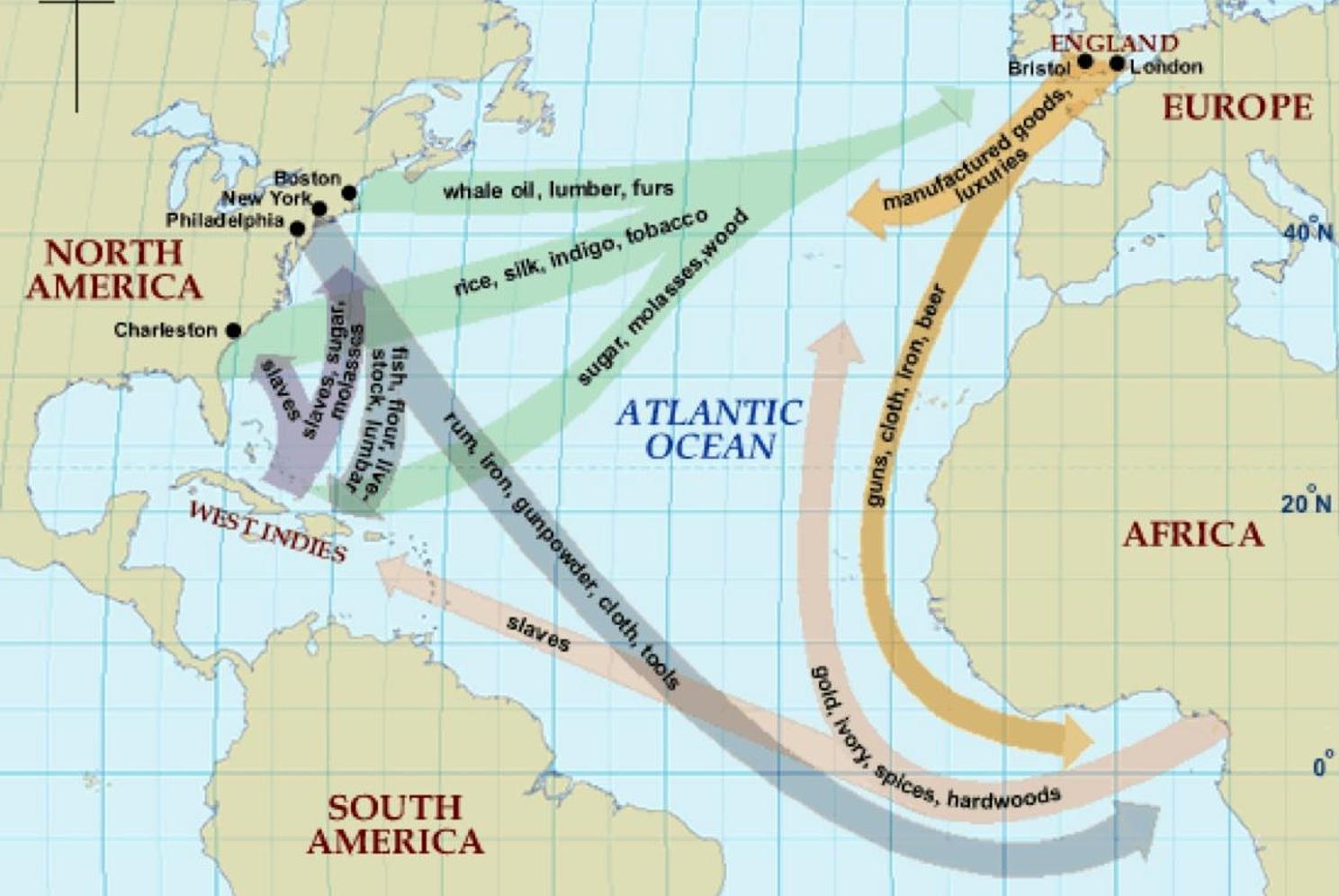
The Transatlantic "Triangle Trade"
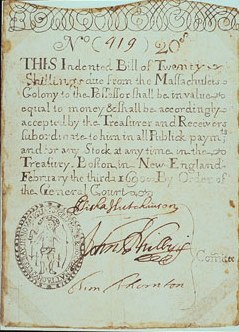
An early "Bill of Credit"
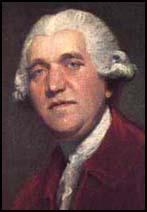
Josiah Wedgewood
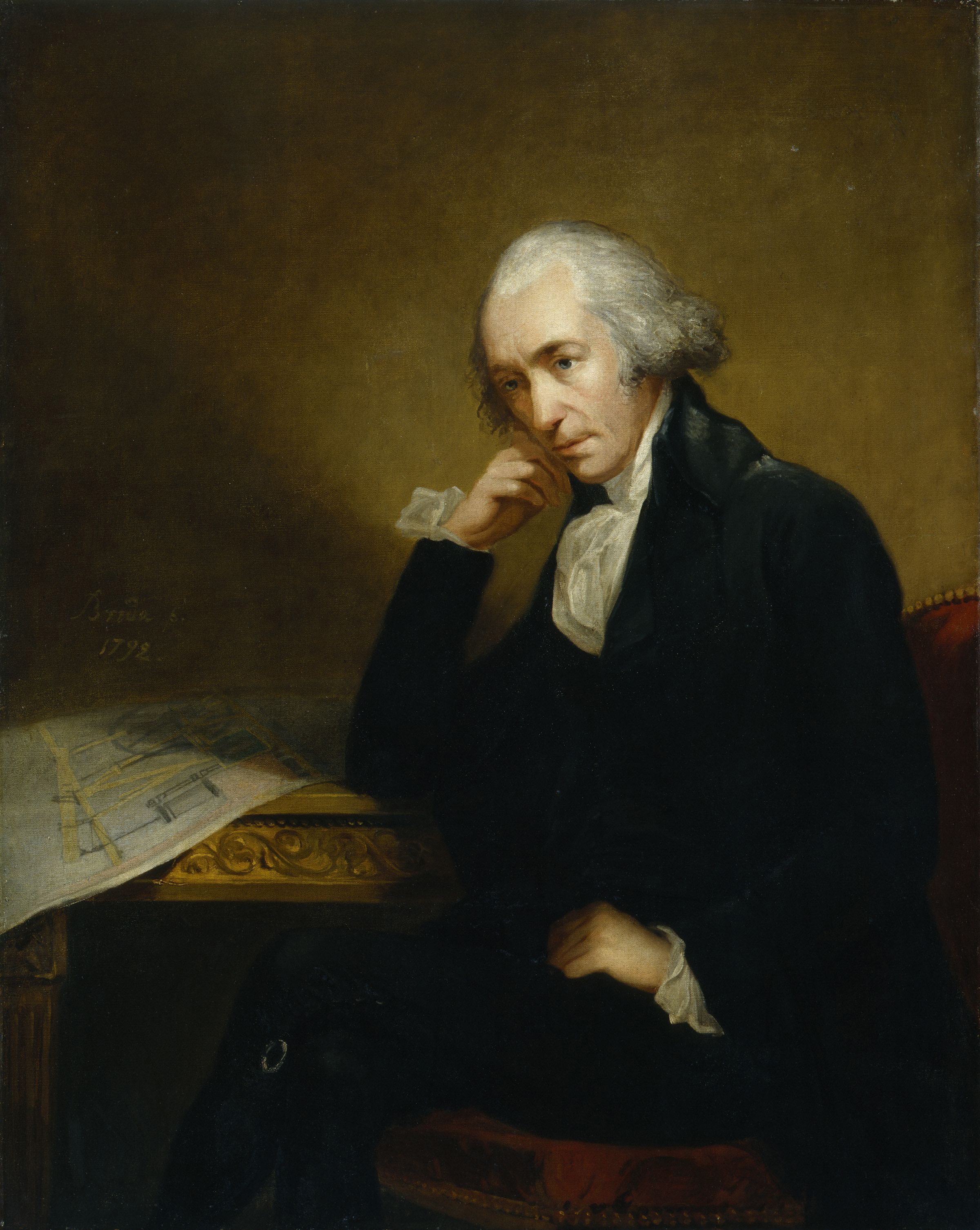
James Watt
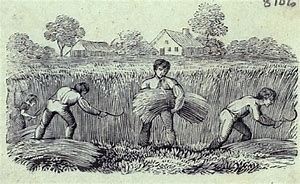
In the 18th and early 19th century the Market Revolution spawned a series of revolutions in agriculture, communication and transportation, and industry. In these centuries farmers were investing in technology and experimenting with new methods in an effort to increase agricultural production to meet rising demand and also increase their profits, as agriculture became a capitalist enterprise. By the 18th century across Europe, land was becoming a capital good (a good, like money or tools, that is used to make or acquire other goods) and a commodity, which an owner can buy or sell for personal use. Previously land ownership had been woven into the feudal and manorial systems since the Middle Ages. Aristocratic landowners had owned their land conditionally as feudal vassals of the monarch. These aristocrats owned manors where their peasants were expected to perform services or pay certain traditional fees to their landlords in exchange for working small plots of land. In 1640 the English Parliament abolished the feudal system, so that landowners in England now owned their hereditary estates outright. Catherine the Great in Russia in the late 18th century allowed the Russian Boyars to own their land outright as their personal property. In 1789 during the French Revolution the National Assembly abolished the feudal system in France, and under the influence of the French Revolution, Feudalism ended in other areas in Europe after 1789. Manorialism began to disappear even earlier than Feudalism. In the 16th century aristocratic landlords (the gentry) in England petitioned Parliament to enclose the lands on their manors. These Enclosure Acts enabled these landlords to expel their peasant tenants on the manors from their plots of land so that the landlords could now use this land as they saw fit as their private property. In the 16th century, landlords often used this enclosed land to raise sheep for wool production, but by the 18th century these lands were also raising foodstuffs (grain and livestock) as the population grew and demand for these products increased. As a result of this enclosure movement, peasants increasingly worked no land of their own, but worked for wages as agricultural laborers. Landowners were free to hire and fire these workers based on their need for labor. In France in 1789 the National Assembly abolished Manorialism, ending the traditional duties and services that peasants owed their aristocratic landlords. By the mid-19th century, European states in central and eastern Europe had abolished serfdom, Prussia in 1849 and Russia in 1861, so that peasants in these states were no longer required to perform labor services for their landlords. In these countries too peasants now worked for wages. In the English colonies in North America, manorialism never existed. In New England, for example, farmers, who made up the majority of the population, owned and worked their own land since land was plentiful. These landowners did face the risk of attack from Native American tribes who viewed these settlers as intruders. In the early 19th century, the United States government, after winning independence from Great Britain, sold land in the west at low prices to farmers to encourage American citizens to settle and develop their own family farms in the western territories. The United States never had serfs, but in the south, such as in Virginia, large plantations did utilize African slaves as their labor force.
As land became a commodity and a capital good, farmers became capitalist entrepreneurs who were looking for ways to improve production and thus their profits. Farmers experimented to find ways to increase agricultural yields through use of manure and fertilizer as well as planting turnips to restore nutrients to the soil. Farmers also engaged in selective breeding to improve the quality of their livestock. In the 18th century, the Scientific Revolution and the Enlightenment encouraged farmers to experiment and to be innovative in their efforts to improve agricultural production. In the social gatherings of the English gentry in the 18th century it was not uncommon for the assembled aristocrats to discuss such topics as turnips and manure in regards to the management of their farms. Farmers also turned to new technology to improve production. In the United States, John Deere (1804-1886), a blacksmith, invented the first commercially successful steel plow in 1837. This plow enabled farmers to cultivate more easily the thick soil of the American Midwest. Another American inventor, Cyrus McCormick (1809-1884) invented and sold the first commercially successful mechanical reaper in 1841. This reaper improved efficiency and therefore profits. One of McCormick's mechanical reapers could harvest wheat 12 times faster than a person working with a sickle, the traditional tool used to harvest this crop. Another American inventor, Eli Whitney (1765 - 1825) invented the cotton gin in 1794. This machine drew out the seeds from raw cotton so that the cotton could be used to make cloth. The invention of the cotton gin made cotton production much more efficient and profitable since the removal of the seeds before this invention was so time consuming. Consequently cotton production soared as the demand for cotton cloth expanded. Unfortunately, this demand for cotton resulted in the expansion of slavery in the American South in the early 19th century. American cotton growers reaped tremendous profits employing slaves as the labor force on their plantations. By the mid-19th century, nearly two-thirds of the United States' richest individuals lived in the southern state of Mississippi, which had a large number of these cotton plantations.
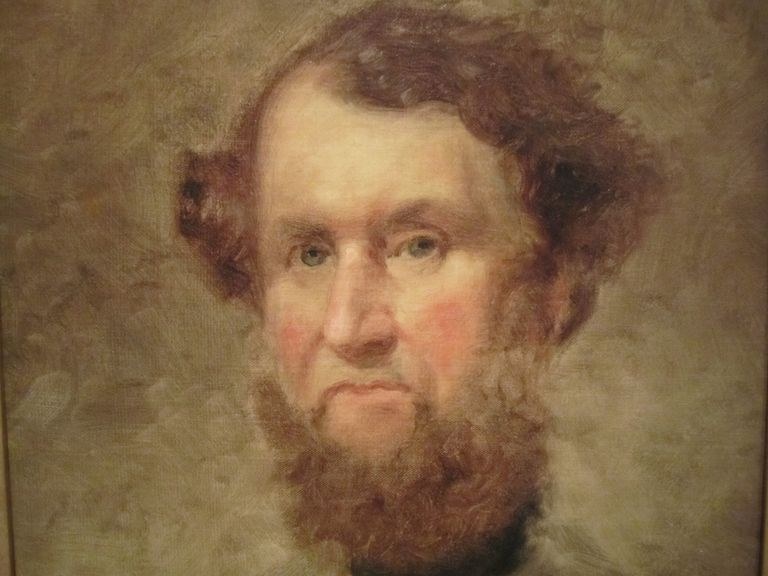
Cyrus McCormick
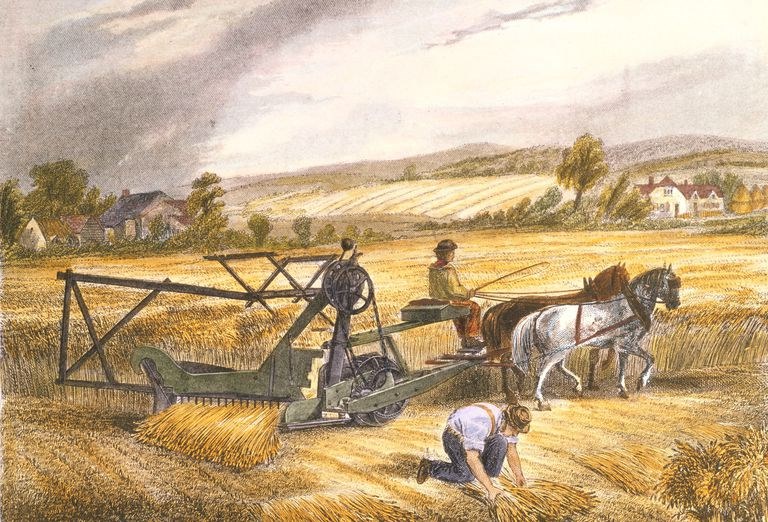
McCormick Reaper
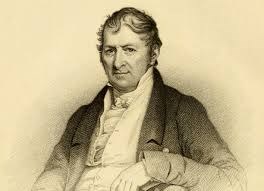
Eli Whitney
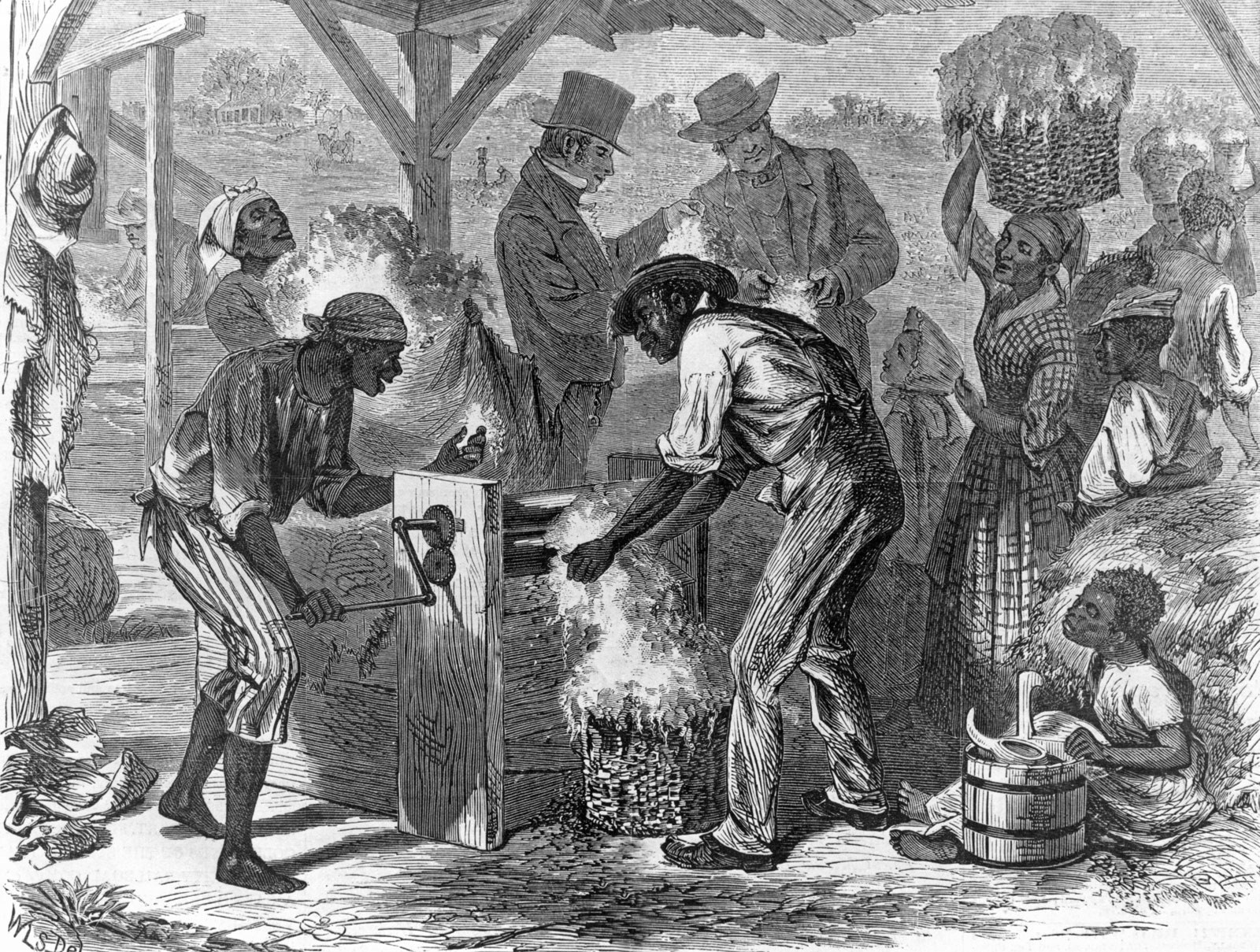
Cotton Gin
As the Market Revolution accelerated over time, it was necessary to develop new, more efficient ways to transports goods and information so that the demand for goods could be met with adequate supply. In the 18th and early 19th century governments in Europe and North America invested in the building of canals to connect major waterways and lesson the amount of time that it took to transport goods, as it was much easier and faster to haul goods by boat than on land. For example Peter the Great in Russia and Charles III of Spain both ordered the construction of such canals. The most successful and profitable canal by far was the Erie Canal, which was constructed by the state of New York in the United States by 1825. This canal linked the Great Lakes in the American Midwest to the Hudson River and the Atlantic port of New York City. This canal enabled farmers in the Midwest to sell their goods to the American cities along the Atlantic coast
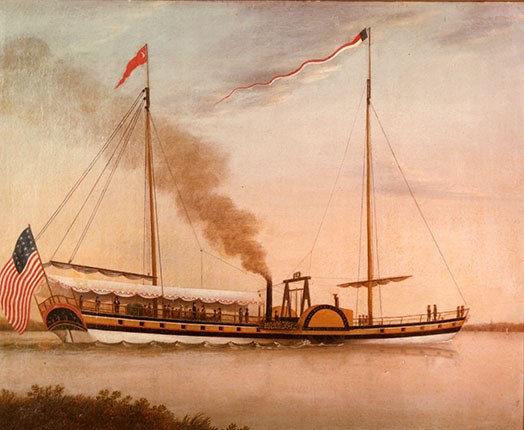
The steamboat further revolutionized transportation. The steamboat used the steam engine, powered by burning coal, to operate a paddle that propelled the boat. Steamboats were not dependent on river currents or winds to operate, so they allowed for more efficient and timely movement of goods. In 1809, in the United States Robert Fulton began the first commercial steamboat operation along the Hudson River in New York. It wasn't long before steamboats were in operation along rivers and waterways across Europe and North America. In 1819 a steamboat, the Savannah for the first time crossed the Atlantic Ocean, travelling from Savannah Georgia to Liverpool , England.
In 1814 an English inventor George Stephenson (1781 - 1848) designed the first railroad locomotive to haul coal. By 1830 in Europe and the United States railroads were beginning to link major cities. The railroad, like the steamboat, used a steam engine powered by the burning of coal, but to propel a train along a track. Railroads made it possible to transport goods by land much more easily and faster than by horse and wagon. Moreover, unlike waterways, train tracks didn't freeze in the winter time. Consequently railroad construction increased dramatically in the early 19th century. In the United States, between 1840 and 1860, for example, the amount of railroad track increased from roughly 3000 to 30,000 miles. Another revolutionary invention was the telegraph by the American inventor, Samuel Morse (1791 - 1872), who also devised Morse Code to transmit words along a telegraph cable. This invention enabled people to transmit information across vast distances. Morse first successfully demonstrated this device in 1844 and by 1850 over 12,000 miles of telegraph cable had been installed. In the second half of the 19th century, the railroad and the telegraph would fuel dramatic economic growth and a Second Industrial Revolution.
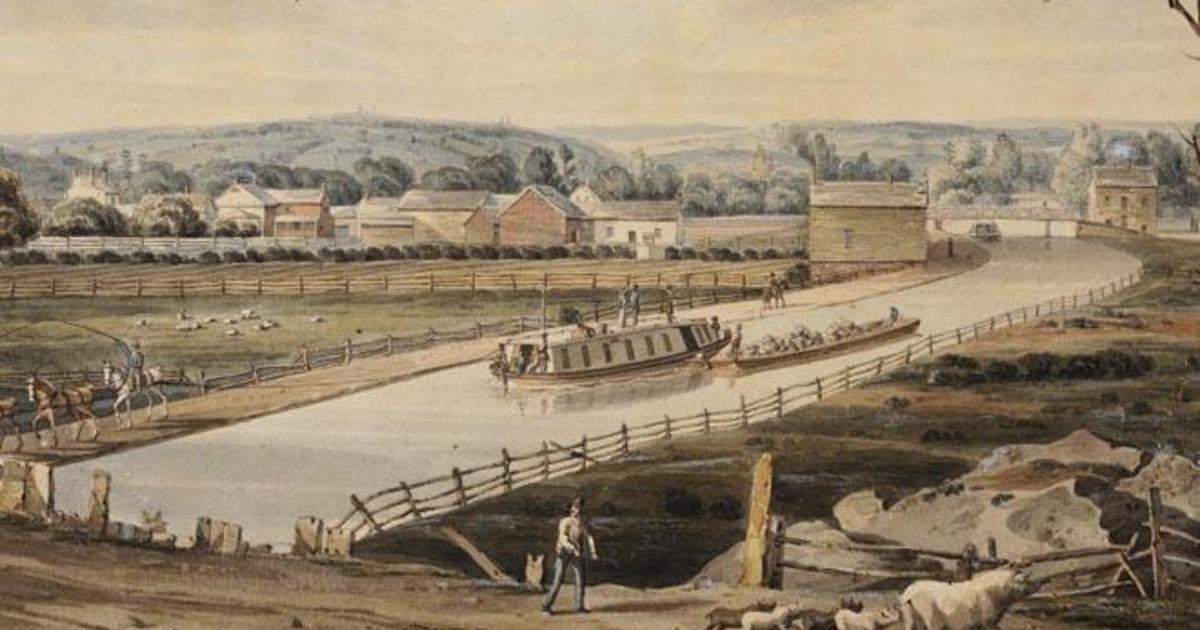
The Erie Canal
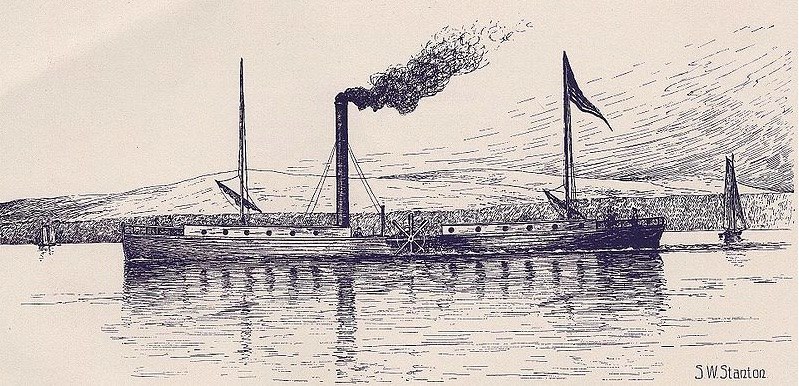
Robert Fulton's Clermont
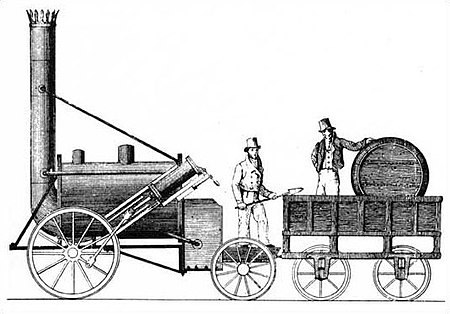
Early Railroad Locomotive (1829)
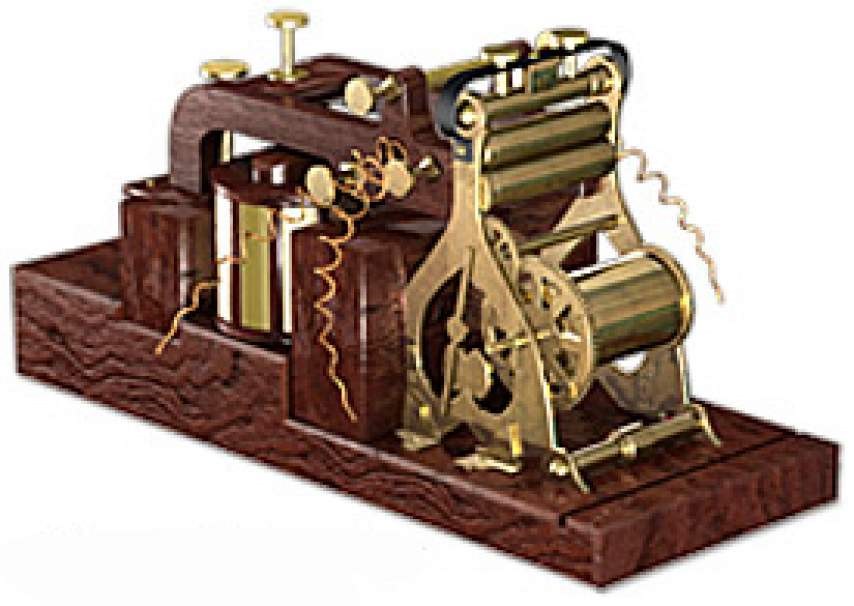
Morse 1844 Telegraph
![The First American Factories [ushistory.org]](/site/6396127c0dc935555caec0026d1ea8448a3077a2ef3130638c9834afe0ced2a0.jpg)
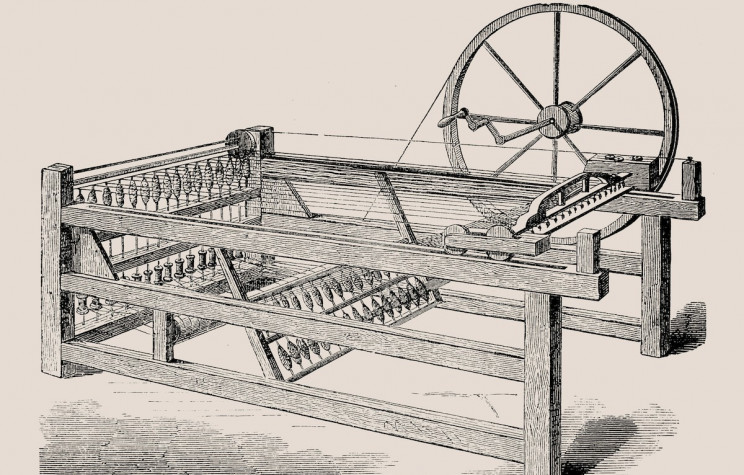
In the 18th and 19th century the manufacture of goods underwent revolutionary change with the development of the factory system, which resulted in an Industrial Revolution. For most of the history of complex cultures, artisans typically produced their wares in small workshops, aided by members of their family and a handful of employees, who were usually servants or slaves. In Europe since the Late Middle Ages, peasants in villages also manufactured cloth and alcohol in their homes (cottages), which historians refer to as cottage industry. By the 18th century as demand for manufactured goods rose, and for cloth especially, entrepreneurs began to invest in newly invented machines to mass produce this cloth, employing machines or labor saving devices such as the Spinning Jenny, which was invented around 1765. These machines enabled these capitalists to lower the cost of labor and increase production, so that they could improve profits.These new machines were also too large to fit into a small workshop or cottage and too expensive for a peasant or artisan to purchase. Consequently, the capitalist entrepreneurs, who owned these tools or capital, set up factories for these machines. Capitalists hired workers to operate these machines at the factories in return for hourly wages. Workers increasingly worked in these factories instead of in their own homes or workshops. The joint stock company provided a means for these capitalists to raise the cash (capital) to purchase this equipment and build factories.
At first factories had to depend on watermills and windmills to power their machines. Early factories became known as "mills". Consequently, capitalists constructed their factories next to rivers to utilize the flow of these rivers to operate watermills. Watt's invention of a efficient steam engine enabled capitalists by the late 18th century and into the early 19th to build their factories anywhere as long as they had easy access to coal to fuel their steam engines, which could power their machines. Towns quickly sprung up in areas where these factories were constructed, often close to coal mines. Birmingham in England and Pittsburgh in the United States are two examples of such factory towns that were situated near coal mines. In the 18th and early 19th century this Industrial Revolution revolved around the construction of factories to produce cloth and steel. as these manufactured goods were in the highest demand for clothes and tools.
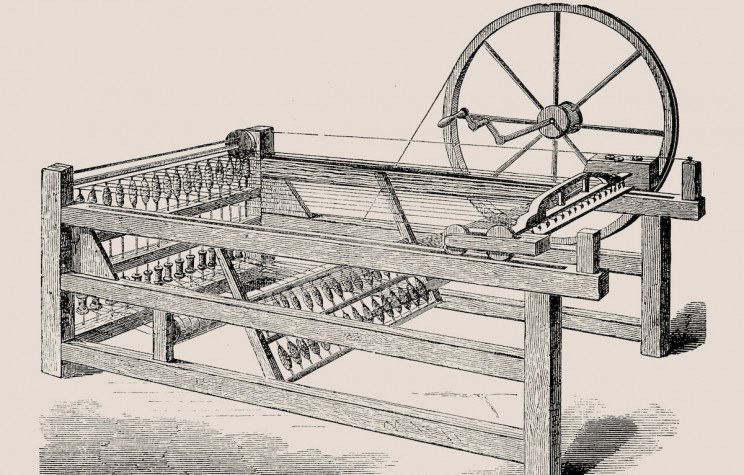
Spinning Jenny
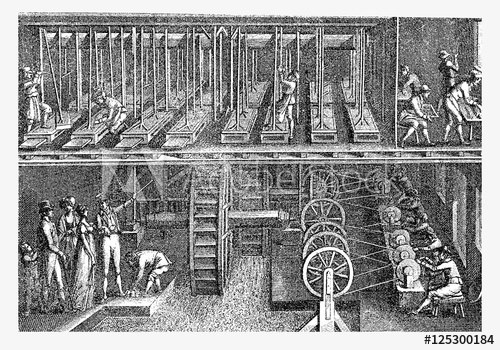
Factory using a watermill
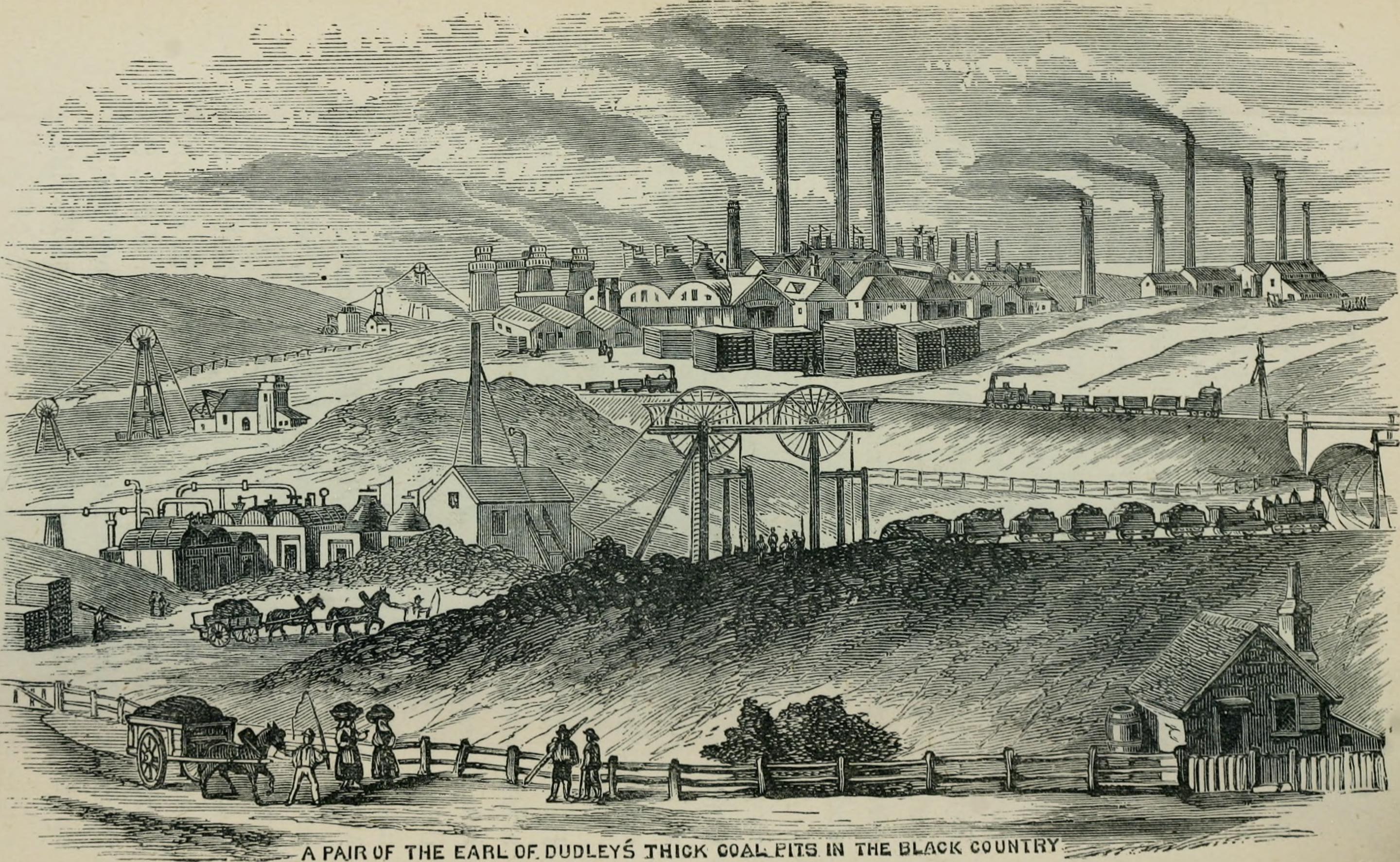
Early 19th century Birmingham
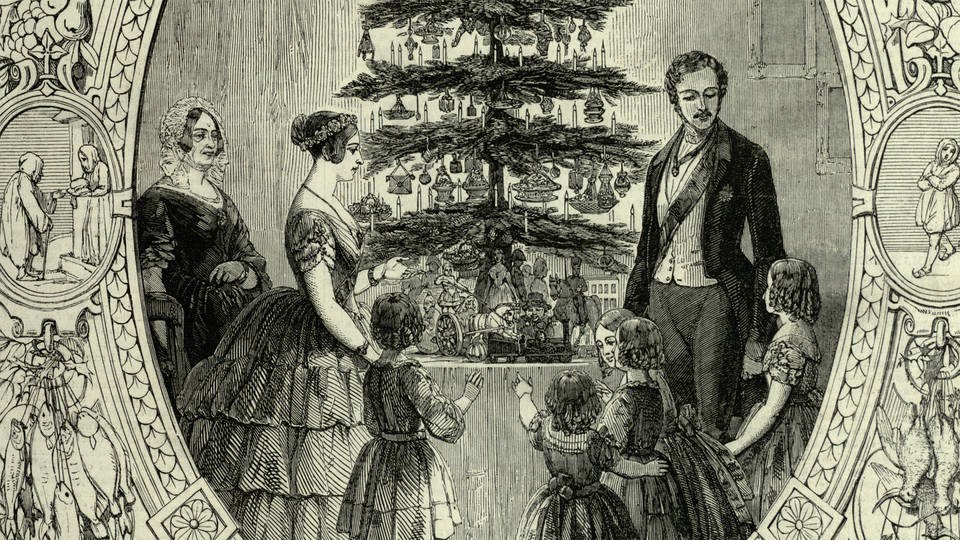
The Market Revolution relatively quickly revolutionized European society. First, the dramatic expansion of trade and industry increased the size and wealth of the middle class or Bourgeoisie.In European society since the Middle Ages, merchants and artisans had been a small percentage of the population living in towns and cities, whose social status was only slightly higher than that of the peasantry from the perspective of the landowning aristocratic elite. The Market Revolution enabled some members of the middle class to amass fortunes that in some cases were even far greater than the wealth of aristocrats. Members of the middle class over time became increasingly frustrated that the aristocratic elites still monopolized political power even though their wealth and financial success was not superior. This frustration would eventually fuel political revolutions across Europe.
Another result of the market revolution was a growth in numbers of an urban working class or Proletariat. Beginning in the 18th century, agricultural laborers left their country villages, where wages were low and employment unsteady, and migrated to towns and cities to find work in factories and coal mines, where wages were higher and jobs plentiful. In England in the 18th and 19th century, for example, people migrated from southern England to the "Midlands" to factory towns such as Birmingham, which were located near the coalfields of this region. As a result of this migration in Europe and the United States urbanization occurred as the percentage of people living in towns and cities increased over time. These urban workers, including woman and children, often worked over 10 hours a day, six days a week in factories and mines and went home to hastily constructed unsafe tenements.
The growth of this urban working class came at the expense of guilds. The development of labor-saving machines eliminated many skilled jobs. Factory owners could hire unskilled agricultural laborers from the country to operate their machines. Consequently some professions, such as weavers of cloth, were eliminated as a skilled job. Moreover factories were quickly replacing small workshops as the the main producers of manufactured goods. Workshops operated by a master craftsmen of craft guilds along with their family, were rapidly disappearing and being replaced by large factories employing unskilled workers. Consequently the Market Revolution resulted in the decline in the social status and wealth of the working class. In England in the 1820's some members of guilds known as Luddites even vandalized the machines at factories since they blamed these machines for threatening their jobs. The anger and frustration of the working class would result in revolutions and rebellions for the next several centuries.
![Image 17: The First American Factories [ushistory.org] ↗](http://www.ushistory.org/us/images/00034154.jpg)