The Second Industrial Revolution
Modern World18
Many Europeans in the late 19th century were brimming with hope and optimism regarding the supposed bright and wonderful future of the human race. However, from the perspective of the early 21st century, historians can see that Europe was heading for a catastrophic Great War (1914 - 1918) that would cast a long shadow and result in continual wars and conflicts around the world for the next century. The causes of this Great War are many, and no one nation started this war, even though many Europeans came to blame Germany. The outbreak of this war came at the end of a long process that began with the Second Industrial Revolution, which resulted in rapid economic growth worldwide. This economic expansion, however, resulted in destructive social and ethnic tensions that threatened to tear European states apart. To counter these dis-unifying forces, the peoples of Europe embraced nationalism as a means to maintain social order and unity. This same nationalism that promoted internal unity within each nation, also stirred up intense rivalries between different nations. To advance their national interests against rival nations, national leaders embraced militarism - the idea that nations could maintain national security and advance their national interests through their military and quick and decisive wars. The Great European powers also sought to achieve national security through imperialism - the conquest and annexation of overseas territory, primarily in Africa and Asia. By the early 20th century, the European powers had formed competing military alliances against one another due to their national and imperialist rivalries. After Europe had become divided into rival military alliances, the Triple Entente (United Kingdom, France, Russia) and the Central Powers (Germany, Austro-Hungary) a series of international crises in the beginning of the 20th century led to the outbreak of war in 1914.
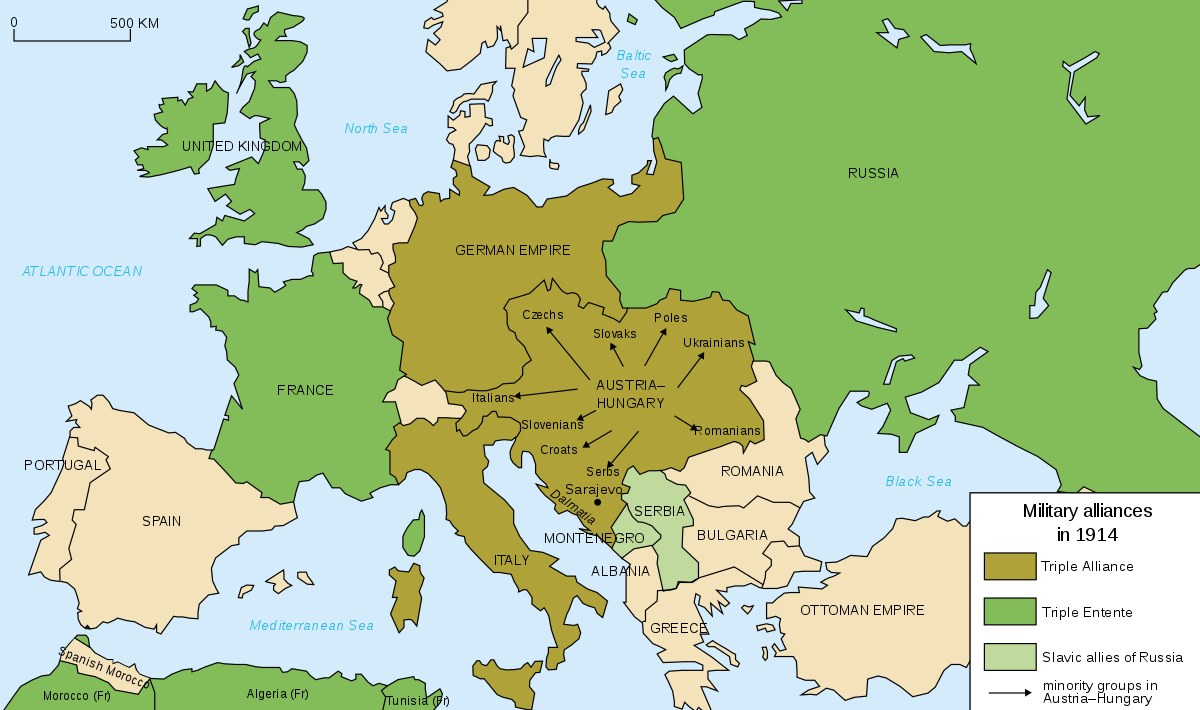
European military alliances in 1914
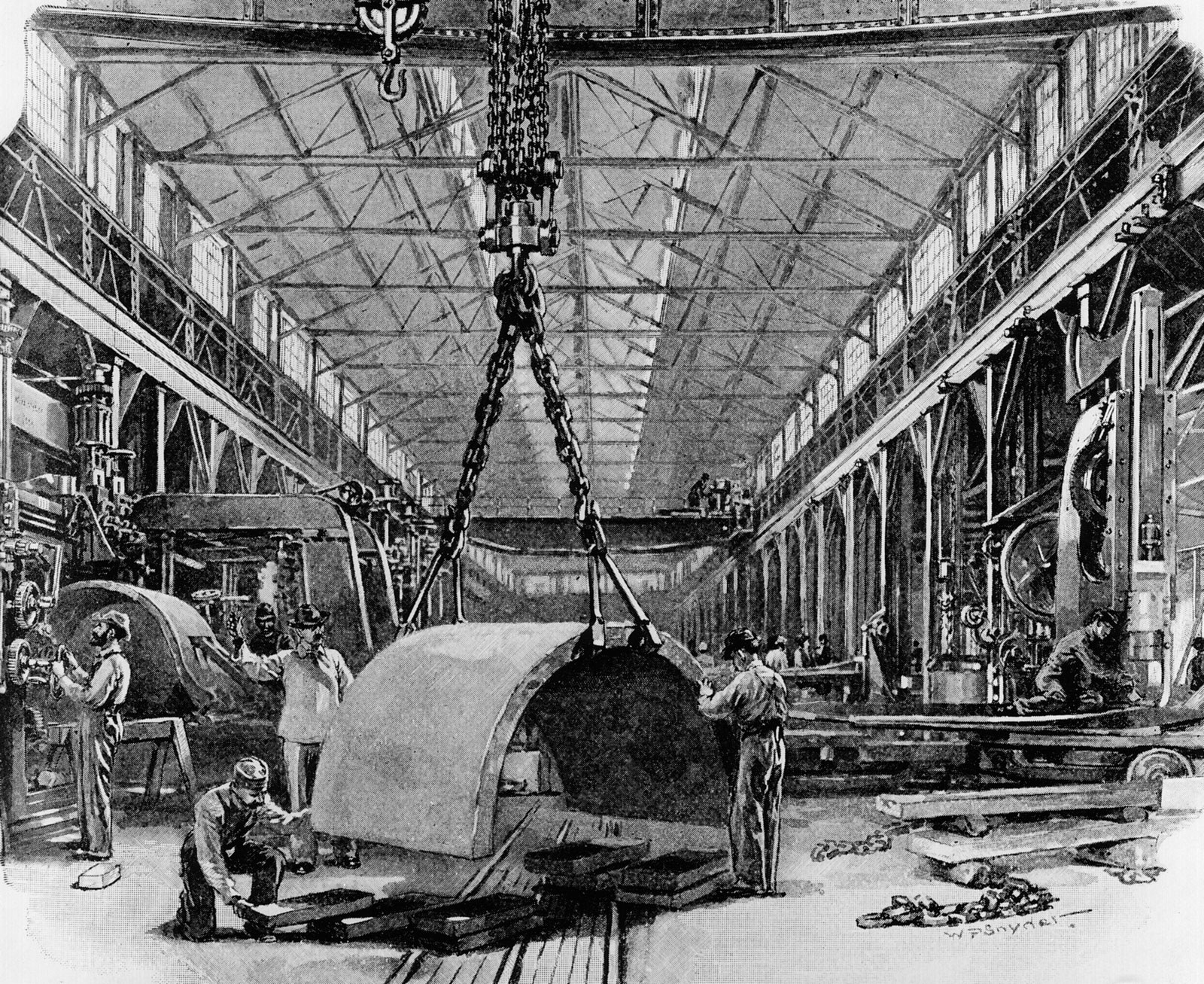
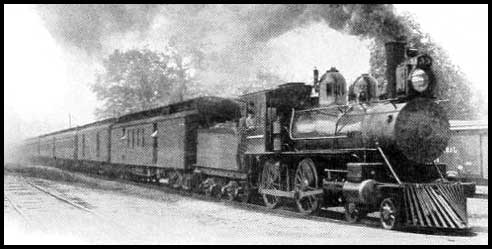
The Second Industrial Revolution resulted in rapid economic expansion across Europe and around the globe in the late 19th century due to the phenomenal growth of railroads in this era as well as the development of new industries (i.e. oil. electronics) due to advances in technology. Railroads spurred economic growth in multiple ways. First, railroads increased the ability of producers of goods to transport their products to consumers. The expansion of railway networks allowed these producers to sell increasingly more goods to more people over an ever increasing area, thereby greatly increasing markets for these goods and stimulating economic growth. Second, railroads resulted in new factories and urbanization. Investors built new factories along railway lines, so that goods produced at these factories could be quickly shipped by railroad to market. Consequently people seeking jobs settled in the towns and cities where these new factories were located. For example, here in the Tri-Cities of Upper East Tennessee, all the major cities in this region arose due to the arrival of the railroad. Bristol and Johnson City developed after the completion of the first railway line in the mid-1850's, and Kingsport arose following the construction of a second railway line at the beginning of the 20th century. (The businessman who oversaw the construction of this second railway line, George Carter, also donated the land for creation of a new college that would become East Tennessee State University.)
Railroads and railroad construction also stimulated strong demand for steel, coal, and timber, so that these industries also experienced rapid growth. The largest steel company in the United States, US Steel, became the world's first billion dollar corporation in 1901. The huge demand for timber resulted in the rapid deforestation of much of the Smoky Mountains in East Tennessee. (The thick forests of this area today only reappeared after this area was designated a national park in 1933.)
Railroads also stimulated agricultural production. Since railroads could transport basic foodstuffs in bulk such as wheat, corn, and potatoes, local farmers didn't need to raise these crops to feed themselves and could instead focus their efforts on producing a cash crop for the market. For example, in this period farmers in the United States in Florida and Southern California specialized in raising citrus fruits (i.e. lemons, oranges), while farmers in northern Germany produced hops for breweries, and farmers in Greece raised grapes for producing raisins and wine. In East Tennessee, local farmers raised burley tobacco due to high demand for cigarettes at this time. In the American West, "cowboys" in the 1860's and 1870's drove millions of heads of cattle from the prairies to towns such as Dodge City in Kansas and Cheyenne in Wyoming, where the cattle was sold and transported by railroad to market. The invention of the refrigerated railway car in the United States in 1867 made it possible to transport many agricultural products across large distances without spoiling. The transportation of foodstuffs by railroad also stimulated economic growth by increasing the population and thereby increasing the demand for goods. Local poor harvests and crop failures no longer resulted in widespread famine and death since food could be brought by the railroad to areas suffering from famine. People, and especially children, in those areas therefore didn't die due to malnutrition, as in centuries past.
The construction and operation of the railroads also created the first giant corporations. In the United States, for example, Railroad entrepreneurs such as William Henry Vanderbilt (1821 -1885) and Jay Gould (1836-1892) founded corporations that sold large amounts of stocks and bonds to banks and private investors to raise the capital necessary to fund the construction and operation of their railroads. Railroads, for example, required a large workforce of skilled (i.e. engineers, accountants, lawyers) and unskilled (i.e. construction workers, porters) employees, which was very expensive to maintain. Railroad corporations thereby provided a model for the formation of large companies in other industries. These companies through the sale of stocks and bonds provided a means to concentrate resources to hire workers, build factories, and invest in new technology.
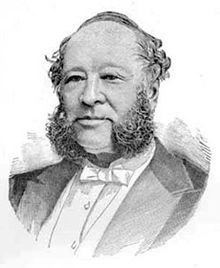
William Henry Vanderbilt
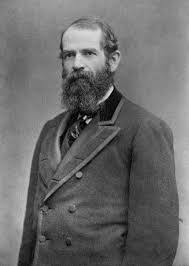
Jay Gould
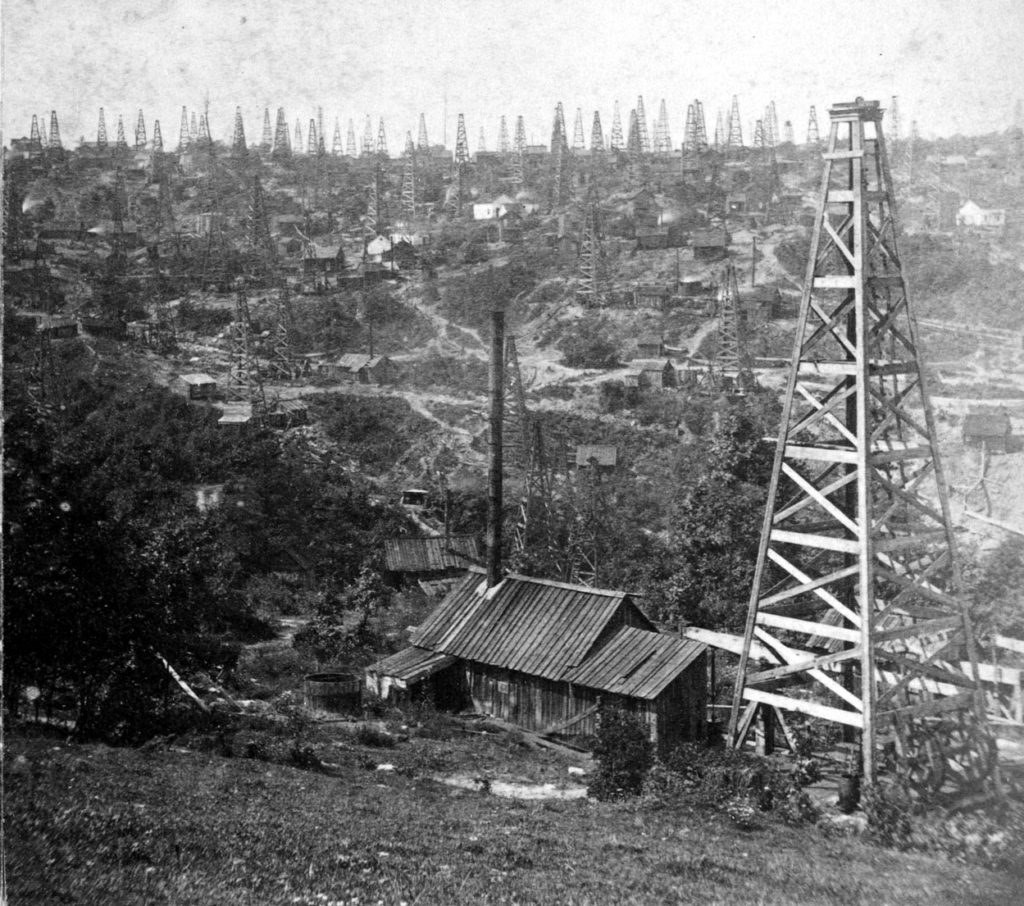
In the late 19th and early 20th century a host of new industries stimulated economic growth through advances in science and technology. For example a French chemist, Hilaire Bernigaud, invented the first synthetic fiber, rayon in 1889 for cloth production. (North American Rayon's factory in Elizabethton was once one of the largest employers in this region during World War II). In 1886 in the United States, Charles Martin Hall invented an industrial process to produce aluminum, and afterwards founded a company to produce aluminum in Pittsburgh that would become the Aluminum Company of America (ALCOA) in 1907. In 1884 in the United States George Eastman (1854- 1932) invented the first camera that consumers could easily operate, and in 1894 he founded the Kodak Eastman Company to manufacture these cameras and film in Rochester, New York.
Electronics was major industry that developed in this period as well. Thomas Edison (1847-1931) was one of the most prolific inventors in world history with his invention of the phonograph and motion picture camera, which would lead later to the emergence of the film and recording industries in the 1920's . His most famous invention, however, was the electric light bulb in 1879. In 1885 Edison founded a new company, General Electric (GE), which specialized in manufacturing electronic devices and generating electric power. Edison's competitor in the new electronics industry in the United States was the inventor George Westinghouse (1846-1914), who patented an air brake for the railroads in 1869. Westinghouse, however, became interested in generating electric power, and in 1886 he founded the Westinghouse Electric Company. For the delivery of electric power, Westinghouse adopted alternating current, which had been invented by a brilliant Serbian immigrant. Nikola Tesla (1856-1943) and became the standard form to deliver electric power. Another invention of this period was the telephone, which was invented by a Scottish immigrant in the United States, Alexander Graham Bell (1847-1922). In 1877, Bell founded a company to provide telephone service, the Bell Telephone Company, which became the American Telephone and Telegraph Company (AT&T) in 1885.
The oil industry was yet another new industry in this period. In the 1850's an American inventor, Samuel Martin Kier invented a process to refine crude oil into kerosene, which was first used to light lamps for coal miners in Pennsylvania. In the same decade, the first oil wells in the world arose in western Pennsylvania to extract crude oil from the ground. Before the use of electricity became more widespread in the early 20th century, the burning of kerosene oil often provided light for homes, businesses, and street lamps. In 1885, a German engineer, Karl Benz (1844-1929) invented the first automobile, which was powered by an internal combustion engine that ran on gasoline, derived from crude oil. Only the very wealthy initially could afford the first automobiles, which were often featured in races as a form of popular entertainment. An American inventor, Henry Ford (1863-1947), however, envisioned the automobile as a transportation device that average consumers could use. Ford did for the automobile what George Eastman earlier had done with the camera. In 1903 Ford founded the Ford Motor Company, and in 1908, this company produced the Model T, which became the first automobile that average middle class Americans could afford. Over the next several decades, the automobile would spur a giant new industry of its own.
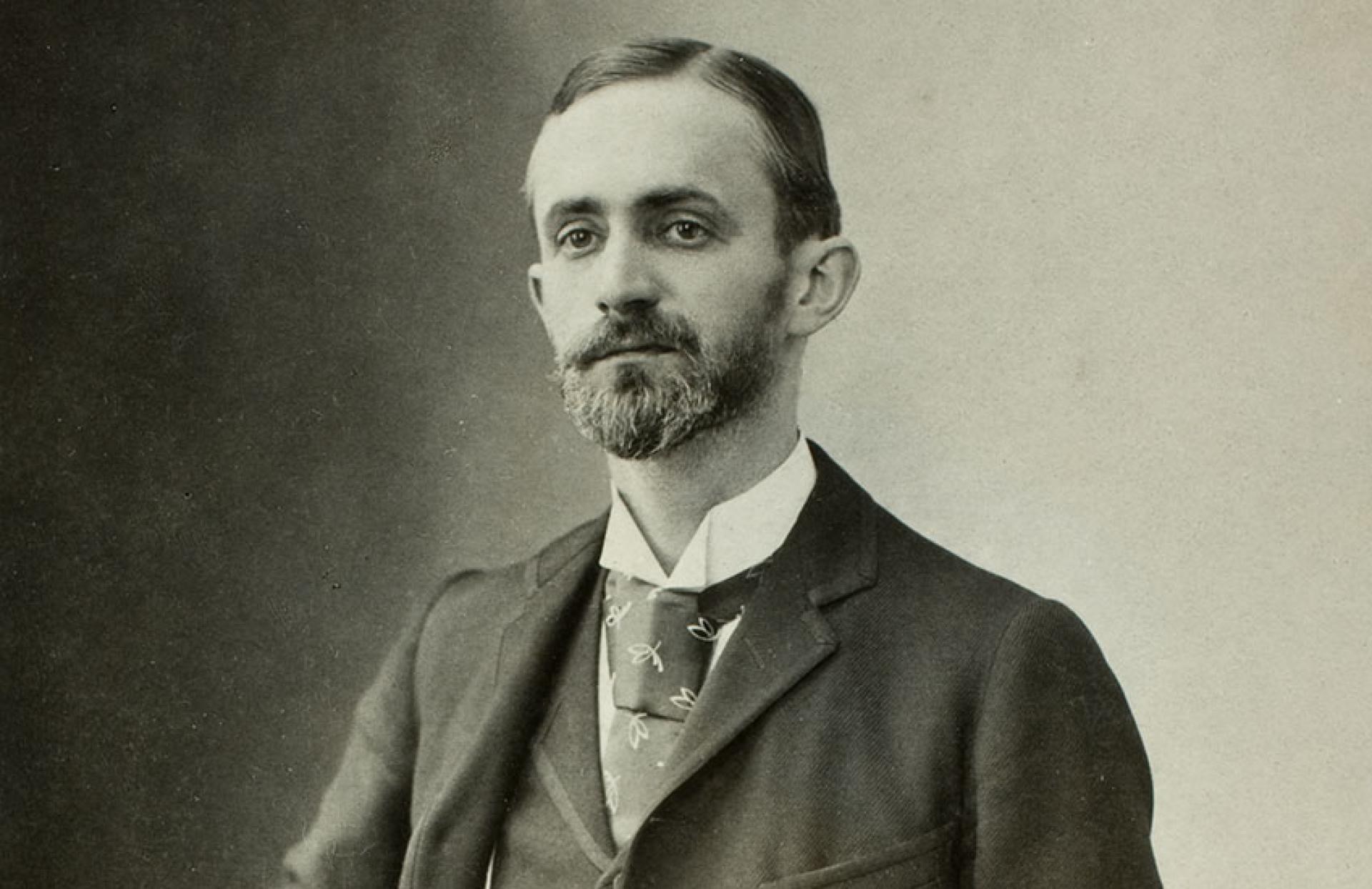
George Eastman
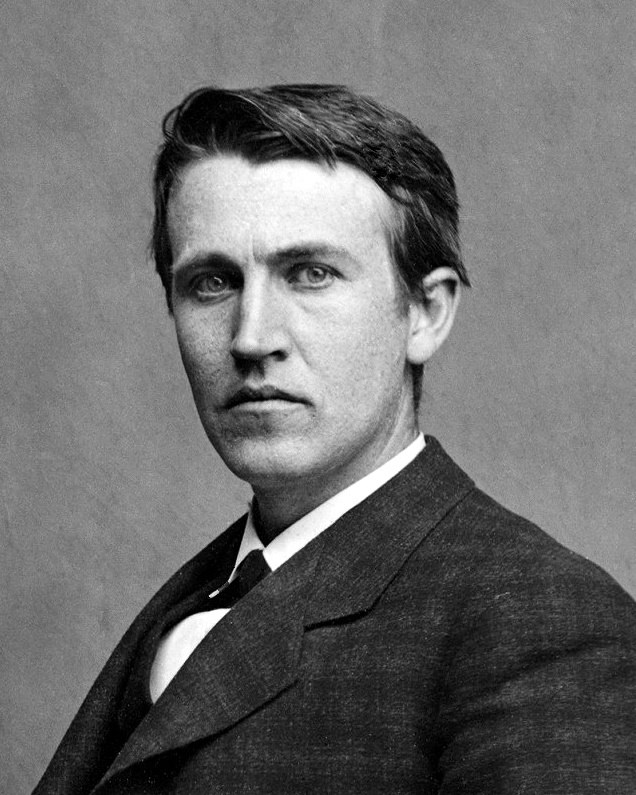
Thomas Edison
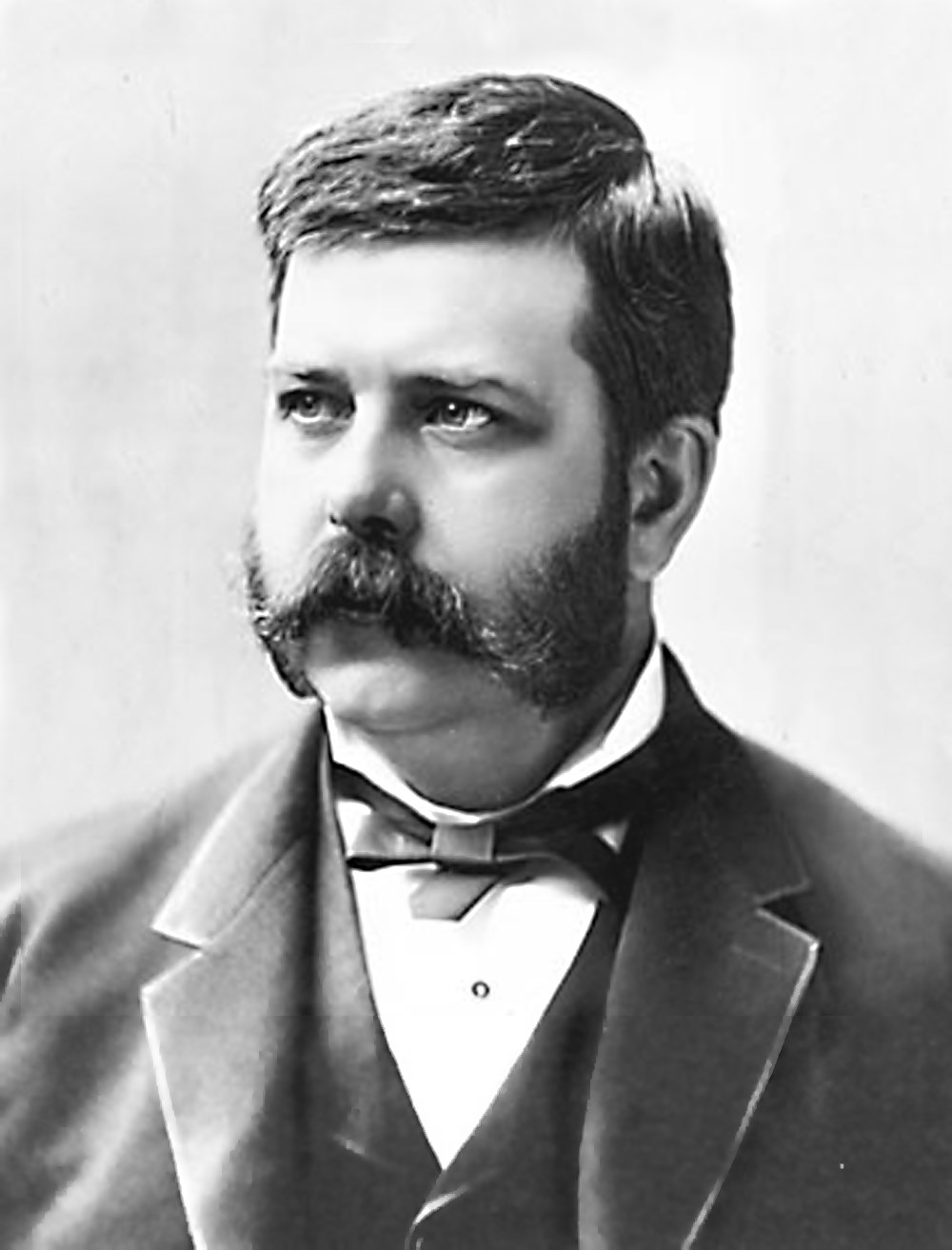
George Westinghouse
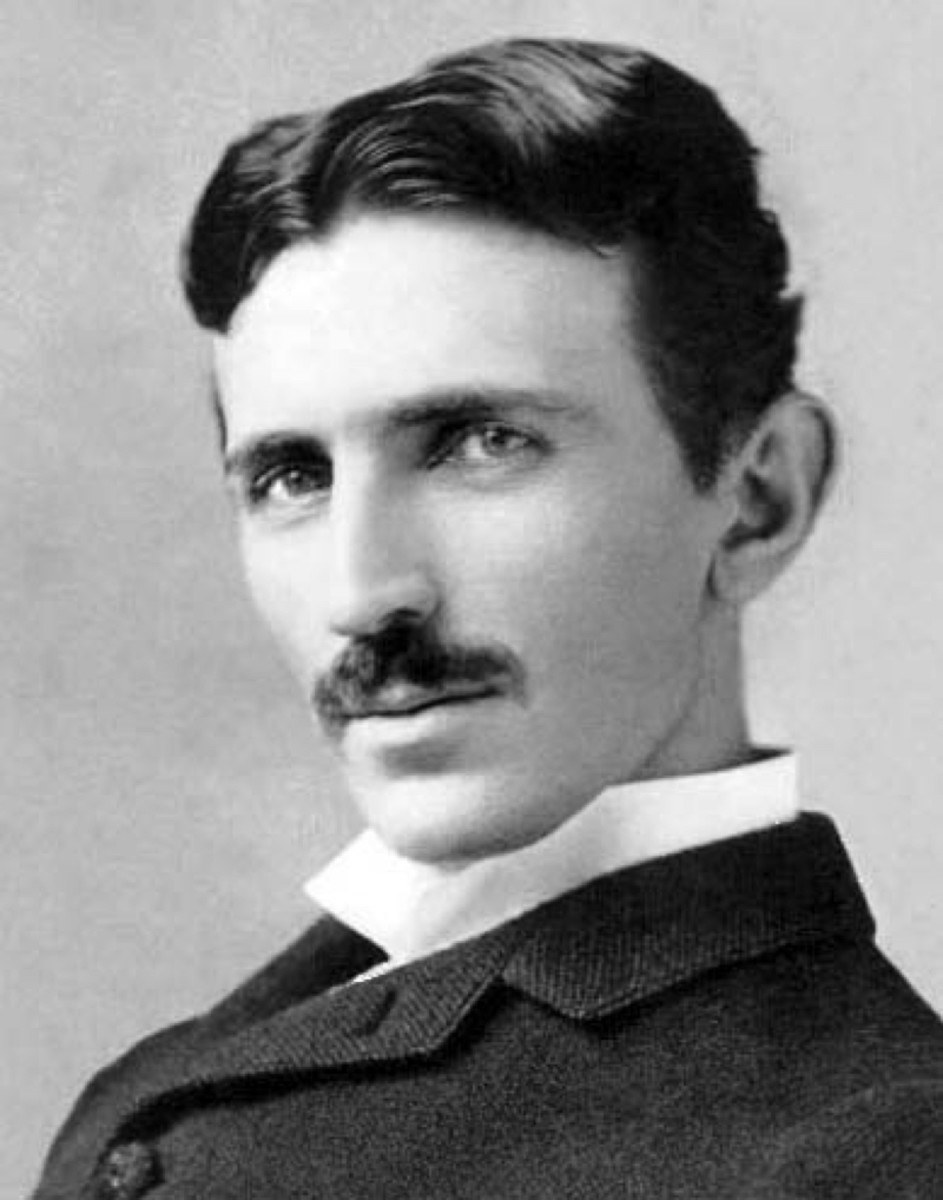
Nikola Tesla
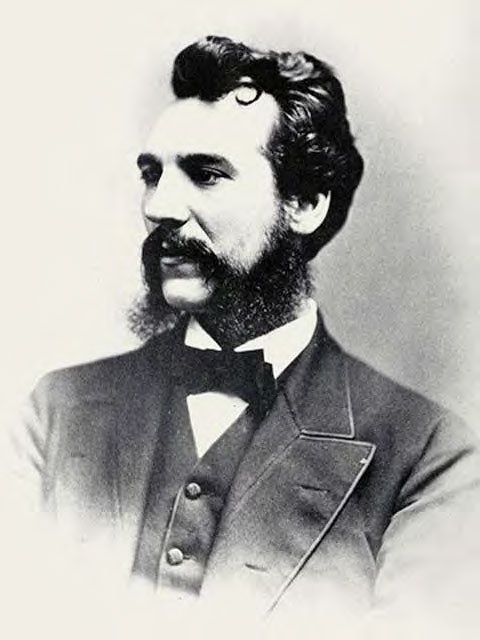
Alexander Graham Bell
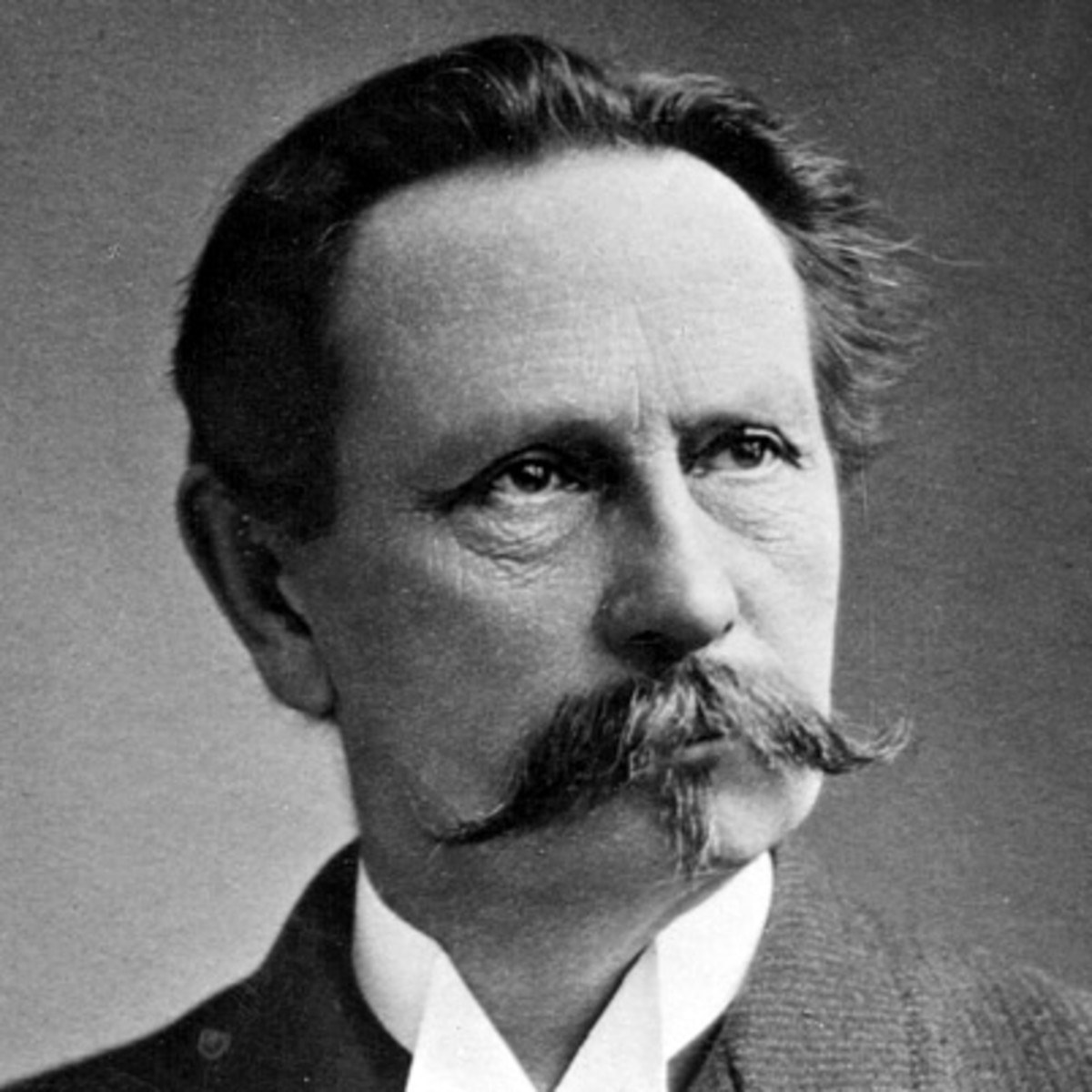
Karl Benz
Henry Ford
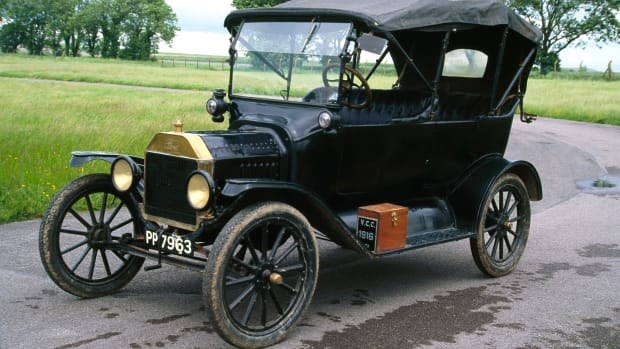
The Model T
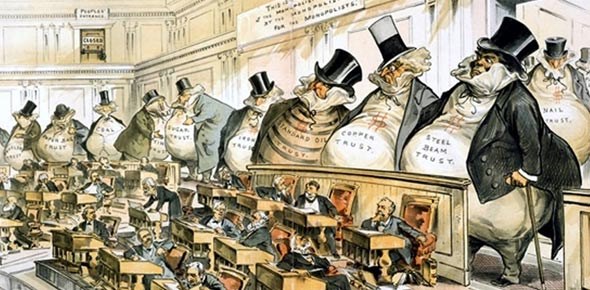
In the late 19th century, various industries became dominated by large corporations, especially in Germany and the United States, which both experienced the most rapid economic growth in this period. A trust or cartel was a corporation or a set of linked corporations that possessed a monopoly in a particular industry, usually through eliminating their competitors. For example, in 1871 John D. Rockefeller (1839-1937) founded Standard Oil to refine the crude oil from the Pennsylvania oil fields By 1879 Rockefeller's company had bought out rival companies and was refining 90%- 95% of all oil in the United States. In the early 20th century Rockefeller became the world's first billionaire. The English immigrant and banker, J. P. Morgan (1837-1913) financed the merger of the leading steel companies in the United States with the founding of United States Steel Corporation in 1901. Over in Germany, the Ruhr Valley in west Germany, like Pennsylvania in the United States, was rich in coal. Here as in Pennsylvania, the steel industry in the 19th century rapidly expanded due to its proximity to the coal fields. Under the leadership of Alfred Krupp (1812 - 1887), the Krupp Corporation, based in the Ruhr Valley, came to dominate the coal and steel industries in Germany and emerged as the largest corporation in Europe.
These giant trusts possessed the financial resources to invest heavily in new technology to improve productivity and efficiency. Improved productivity resulted in higher profits by lowering costs. Higher profits in turn attracted investors, who consequently purchased stocks and bonds in these companies and therefore provided these companies with even more financial resources. For example, in the United States, the industrialist and Scottish immigrant, Andrew Carnegie (1835 - 1919) invested in the recently invented Bessemer process in all of his steel mills, which lowered the cost of steel production. Carnegie therefore increased his profits, attracted investors, and eliminated less profitable competitors. Carnegie later sold his company, Carnegie Steel, to J. P. Morgan for $500 million in 1901 to create the United States Steel Corporation. These trusts were also able to increase efficiency and productivity through their vertical integration of an industry, which enabled a trust to control multiple aspects of an industry. John D. Rockefeller's Standard Oil Trust, for example, in the United States, controlled oil exploration and extraction, transportation of the crude oil through pipelines or by railroad, the refining of the oil at refineries, and the distribution of the finished products to buyers.
These new, large corporations needed a very large, well trained work force to maintain and expand their far-flung business operations, which included, for example, scientists, engineers, managers, and accountants. The late 19th century witnessed a dramatic transformation of higher education in Europe and the United States to provide these corporations with these skilled workers. Since their origins in the Middle Ages, universities traditionally trained physicians, lawyers, and clergy. Most students at these universities were from wealthy, aristocratic families and were planning for careers in government and the church. Before the 17th century, instruction in these universities had been in Latin. In the 19th century, colleges and universities especially in Germany and the United States, began to offer training in more practical fields of study for members of the expanding middle class. In 1862 in the Unites States, for example, Congress passed the Morrill Act, which set aside the sale of federal land for the foundation of new colleges, which focused on training students for careers in business and industry. In the late 19th century these new "land-grant" universities arose across the United States such as the University of Tennessee, Clemson University, and Pennsylvania State University. The foundation of these new colleges increased access to higher education in the United States, and the number of college students in the United States tripled between 1870 and 1890.
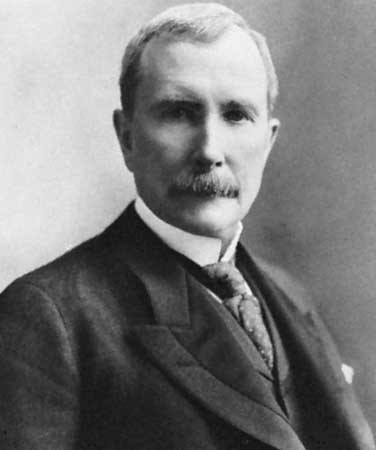
John D. Rockefeller
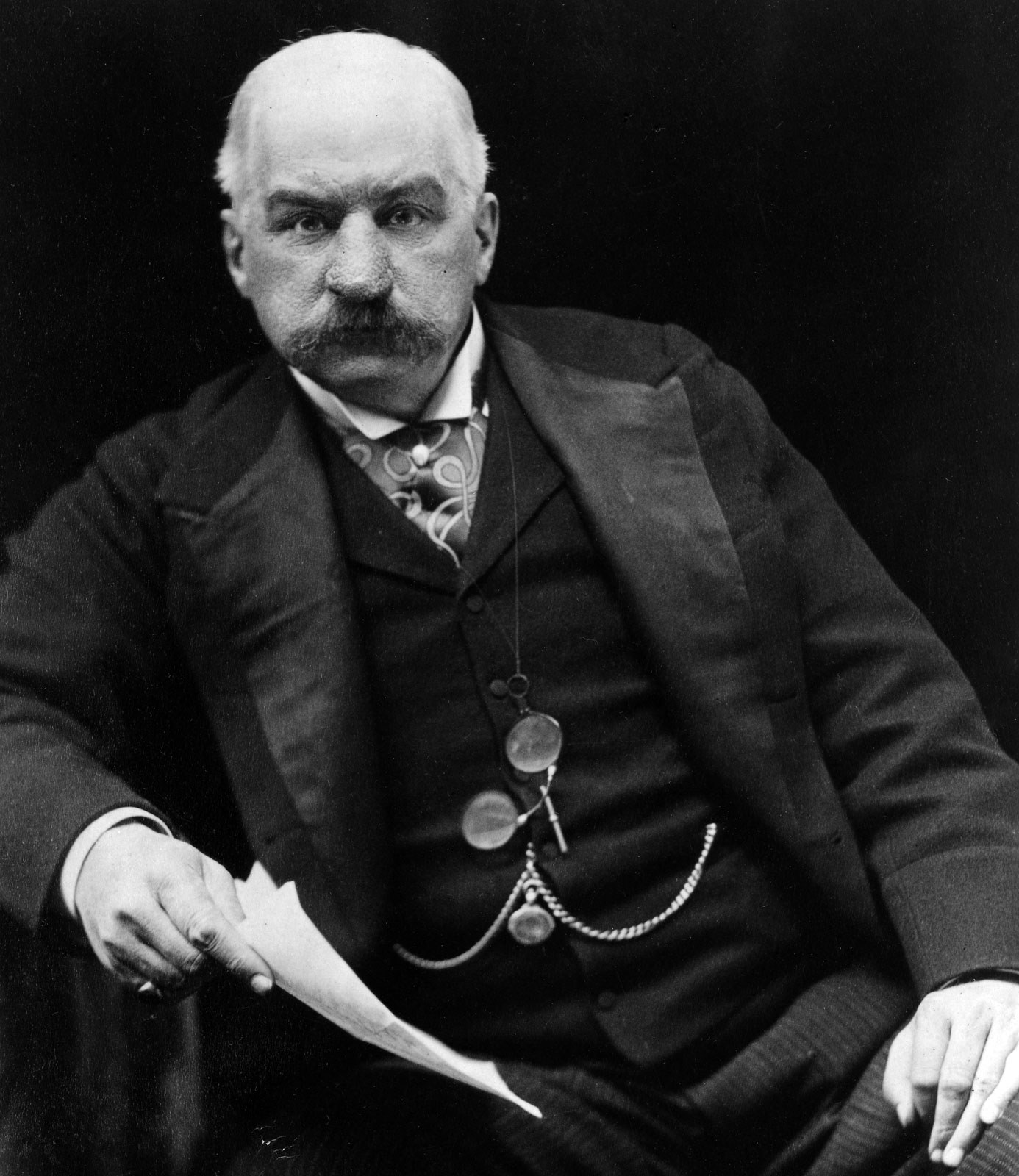
J. P. Morgan
Alfred Krupp
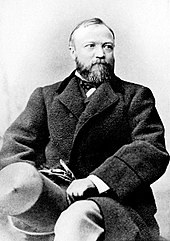
Andrew Carnegie
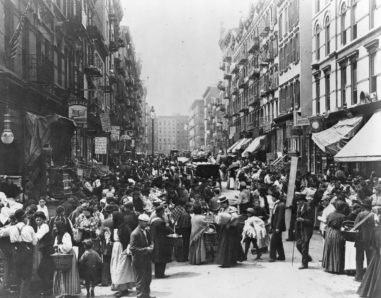
Even though the period of the late 19th century and early 20th century was an era of unparalleled economic growth, especially in western Europe and the United States, this era was not without its share of difficult economic problems. In eastern Europe (Russia, Austro- Hungary) and southern Europe (Spain, Italy, Greece, Ottoman Empire) the population rapidly expanded in rural areas, but peasants in need of work from these areas couldn't find work by simply moving to local cities. These parts of Europe were much less industrialized than western Europe, so these agricultural laborers couldn't simply find work in factory towns in these regions. Consequently, millions of peasants from these areas migrated overseas to find economic opportunity. These immigrants settled in the United States where there was huge demand for labor in factories, mines, and the railroads. By 1900, 90% of the population of New York City was foreign born. These immigrants also settled in the colonies of the British Empire such as Canada and Australia. The British government began forcibly settling convicts in Australia back in 1788, but by the late 19th century, the population of Australia rapidly expanded due to this immigration. In 1901 the British Parliament granted Australia self-government and autonomy, just as it had done to Canada in 1867. Many of these Immigrants and those from from Italy and Spain in particular, also settled in South American countries such as Brazil, Argentina, and Chile. Since many of these these immigrants had been peasants without education or specialized job skills in their homelands, they could often only find work as low-paid, unskilled laborers on plantations, mines, and factories in their new homes.
This same period was also plagued with uncertainty and anxiety because of periodic, economic "panics", when the economy would suddenly shrink resulting in widespread bankruptcies and high unemployment. Around the years 1873, 1893, and 1907, in Europe and the United States, these areas experienced such "panics", which were followed by a period of rapid economic recovery and growth, a process which economists have likened to the movement of a roller coaster. The cause of these periodic economic panics was overproduction, when the supply of goods produced exceeded the demand for these goods, resulting in lower prices for these goods. The panic began when banks were not able to receive payments on loans that that had given to businesses since these businesses were not as profitable due to lower prices for their products. Whenever investors in a bank sensed that a bank was having trouble receiving these payments, these investors would literally panic and a "run on the bank" took place. Investors would literally race to their bank to empty their accounts in the bank before the bank went bankrupt and investors lost all their savings. When such a "run on a bank" occurred to a bank, that bank often did go bankrupt. A "run on a bank" was often contagious, leading other investors to race to remove their accounts from other banks as well. When numerous banks went bankrupt during such a panic, investors in these banks, including businesses, lost huge sums of money. Businesses facing these losses had to cut their costs to make ends meet. These businesses either cut wages for their employees or laid their employees off, thus leading to widespread unemployment. During a panic, unemployed workers faced hunger and homelessness. Working class men usually made sure that their wives and children were employed as insurance, since businesses during a panic usually laid off men first since men customarily received higher wages than women and children. In the late 19th century, unemployment insurance didn't yet exist. Desperate unemployed families often relied on local churches and charities to provide food, shelter, and clothing.
Widespread trade protectionism among industrialized nations in this period increased the problem of overproduction and panics. European nations and the United States often imposed high custom duties (tariffs) on specific foreign imports. The purpose of these tariffs was to protect domestic producers of these goods from foreign competition. Tariffs raised the cost of these foreign imports so that consumers would purchase the less expensive domestically produced goods rather than these more expensive foreign imports. Policy makers in these states viewed these tariffs as a way to boost domestic production and create more jobs. For example, the McKinley Tariff Act of 1890 in the United States taxed foreign imports at the average rate of nearly 50% of their value. However, when multiple nations practiced trade protectionism, businesses worldwide faced barriers exporting their products to foreign countries, which made the problem of overproduction worse, as these businesses were denied access to these foreign markets. Trade protectionism also increased support for imperialism. Industrialized nations viewed the conquest of overseas territory as a way to guarantee a market for their exports and thereby avoid the problem of overproduction.
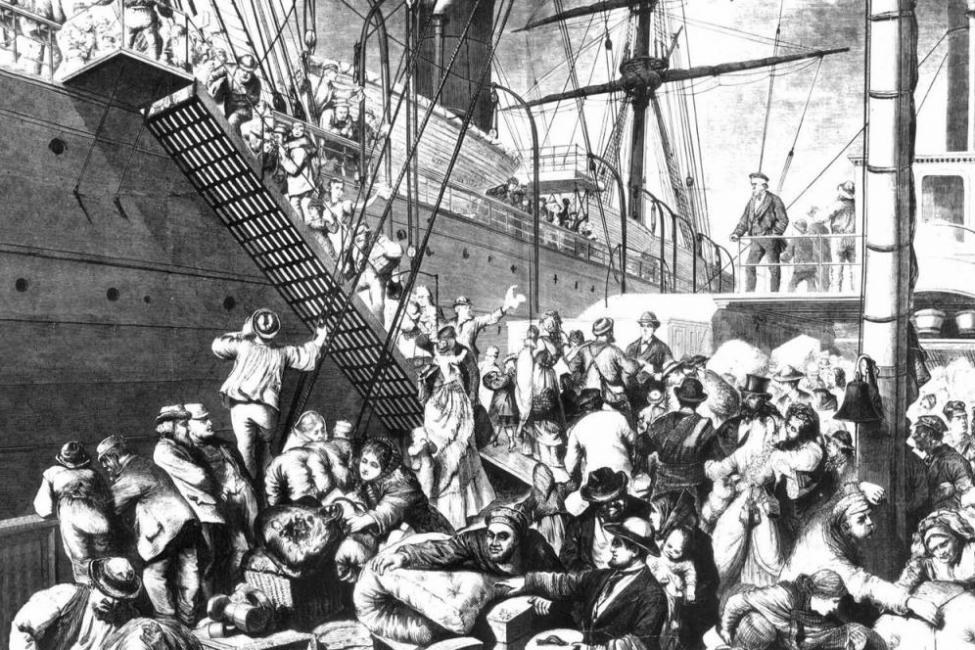
Immigrants arriving in the United States by boat
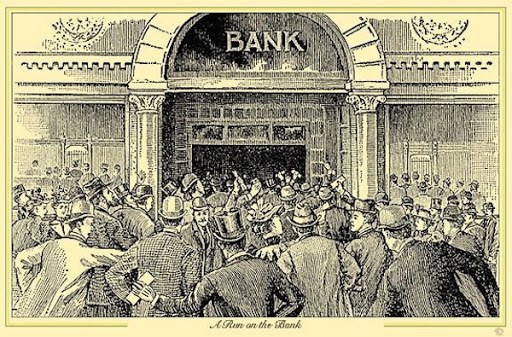
A "run on a bank"
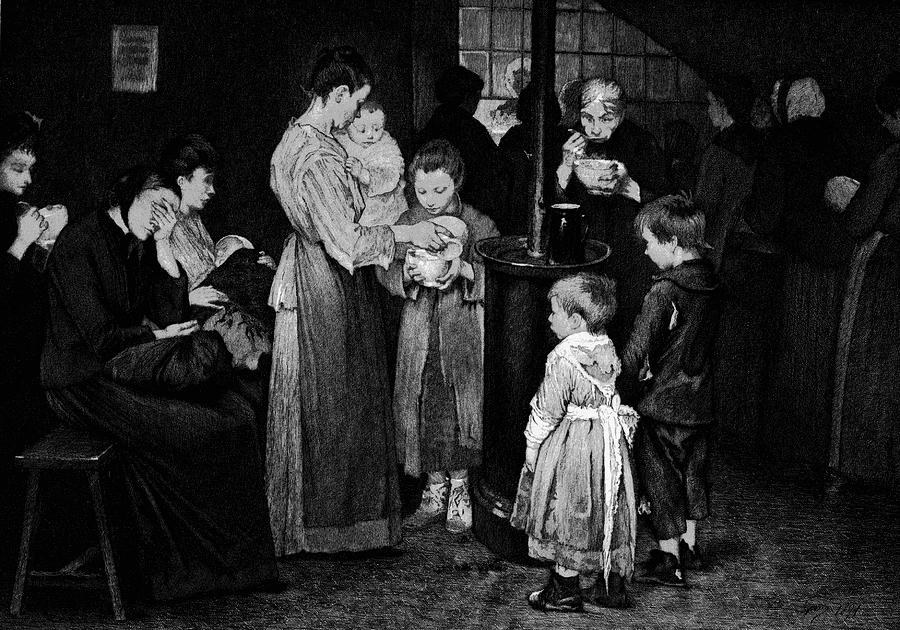
19th century homeless shelter
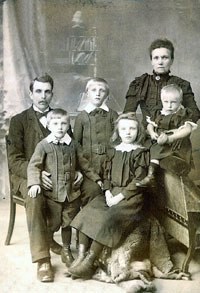
In this period the different social classes looked upon each other with increasing suspicion and distrust due to their different economic experiences. In Europe the elite aristocracy still enjoyed great wealth and high status due to their large landed estates. In rural areas especially, the local peasants still showed these aristocrats customary deference and respect, but the aristocracy was quite alarmed by the ever increasing wealth and influence of the still rising middle class. Liberalism and the Market Revolution had enabled the middle class to challenge the aristocracy for the leadership of European society. To maintain their social and political influence, aristocrats often pursued a military career due to the traditional association of the aristocracy with medieval knighthood. The officer corps of European countries, and Germany in particular, was dominated by aristocrats. Some aristocrats boosted their incomes by marrying wealthy heiresses from middle class families. For example, the mother of the aristocratic, British statesman, Winston Churchill (1874 -1965), was Jennie Jerome, the daughter of a wealthy American, Leonard Jerome, the so- called "King of Wall Street".
The middle class was especially confident, even arrogant, in this era, viewing both the aristocracy and the working class with disdain and contempt for their alleged laziness and immorality. The middle class included not only the owners of businesses, but also the rising number of professionals such as accountants and engineers that were employed by large companies. Members of the middle class tended to attribute their financial success to their own hard work and abilities as well as personal piety. Members of this class, whether Protestant or Roman Catholic, at least publicly, closely followed the moral teachings of Christianity. Young men and women, for example, were expected to remain chaste until marriage, and any divorce was scandalous. Middle class men also were proud that their wives didn't need to work outside the home, unlike working class women, and could devote their time to raising and educating their children.
In this period, not all members of the middle class embraced the Christian faith, but instead some found inspiration in ideas that emerged from the Enlightenment. The French philosopher, Auguste Compte (1798-1857) had put forth the philosophical notion of Positivism. According to Compte, scientists could not only employ the scientific method to research the natural world, but also to examine social problems such as poverty and crime. Compte was confident that humanity could end all societies' ills through the advancement of science and reason. Another influential thinker was the English philosopher, Jeremy Bentham (1748 -1832) and his idea of Utilitarianism. According to Bentham, society was morally obligated to promote material happiness to the most people in society. Bentham's ideas inspired prison reform in the United Kingdom in the 19th century. Bentham maintained that prisoners should not simply be punished in prison, but reformed, so that they could return to society and contribute their talents for the common good. Another influential thinker in this period was the English social scientist Herbert Spencer (1820 - 1903). Spencer took inspiration from the scientific research of the English scientist, Charles Darwin (1809-1882). In his monumental work, The Origin of Species (1859), Darwin maintained that complex species of living beings evolve over time from more simple species through the process of natural selection. Spencer maintained that advanced human societies, likewise evolve over time from primitive societies. According to Spencer's Social Darwinism, the most talented and "fit" members of society have pushed forward social evolution. Some followers of Spencer's ideas even embraced eugenics and maintained that the poor and criminal members of society were "unfit" and should be prevented from having children because they were holding back social evolution.
In this period middle class reformers, either inspired by their Christian faith or the principles of the Enlightenment, worked to address social problems such as crime, disease, and poverty and improve the human condition, especially in Victorian England and in the United States during the "Progressive Era" (c. 1890 -1917). Middle class women often played a critical role in these reform efforts. Educated middle class women couldn't enter politics or work outside the home as a professionals, but these women could perform charitable work for churches and reform organizations. In Victorian England, women were supposedly more compassionate and nurturing than men due to their role as mothers, so they were best suited to help the poor and suffering in society. In England, for example, Florence Nightingale (1820 - 1910), inspired by her Christian faith, worked tirelessly to improve public hospitals for the poor and to train women to become nurses. In the United States, Florence Kelley (1859 -1932), inspired by her commitment to Socialism, organized the Consumers League, which lobbied the state and federal governments to end child labor and establish an 8 hour day and minimum wage.
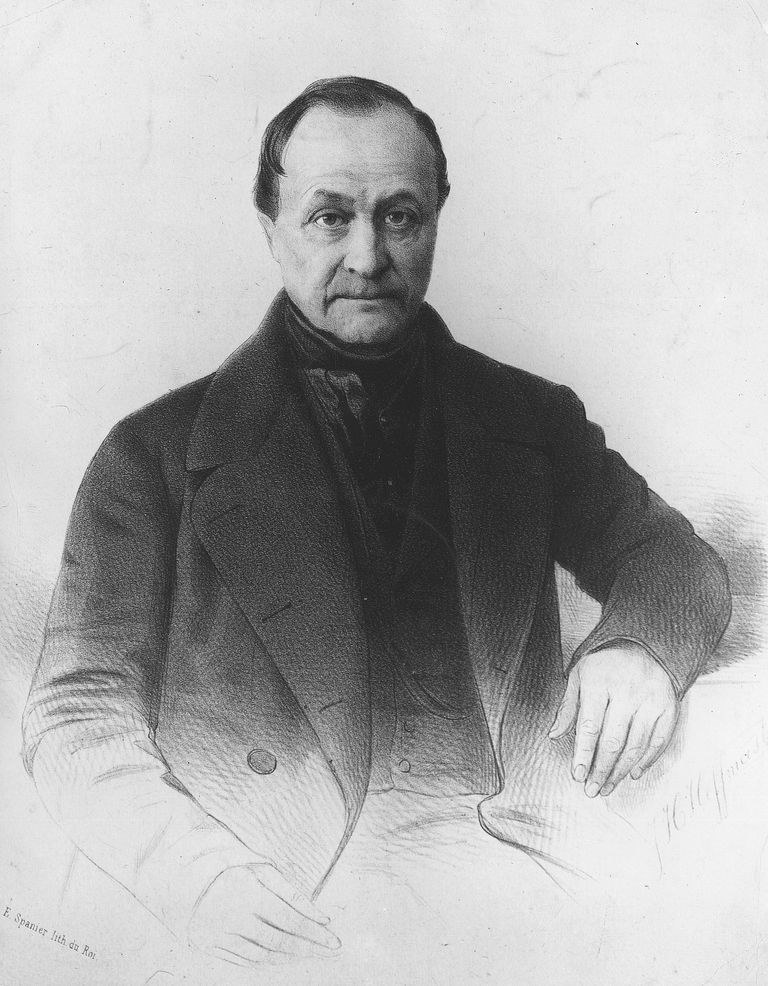
Auguste Compte
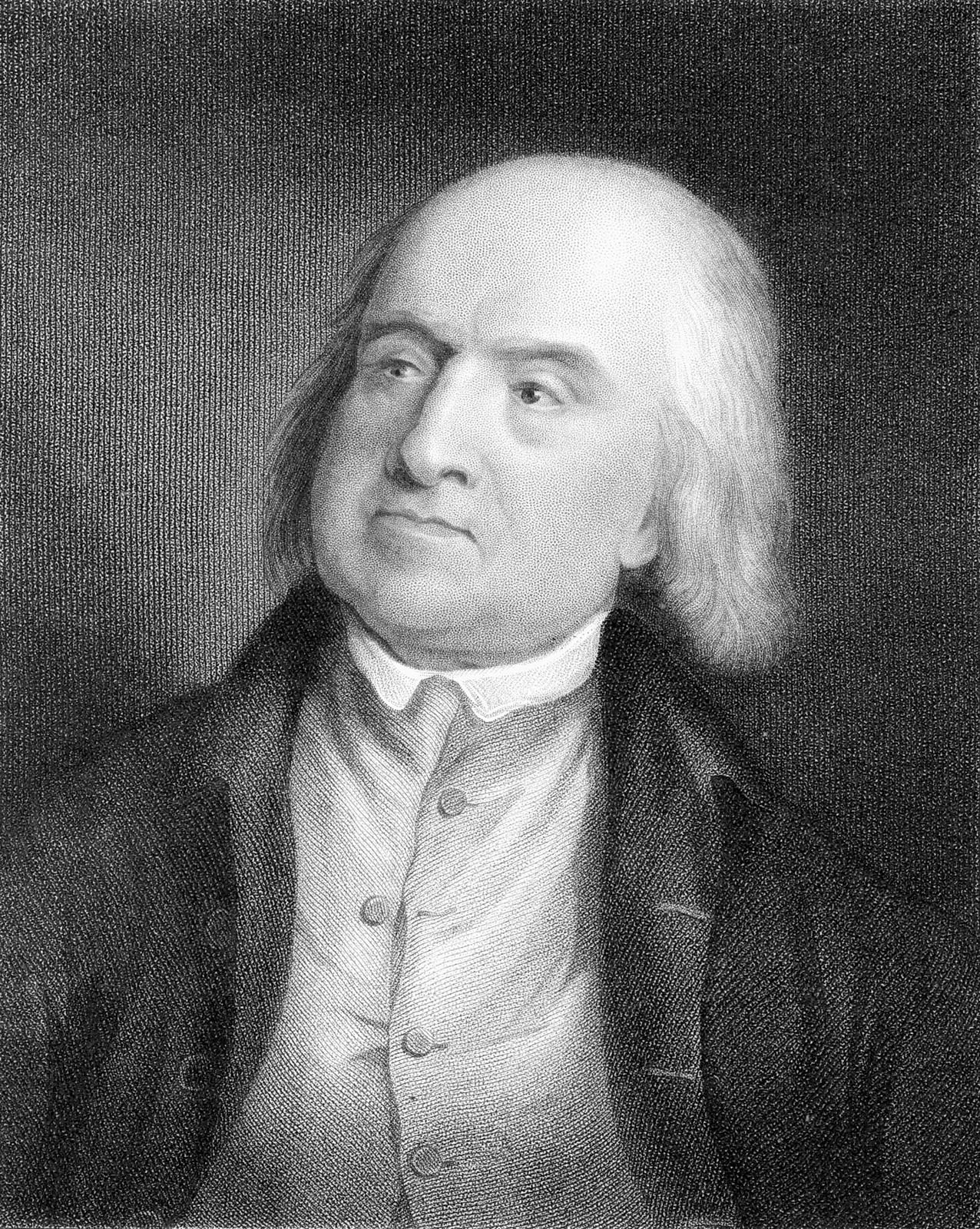
Jeremy Bentham
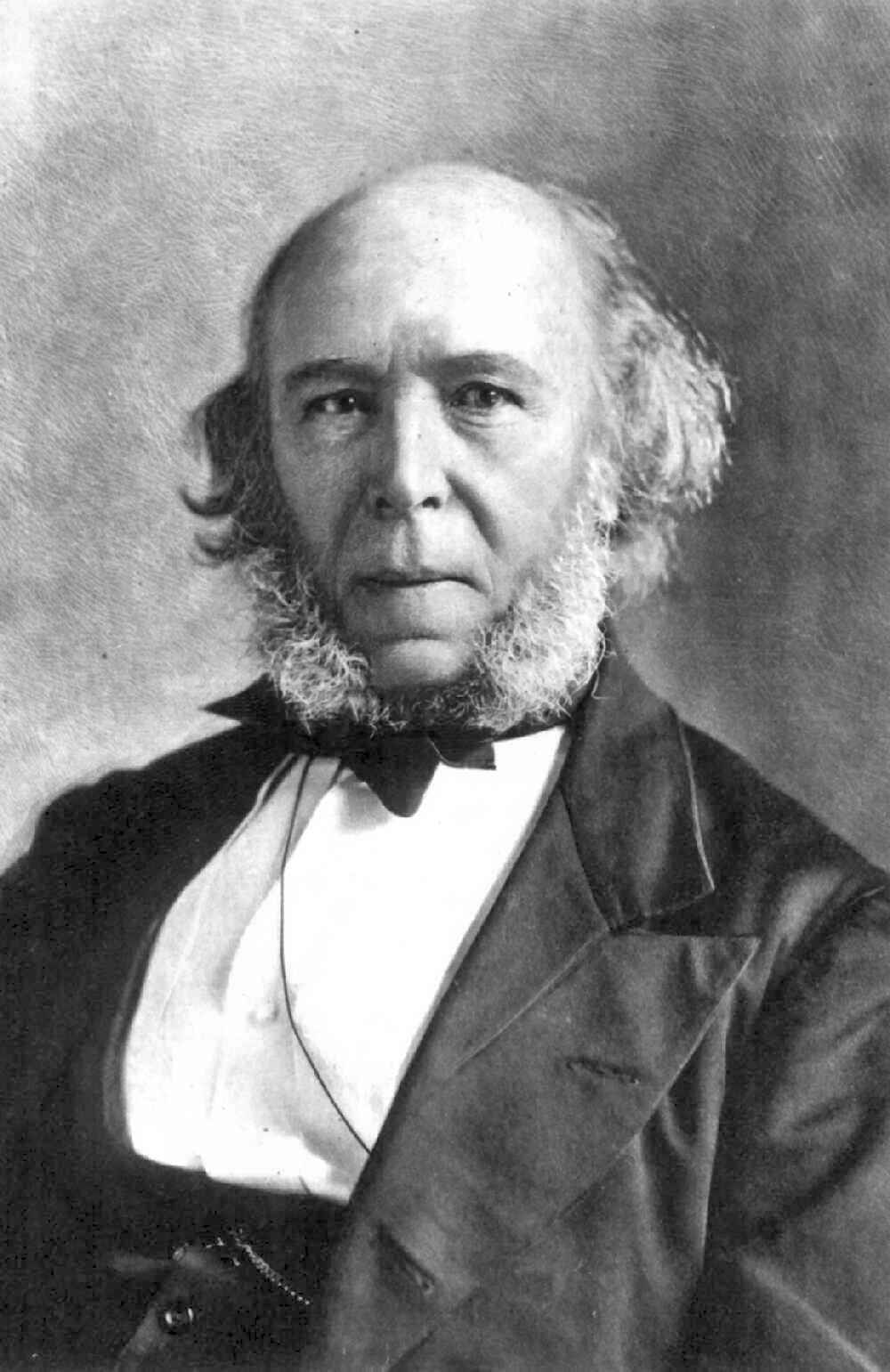
Herbert Spencer
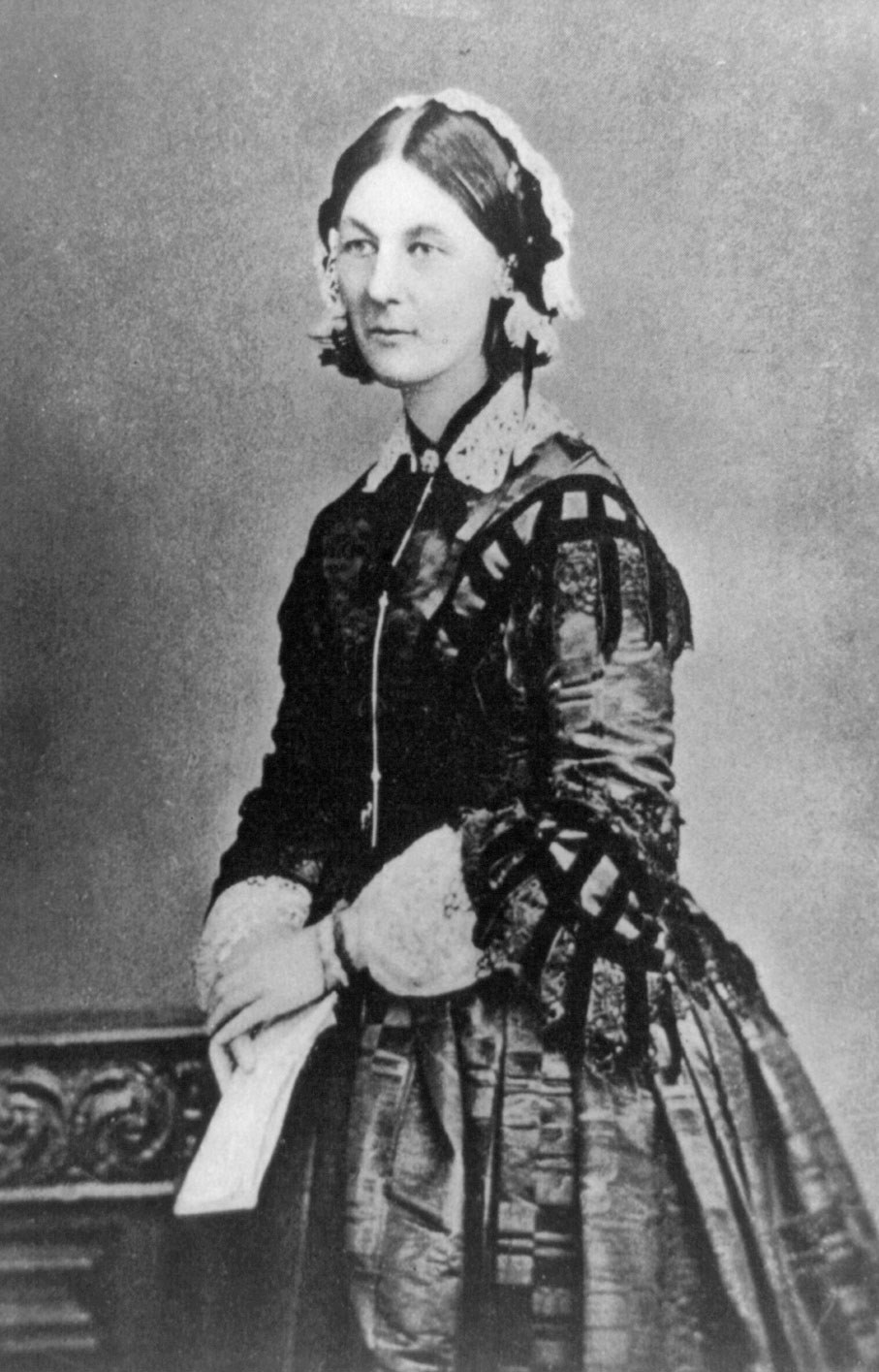
Florence Nightingale
Florence Kelley
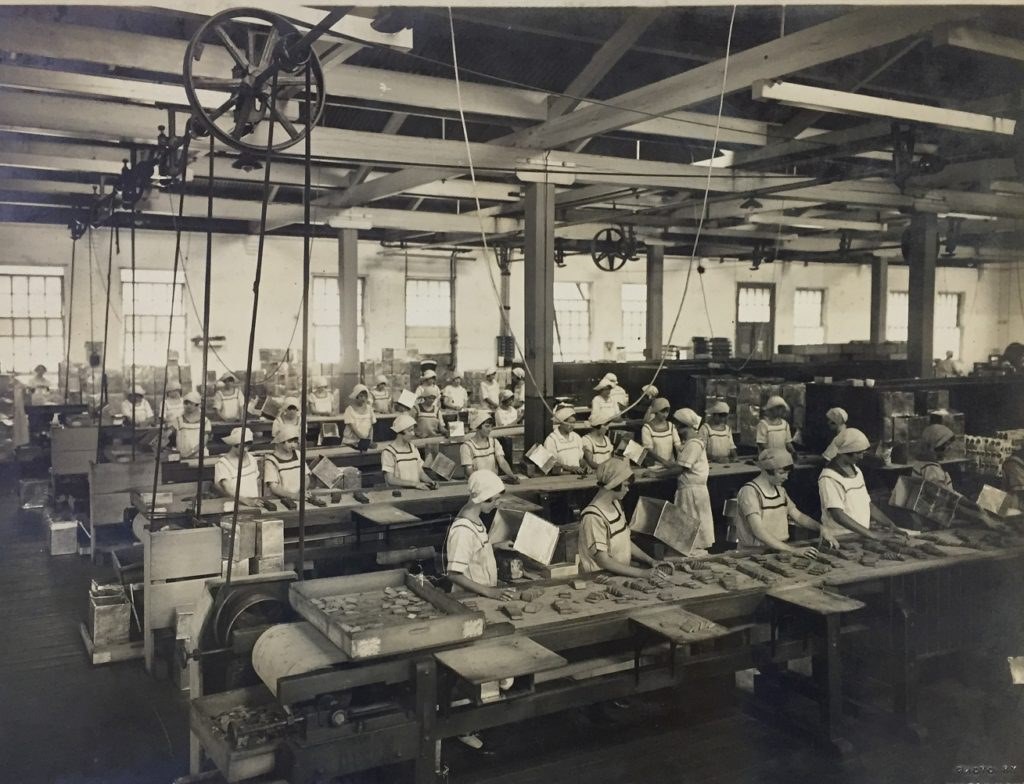
The size of the working class continued to swell in this era, as millions of people left rural areas to find work in cities and towns for wages in mines, factories, and other businesses. Working class families in this period faced many challenges. Many of these workers came directly from rural villages, where they worked closely and informally with friends and family. In their new jobs in the cities, however, workers worked long hours (often 10 to 12 hours a day) often under the constant supervision of an overseer in a very regimented environment. Workers also lived in fear that they could see their wages reduced or their jobs eliminated as a result of a panic or any economic downturn. Workers also often resented that their affluent, middle class employers paid them too little for their labor.
In this period, workers sought to increase their wages and improve their working conditions by joining labor unions. Unions negotiated with employers on behalf of union members for higher wages. Unions pressured employers to agree to their demands by going on strike and organizing boycotts against employers. Strikes against employers sometimes led to violence. In 1894, for example, in the United States, the labor union, the American Railway Union, organized a massive strike of railroad workers in the Chicago area to protest wage cuts by the Pullman Company, which manufactured railway cars. When the railroad companies hired new workers ("scabs") to replace the striking workers, violence erupted between the strikers and the "scabs".
The working class also hoped to improve their standard of living though political action. By the late nineteenth century, workers in western and central Europe could vote due to Liberal reform and universal male suffrage. Across Europe, labor unions organized new political parties to represent the interests of the working class. In Germany labor unions founded the Social Democratic Party in 1875, which quickly became the largest political party in Germany. In 1893 union workers in the United Kingdom established the Labour Party, which replaced the Liberal (Whig) Party as the main opposition to the Conservative (Tory) Party after World War I. In France (1880), Italy (1882), and Belgium (1885) the working class political party was simply known as the Workers Party. In Russia, workers in 1898 organized the Social Democratic Labor Party even though they could not vote, and Russia didn't even have a Liberal constitution. All these parties embraced Socialism as their ideology. According to this system of thought, the Capitalist Bourgeoisie (middle class) oppressed and exploited the working class to amass their private fortunes. Socialists envisioned a day when the "means of production" (i.e. land, tools, machinery) would be publicly owned rather than the private property of these capitalists. In the United States, the Populist Party arose in 1890 to challenge the political domination of the two main political parties, the Democratic and Republican Parties. The Populists claimed to represent the interests of the majority of Americans who were small, landowning farmers, tenant farmers, and labor union members. The Populists were not Socialists, but they wanted the government to rein in "Big Business" and the "Trusts" through government regulation of large corporations such as railroads and higher taxes on wealthy Americans. After 1896 when the Democratic Party merged with the Populist Party, a Socialist Party did arise in 1901 in the United States and even won elections at the state and local level in the first two decades of the 20th century.
In the late 19th century Socialists were deeply divided regarding the best tactics to achieve their objectives. In England the Fabian Socialists maintained that a Socialist society would eventually evolve peacefully in England over time through the democratic process. In Germany, the philosopher and statesman, Ferdinand Lassalle (1825 -1864) was a Socialist, who maintained that the working class could improve its social and economic standing incrementally through government reform, even if that government was the government of the Hohenzollern monarchy. The German Social Democratic Party, inspired by the ideas of Lassalle, worked with Chancellor Bismarck in the German Reichstag (Parliament) in 1884 to create accident insurance for German workers. This new law required German employers for the first time to be responsible for the healthcare costs of their employees who were injured on the job. Likewise, In 1897 in the United Kingdom, the Socialist Labour Party pushed through Parliament a law to create "workman's compensation", which required employers to pay for the medical treatment of injured employees. Not all Socialists, however, embraced the peaceful, democratic tactics of the Labour Party and the Social Democratic Party. Karl Marx, the author of the Communist Manifesto in 1848, maintained that Socialism would only succeed through social revolution. In the late 19th century, radical Anarchists asserted that only violent revolution would overthrow bourgeois capitalists. Anarchists targeted prominent statesmen and government officials for assassination. Anarchists hoped that such violent acts would lead to further repression by capitalist governments, which would ultimately lead to a widespread proletariat revolution. Anarchists in this era successfully assassinated Alexander II, the Czar of Russia, in 1881, the Empress Elizabeth of Austria in 1898, the President of France, Sadi Carnot in 1894, and the President of the United States, William McKinley in 1901. In 1886 in Chicago in the United States a bomb killed policemen during a labor union rally in Haymarket Square. The following year leading anarchists in the area suspected of this crime were executed by hanging. Fear of anarchist violence and the threat of social revolution prompted leading "Progressives" in the US such as President Theodore Roosevelt (1901 - 1908) to push for legislation to rein in "Big Business" as the "Trust Buster" and improve the lot of the working class in order to siphon off popular support for such as revolution.
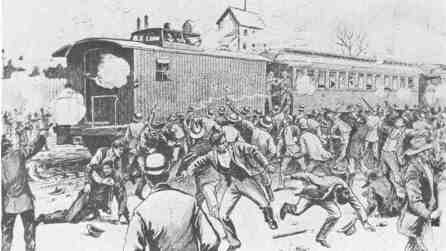
1894 Railroad Strike
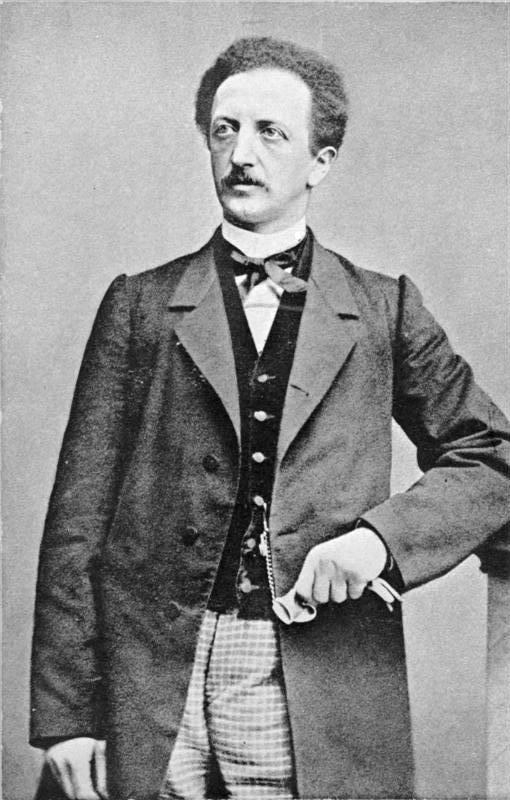
Ferdinand Lassalle
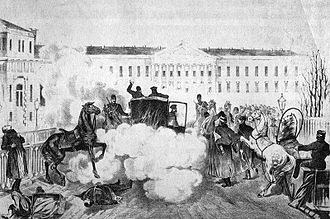
Assassination of Alexander II
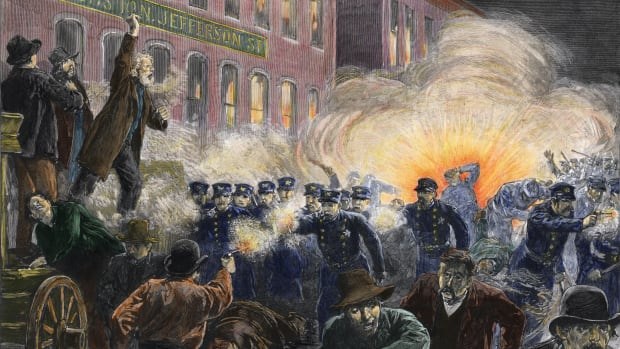
Riot at Haymarket Square
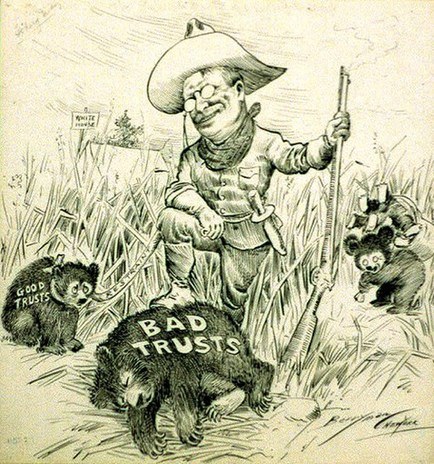
Theodore Roosevelt the "Trust-Buster"
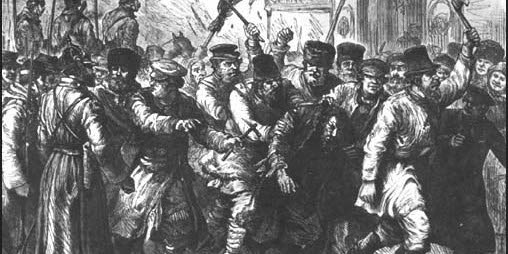
As class tensions surged in this period, European states were also in turmoil due to internal cultural and ethnic rivalries and conflict. In the United Kingdom, for example. Ireland was predominantly Roman Catholic with the exception of Northern Ireland, whereas the rest of the United Kingdom was Protestant. Ireland was also much more rural with less industry than other regions of the country. In Ireland the Fenians desired an independent Irish republic. In France the Bretons of Brittany in rural northwest France spoke their own distinct language and were staunchly Roman Catholic. They were also highly suspicious of the inhabitants of Paris, the French capital, who had a reputation for their cosmopolitan and secular attitudes. Conservative Roman Catholics in France also were distrustful of the country's religious minorities, Protestants and Jews. France was rocked by the Dreyfus Affair in 1894. Alfred Dreyfus, a French military officer, who was a Jew, was put on trial and found guilty of treason for spying for Germany. Even though a military commission later in 1906 exonerated Dreyfus, this affair stirred up much antisemitism across France among many Roman Catholics who maintained that France was in fact a Roman Catholic nation. In France one particular divisive issue involved public education. Conservative Roman Catholics supported Roman Catholic parochial schools, whereas more Liberal French citizens supported secular public schools. In Spain, ethnic conflict erupted into civil war. In Catalonia around the city of Barcelona especially, the region was more industrialized than the rest of Spain. In 1873, the king of Spain Amadeo I (r. 1870 -1873) abdicated the throne in the face of popular unrest, and Spain briefly became a republic. This radical republic had strong support among the working class in Catalonia. However, the Basques in rural, northern Spain, who spoke their own language, along with some Catalans, supported Don Carlos (1848 - 1909) , a Conservative member of the former Bourbon Dynasty in Spain, as the true king of Spain in the Carlist War (1872 - 1876). In the face of this civil war, the Spanish army, dominated by Conservative, aristocratic officers from Castile in central Spain, overthrew the short-lived republic in 1874 , restored order, and installed Alfonso XII as king, who was the son of the former Spanish queen Isabella II. In Germany the mutual antagonism between Protestants and Roman Catholics became known as the Kulturkampf ("Cultural Struggle"), which fortunately for Germany did not lead to armed conflict. Southern Germany was predominantly Roman Catholic and less industrialized, and consequently less wealthy, than Protestant northern Germany. In Germany, as in France, a very divisive issue was public education. Protestant leaders in northern Germany desired to shut down Roman Catholic parochial schools and force children in these schools to attend secular public schools. Instead of armed resistance, Roman Catholics in Germany in 1870 organized their own political party, the German Centre (Zentrum) Party, to represent their interests in the Reichstag. This party and the German Social Democratic Party were the two largest political parties in Germany in this period.
Ethnic tensions were much more intense in eastern Europe. In the Austro-Hungarian Empire, ethnic Germans and Hungarians with property could vote due to the Ausgleich in 1867, but Slavic ethnic groups such as Czechs, Slovaks, Serbs, Croats, Poles, Slovenes, and Ruthenians were all denied the right to vote, along with ethnic Romanians, Italians, and Bosnians. Moreover all government business and public education was conducted in either German or Hungarian, but Croats and Poles were allowed to conduct their public affairs at the local level in their native language. This empire was also divided religiously. The Austrian Germans and Hungarians were predominantly Roman Catholic, but the empire's inhabitants included Protestants, Orthodox Christians, Muslims, and Jews. The leaders of the Austro-Hungarian Empire were desperate to keep this fragile empire together and maintain the superior status of the Austrians and Hungarians. The Russian Empire was also a multi-ethnic empire. However, the peoples of Russia, Belarus, and the Ukraine all spoke closely related Slavic languages and shared a common Orthodox faith. The Russian Empire also included large number of Poles, who were Slavs, like the Russians, but Roman Catholic. The Poles were very nationalistic and maintained a memory of their nation's independence prior to the partition of Poland in the late 18th century. The Poles revolted against Russian rule in 1830 and 1863 without success and after a great loss of life. In the late 19th century Poles organized illegal, secret organizations to seek Polish independence from Russia, such as the Polish Socialist Party in 1892 and the National Democratic Party in 1897. Russia also possessed a large Jewish population, whose ancestors had lived in the former Polish-Lithuanian Kingdom. Russia's Jews faced much persecution and repression. Jewish villages in Russia were subject to violent pogroms, which were massacres of Jews by angry mobs. In 1881 the pogroms in the Russian Empire targeting Jews were especially vicious when many orthodox Christians blamed the Jews for the assassination of Czar Alexander II. The persecution of Jews in Russia along with widespread antisemitism across Europe inspired a Jewish movement, Zionism, which sought to create an independent Jewish homeland in Palestine, where ancient Israel once existed. A Jew from the Austro-Hungarian Empire, Theodore Herzl (1860 -1904) helped organize the First Zionist Congress in 1897 in Basel, Switzerland. This international Jewish movement would lead eventually to the creation of the modern nation of Israel in 1948.
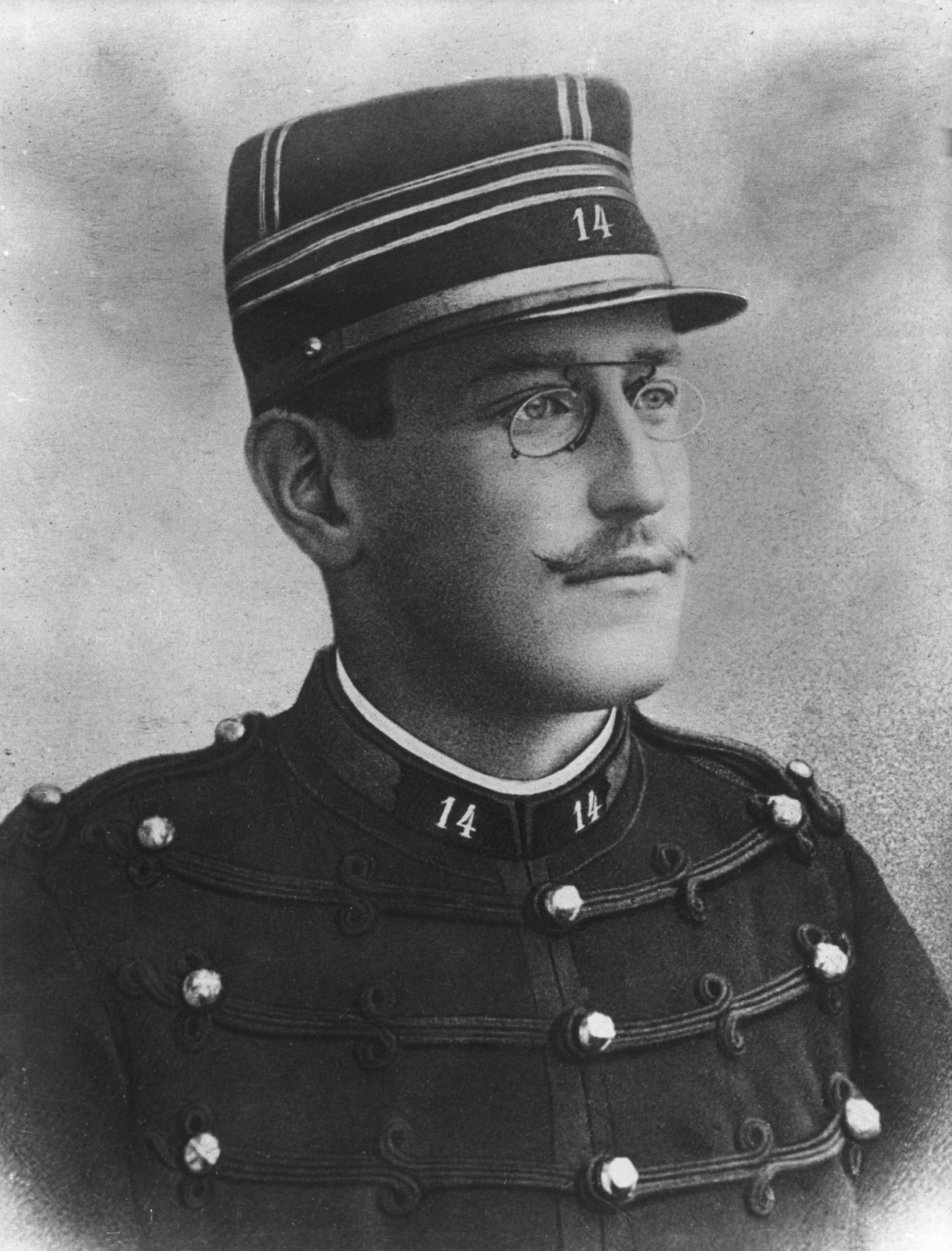
Alfred Dreyfus
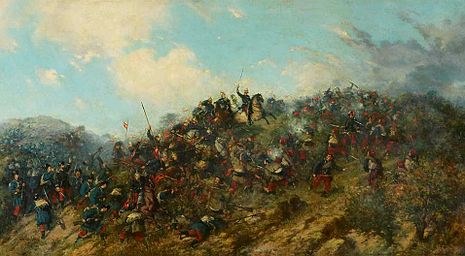
The Carlist War
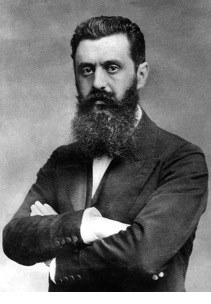
Theodore Herzl