The Great War
Modern World22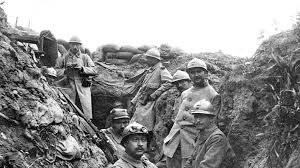
With the outbreak of World War I in the summer of 1914, all parties involved were confident that this war would be swift and decisive. No one would have imagined that this conflict would last four long years (1914 - 1918), take the lives of estimated 11 million soldiers and 11 million civilians, and ultimately topple three great empires (The Russian, Austro-Hungarian, and Ottoman Empires). In the decade prior to this war at the beginning of the 20th century, social and ethnic tensions heightened, while national rivalries intensified, resulting in a series of international crises that set the state for the outbreak of this war in 1914.
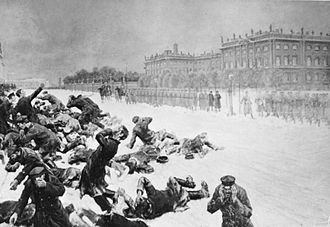
In the first decade of the 20th century, social revolution was in the air as violent strikes by angry, dissatisfied workers became more frequent in industrialized countries. In Russia in 1905 a revolution did threaten to topple the Czar's government. In the countryside, impoverished Russian peasants were burdened by heavy taxes, while factory workers in the cities labored for long hours for little pay. Moreover Russia had never adopted a Liberal written constitution, so even its middle class citizens had no way to demand reform through the democratic process. The spark for revolution was Russia's humiliating defeat in the Russo-Japanese War (1904 - 1905).
Japan viewed he Russian occupation of Port Arthur in China and Manchuria as an obstacle to its own plans to annex these areas along with Korea. In February, 1904 Japan launched a surprise attack on the Russian fleet stationed at Port Arthur. In the war that followed, Russia, due to the destruction of this fleet, suffered from a severe disadvantage. Russia had to transport troops and supplies by railroad from European Russia, across Siberia to the battle front in northern China and Manchuria, whereas Japanese armies and their supplies had a far less distance to travel. Later in the fall of 1904, the Japanese fleet, at Pusan off the Korean coast, destroyed another Russian naval force , which had traveled from the Baltic Sea to provide support for the Russian army. In 1905 Japanese forces captured Port Arthur and defeated the Russian army at the Battle of Mukden in Manchuria. Later that year The Russian and Japanese governments agreed to negotiate an end to the war with the United States mediating these talks. Under the terms of the Treaty of Portsmouth in 1905, Russia withdrew its forces from Manchuria and handed over to Japan control over the railroad that it had constructed in Manchuria. In 1905 Japanese troops also occupied Korea. In 1910 Japan formally annexed Korea and ended the native Joseon Dynasty of Korea.
Russia's defeat in this conflict struck a serious blow to the prestige and standing of the Russian Czar, Nicholas II (r. 1894 - 1917). Moreover, the demands of the military during the war had resulted in food shortages and high food prices, while factory workers worked extended hours to manufacture war materials. In the winter of 1905, workers in St. Petersburg went on strike and rioted. Strikes and protests quickly spread to other cities and the countryside as well. In the fall of 1905 Nicholas II in a bid to win the support of the Russian middle class announced that he would draft a written constitution and called for elections to a new legislature (Duma). This announcement had the desired effect of quieting the protests across Russia. In 1906 Nicholas II's government issued the country's first written constitution, under which the Czar still controlled the government. This constitution created a bicameral legislature consisting of a Council of State, appointed by the Czar, and an elected Duma. This legislature could pass laws, but the Czar could veto any such law. The Czar also could appoint government officials without the approval of the Duma, which acted thereby primarily as an advisory body to the Czar.
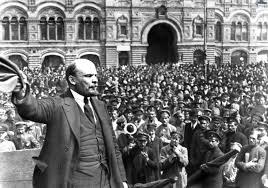
The elections to the First Duma allowed all adult males to vote. In these elections two new political parties dominated, the Social Revolutionaries and the Mensheviks. The Social Revolutionaries represented the mass of Russian peasants; they desired to break up the large estates of the Russian aristocracy and redistribute plots of land to the peasants. The Mensheviks were a faction of the former Social Democratic Labor Party and represented the Russian working class. The Social Democratic Labor Party had split into two factions, the Mensheviks and the Bolsheviks due to a disagreement regarding the best strategy to advance Socialism. Vladimir Lenin (1870 - 1924), the leader of the Bolsheviks, maintained that Socialism could only succeed as a result of a violent revolution against the capitalist Bourgeoisie (middle class) and the establishment of a temporary "dictatorship of the Proletariat (working class)". This dictatorship, according to Lenin, was necessary to foster the growth of the still emerging Russian Proletariat and prepare for a pure. egalitarian Communist society, as envisioned by Karl Marx (Bolsheviks later became known as "Communists"). Mensheviks, however, maintained that Socialism could be achieved peacefully through the democratic process by working with the Liberal Bourgeoisie. In the elections to the Duma, therefore, the Mensheviks participated, while the Bolsheviks refused to collaborate with the Bourgeoisie.
Nicholas II was not too happy with the results of the election to the First Duma as it consisted of so many radical Social Revolutionaries and Mensheviks. Consequently, Nicholas dismissed this First Duma and called for new elections. The Second Duma in 1907 was still dominated by Social Revolutionaries and Mensheviks, so Nicholas dismissed this Duma as well. Before calling for new elections again, however, Nicholas altered the constitution to include a property requirement to vote. This change resulted in shrinking the number of eligible voters since the majority of Russians were landless peasants and workers. Consequently in the elections to the Third Duma in 1907 far fewer Social Revolutionaries and Mensheviks won seats, and this Duma was dominated instead by Liberal Bourgeois parties.
In the wake of the Revolution of 1905, the Russian government sought to unify their country by appealing to their patriotism. Russians, and the Russian middle class in particular, viewed "Mother Russia" as the foremost Slavic and Orthodox Christian nation. Russia therefore pursued a foreign policy that emphasized the Czar as the defender of all Slavic, Orthodox peoples. Across Europe at this time, statesmen and policy-makers sought to overcome social tensions by a similar appeals to national unity. In 1906 when a wave of violent strikes paralyzed the German economy, the leading political party, the Social Democrats, successfully appealed to the striking workers to stand down and support the Kaiser's government. The French government in 1909 implemented the country's first graduated income tax. Consequently, the wealthy paid income taxes at a higher rate of their incomes than those earning lower incomes. The wealthy thus shouldered most of the burden of taxation. In 1911 the United Kingdom passed the National Insurance Act, which required employers to provide health insurance for their employees as well as pay for unemployment insurance for their employees, so that employees could continue to collect wages if they were laid off. The French and British governments both viewed these measures as necessary to decrease social tensions and promote national unity.
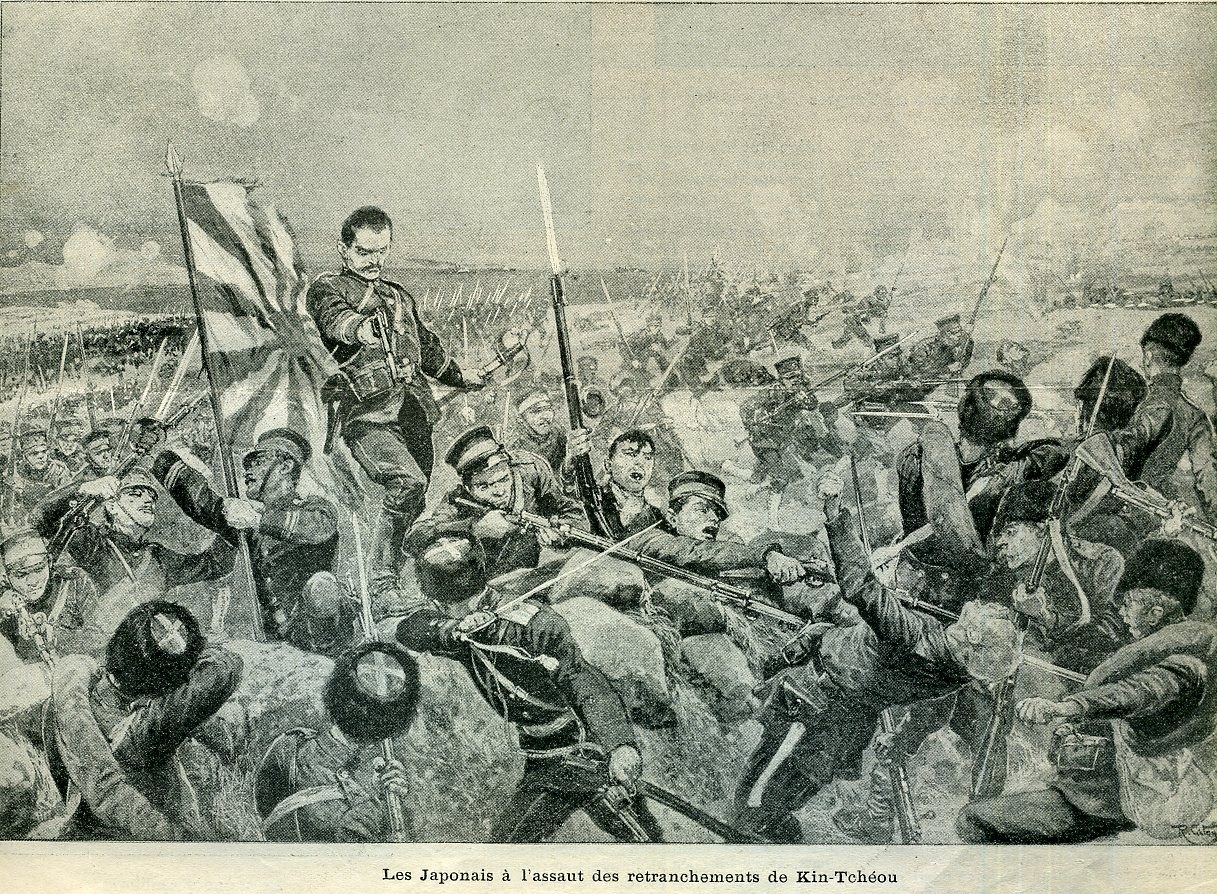
A battle scene from the Russo-Japanese war
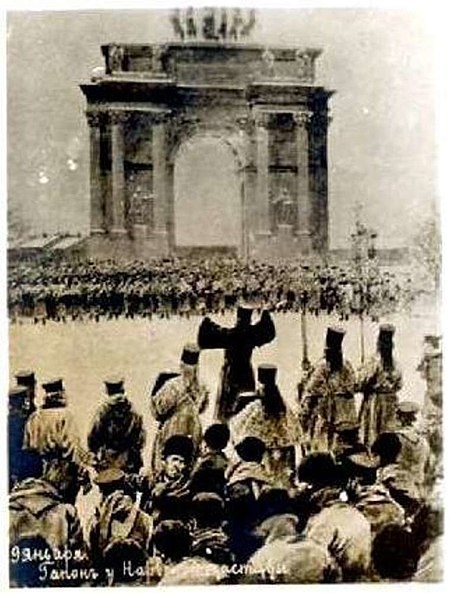
Protest in St. Petersburg
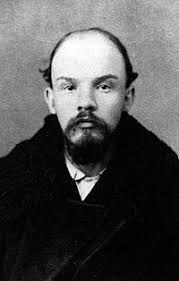
Vladimir Lenin
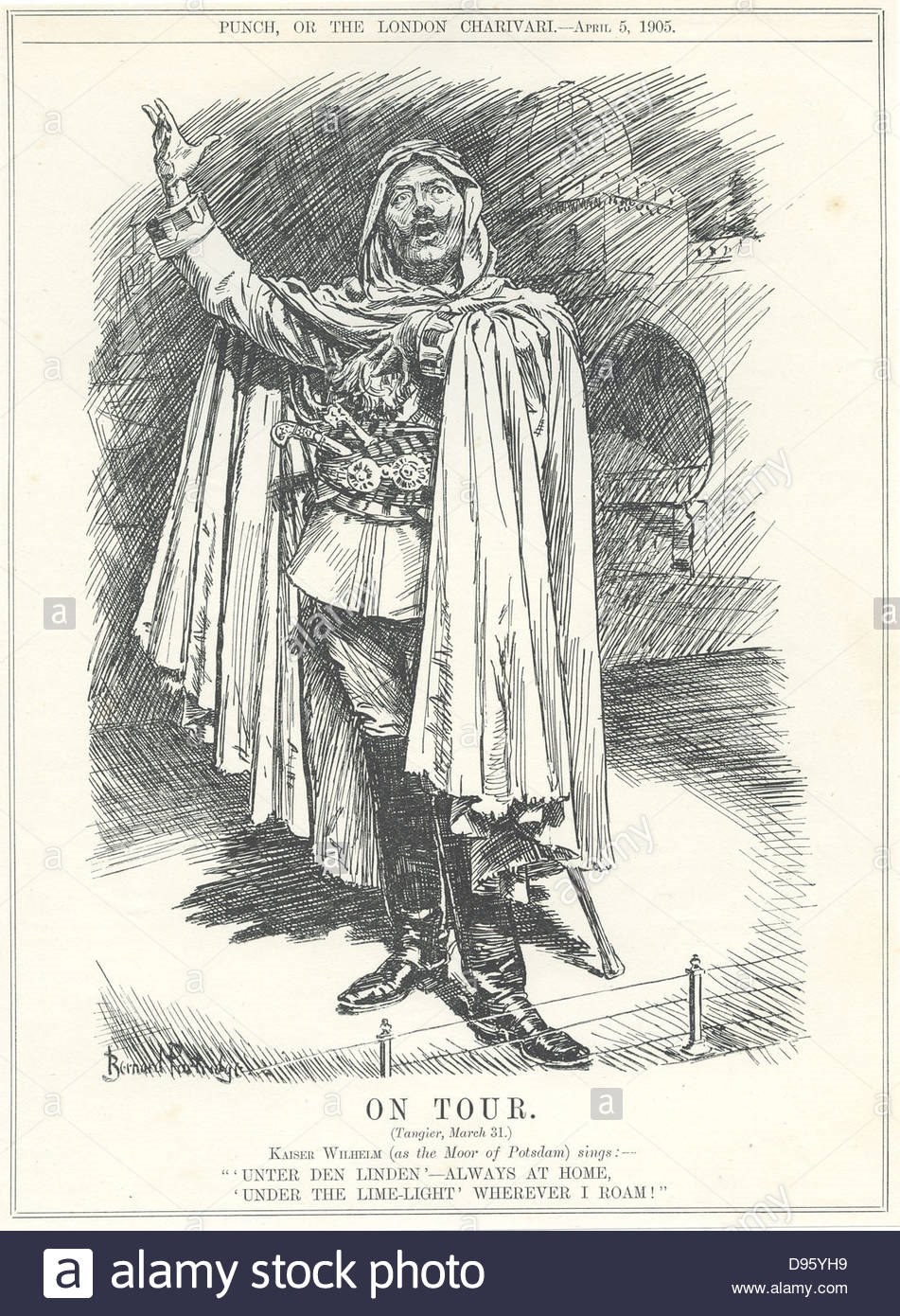
In the first decade of the 20th century, national rivalries heated up along with social tensions, and resulted in a series of international crises, which created an atmosphere of hate and distrust among European nations. The first of these crises was the Morocco Crisis in 1905. Morocco in western North Africa had been ruled since 1666 by the Alaouite Dynasty of Sultans, who claimed to be descended from the Prophet Mohammed. During the reign of the Sultan Abdelaziz (r. 1894 -1908) the Moroccan government became increasingly indebted to European investors, just as had been the case earlier in Tunis and Egypt in North Africa. Suspecting the France would seek to establish a protectorate over Morocco, just as it had done in Tunis, William II of Germany in 1905 sent the German fleet to Morocco to protect the sovereignty of the nation of Morocco. The Kaiser thought that this action would spark a confrontation between the United Kingdom and France over their competing claims for African territory. Instead the United Kingdom was outraged by the arrogance of Germany in dispatching the German fleet to Morocco, and both France and the United Kingdom discussed going to war with Germany. The President of the United States, Theodore Roosevelt, called for a international peace conference to settle the dispute. The Algeciras Conference in Spain in 1906 resolved this crisis by deciding to place Morocco under the supervision of both France and Spain, who divided the country between them. Theodore Roosevelt wan the Nobel Peace Prize in 1906 for organizing this conference.
In 1908 a revolution in the Ottoman Empire sparked a whole series of wars due to various national rivalries. The Sultan Abdul Hamid II, after the Russo-Turkish War, scrapped the 1876 Constitution and ruled for over 30 years as an autocrat. This Sultan however could not count on the support of European powers to maintain stability within his empire, as in years past. In the 1890's the Ottoman Empire under Abdul Hamid II's rule became diplomatically isolated from European governments due to the Ottoman government's brutal suppression of Christian rebels on the island of Crete, in Macedonia in the Balkans, and in Armenia. Within the Ottoman Empire, high level Turkish officials, the so-called Young Turks, opposed the Sultan's regime and desired to restore the 1876 Constitution. In 1908, the Ottoman army under the leadership of the Young Turks, mutinied and demanded the restoration of he 1876 Constitution. Later in 1909, this new Ottoman government deposed Abdul Hamid II in favor of his brother, Mehmed V after Turkish conservatives attempted a counter-revolution to overthrow the government of the Young Turks. Within the Ottoman Empire the Young Turks also established a special Committee of Union and Progress to govern the empire.
As the Ottoman Empire appeared to be disintegrating, neighboring states sought to gain from the empire's troubles. Greece in 1908 annexed the island of Crete, as its population was also Greek. Italy, still hoping to recreate the glory of ancient Rome, went to war against the Ottoman Empire in 1911 -1912 and conquered the remaining Ottoman provinces in North Africa. Italy organized these provinces into the Italian colony of Libya. In the Balkans, the Ottoman province of Albania rose up in revolt against the Ottoman Empire in 1910 -1911. Many Albanians had converted to Islam and had prospered under Ottoman rule, but the new government of the Young Turks was disliked by even Muslim Albanians. As Turkish nationalists, the Young Turks required the Turkish language to be the official language of the state. In 1908, Austro-Hungary formally annexed the Ottoman province of Bosnia-Herzegovina, which it had occupied since 1878. This move was defensive action on the part of Austro-Hungary since they feared that Serbia would attempt to annex this region for itself. Bosnia-Herzegovina possessed a large Serbian population. Austro-Hungary feared that the troubles of the Ottoman Empire could stoke nationalism among the Slavic, Orthodox peoples of the Balkans, which posed a threat to their own empire.
In 1912, an alliance of Slavic and Orthodox Christian countries (Romania, Bulgaria, Serbia and Greece) with the support of Russia, launched the First Balkan War to take advantage of the Ottoman's Empire's weakened condition. By the end of the year, the allied armies had quickly occupied all the remaining areas in the Balkans still under Ottoman rule, and the Ottoman Empire requested an armistice. These allied powers had initially agreed upon the successful conclusion of the war, that Serbia would annex Ottoman Albania for itself, while Greece and Bulgaria would largely divide up Ottoman Macedonia. However in 1912 the European powers convened at the London Conference to confer regarding this crisis in the Balkans. At this conference, the Austro-Hungarian delegation successfully convinced the other European representatives that Albania should become an independent country. In 1913 the European powers recognized a German prince, William of Wied as the new Prince of Albania. The creation of this independent Albanian state deprived Serbia of much its territorial gains from the First Balkan War. Consequently Serbia, along with Greece, demanded that Bulgaria withdraw its claims to much of Macedonia. When Bulgaria refused, the Second Balkan War ensued in 1913. In this conflict, the combined Greek and Serbian armies defeated Bulgarian forces, and Serbia and Greece divided up Macedonia between each other. The Serbian half of this division is currently the independent nation of North Macedonia.
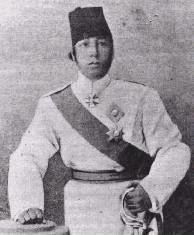
Abdelaziz of Morocco
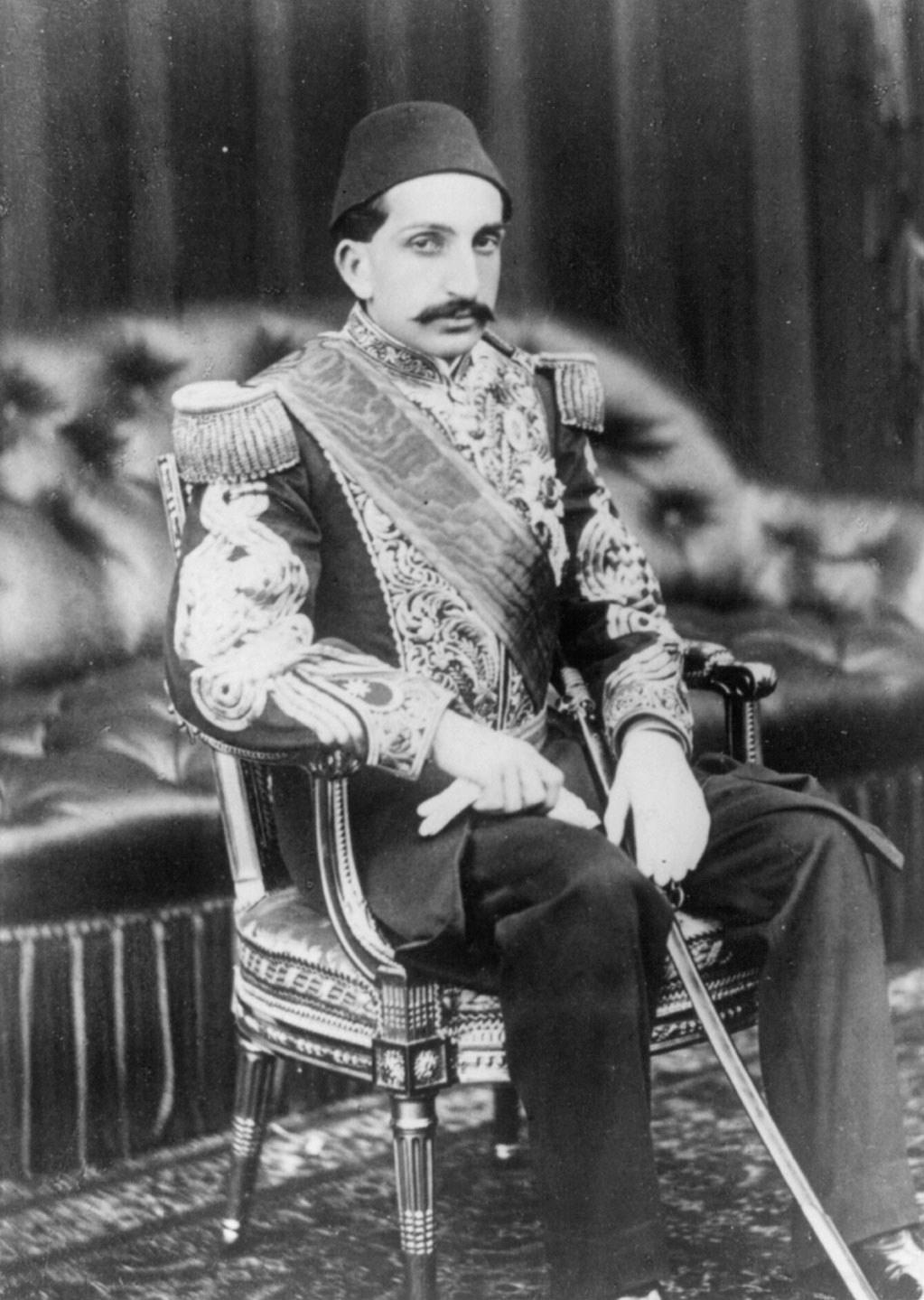
Abdul Hamid II
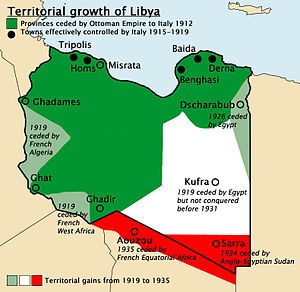
Italian conquest of Libya
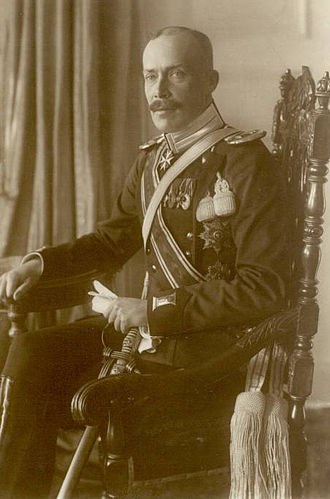
William of Wied
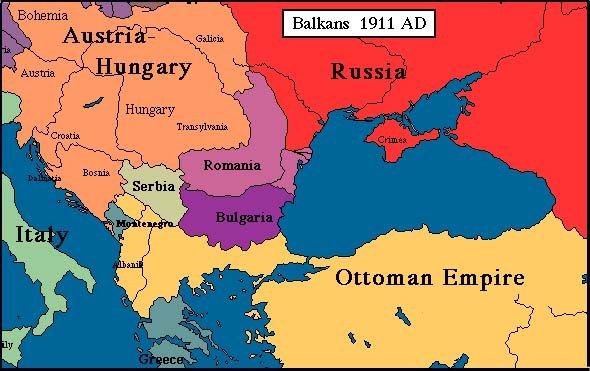
Balkans before the Balkans War
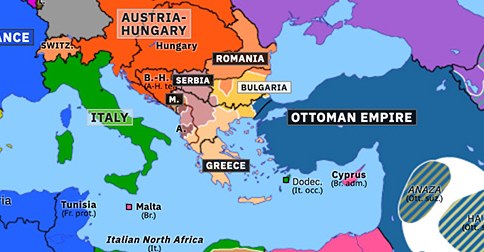
Balkans after the Balkan Wars
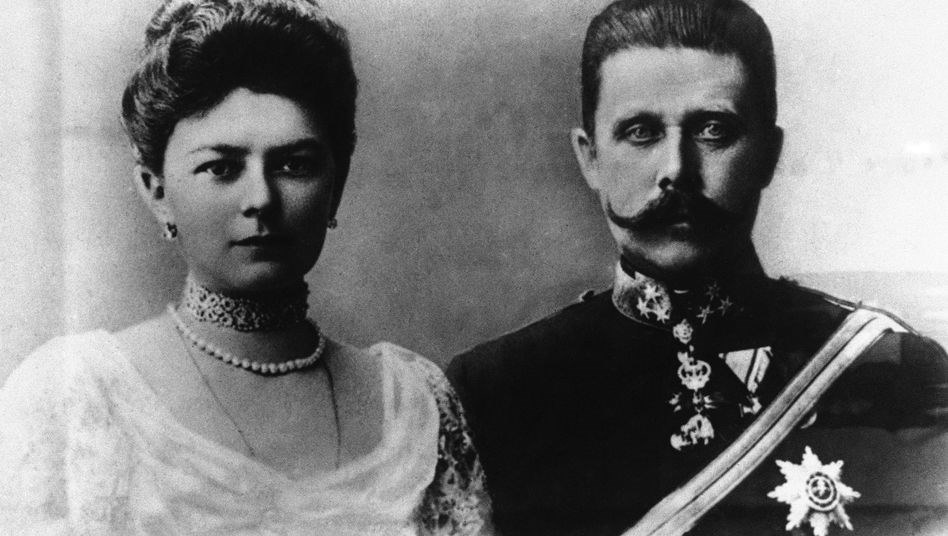
On June 28, 1914, Francis Ferdinand, the heir to the throne of Austro-Hungary, and his wife, Sophie, were assassinated by a Bosnian Serb, Gavrilo Princip, while visiting the Bosnian city of Sarajevo on a goodwill tour. This assassination would begin a chain of events that would result in the outbreak of World War I a month later. Gavrilo Princip was a member of a secret, nationalist organization, the Black Hand. that was committed to liberating the Serbs and other Slavic peoples from Austro-Hungarian rule. The government of Austro-Hungary correctly assumed that Serbia was supporting the activities of the Black Hand. Consequently, the Austro-Hungarian government desired to wage war against Serbia to put a stop to its hopes for territorial expansion. Austro-Hungarian statesmen knew, however, that war against Serbia could also lead to war with Russia, a fellow Slavic and Orthodox Christian state. Austro-Hungary therefore received personal assurances from William II of Germany that Germany would stand with its ally, Austro-Hungary, if Russia declared war on Austro-Hungary.
On July 23, The Austro-Hungarian government issued an ultimatum to Serbia, demanding that Serbia publicly condemn all efforts to instigate a rebellion among Bosnian Serbs and arrest and punish those involved in these efforts within Serbia. When Serbia refused to comply with this ultimatum, Austro-Hungary declared war on Serbia on July 28, 1914. After this declaration of war, Russia immediately began mobilizing its massive army. Germany then quickly on August 2 declared war on France and Russia. The Schliefen Plan for war against Russia and its ally France, required German armies to invade and defeat France within twelve weeks because that was the estimated time span for Russia to mobilize fully its armies. Germany wished to defeat France first before turning its forces' full attention on Russia before Russia could fully mobilize its armies. When Russia began mobilizing its armies after July 28, Germany knew it had to act quickly to implement the Schliefen Plan. On August 4, German armies invaded the neutral government of Belgium, so that their forces could quickly advance on Paris, the French capital, in accordance with the Schliefen Plan. The German invasion of neutral Belgium outraged the British government. which on August 4 declared war on Germany. When the British ambassador to Germany had reminded the German Chancellor, Theobald von Bethmann-Hollweg that Germany by treaty had recognized Belgian neutrality, the Chancellor reportedly dismissed this treaty as a "scrap of paper". In late summer of 1914, just over a month after the assassination of Francis Ferdinand, Germany and Austro-Hungary were at war with France, Russia, the United Kingdom, and Serbia.
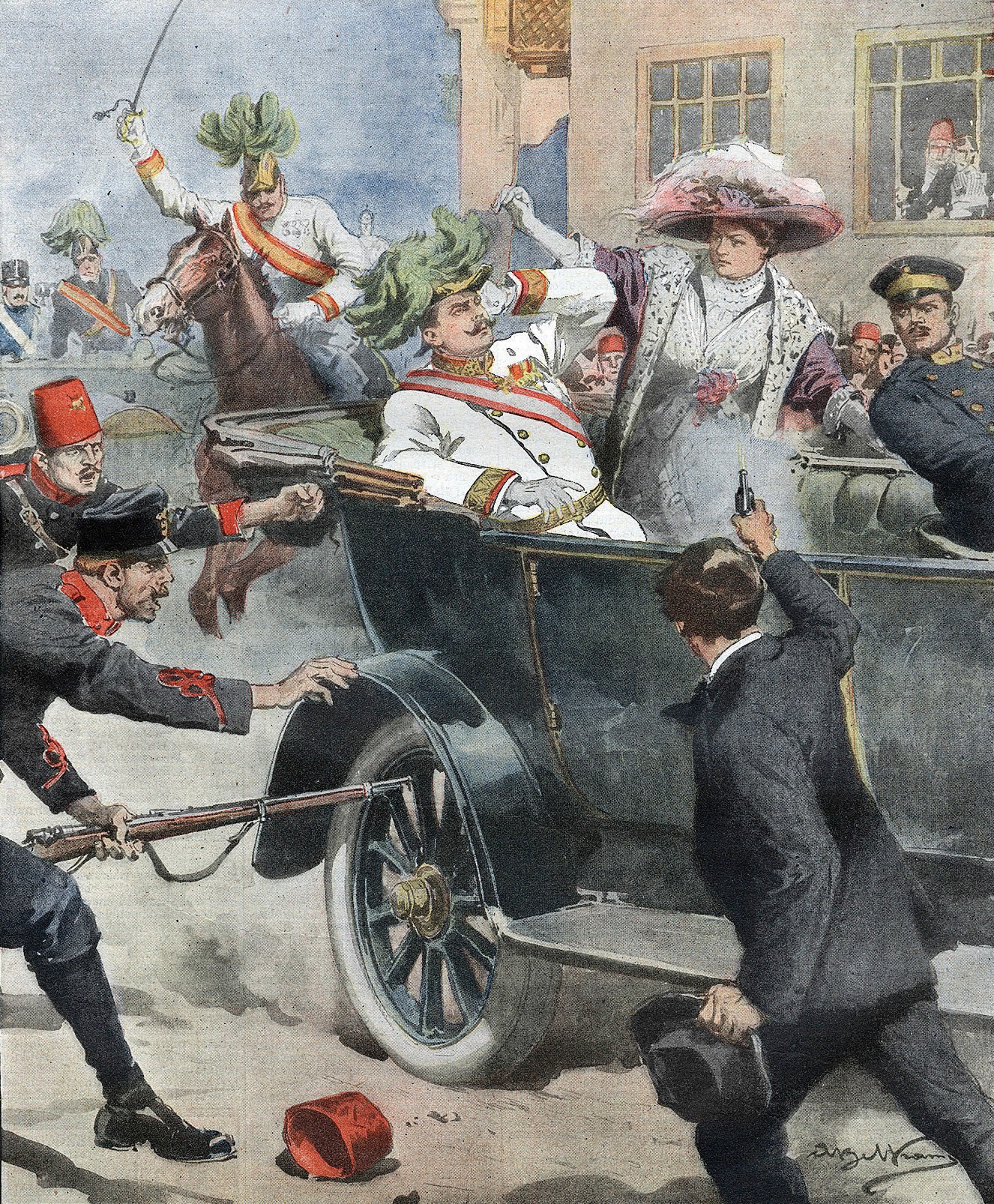
Assassination of Francis Ferdinand and Sophie
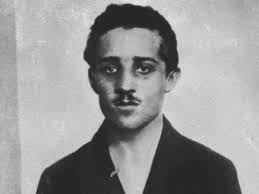
Gavrilo Princip
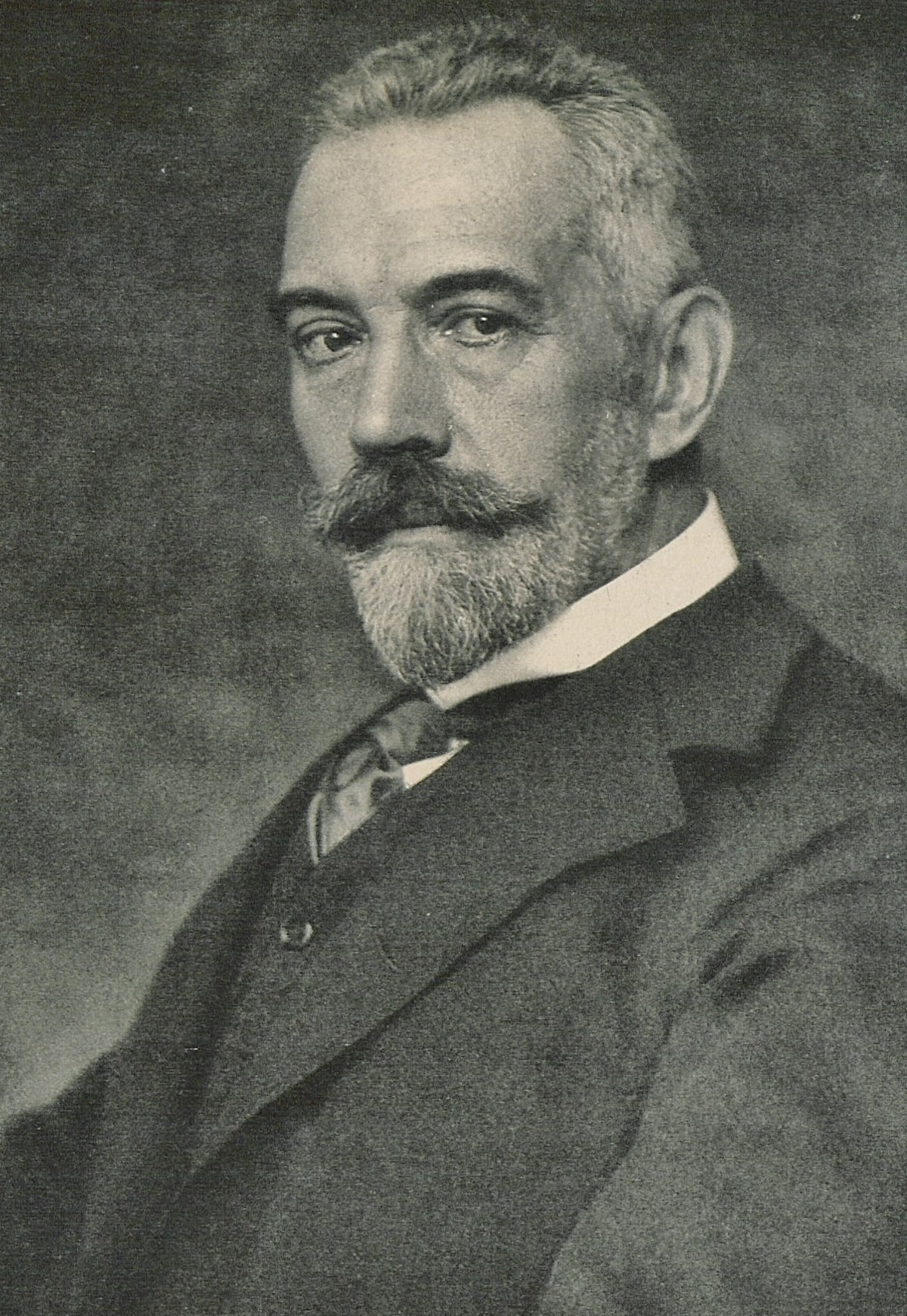
Theobald von Bethmann-Hollweg
Both sides in this war expected a quick and "glorious" war, but instead by the end of 1914, the war had devolved into a grim stalemate with neither side able to achieve victory over the other. In September, 1914 at the First Battle of the Marne, British and French forces stopped the German offensive in France, and German forces fell back to a line that ran from Belgium down south into northeastern France. The two sides dug in and entrenched themselves on both sides of this line. This "Western Front" remained largely unchanged until 1918. The Schliefen Plan had not foreseen the presence of British forces in France to oppose the German invasion. This same plan also didn't expect the Russian army to invade Germany so soon after the outbreak of war. In August, 1914 Russian forces invaded East Prussia. At the Battle of Tannenburg at the end of this month, German forces under the command of Paul von Hindenburg halted this Russian offensive. Germany now faced a two front war against French and British forces on its Western Front and against Russia along the "Eastern Front". Austro-Hungry also fared badly in this war in 1914. Its invasion of Serbia ended in a disastrous retreat, while Russian forces invaded Galicia in the Austro-Hungarian Empire and inflicted heavy casualties on the Austro-Hungarian army. In 1914 Russia's offensives directed against Germany and Austro-Hungary were, however, hampered by the inability of Russian industry to provide sufficient supplies for Russian armies in the field.
The year 1915 witnessed successful efforts of France and the United Kingdom to win new allies against the "Central Powers" (Germany, Austro-Hungary) and open and expand new fronts in the war in an effort to break the stalemate. In February, 1915 France and the United Kingdom launched the Gallipoli Campaign in a futile attempt to capture Istanbul, the Ottoman capital. The Ottoman Empire had not entered the war at this point, but Germany had been providing the Young Turks' regime with substantial financial and military resources. For this campaign, the British military employed primarily its forces from Canada, Australia, and New Zealand. Turkish forces, however, under the command of Mustafa Kemal, successfully resisted the allied assaults, inflicting heavy casualties on the Australia and New Zealand Army Corps (ANZAC), and the campaign ended in failure in early 1916. This campaign was a military failure, but it did convince the government of the Greek prime minister, Eleftherios Venizelos to ally Greece with France and the United Kingdom in 1915 since nationalist Greeks desired to recreate the Medieval Byzantine Empire and conquer Turkish Anatolia, The Greek king Constantine I, however, was pro-German and opposed this alliance. Greece only officially enter the war against Germany in 1916 when the Greek army deposed this king. The Triple Entente (France, United Kingdom, Russia) saw this Greek alliance as the means to transmit troops and supplies via Greece to allied Serbia in the Balkans. The Gallipoli campaign also was a factor in Italy's decision to ally itself with the Triple Entente even though previously Italy had been allies with Germany and Austro-Hungary. France and the United Kingdom flipped Italy over to their side with the secret Treaty of London in 1915. The Triple Entente in negotiations in London promised Italy territory from Austro-Hungary along the Balkan coast, a protectorate over Albania, and portions of the Ottoman Empire in Anatolia, when the war was concluded in their favor. This offer appealed to the Italian's hopes of creating a Mediterranean Empire. The Triple Entente desired Italy in return to open a new front against Austro-Hungary in the Alpine regions that straddled Italy and Austro-Hungary. The Italian Parliament wished for Italy to remain neutral in the war, so the Italian king, Victor Emmanuel III waited until Parliament was not in session and then entered Italy into the war as an ally of the Triple Entente. While the Triple Entente gained new allies, Greece and Italy, as a result of the Gallipoli Campaign, the Ottoman Empire entered the war as an ally of the Central Powers. Fearing that Armenian Orthodox Christians would support Russian invaders into eastern Anatolia in 1915, the Young Turks' Committee of Union and Progress ordered the Turkish army to remove native Armenians from this region to concentration camps in the deserts of Syria. An estimated 1.5 million Armenians reportedly perished as a result of this forced migration in this Armenian Genocide. In 1915 Bulgaria also opted to join the Central Powers due to their recent defeat at the hands of Serbia in the Second Balkan War. In the fall of 1915, a combined Bulgarian, Austro-Hungarian, and German army successfully invaded and occupied Serbia. Even with the additional of new allies to both sides, however, the stalemate along the Eastern and Western Fronts continued into 1916.
Along both the Western and Eastern Fronts in 1916 , massive offensives occurred as both sides hoped to achieve a sweeping victory that would end the war in their favor. In February, the German army launched an attack on French forces at the Battle of Verdun along the southern end of the Western Front. In the summer, British and French forces attacked the German lines along the northern end of the Western Front in the Battle of the Somme. These two epic battles alone cost the lives of nearly two million soldiers on both sides. In the summer of 1916, Russian forces under the command of Alexis Brusilov invaded Austro- Hungary. At first, Russian forces crushed the Austro-Hungarian army, but this offensive came to halt since Russian forces were short on supplies, and German forces arrived to reinforce the Austro-Hungarian army. This failed Brusilov offensive resulted in the deaths of an estimated 1.5 million soldiers. Romania did enter the war as an ally of the Triple Entente due to the early success of this offensive. Romanian nationalists desired to annex the Transylvania region of Austro-Hungary with its large ethnic Romanian population. None of these costly offensives broke the stalemate.
By 1916 both sides in this conflict were employing new technology as weapons as well as mobilizing their entire populations and economies in an all out effort to end the stalemate and achieve victory. The armies employed the recently invented airplane and dirigible balloons for reconnaissance missions. Soldiers defended trenches along the front lines with machine guns, while troops advanced against enemy positions behind tanks. Both sides also fired poisonous chlorine and mustard gas at each other. At sea, the Germans especially employed their submarines (U-Boats) effectively to attack enemy vessels. To supply their armies with enough materials in the field, both sides transformed their Capitalist, Laissez-faire economies into Command Economies in a system which historians have labeled "War Socialism". In this economic system, the government mandated production quotas in industries that were vital to the war effort (i.e. arms manufacturers). In addition the government set the prices that these industries paid for raw materials as well as the prices they received from the state for their manufactured goods. The government also highly regulated wages for workers and prices for consumer goods. The implementation of this system had a profound, long term impact. First, some politicians and statesmen came to see this command economy as superior to free market Capitalism even in peace time. In addition the emphasis on patriotism as well as service to the country and self-sacrifice during this war weakened the ideals of individual liberty advocated by Liberalism. During the war, governments censored the press and used newspapers to spread government propaganda, resulting in the suppression of free speech, one of the chief tenets of Liberalism. This war also resulted in the general loss of personal freedom. All sides in this war eventually resorted to a military draft to maintain their armies, so that all men between the ages of 18 and 60 were required to serve in the military. To pay for the cost of this war, governments went heavily into debt, often pressuring their own citizens to purchase "War Bonds" to finance the nation's debts. To honor these debts , governments, even after the war, dramatically raised taxes. These high taxes in the decades following the war especially ruined the European landed aristocracy, who often had to sell their ancestral estates just to pay their taxes. The war also raised the status of women. The war resulted in a huge shortage of labor since men were serving as soldiers. Consequently women often performed jobs normally performed by men. Since so many women stepped up to serve in these roles and support the war effort, countries in the years after this war granted women the right to vote. For example, in 1928 the United Kingdom granted all women over 21 the right to vote.
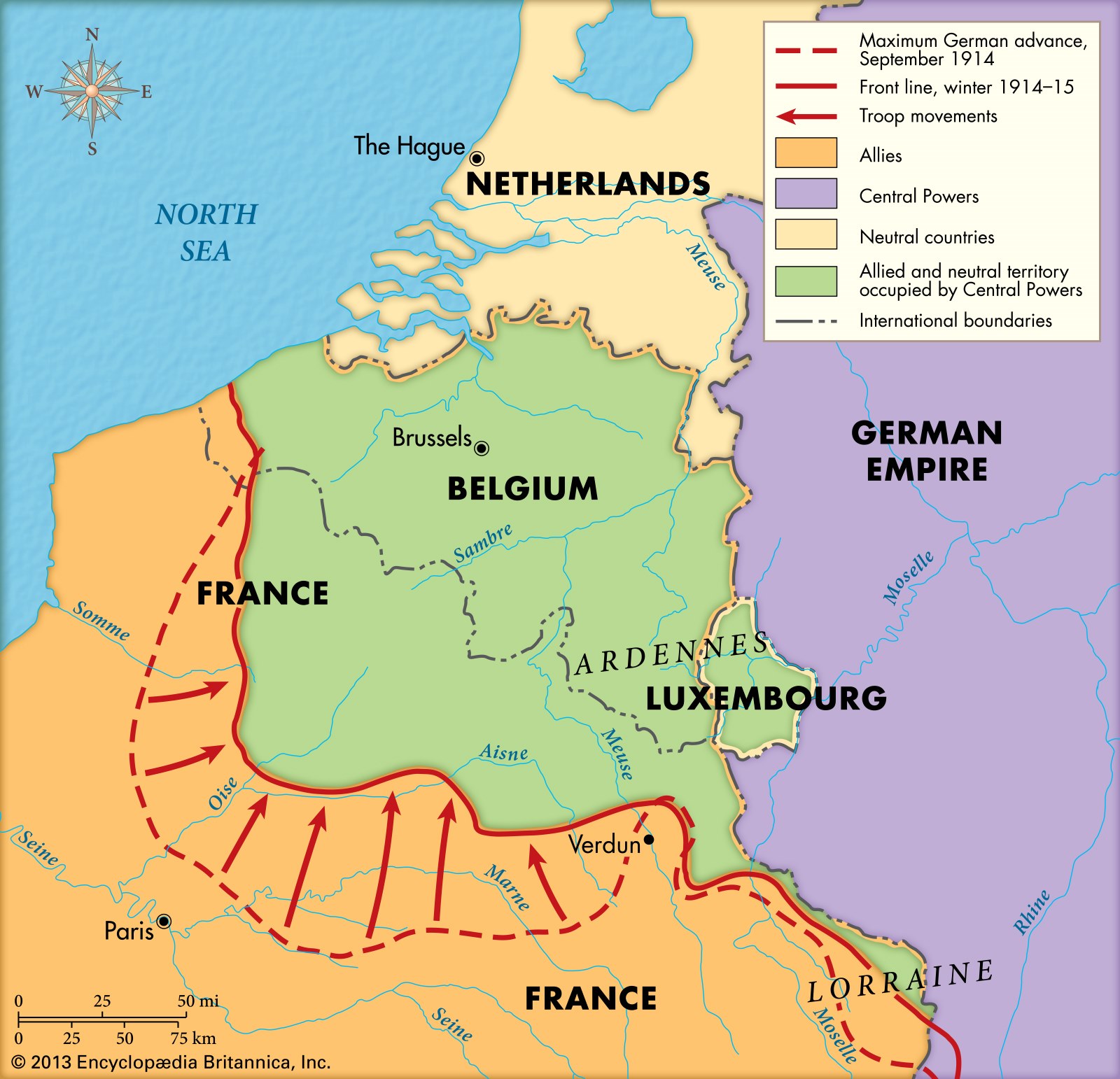
First Battle of the Marne
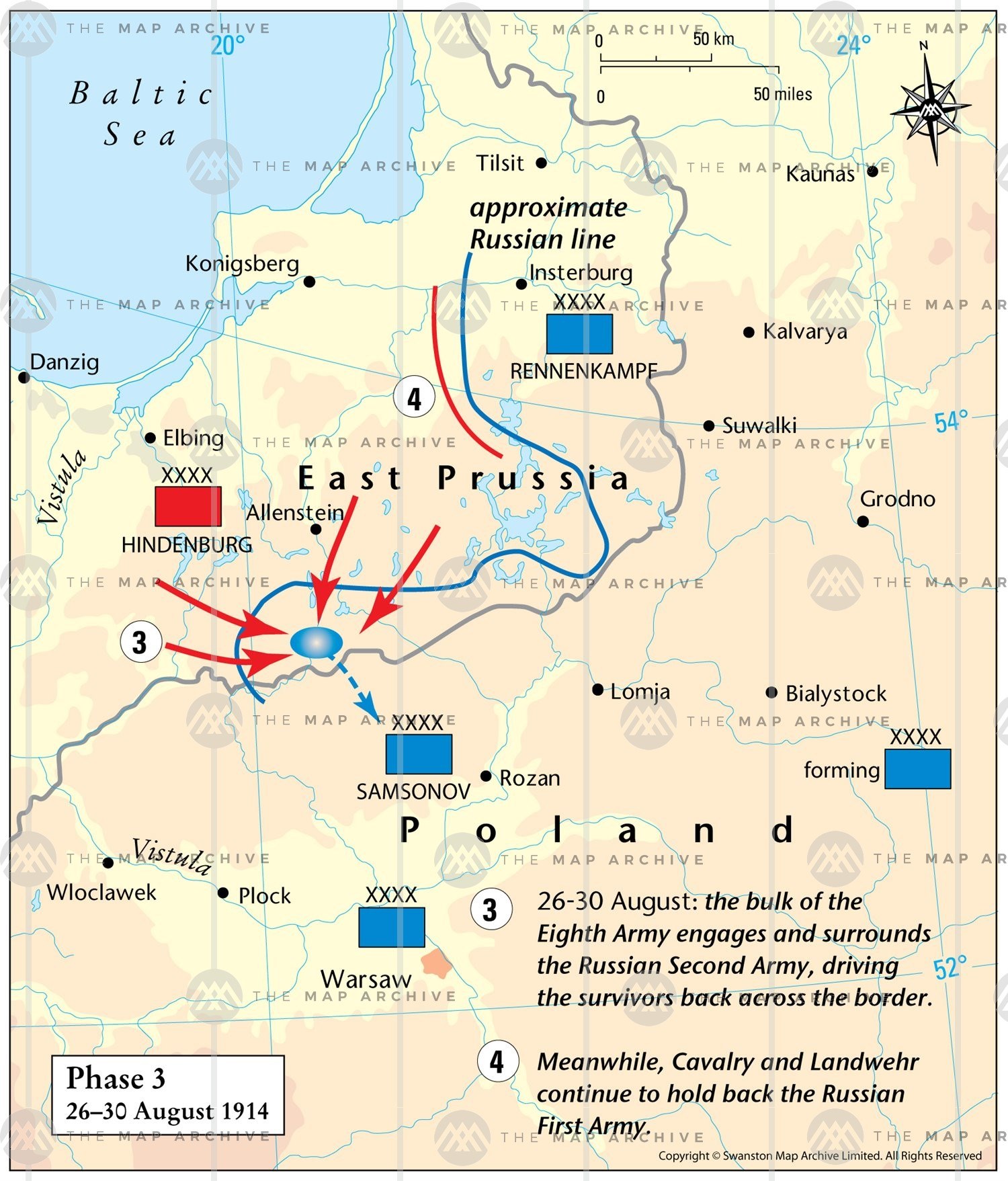
Battle of Tannenberg
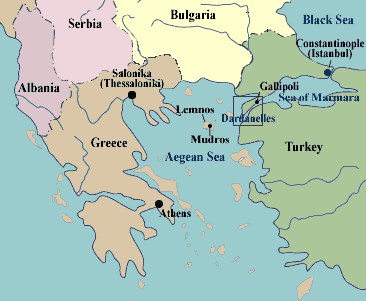
Gallipoli
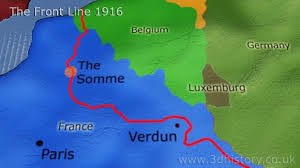
Battles of Verdun and the Somme
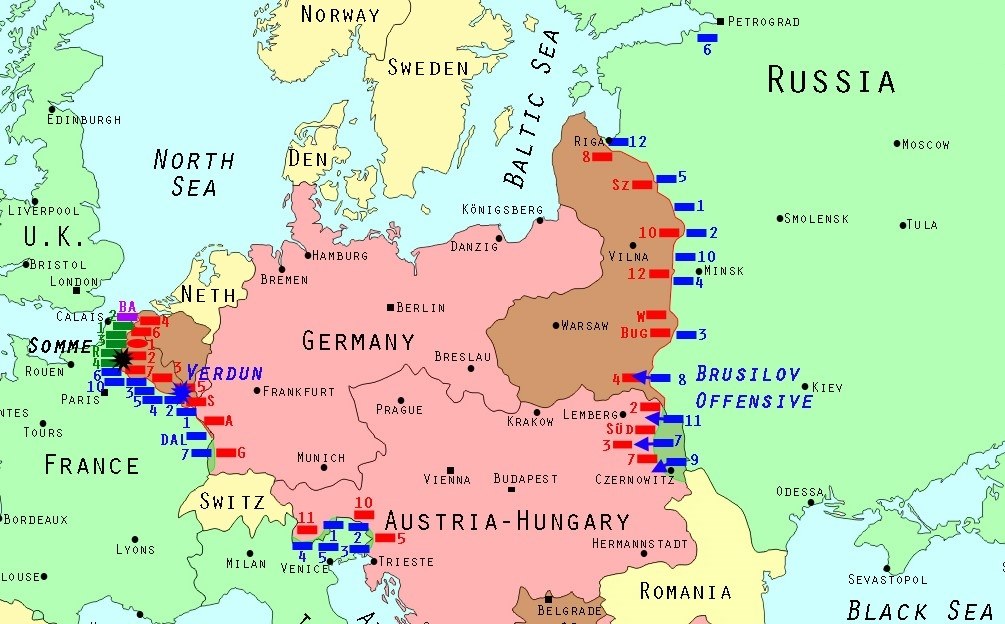
Brusilov Offensive
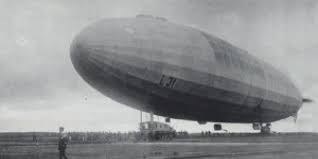
Dirigible
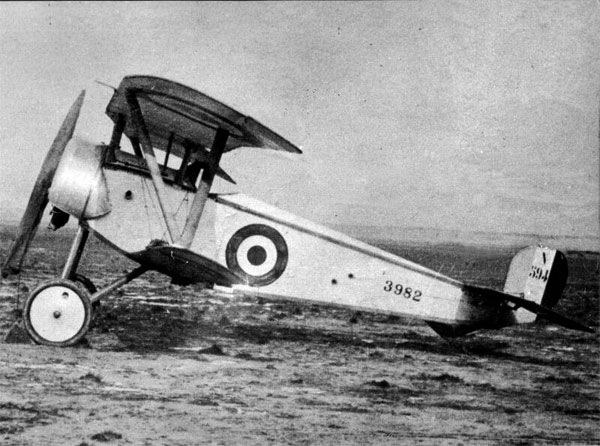
World War I Airplane
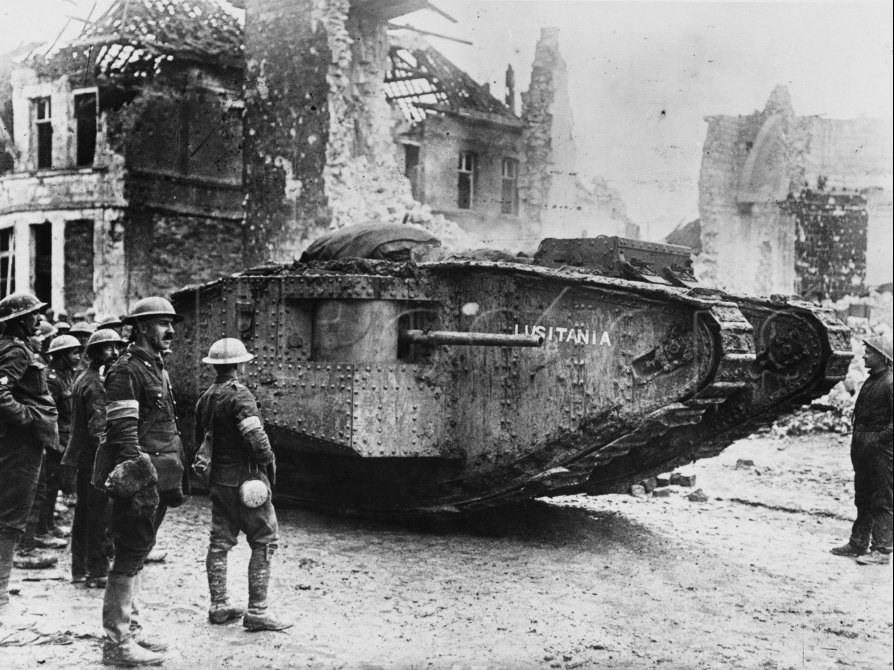
World War I tank
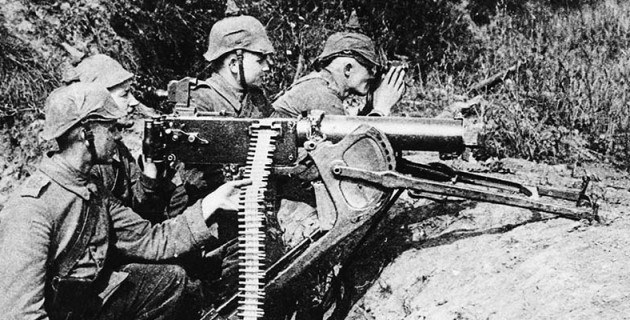
World War I machine gun
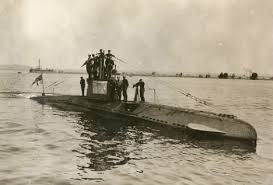
German U-boat
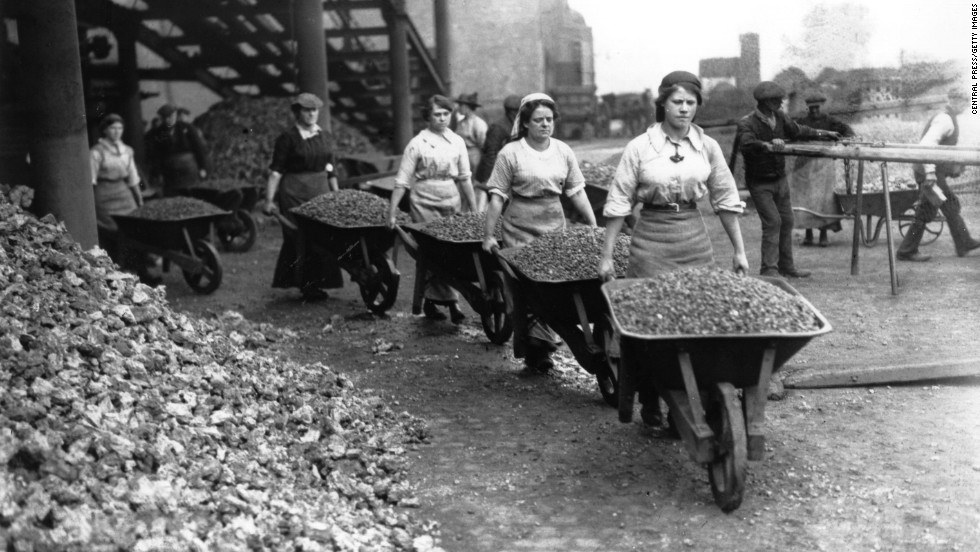
Working women of World War I
The year 1917 marked a turning point in this war with the outbreak of the Russian Revolution and the entry of the United States into the war. Many Russians entered the war in 1914 with great enthusiasm and patriotic fervor. By 1917, however, that enthusiasm had faded, as millions of Russians had lost their lives in the war, while Russian cities experienced severe food shortages due to the ongoing war. Moreover, the Czar, Nicholas II had lost the respect of his own people. His German wife, Alexandra, was understandably quite unpopular among the masses. This royal couple also lost public support due to their close relationship with a Russian monk, Grigori Rasputin. The Czar and his wife were convinced that Rasputin was a holy man who could heal their young son, Alexis, who suffered from hemophilia. Rasputin, however, very publicly practiced an immoral, scandalous lifestyle, and the reputation of the royal family suffered due to their association with him. In 1916 a group of Russian nobles murdered Rasputin in an effort to salvage the reputation of the Czar.
In 1916, Nicholas precipitated a crisis when he decided to take direct command of the Russian army along the Eastern Front and left his unpopular wife, Alexandra in Petrograd (formally St Petersburg), the Russian capital, to run the government. In February, 1917 in Petrograd a mass uprising occurred among Russian workers against the government of the Czar. Russian workers in Petrograd elected a Soviet or Council to govern the city. Across Russia workers in other cities elected their own Soviets. Workers elected Social Revolutionaries, Mensheviks, and Bolsheviks to positions on these councils. Nicholas II didn't want to expose Russia to a German invasion by leading his army against Petrograd to crush this uprising, so instead, he abdicated the throne in March 1917 in favor of his brother Michael, hoping that his abdication would quiet the rebellion. The sitting Russian Duma, however, declared Russia to be a republic. The Duma then chose Alexander Kerensky to be the provisional president of the new republic. Kerensky, a member of the Social Revolutionary Party, was both a member of the Duma and had been recently elected to the Petrograd Soviet, so his new government included people from both the Duma and the Petrograd Soviet.
Kerensky's provisional government desired to continue the war against Germany since the new Russian republic would need support from the Liberal governments of United Kingdom and France after the war. Consequently, the Russian Bolshevik leader, Lenin, living in exile in Switzerland, approached the German government and promised to withdraw Russia from the war if the German government smuggled him into Russia, so that he could overthrow the Kerensky government. The German government transported Lenin back to Russia in an armored railway car, and Lenin immediately assumed control of the Bolshevik Party. The Kerensky government had promised the Russian people that this government would respect their individual liberties. The Bolsheviks exploited the rights to freedom of speech and association to organize rallies against the Kerensky government and to infiltrate the Russian army. The Bolsheviks promised Russians "peace, bread, and land" if their party were to come to power. Many Russians found this slogan appealing since they were tired of war and food shortages, and desired the redistribution of land from the wealthy nobles to the poor peasants.
The Bolsheviks seized the opportunity to seize power in Russia when the Russian army suffered another devastating setback in the summer of 1917. In June, 1917 the Russian army launched yet another major offensive along the Eastern Front in an effort to break the stalemate. This offensive, like previous ones, was a failure. That summer the Bolsheviks organized massive protests after this failed military campaign. The Russian general, Lavr Kornilov and other military officers were convinced that the Russian provisional government was weak and ineffective in dealing with this Bolshevik opposition. In September, 1917 Kornilov and supporters unsuccessfully attempted to seize control of the government, and Kerensky ordered the arrest of Kornilov. Fearing that the new republic was at risk without immediate action, Kerensky called for elections to a Constituent Assembly to draft a constitution for the Russian Republic. The Bolsheviks, however, in October at a meeting of the Petrograd Soviet created the Revolutionary Military Committee (MRC) and a militia, the Red Guard to defend the Petrograd Soviet from counter-revolutionaries such as Kornilov, who might try to restore the Czar to power. In Soviets across Russia the Bolsheviks organized Revolutionary Military Committees and units of the Red Guard, which all took orders from Lenin and his right hand man, Leon Trotsky. In November, 1917 the MRC and the Red Guard, which had successfully infiltrated the Russian army, seized control of military bases across Russia, and thus enabled the Bolshevik Party and Lenin to rule Russia as a military dictator. Lenin,however, allowed elections to the Constituent Assembly in November to take place even after he had overthrown the Kerensky government. Lenin was hoping that Bolsheviks would dominate this election and consolidate their power. In these elections, however, Mensheviks and Social Revolutionaries won the most seats in the assembly. When this new Constituent Assembly convened in January, 1918, Lenin immediately dissolved it, maintaining that the Soviets under Bolshevik control would govern Russia instead. Lenin had thus successfully established his "dictatorship of the Proletariat".
Lenin in 1918 won broad support within Russia by quickly making good his promises in the slogan, ""peace, bread, and land". The Bolsheviks seized the lands of Russian aristocrats and distributed this land to peasants. In the cities, the Bolsheviks provided free bread to workers by seizing grain supplies in the countryside. Finally in March, the Bolshevik government signed the Treaty of Brest-Litovsk with Germany and withdrew from the war, just as Lenin had promised Germany. By the terms of this peace treaty, Russia ceded to Germany, Poland, the Baltic region (modern Estonia, Latvia, and Lithuania), Finland, and part of the Ukraine. This treaty deprived Russia of 20% of its existing industrial capacity.
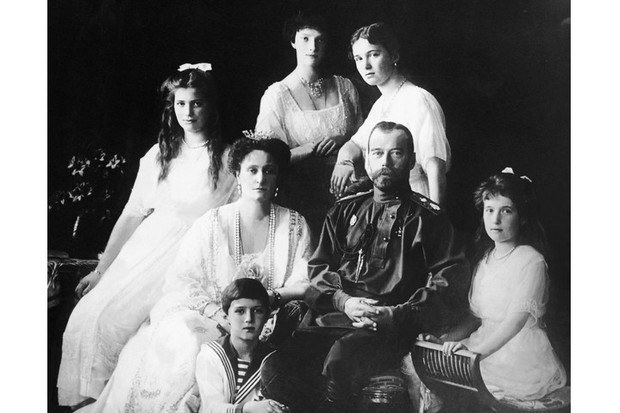
Nicholas II, Alexandra and family
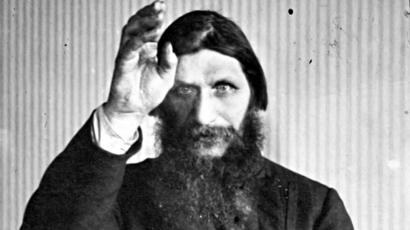
Rasputin
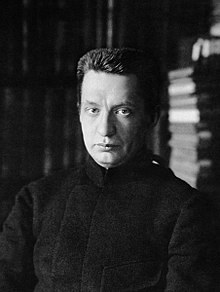
Alexander Kerensky
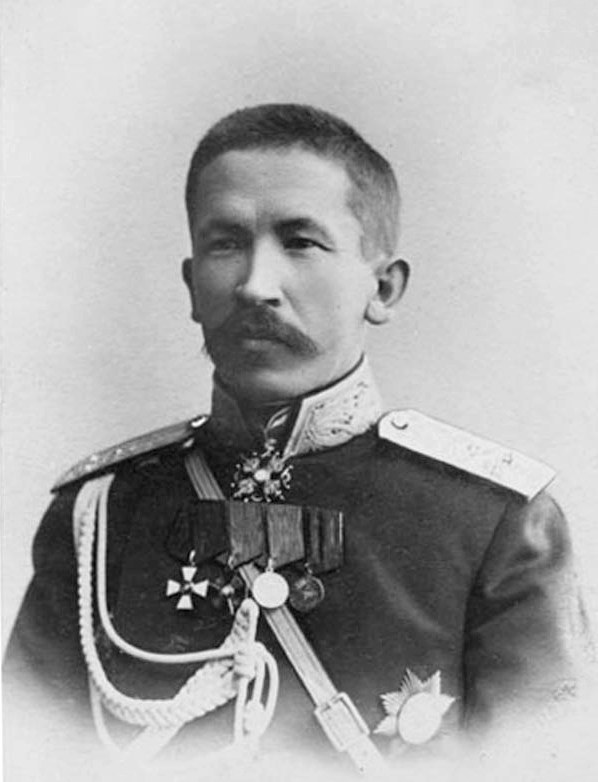
Lavr Kornilov
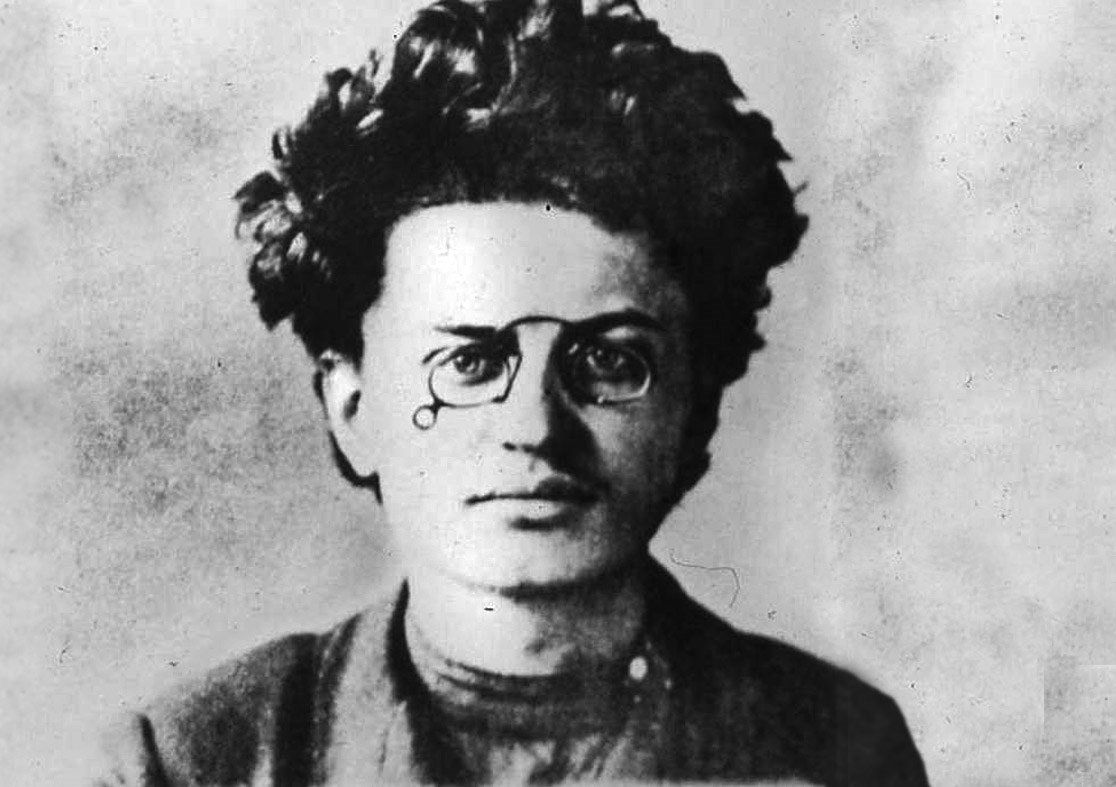
Leon Trotsky
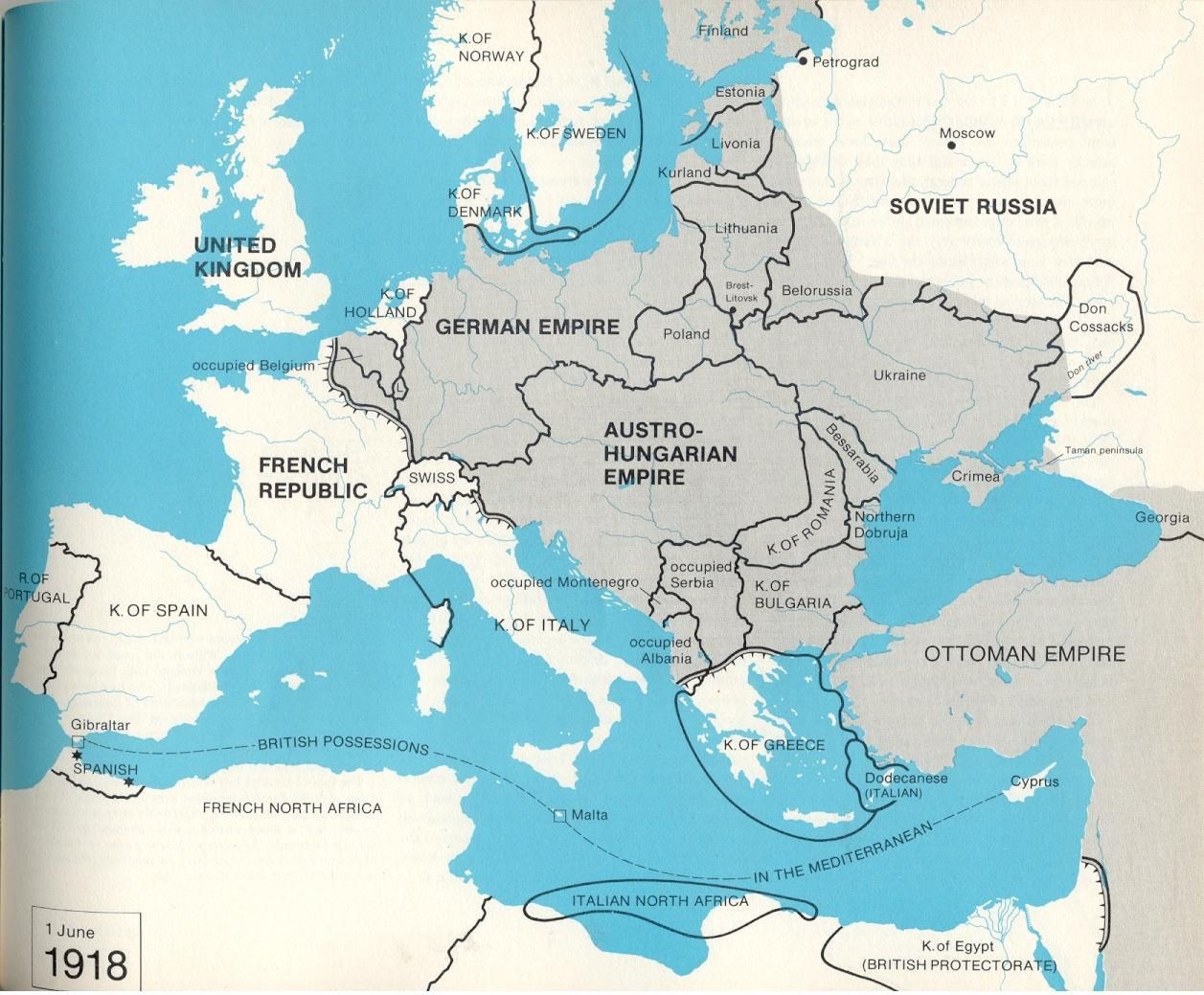
Russian losses under the Treaty of Brest-Litovsk
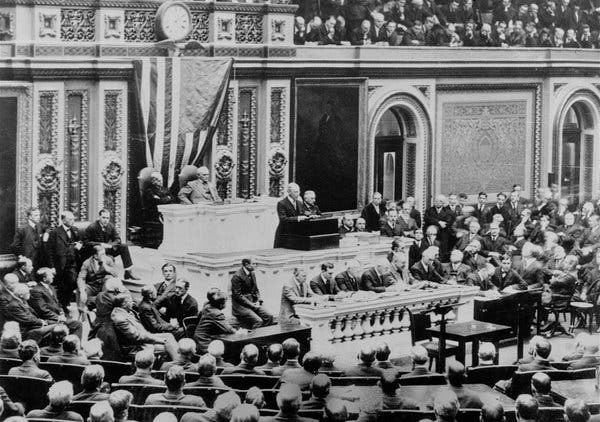
The year 1917 also witnessed the entry into the war of the United States, whose immense economic resources and manpower enabled its new allies, the United Kingdom and France to defeat Germany the following year in 1918. Historically, the United States did not involve itself in European affairs. The first United States President, George Washington, in 1796 in his "Farewell Address" to the nation had warned Americans about the dangers of "entangling" alliances with European powers. With the outbreak of the war in 1914, the United States' President, Woodrow Wilson, declared that the United States would remain neutral. However, as the war progressed, the American public increasingly sympathized with the United Kingdom. Since the end of the Revolutionary War in 1783, the United States and the United Kingdom had remained close trading partners. In the late 19th century, Wall Street banks in New York City and banks in London often did business with one another. British investors from London banks often invested the profits from gold discovered across the British Empire in Australia, Canada, and South Africa in the construction of railroads and factories in the United State by American companies. This close economic relationship continued after the outbreak of war in 1914. Even before the United States entered this war, American banks loaned over two billion dollars to the governments of the Triple Entente, but just over two hundred million dollars to the governments of the Central Powers. The United States and the United Kingdom also shared a common English language and heritage. Consequently during the war, American newspapers often carried stories from the British press, which were government propaganda and portrayed the Germans as barbaric "Huns" who raped woman and slaughtered children. The German government also alienated the American public and government with its relentless submarine warfare.
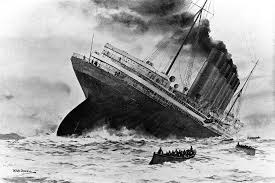
During World War I, German U-boats targeted British shipping. In 1915 a German U-boat sank the British passenger ship, the Lusitania, resulting in the deaths of over 100 American citizens on board this ship. President Wilson therefore demanded that Germany cease all attacks on civilian vessels. For a year, Germany largely complied with this demand, but in January, 1917 Germany announced its new policy of "Unrestricted Submarine Warfare", promising to sink all vessels in British waters with its U-boats. Germany was hoping to knock the United Kingdom out of the war by cutting off supplies to the island kingdom. Knowing that this new policy could lead to war with the United States, the German government secretly and unsuccessfully encouraged the government of Mexico to go to war with the United States, so that the United States would be too occupied with the war with Mexico to become involved in the war in Europe. The British government, however, intercepted a telegram from the German foreign secretary, Arthur Zimmermann to the German ambassador to Mexico regarding this plan, and the British government passed along this note to the United States. German U-boat attacks on American merchant ships along with the public outrage in the United States over this Zimmermann note prompted the United States Congress to declare war on Germany in April 1917. President Woodrow Wilson in his public addresses promised the American people that American involvement in this war would make the world "safe for democracy" and ultimately promote world peace.
By the end of the 1917, however, Germans were confident that they could still win the war. The Bolshevik revolution had knocked Russia out of the war, so that the German army could focus all its efforts now on the Western Front.Moreover, the Central Powers were experiencing success. Serbia remained occupied by Bulgarian and Austro-Hungarian forces, as well as much of Romania. In the fall of 1917, Austro-Hungarian and German forces crushed the Italian army at the Battle of Caporetto. In 1917 the British invasion of Ottoman Mesopotamia (Modern Iraq) had enjoyed little success.
In spring, 1918 confident German forces launched a massive offensive along the Western Front in an all out effort to deliver a knock out blow and win the war. By this time, however, British and French forces had received fresh supplies from the United States and 1.5 million American troops. In March, 1918 in the Second Battle of the Marne, British, French, and now American forces stopped this German offensive. In fall 1918 these allied forces launched the Meuse Argonne Offensive against the German lines, and the German army collapsed. At this same time, the forces of the Central Powers all faced utter defeat on multiple fronts, in Serbia, in Mesopotamia in the Ottoman Empire, and in Austro-Hungary along its border with Italy. At this time German military officers informed William II that the German army was too weak to defend Germany from an imminent invasion and advised him to seek an armistice to end the war. When William II contacted the United States government to seek an armistice, President Wilson insisted that the Kaiser must abdicate first. William promptly abdicated the throne and went into exile in the Netherlands. On November 11, 1918 Germany signed an armistice to end all hostilities. On that same day the last Hapsburg emperor, Charles I, the grand-nephew of Francis Joseph, effectively abdicated the throne as well, and the Austro-Hungarian Empire dissolved.
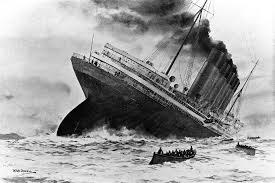
Sinking of the Lusitania
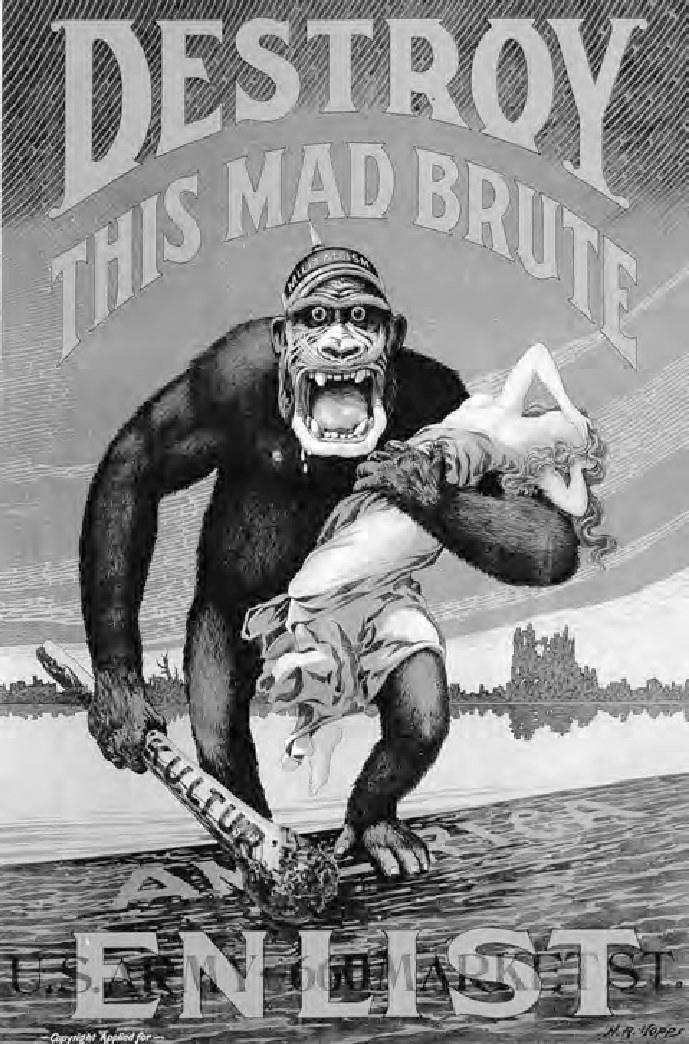
British Anti-German Propaganda
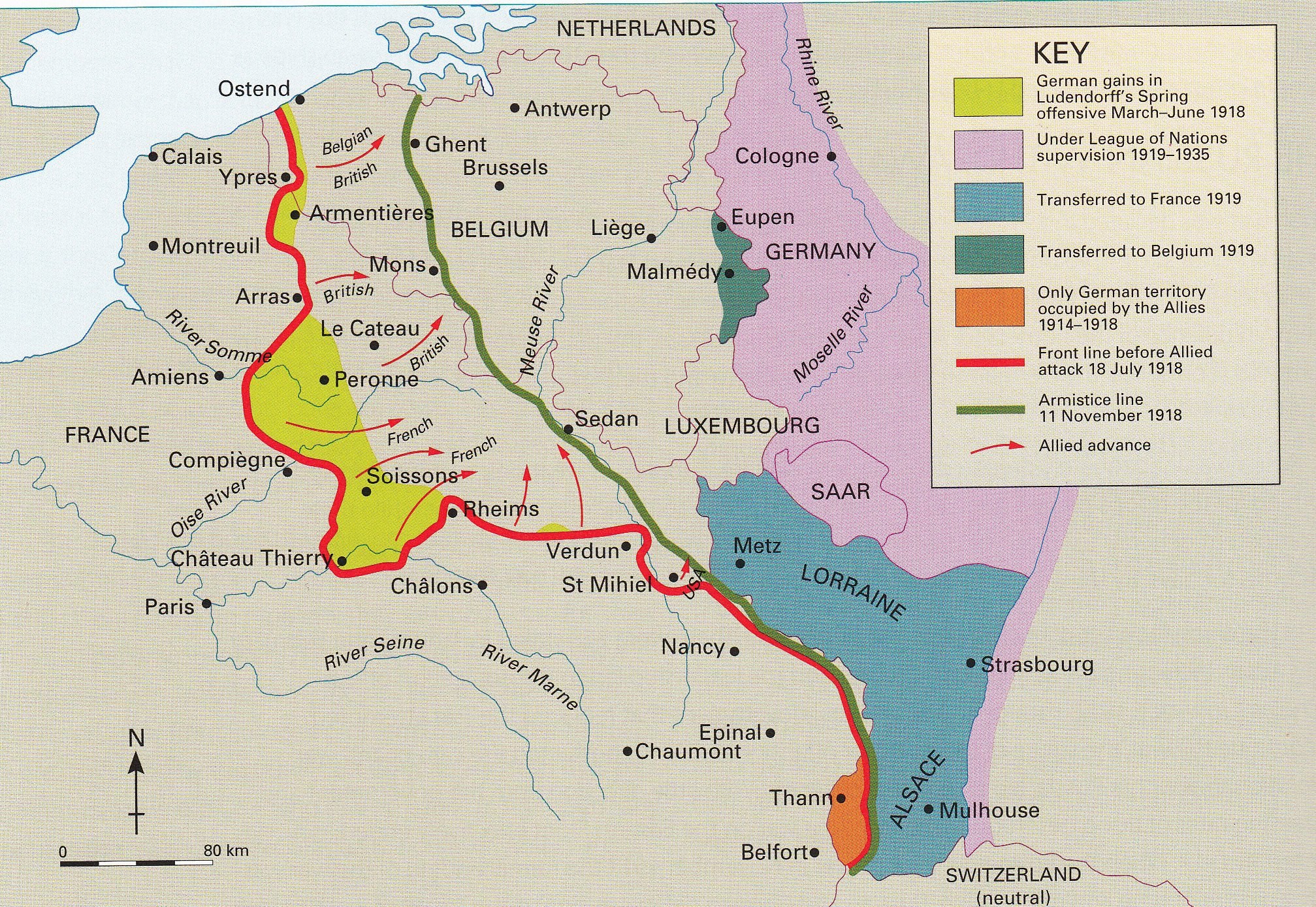
The Western Front in 1918
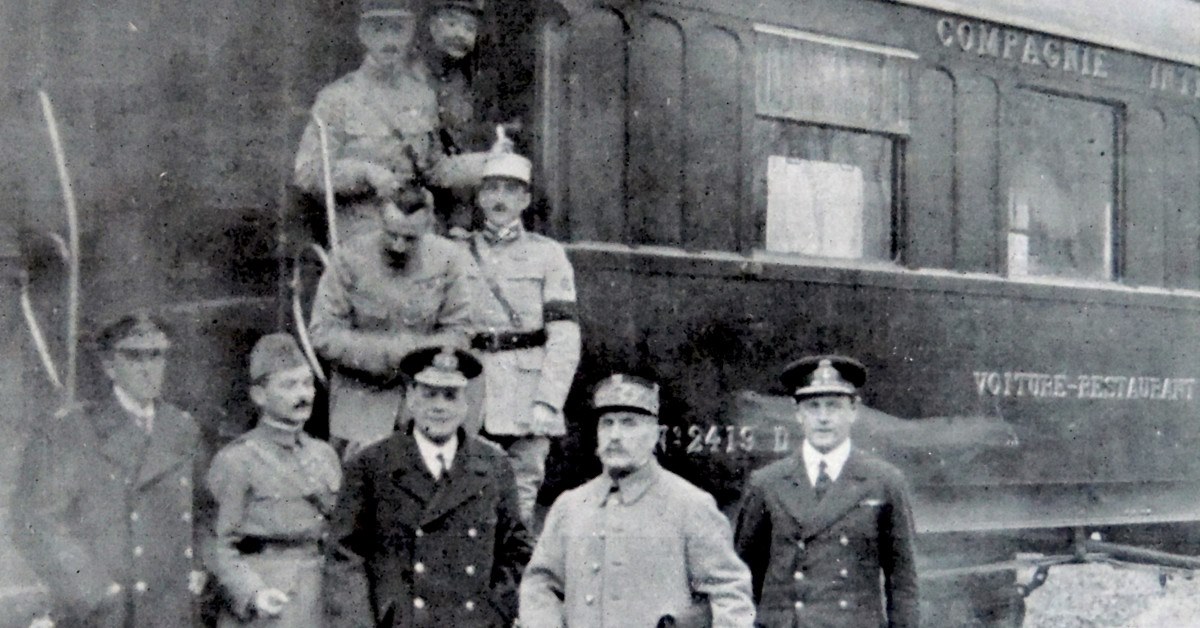
The signing of the Armistice