The World Between the Wars
Modern World23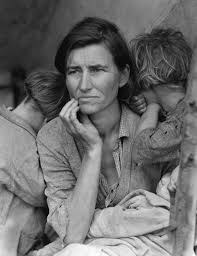
When world leaders convened in Paris in 1919 for a peace conference after the 1918 armistice, people around the world hoped that a comprehensive treaty would be forged at this conference that would establish universal peace and democracy, as promised by the American President, Woodrow Wilson. Instead, the Versailles Treaty only stirred up anger and resentment, which fueled multiple future conflicts, including the outbreak of World War II in Europe in 1939. Between the end of World War I and the start of World War II, the world first experienced a period of economic recovery and expansion in the 1920's, which was followed by a severe worldwide, economic crisis, the Great Depression in the 1930's. The turmoil and destruction of the Great War, the anger and resentment arising from the Versailles Treaty, and the economic distress of the Great Depression all combined to bring into question the legitimacy of Liberalism and Capitalism as viable political and economic systems, which had emerged from the Market Revolution and French Revolution. Consequently, some countries came to embrace new, Totalitarian regimes such as in Nazi Germany and Fascist Italy. The emergence of aggressive, warlike Totalitarian states set the stage for the outbreak of World War II.
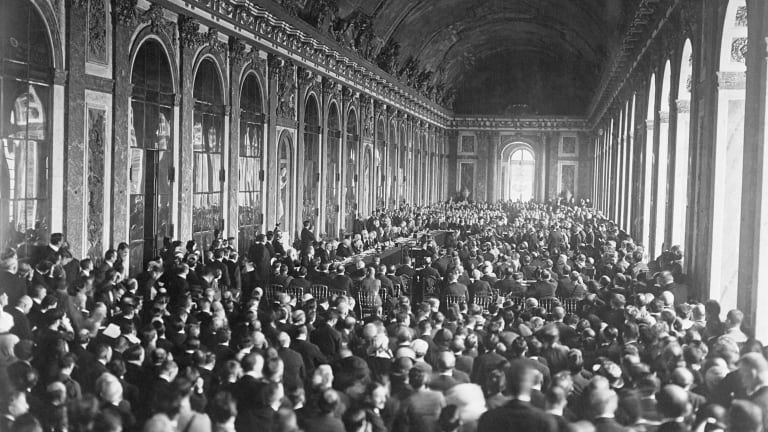
Before he even arrived in Paris for the peace conference, Woodrow Wilson published his 14 points, which, he proclaimed, would be the basis for a treaty that would achieve "peace, without victory". These 14 points included a call for democracy and the self- determination of peoples, "free trade" (elimination of tariffs), and "open diplomacy" (a ban on secret treaties). Wilson's most ambitious proposal among the 14 Points was for the creation of the League of Nations, which would provide a way for nations to settle their differences peaceably through negotiation. Wilson's League of Nations would maintain peace through "collective security". Member states collectively would place economic sanctions and even take military action against states acting as aggressors. Wilson maintained that the implementation of a treaty based on these 14 Points would ultimately benefit both sides who had fought each other in the war.
Wilson's wartime allies, France, the United Kingdom, and Italy did not share Wilson's views. France primarily desired to seek vengeance and punish Germany. The peace conference met at the palace of Versailles, so that France could publicly humiliate Germany at the very same location where the German Empire had been created at the end of the Franco-Prussian War. The United Kingdom focused on war reparations from Germany, so that the United Kingdom could use these funds to rebuild its economy and maintain its overseas empire. Italy was seeking the lands that France and the United Kingdom had promised in the 1915 Treaty of London. During the negotiations among these world leaders, Wilson conceded to French and British demands in exchange for their support for the League of Nations. When the Italian delegation realized that the British and French were reneging on their earlier promises, the Italians departed from the conference in anger and disgust. When the negotiations had concluded, the resulting Versailles Treaty imposed very harsh conditions on Germany, while creating a new League of Nations.
Even though the United States had initially championed the League of Nations, the United States government rejected the Versailles Treaty in 1920, and the United States never joined the League of Nations. In the years following the end of World War I, a "Red Scare" swept across the United States. In 1919 a wave of labor strikes occurred in the United States since the government had previously frozen wage increases for workers as a wartime measure. Many Americans due to the Russian Revolution viewed these strikes as part of a Bolshevik conspiracy to destroy democracy and Christianity in America. Americans also blamed recent immigrants from eastern and southern Europe for spreading radical, Bolshevik ideas. Immigrant communities in the United States even faced attacks by angry mobs. Due to this Red Scare, "Isolationists" in the United States successfully prevented the United States from joining the League of Nations by arguing that the United States should isolate itself and not become involved in the affairs of an unstable and revolutionary Europe.
The League of Nation without the United States remained a weak and ineffective organization since its founding members had only agreed to join under pressure from the United States. Other elements of the Versailles Treaty such as the harsh conditions imposed on Germany had a much more profound impact. First, Germany had to accept full responsibility for starting the war, and thus became liable to pay reparations to the amount of 33 billion dollars (over 500 billion in 2020 dollars). Second, Germany had to surrender control of all its overseas colonies, which in Africa were largely divided up between France and the United Kingdom. Third, Germany ceded the territory of Alsace- Lorraine to France and much of East Prussia to the newly independent nation of Poland. The Versailles Treaty also required Germany to destroy its navy, to reduces the size of its army to 100,000 men, and to remove all military installations from the Rhineland (the region in Germany bordering France and Belgium).
The new German republic, only under duress and threat of invasion, agreed to the Versailles Treaty. The signing of this treaty would cost this German "Weimar" Republic much public support within Germany. In 1918 following the abdication of William II, a national convention met in Weimar, Germany and drafted a new constitution for the German republic. This new government was dominated by the Socialist Social Democratic Party as well as Liberal parties. At this time a prominent German general and war hero, Erich Ludendorff publicly suggested that German Liberals and Socialists had "stabbed Germany in the back" during the war so that they could seize power for themselves. The general's remarks fed the myth that the German Liberals and Socialists were traitors, who had betrayed Germany during the war. The signing of the Versailles Treaty by the Weimar government also served to promote this myth. Since many German Jews belonged to Socialist and Liberal parties, this myth also increased anti-Semitic views in Germany as well. This myth would also serve later to promote Totalitarianism and the Nazi Party within Germany.
In 1919 the Weimar Republic also faced violent opposition from various political parties that threatened the new government. The Sparticists were inspired by the success of the Bolsheviks in Russia and hoped to spark a Communist revolution in Germany. In January, the Sparticists led a general strike and engaged in street battles with police in Berlin. In Bavaria in southern Germany, workers in Munich, Bavaria's largest city, organized a workers council, modeled after the Petrograd Soviet, and declared Bavaria to be an independent republic. Also in Munich in 1919, railway workers organized the National Socialist German Workers’ Party or Nazi Party, who not only opposed the Weimar Republic, but also were fierce opponents of Bolshevism (Communism). At this time of crisis, the Weimar Republic had no choice but to appeal to the German army to support the government and preserve German unity. Consequently, the ancient aristocracy, the Prussian Junkers, could still hold on to power since they still held high posts in the German army. Eventually, the German army joined forces with the Nazi party to overthrow the Weimar Republic in 1933.
In the years directly following the war, the German people suffered under harsh economic conditions. Since the Versailles Treaty required Germany to pay heavy reparations to the victorious powers, the German government resorted to printing money to finance its operation. Since this currency was not backed by gold reserves, which had been emptied as a result of the war, the value of this currency continued to decline, and Germany consequently experienced hyperinflation. Prices for basic necessities such as bread and meat skyrocketed in Germany. Many German families were malnourished since they could not afford to buy food. In 1923, the French government sent troops to occupy the Ruhr Valley in western Germany. The French government maintained that Germany was behind in paying reparations, so the French government was entitled to seizing German coal and steel. The French occupation resulted in a general strike in the factories and coal mines of the Ruhr Valley, and the German economy crashed, as the Ruhr Valley was the very heart of German industry. Under diplomatic pressure from the United States and the United Kingdom, the French later that year withdrew their troops. The German people never forgot the weakness and helplessness of their country under the Weimar Republic and were therefore open to an alternative form of government, which the Nazi Party would offer.
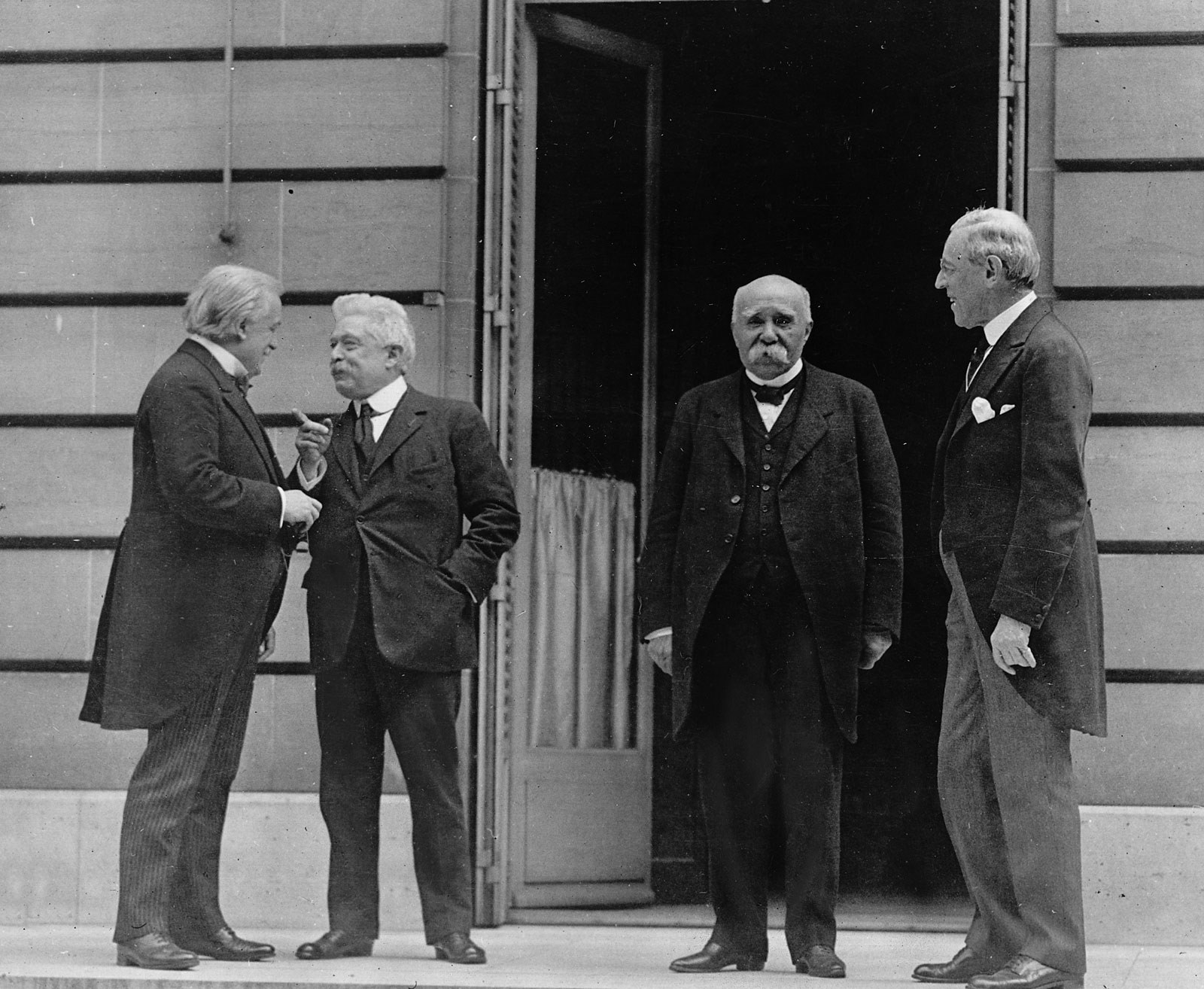
Woodrow Wilson at Versailles
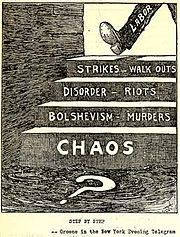
American cartoon during the "Red Scare"
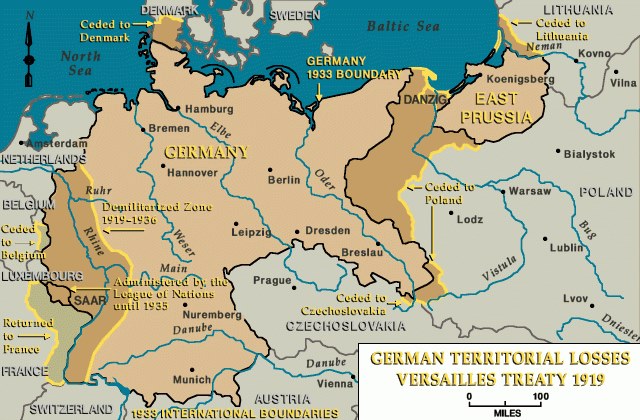
Germany after the Versailles Treaty
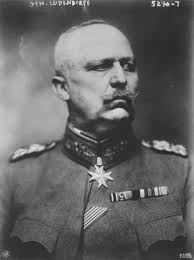
Erich Ludendorff
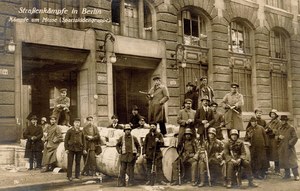
Armed Sparticists in the streets
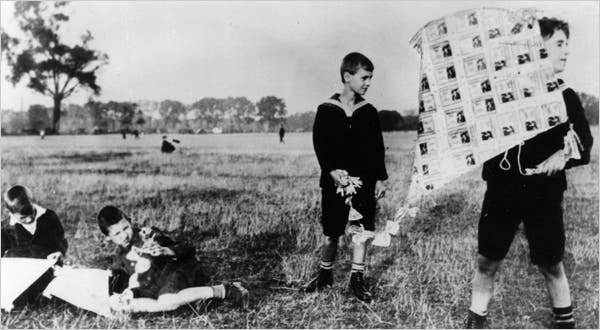
German children playing with worthless paper money
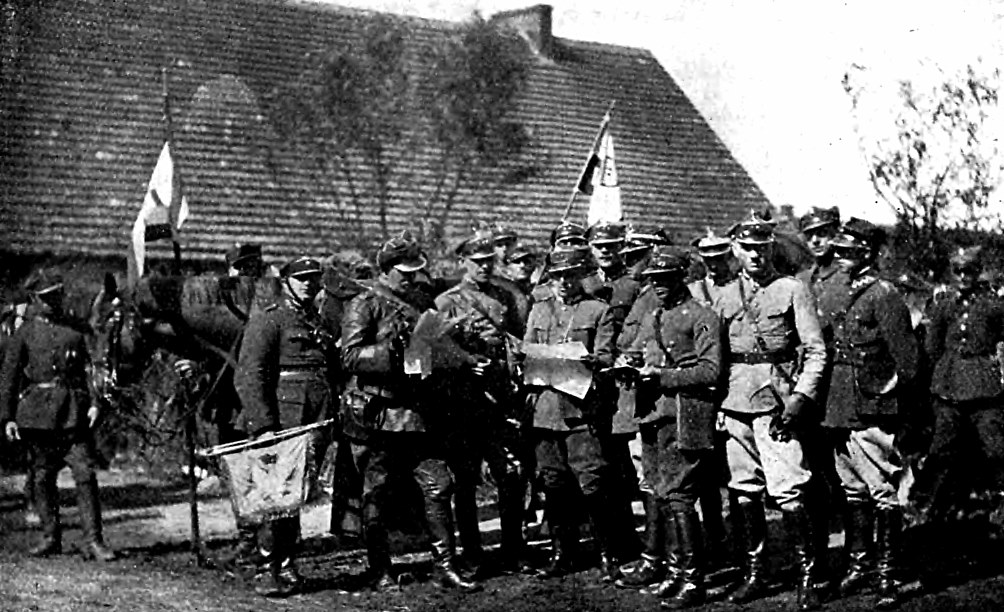
The collapse of the Austro-Hungarian and Russian Empires in the wake of World War I witnessed the birth of a host of new nations in Eastern Europe as well as political instability and wars. Austria and Hungary in 1918 each became separate, independent republics after the collapse of the Hapsburg monarchy. The Czechs and Slovaks of the former Austro- Hungarian Empire in 1918 united into the single republic of Czechoslovakia. The Kingdom of Serbia after 1918 became the "Kingdom of the Southern Slavs" or Yugoslavia as Serbia annexed former territories of the Austro-Hungarian Empire, Croatia, Slovenia, and Bosnia-Herzegovina, along with the tiny principality of Montenegro. Unlike Czechoslovakia, where the Czechs and Slovaks largely shared a common Roman Catholic faith and culture, Yugoslavia included Serbian Orthodox Christians, Roman Catholic Croats and Slovenes, and Bosnian Muslims. Romania, which had only entered the war in 1916, nearly doubled in size after the war with the addition of the territory of Transylvania from the former Austro-Hungarian Empire.The former Russian empire of the Czars in the years after 1918 also broke up into a number of new states. Finland for the first time became an independent republic. Other new republics along the Baltic Sea included Latvia, Estonia, and Lithuania. To secure independence, these Baltic countries defeated the Soviet Red Army by 1920.
The emergence of these new states coincided with new wars since these new states were inspired by nationalism to wage war against neighboring states. In Hungary in 1919 Communists under the leadership of Bela Kun seized power in the republic. Inspired by the example of Lenin in Russia, Kun won support from poor Hungarian peasants with his promise to break up the estates of the Hungarian aristocracy and redistribute land among the peasants. Once in power, Kun hoped to unite all Hungarians by waging war against Czechoslovakia and Romania, so that ethnic Hungarians in Slovakia and Transylvania could be reunited with Hungary. In this war, France and the United Kingdom both supported Czechoslovakia and Romania. When Kun's military campaigns resulted in military disasters for Hungarian forces, Kun's communist government collapsed by the end of 1919. In 1920 Conservative anti-Communists in Hungary organized a National Assembly and announced the re-establishment of the Kingdom of Hungary. France and the United Kingdom, however, strongly opposed the restoration of the former Hapsburg king Charles, so the National Assembly appointed an Hungarian aristocrat and war hero, Miklos Horthy to be "Regent" of the kingdom. Horthy continued to serve as head of state until 1945 and enjoyed support from conservative Roman Catholics, aristocratic landowners, and the Hungarian middle class that were opposed to the Communist threat. In 1919-1920 both Finland and Poland invaded Soviet Russia, which was in the midst of a brutal civil war, in the hopes of adding to their own territory. The Polish general and head of state Joseph Pilsudski hoped to annex the Ukraine since this area in the 17th century had been a part of the Polish- Lithuanian Kingdom. The Soviet Red Army successfully repulsed both these invasions. In 1920 the Soviet Red Army invaded Poland; Polish forces however, defended Warsaw, the Polish capital, and prevented its fall. In 1921 the Treaty of Riga ended this Polish-Soviet War, and Poland and Soviet Russia divided up the regions of the Ukraine and Belarus.
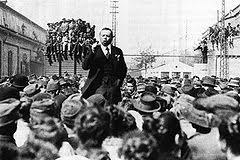
Bela Kun
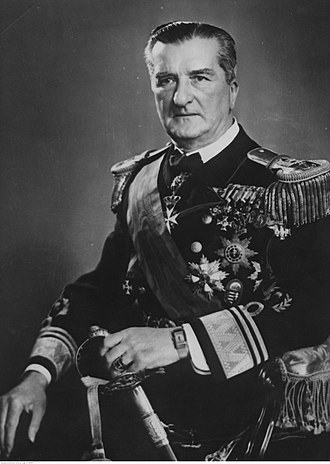
Miklos Horthy
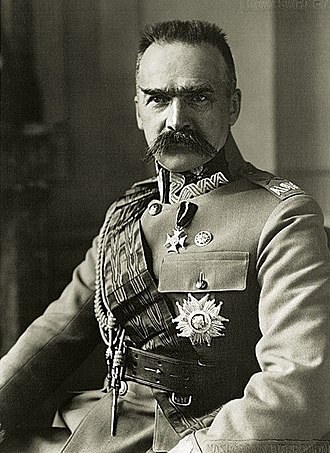
Joseph Pilsudski
In the years following the end of World War I, the Ottoman Empire and Caliphate ended, and a new countries emerged from the breakup of this empire. During this war, the British government supported efforts within the Ottoman Empire to create an independent Arab state, so that the Arabs would fight as allies of the British against the Ottoman Turks. British forces worked closely with the family of Hussein bin Ali, who was the local governor (Sharif) of the holy Muslim city of Mecca, and reputedly a descendant of the Prophet Mohammed. In 1918 at the conclusion of the war, British and Arab forces under the command of Faisal, the son of Hussein bin Ali, captured Damascus. Faisal hoped to establish Damascus in Syria as the capital of a united Arab kingdom ruled by his family, the Hashemites. However, the French and British governments in the secret Sykes-Picot agreement in 1916, had already decided to divide this region into separate British and French spheres of influence. France desired control of Syria and Lebanon since the French government since the days of Napoleon III in the 19th century had claimed to be the protectors of the indigenous, Roman Catholic population (the Maronites) that lived in these areas. In 1920, the new League of Nations implemented the Sykes-Picot agreement by granting France a "mandate" over Lebanon and Syria, while the United Kingdom received the League of Nations mandate over Iraq, Jordan, and Palestine. In 1921, the British government did set up Faisal as the constitutional monarch of the new nation of Iraq after crushing a revolt against British occupation by Shiite Muslims in southern Iraq in 1920. The British government also installed his brother Abdullah as the new king or emir of Jordan. Palestine, however, remained under direct British rule. In 1917, in the Balfour Declaration, the British government committed itself to establishing an independent Jewish state in Palestine. This declaration was an effort during World War I to win support from Jewish Zionists in Palestine, who had been emigrating to Palestine in large numbers since the late 19th century. The British government hoped that the Zionists would then join them in the war against the Ottoman Empire. At the war's conclusion, however, the British government didn't follow through and support such a state since it didn't want to alienate its Arab allies, who claimed this region for themselves. Consequently, an independent Jewish state, Israel, only emerged in 1948 after the British government withdrew from Palestine. The Hashemite dream of uniting all Arabs under their leadership faded further when a local Arab Sheikh (tribal chieftain), Abdul Aziz bin Saud from the center of the Arabian peninsula, in 1924 conquered the Holy Muslim cities of Medina and Mecca and later declared himself king of Saudi Arabia in 1932. The family of Abdul Aziz bin Saud had previously been associated with a religious movement within Islam that had been founded by the Muslim scholar, Muhammad bin Abd al-Wahhab in the 18th century. Wahhabism embraced a very strict interpretation of the Muslim holy book, the Quran. Abdul Aziz bin Saud imposed this version of Islam throughout his kingdom.
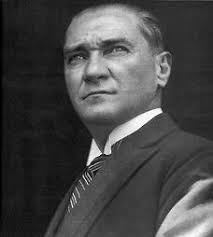
At the conclusion of World War I the Turks in Anatolia itself were under siege as Greek armies occupied much of western Anatolia in 1919 in their effort to restore the Medieval Byzantine Empire. Many Turks were also outraged in 1920 When the Ottoman Sultan, Mehmed VI, in the Treaty of Sevres ceded to France and the United Kingdom much of the Ottoman Empire's territory in Iraq, Syria, Jordan, and Palestine. In 1920 the Turks elected a new National Assembly that convened in central Anatolia at Ankara and deposed Mehmed VI as Sultan. Under the leadership of the hero of the Gallipoli Campaign, Mustafa Kemal, Turkish forces completely defeated the Greek armies and recaptured the Mediterranean port of Smyrna in 1922. With the expulsion of Greek forces from Anatolia, an armistice ended this Greco-Turkish War in 1922. The following year in 1923, over one million Greek Orthodox Christians were expelled from Anatolia and over 500,000 Muslims were expelled from Greece in an exchange of populations by agreement of these two countries. In 1923, the Turks also formally declared themselves to be the Republic of Turkey in Anatolia. Mustafa Kemal "Ataturk" (Father of the Turks) in 1923 became the first president of Turkey. Ataturk with the support of the Turkish army pushed for the dramatic reform of Turkish society in an effort to transform Turkey into a westernized, secular republic.
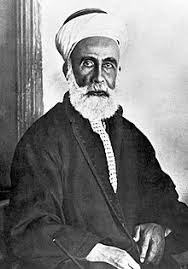
Hussein bin Ali
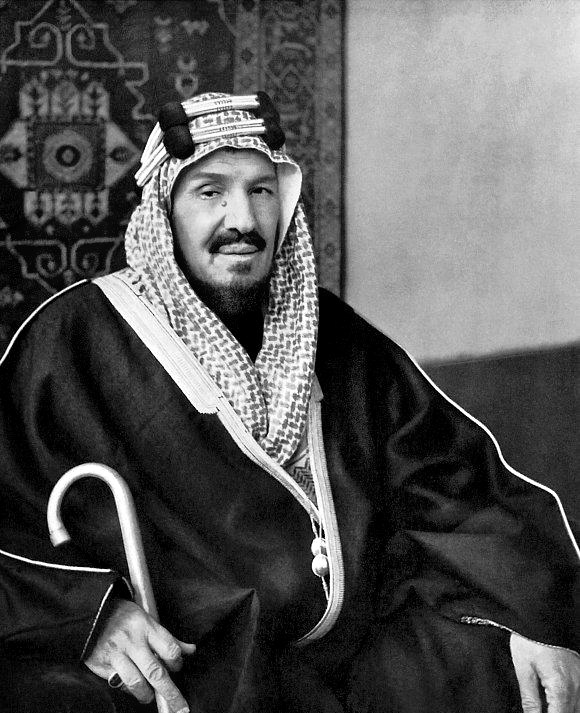
Abdul Aziz bin Saud
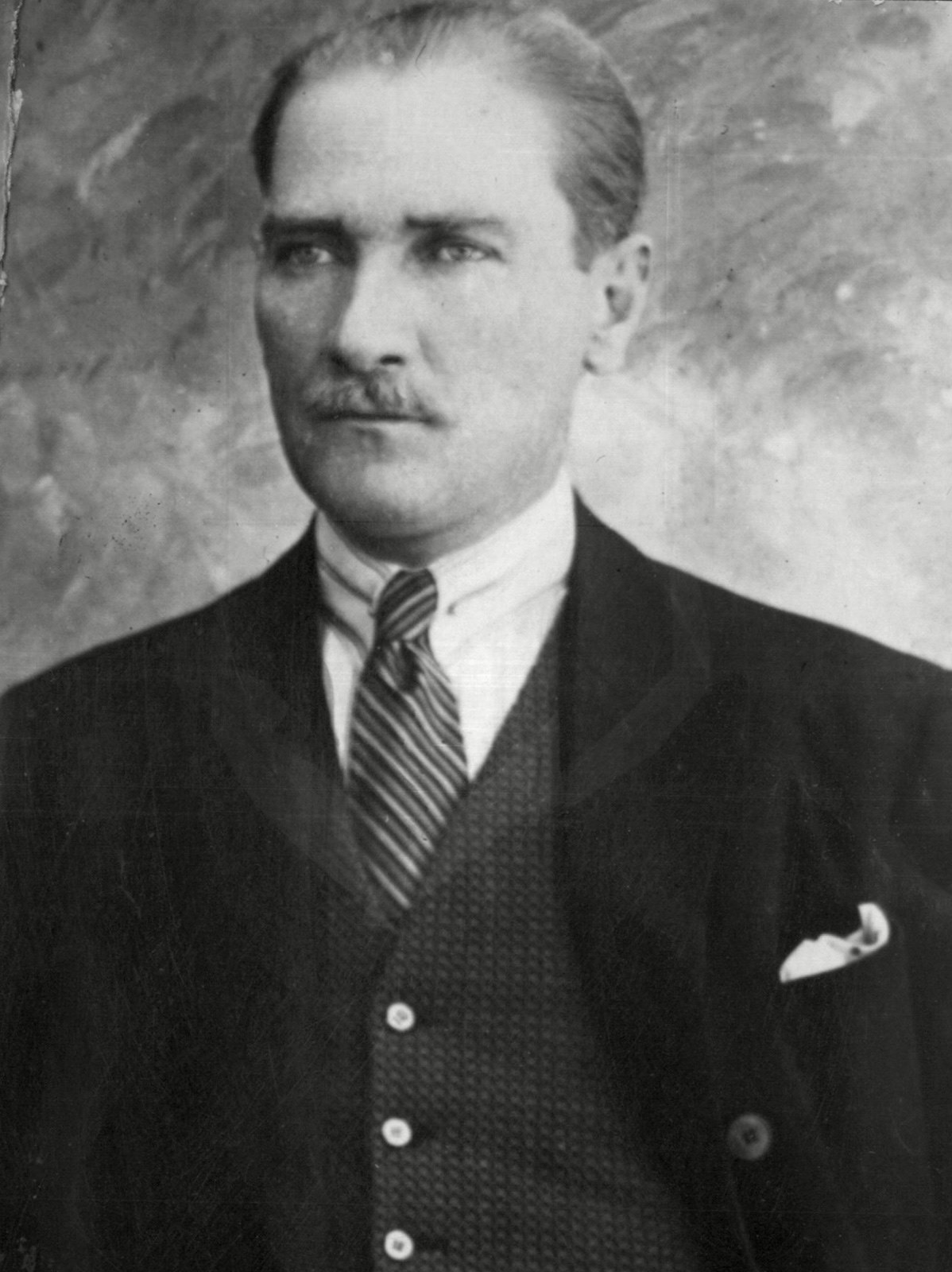
Mustafa Kemal "Ataturk"
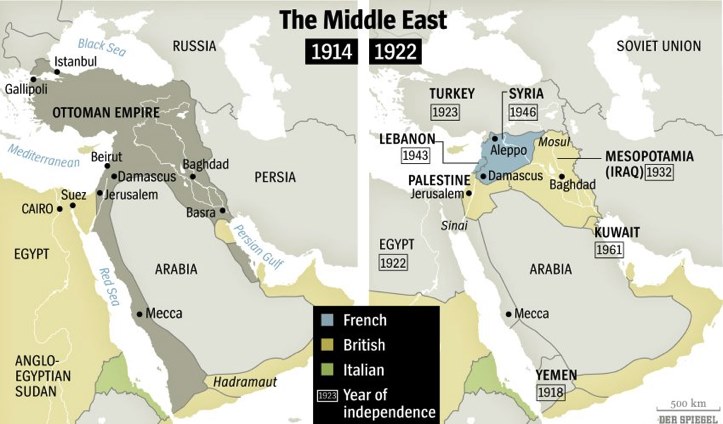
The Middle East after World War I
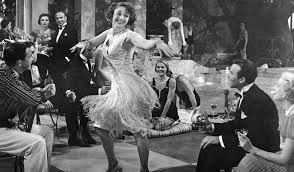
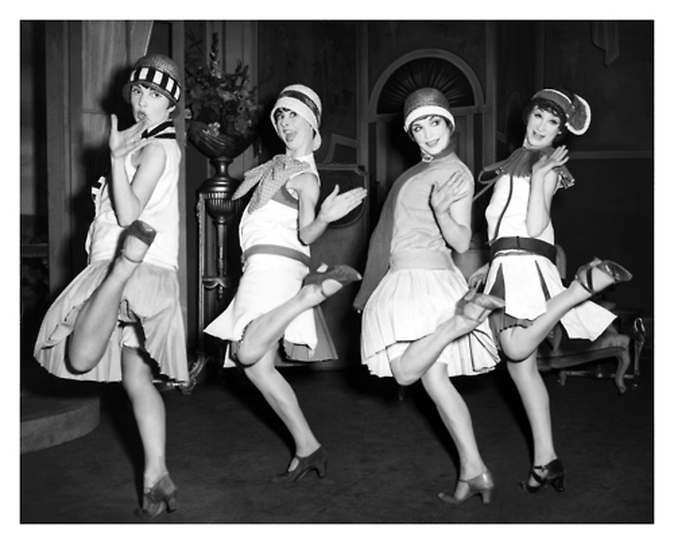
In the decade of the 1920's the world recovered from the devastation of the Great War and enjoyed a period of economic growth due largely to the unparalleled economic expansion in the United States as a result of the Consumer Revolution. The United States was the first nation in the world where consumer spending was driving economic growth. Americans were purchasing a host of new consumer products (i.e. cars, radios. refrigerators, cigarette lighters) in record numbers. Mass demand for these goods boosted production at factories and created a massive number of new jobs. The causes of this consumer revolution were rising incomes among the urban working class and innovations in technology. Since the late 19th century, wages for workers had steadily increased, as the economy expanded. World War I accelerated wage increases due to labor shortages during this war. As the wealth and size of the working class expanded, so did their ability to purchase consumer goods. During this period also, manufacturers embraced new technology that allowed them to produce more goods and sell them to consumers in mass at prices that they could afford. For example, Henry Ford of the Ford Motor Company in 1908 sold the first Model T automobile, which was the first car that people other than the very wealthy could afford. In 1913, Ford introduced the moving assembly line into his factories as a way to expand production and lower costs. Ford was then able to lower the price of his cars, so that more Americans could buy them. Between 1920 and 1929 the number of cars in the United States jumped from 8 million to 23 million. Ford Motor Company and its primary competitor, General Motors, were both headquartered in the city of Detroit, which became known as the "Motor City". Another booming business in this period was the radio industry. The Italian inventor, Guglielmo Marconi invented the first radio in 1897. In 1919 the General Electric Company founded the Radio Corporation of America (RCA) to manufacture and sell radios to the public. In 1920, the first radio station began broadcasting in Detroit. By 1922 the number of radio stations in the United States had jumped to 522. In 1926 RCA created the first national network of radio stations, the National Broadcasting Company (NBC). The very next year, a rival radio network emerged, the Columbia Broadcasting Company (CBS). Radio stations paid for their programs, which included broadcasting music, sporting events, and dramas, by selling advertising to businesses that wanted to exploit this new medium to sell their consumer products. For example, the founder of CBS, William Paley (1901-1990) saw radio as a new way to advertise the cigars manufactured by his family business
The wealth generated by this economic boom enabled American banks to invest overseas and promote an economic recovery. In the 1920's New York City with its Wall Street banks replaced London as the world's financial center. After World War I, American investors feared that the economic collapse of Germany would prevent Germany from paying its reparations to France and the United Kingdom, which in turn would prevent British and French banks from paying off the loans that they had received from American banks during World War I. In 1924, after urging France to withdraw from the Ruhr Valley, the United States led by the Vice-President of the United States, Charles Dawes, a eminent Wall Street banker, proposed that France and the United Kingdom negotiate with Germany to set up a way for Germany to pay its reparations without bankrupting Germany. Under the Dawes Plan, Germany slowly paid off its war reparations in series of fixed payments. At this time Wall Street banks also begin investing heavily in German banks. This influx of capital into Germany from the United States ended hyperinflation in Germany and allowed the German economy to recover and grow again. Germany's economic recovery and the flow of reparation payments to France and the United Kingdom from Germany enabled the economies of these countries to expand as well.
With the return to economic prosperity, world powers also hoped to find ways to promote peace and lower the heavy cost of maintaining large military forces. In 1921 the United States hosted the Washington Naval Conference, where all the great military powers (United States, France, United Kingdom, Japan) all agreed to limit the size of their naval fleets. In 1925, the United Kingdom, France, Italy and Germany signed the Locarno Pact where these states all agreed to resolve any future conflicts peacefully.
Hopes for continuing peace and prosperity abruptly ended with the 1929 Stock Market Crash in the United States. This financial collapse resulted in an extended period of economic decline known as the Great Depression. The causes of this economic catastrophe were many. First in the 1920's around the world, countries practiced Protectionism and raised tariffs on foreign imports. Each country placed taxes on these imports, so that these imported goods were more expensive, and consumers would purchase only goods produced locally. However, as this practice became more common around the world, the cumulative effect was to suppress demand, which resulted in overall lower profits for businesses everywhere. For example, in the United States, in 1930 when the economic crisis was beginning, the government imposed the Hawley-Smoot Tariff, which raised tariffs on imports to record levels. The United States hoped that this tariff would stimulate the American economy, but instead this tariff actually further damaged the world economy. Another cause of the Great Depression was stagnating wages. In the US, companies often kept any wage increases to a minimum for fear that higher labor costs would prevent them from investing in new technology and keeping up with their competitors. However, as wages remained stagnant, workers were less able to purchase consumer goods, which had been driving economic growth. Another cause of the Great Depression was overspeculation. In the years leading up to the 1929 Stock Market Crash, investors purchased stocks in the New York Stock Exchange in ever increasing numbers. As investors continued to purchase stocks in American companies, stock prices continued to rise, thereby encouraging investors to buy even more stock. Investors continued to purchase these stocks even when signs arose that the economy was not strong. Investors were over confident that stock price increases would continue indefinitely. Normally, stock prices are supposed to reflect the profitability of their companies. When stock prices however are much higher than the actual profitability of their companies, a speculative bubble arises. In October, 1929, investors begin to realize that current stock prices were too high, so they begin to sell their stocks. As more and more investors sold their stocks, stock prices plummeted and panic ensued, as investors frantically sold their stocks before prices fell even further, thereby bursting the speculative bubble. This Stock Market crash was devastating to banks, which had invested their capital in the stock market. Consequently, between 1929 and 1933 some 9000 banks across the US went out of business. These bankruptcies in turn ruined businesses that had placed their money in these banks and depended on these banks for credit. Businesses consequently laid off their employees, and the unemployment rate in the United States skyrocketed to 25% by 1933. The economic downturn in the United States impacted the world economy since so many banks and companies around the world had become dependent on a continual flow of capital investment from the United States. After the Stock Market Crash in 1929, however, it was not long before major banks across Europe went bankrupt in 1930 with similar results for European economies, which also experienced high unemployment. In 1931, the United Kingdom's gold reserves were nearly empty, and the country stopped backing its currency with gold. The impact of high unemployment in industrialized economies was more distressing at this time than in the past since so many more people now lived in cities and depended on wages to purchase food and housing. Homelessness and malnutrition became common in large cities across the world during the Great Depression.
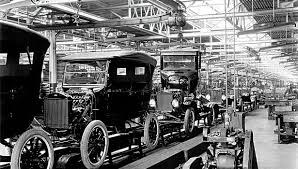
Moving Assembly Line
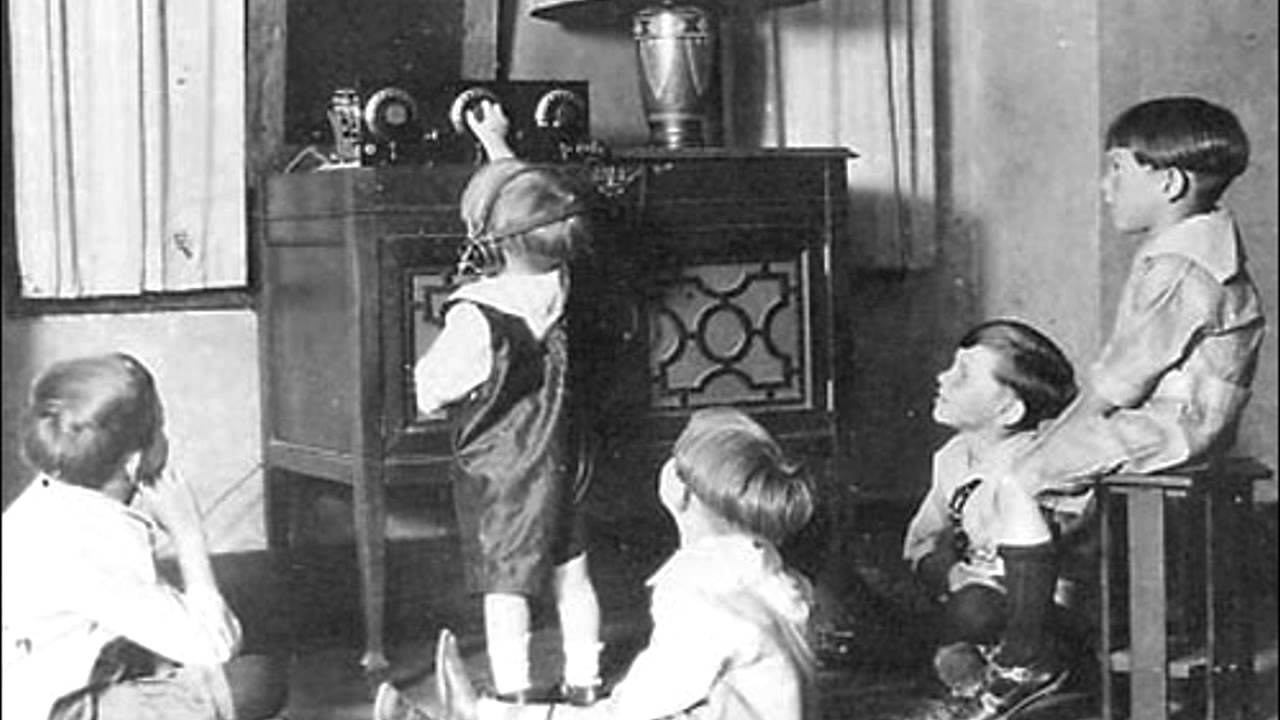
1920's radio
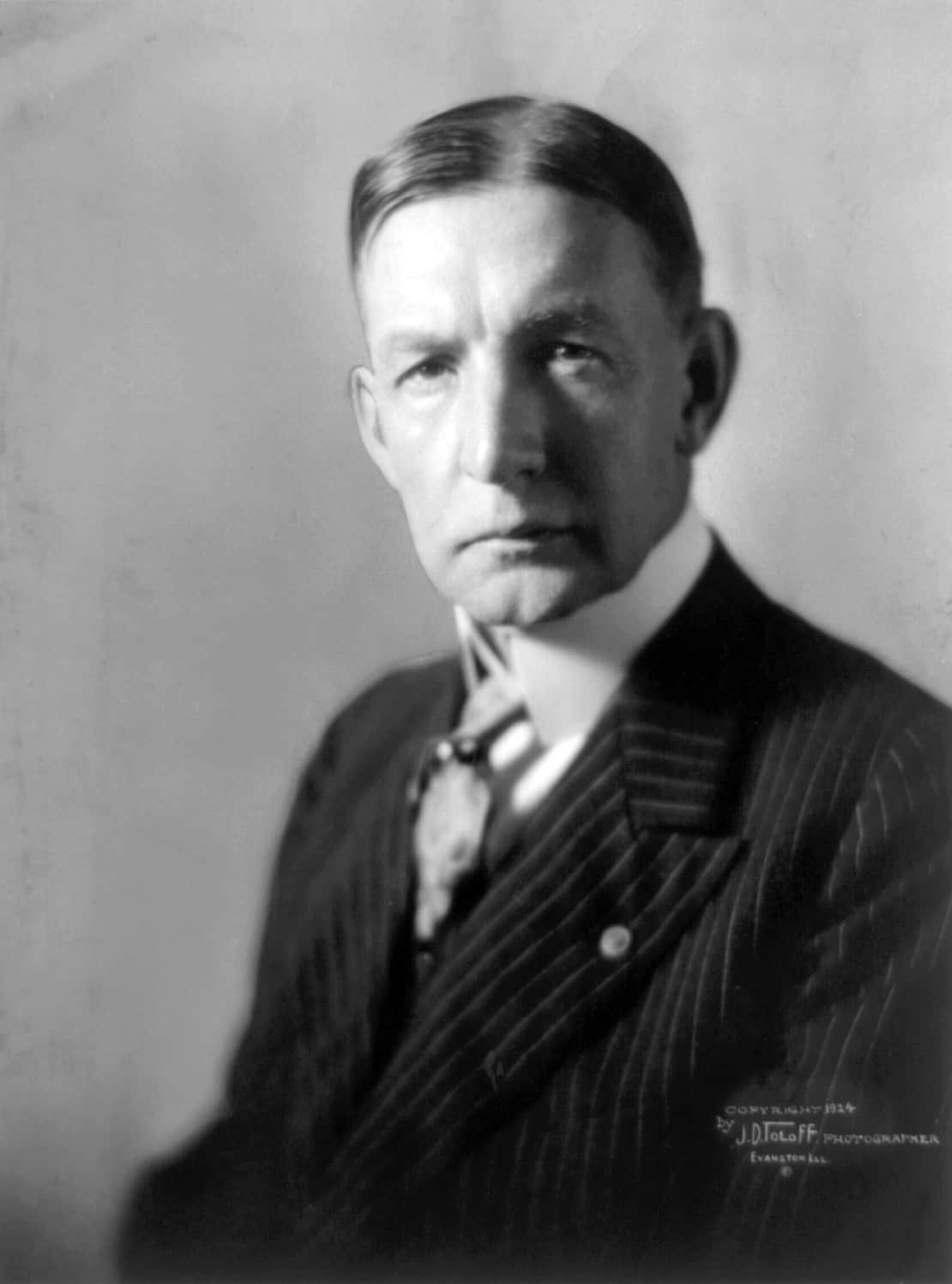
Charles Dawes
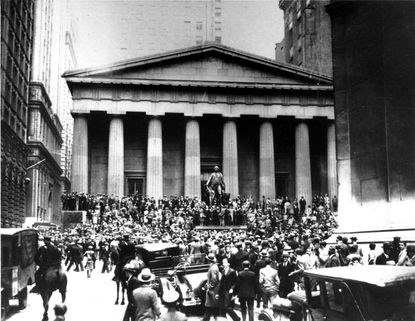
Panic during the 1929 crash
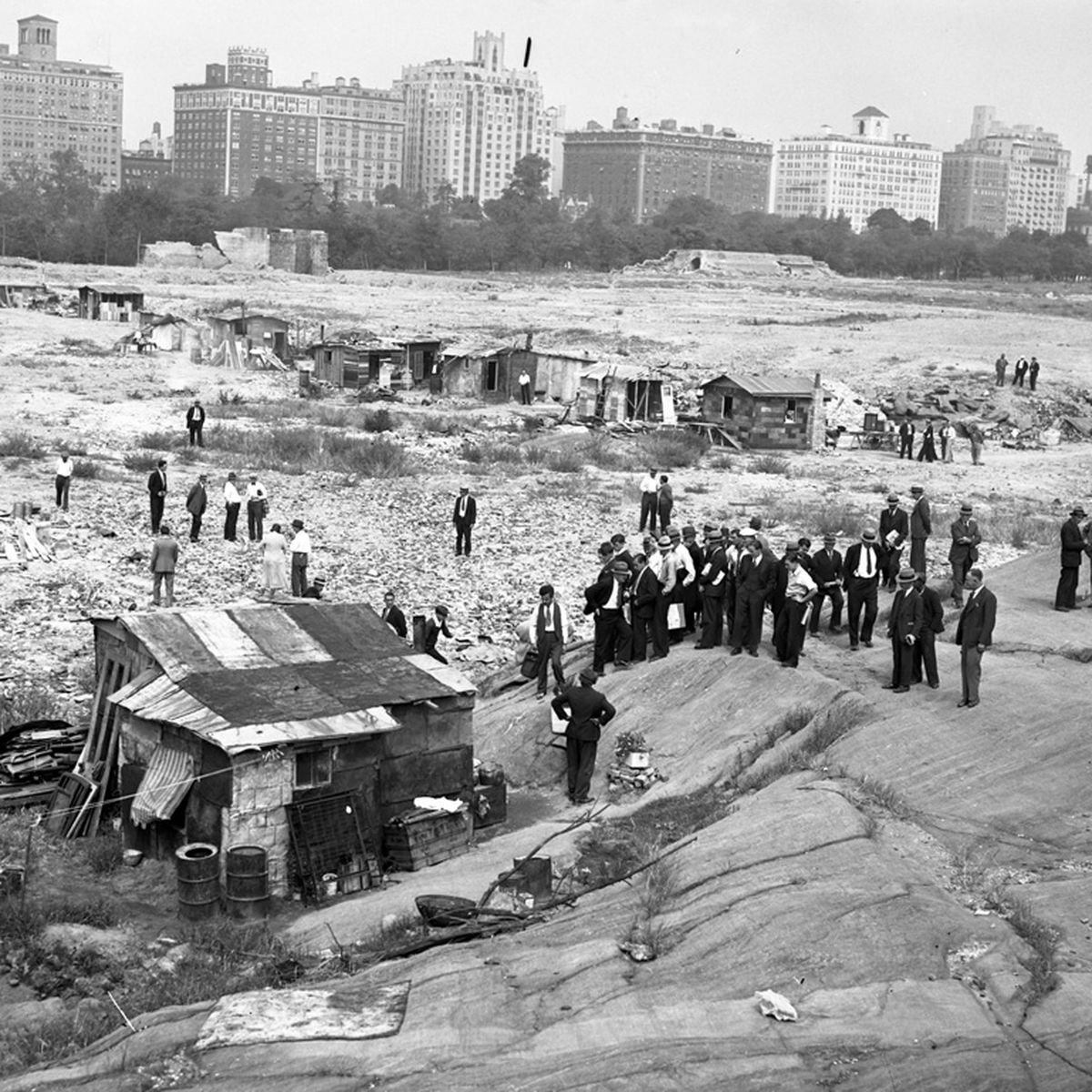
Homeless encampment during Great Depression
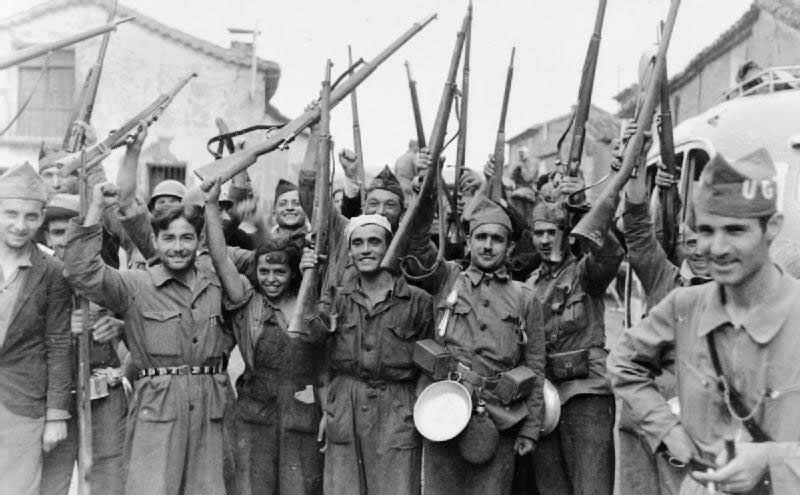
The poverty and misery among the working class due to the Great Depression stirred up fears of social revolution and the Communist menace among the middle class in industrialized countries. In many European countries military dictatorships arose to maintain order and to fight Communism. In 1931 in Spain the Bourbon king of Spain Alphonso XIII (r. 1886-1931) abdicated the throne after Liberal parties won elections demanding that Spain become a republic. In this new republic, Socialists, Communists, and Liberals joined forces to form the Popular Front with the support of the labor unions. Conservative Roman Catholics, including both middle class businessmen and the landowning aristocracy, opposed the leftist and militantly secular direction of the new government and rallied around a Spanish aristocratic general, Francisco Franco, who founded his own political party, the Falange Party. In 1936 civil war broke out between these rival parties. This Spanish Civil War ended in a victory for Franco's forces, and Franco would remain military dictator in Spain until his death in 1975. Over in neighboring Portugal, a former economist, Antonio Salazar, emerged as military dictator in 1932, following the military overthrow of Portugal's First Republic in 1926 (Portugal had deposed its last king, Manuel II in 1910). Salazar's envisioned an Estado Novo ("New State") that was Roman Catholic, anti-Communist, and dedicated to preserving Portugal's overseas empire in Africa (modern Angola and Mozambigue). In Eastern Europe, the kings of Romania (Carol II), Yugoslavia (Alexander), and Bulgaria (Boris III) in the 1930's assumed dictatorial powers with the support of the army due to the threat of Communism.
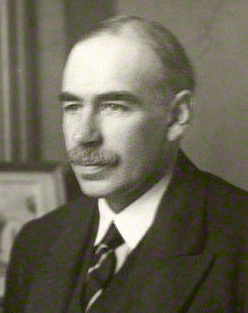
Industrialized countries with a long tradition of Liberal government, such as the United Kingdom, France, and the United States, avoided social revolution during the Great Depression and maintained their democratic forms of government, but underwent sweeping reforms, which resulted in the development of the so-called Welfare State. In these states, the government used its power to tax and spend to provide a "safety net" for its citizens negatively impacted by the economic downturn. A market economy continued to operate in these states, but the government taxed upper income citizens at a higher rate than those with lower incomes, and then regulated the economy by providing financial support and assistance to those with lower incomes. For example in 1936 in France, the Popular Front, a coalition of Liberal, Socialist, and Communist Parties, won elections under the leadership of Leon Blum, a Socialist, and afterwards passed laws to mandate a 40 hour work week, a minimum wage, and recognized the right of labor unions to represent workers and go on strike. In the United States, the Democratic Party, under the leadership of Franklin Roosevelt, won control of the government in elections in 1932, and proceeded to pass a whole series of laws, which became known as the New Deal. The Social Security Act in 1935 mandated that all employers pay into a fund to provide pensions for the elderly as well as provide unemployment insurance. The Wagner Act in 1935 recognized the right of workers to organize unions. The Fair Labor Standards Act in 1938 established a minimum wage. In the 1930's a British economist, John Maynard Keynes studied these economic developments and these government policies. He determined that governments could effectively regulate a market economy through taxation and government spending (i.e public works projects - roads, dams) , which put cash into the hands of the masses and thereby promoted consumer spending and economic growth. Keynes' economic theories would become the basis for government policies among industrialized countries for decades following World War II.
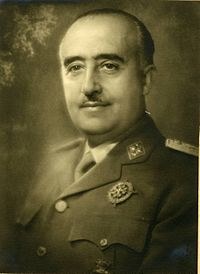
Francisco Franco
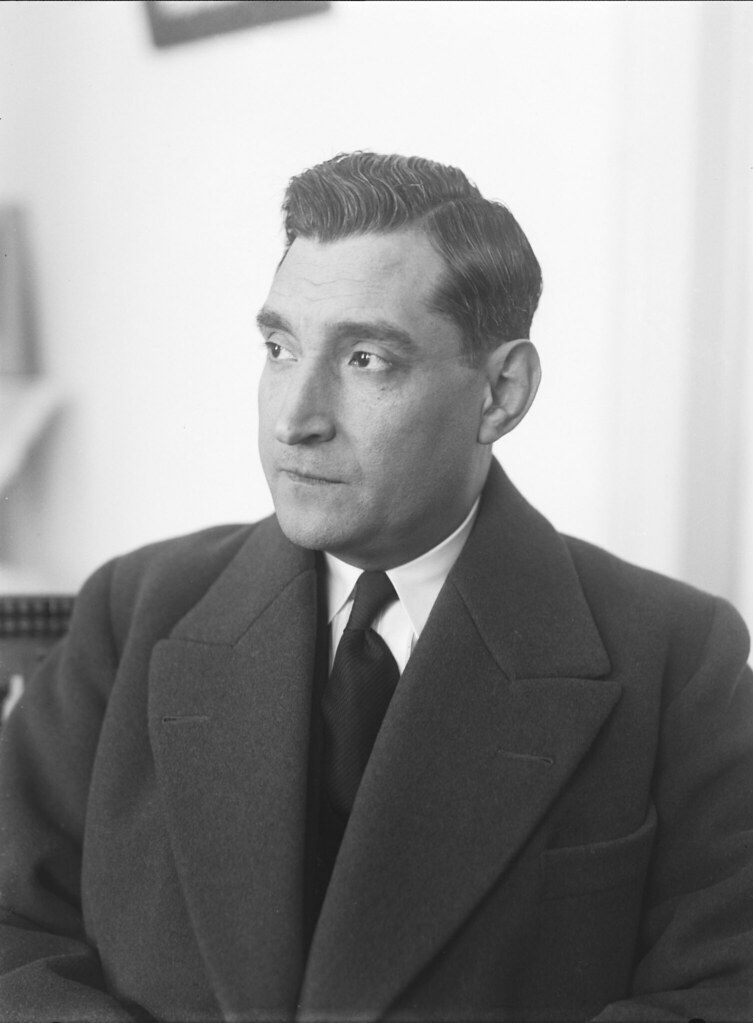
Antonio Salazar
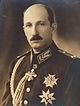
Boris III of Bulgaria
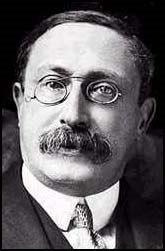
Leon Blum
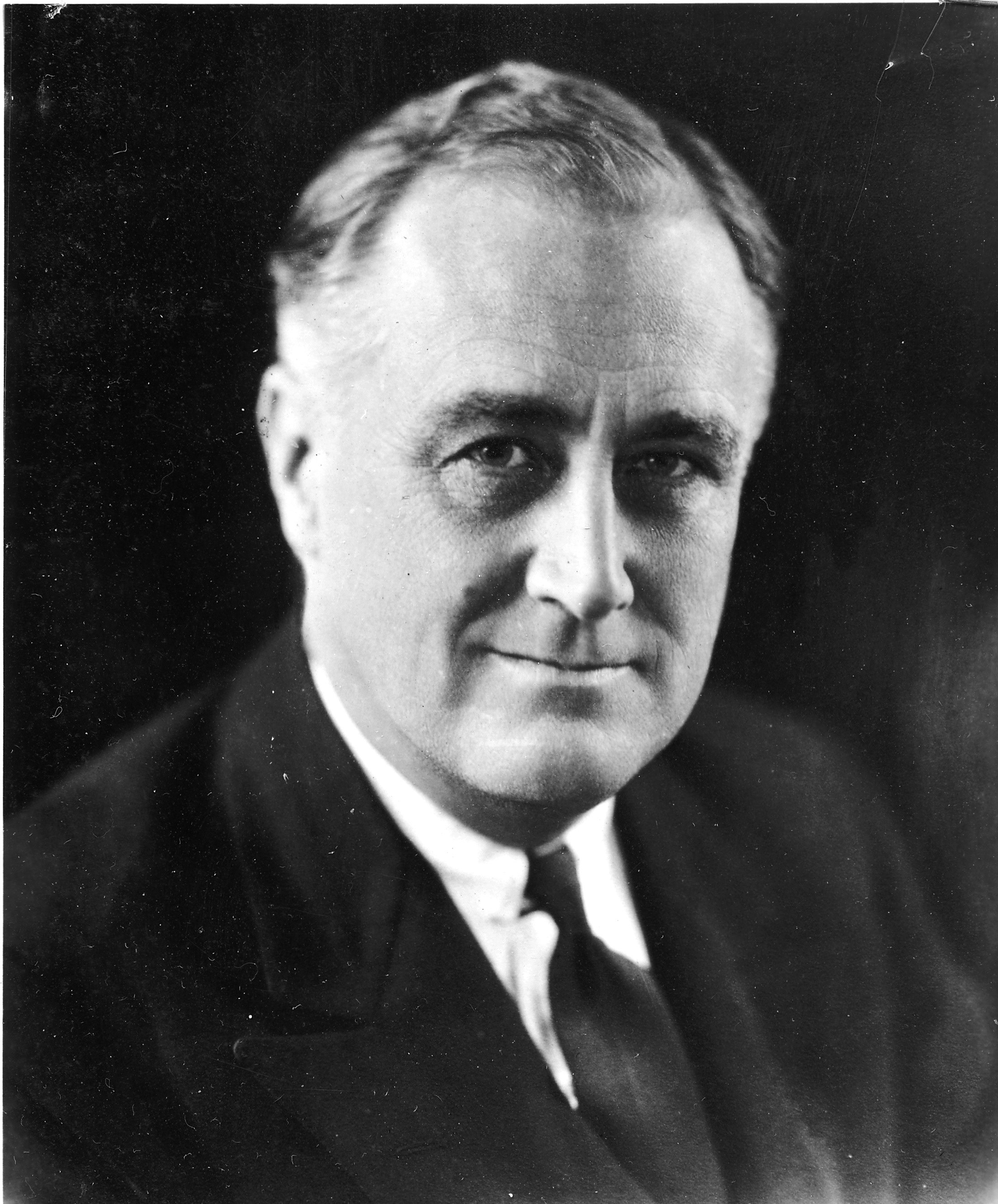
Franklin Roosevelt
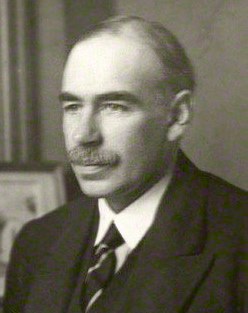
John Maynard Keynes